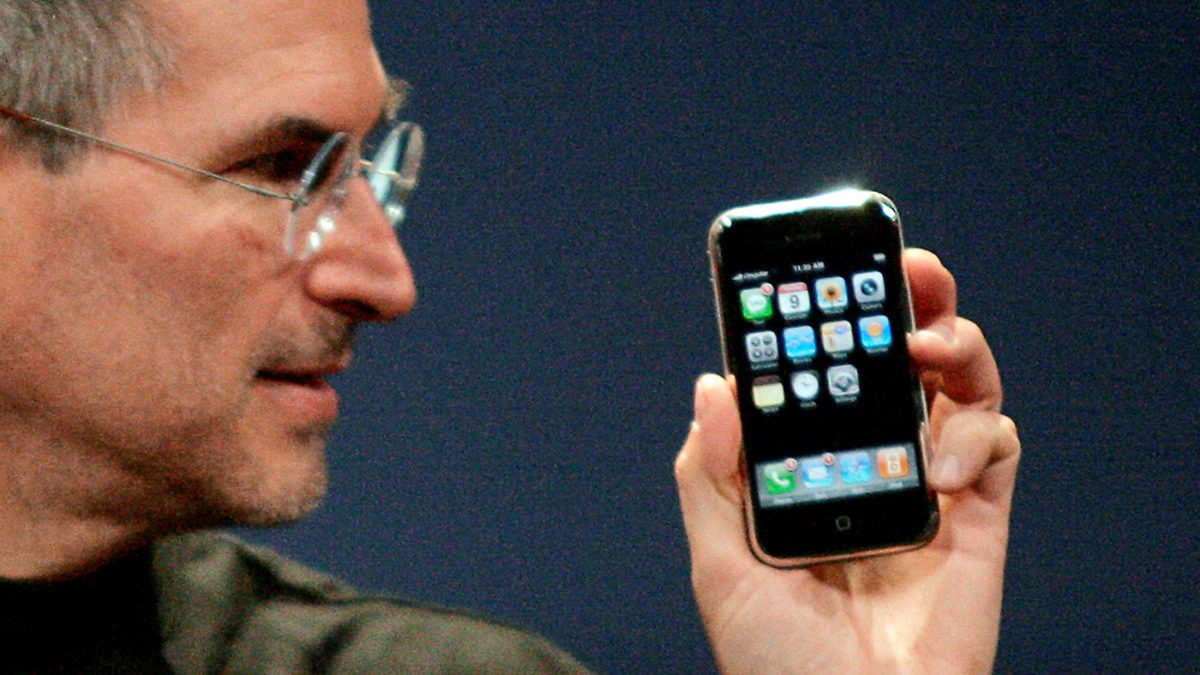
 "Apple at 50: The company that it was before the iPhone boom")
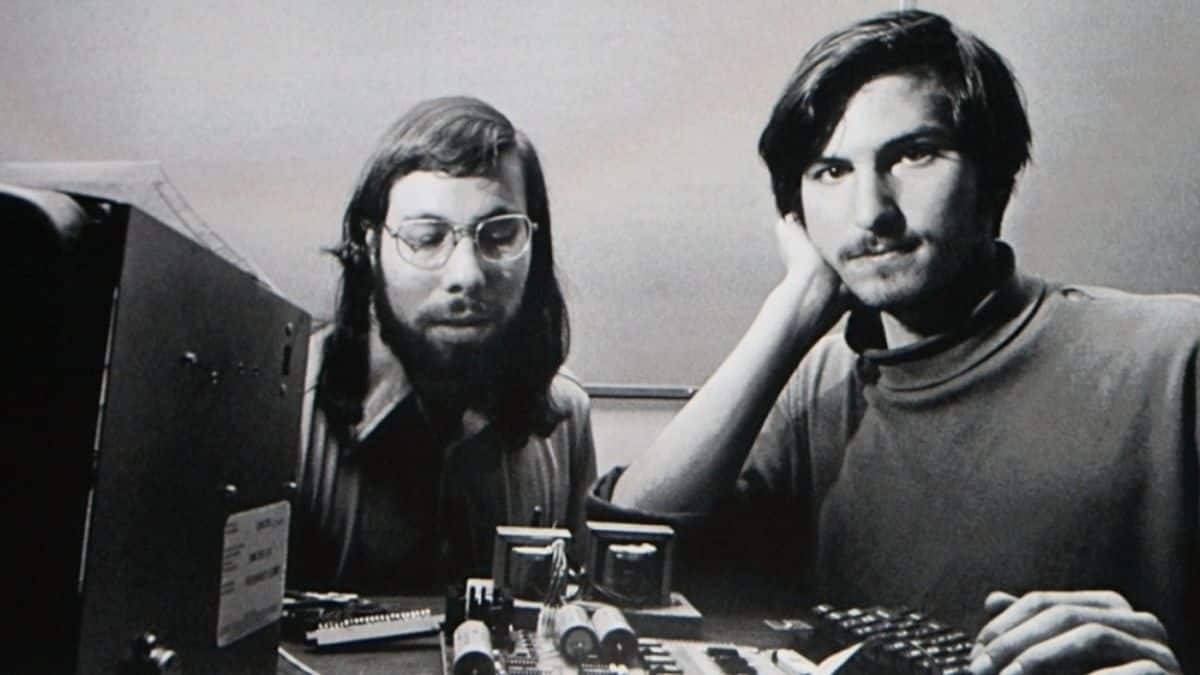
On April 1, 1976, two college dropouts, Steve Jobs and Steve Wozniak, set out to change how people interacted with computers. Fifty years later, Apple is synonymous with the iPhone, but long before smartphones dominated its identity, the company was a pioneer of personal computing, design, and digital media.
As Apple celebrates its 50th anniversary, it is worth revisiting an era when the company’s ambitions were rooted not in pockets, but on desks.
Apple before iPhones
Before the iPhone arrived in 2007, Apple was already a major force in the computing world. Originally founded as Apple Computer Company, the firm’s early mission was simple: make computers small, accessible, and user-friendly enough for everyday people.
Its first product, the Apple I, was hand-built in Jobs’ garage and sold without a monitor, keyboard, or casing. That changed with the Apple II in 1977, which introduced colour graphics and helped spark a revolution in personal computing. The company’s growth was explosive, with revenues soaring from $7.8 million in 1978 to $117 million by 1980, the year it went public.
The 1980s, however, brought turbulence. Wozniak stepped away from day-to-day operations in 1983, and Jobs recruited John Sculley from PepsiCo to lead the company. The partnership quickly soured, culminating in Jobs’ departure in 1985. He went on to found NeXT and acquire Pixar, which would later produce blockbuster films.
Despite internal challenges, Apple continued to innovate. Its collaboration with Adobe helped usher in the era of desktop publishing, transforming how businesses and creatives approached design and printing.
Still, competition intensified, particularly from Bill Gates’s Microsoft, whose Windows operating system began to dominate. By the mid-1990s, Apple’s market share had dwindled, and its future looked uncertain.
Quick Reads
View AllThe turning point came in 1997 when Apple acquired NeXT, bringing Jobs back as interim CEO. He streamlined the product lineup, forged a surprising alliance with Microsoft, and reignited Apple’s focus on design and innovation. The stage was set for a new era, one that would soon extend beyond computers.
List of products that came before iPhone
Apple’s pre-iPhone journey is best told through its products, each reflecting a mix of ambition, experimentation, and a relentless focus on design:
Apple I (1976): Apple’s first-ever product was as raw as it gets, a single-board computer sold without a monitor, keyboard, or casing. Built by hand, it appealed to hobbyists, but it laid the foundation for a company that would soon think much bigger.
Apple II (1977): This was Apple’s first mass-market success. With built-in colour graphics and a more user-friendly design, the Apple II helped bring computers into homes and schools, kickstarting the personal computing revolution.
Macintosh 128K (1984): A landmark device, the Macintosh introduced a graphical user interface and mouse-driven navigation to a wider audience. It made computing feel more human, and its iconic launch advert remains one of the most memorable in tech history.
LaserWriter (1985): More than just a printer, the LaserWriter played a central role in the desktop publishing boom. Combined with software from Adobe, it allowed businesses and creatives to produce professional-quality documents from their desks.
PowerBook series (1991): Apple reimagined portable computing with the PowerBook line. Featuring a compact design and built-in pointing device, it set the template for modern laptops, even if the hardware now feels dated.
Newton MessagePad (1993): Apple’s early attempt at a handheld smart device, the Newton was ambitious. It featured a stylus and handwriting recognition, making it a conceptual ancestor to today’s tablets and smartphones, despite its mixed reception.
iMac G3 (1998): Bright, bold and unapologetically different, the iMac G3 marked Apple’s return to form under Steve Jobs. Its translucent design and simplicity helped revive the company at a time when its future looked uncertain.
iBook (1999): Designed with students in mind, the iBook carried forward the playful design language of the iMac. It helped make laptops more accessible and reinforced Apple’s focus on consumer-friendly devices.
PowerBook G4 (2001): A shift towards minimalism, this laptop featured a sleek titanium body and sharp lines. It signalled Apple’s move towards the premium, design-led aesthetic that defines its products today.
iPod (2001): A true game-changer, the iPod transformed how people consumed music. With its click wheel and the promise of “1,000 songs in your pocket”, it dominated the MP3 player market and laid the groundwork for Apple’s future ecosystem.
Power Mac G5 (2003): Marketed as one of the fastest personal computers of its time, the G5 combined raw power with a striking industrial design. It catered to professionals who needed performance without compromising on style.
Mac Mini (2005): Compact and minimal, the Mac Mini offered a different approach, a computer without the extras. Users could bring their own keyboard, mouse, and display, making it a flexible and relatively affordable entry into the Mac ecosystem.
Apple TV (2007): Launched alongside the iPhone era, this device aimed to bring digital media from iTunes into the living room. While it started modestly, it hinted at Apple’s long-term ambitions in content and streaming.
Together, these products trace Apple’s steady evolution from a niche computer maker to a company that understood both technology and consumer behaviour.
The iPhone may define Apple today, but it is the result of decades of experimentation, course correction, and product thinking that began long before 2007.

 "Iran Israel War News Live: Israel says chief engineer behind Hezbollah’s secret tunnels killed in strike")
 "End of Nato? Why are European allies refusing to back Trump’s Iran war?")
 "‘Without boots on the ground, Iran’s nuclear programme cannot be destroyed’: Israeli expert to Firstpost")
 "New Delhi to host Brics FMs meet in May; Russia's Lavrov among key attendees")
 "Iran Israel War News Live: Israel says chief engineer behind Hezbollah’s secret tunnels killed in strike")
 "End of Nato? Why are European allies refusing to back Trump’s Iran war?")
 "‘Without boots on the ground, Iran’s nuclear programme cannot be destroyed’: Israeli expert to Firstpost")
 "New Delhi to host Brics FMs meet in May; Russia's Lavrov among key attendees")