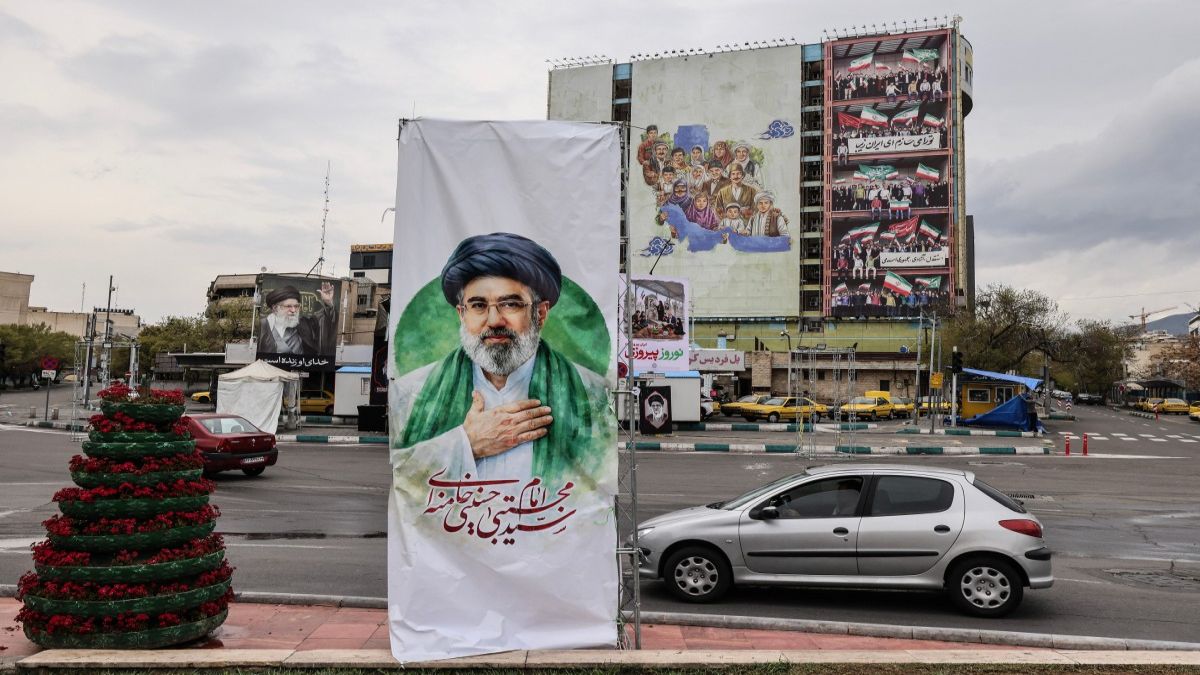
 "Why China has joined Pakistan in mediating peace talks in Iran war")
Will peace finally prevail? As the West Asia conflict enters its second month, many countries are attempting to mediate peace between Tehran and Washington, with the hope of ending the fighting. Among them, Pakistan has taken the lead, roping in China as well to help end the war.
On Tuesday (March 31), China and Pakistan presented a new initiative for ending the war in Iran that includes an immediate ceasefire and the reopening of the Strait of Hormuz.
This comes after the US had shared a 15-point peace plan with Iran through Pakistan, which Tehran rejected and offered its own five demands to end the war.
- Catch the latest updates from the Iran war here
China’s apparent entry into the mediating efforts is an interesting development in the West Asia conflict, which has entered Day 33. Until now, China has maintained a meticulous distance from the ongoing conflict in West Asia, though it has ties with the regime in Tehran and is the largest buyer of Iranian oil.
What does the China-Pakistan plan propose for Iran war?
On Tuesday, Pakistan’s Deputy Prime Minister and Foreign Minister Ishaq Dar undertook a one-day visit to Beijing at the invitation of China’s Foreign Minister Wang Yi. After holding in-depth discussions, the two foreign ministers presented a five-point plan aimed at bringing peace to West Asia.
PR No.85/2026
— Ministry of Foreign Affairs - Pakistan (@ForeignOfficePk) March 31, 2026
Five-Point Initiative of China and Pakistan for Restoring Peace and Stability in the Gulf and Middle East Region (Beijing, March 31,2026) pic.twitter.com/JAkSsro17a
- Immediate ceasefire
Both countries called for the “immediate cessation of hostilities and utmost efforts to prevent the conflict from spreading”. Humanitarian assistance must be allowed to all war-affected areas, revealed the plan.
- Start of peace talks as early as possible
Pakistan and China have stated that diplomatic efforts must begin at the earliest opportunity. According to the proposal, “Sovereignty, territorial integrity, national independence, and security of Iran and the Gulf states should be safeguarded. Dialogue and diplomacy are the only viable options to resolve conflicts.”
It further added, “China and Pakistan support the relevant parties in initiating talks, with all parties committing to a peaceful resolution of disputes, and refraining from the use or the threat of use of force during peace talks.”
Security of non-military targets
The China-Pakistan proposal has called for protection to civilians. Both nations called on the warring parties to immediately stop attacks on civilians and non-military targets, and fully adhere to International Humanitarian Law, and stop attacking important infrastructure, including energy, desalination, and power facilities, and peaceful nuclear infrastructure, such as nuclear power plants.Security of shipping lanes
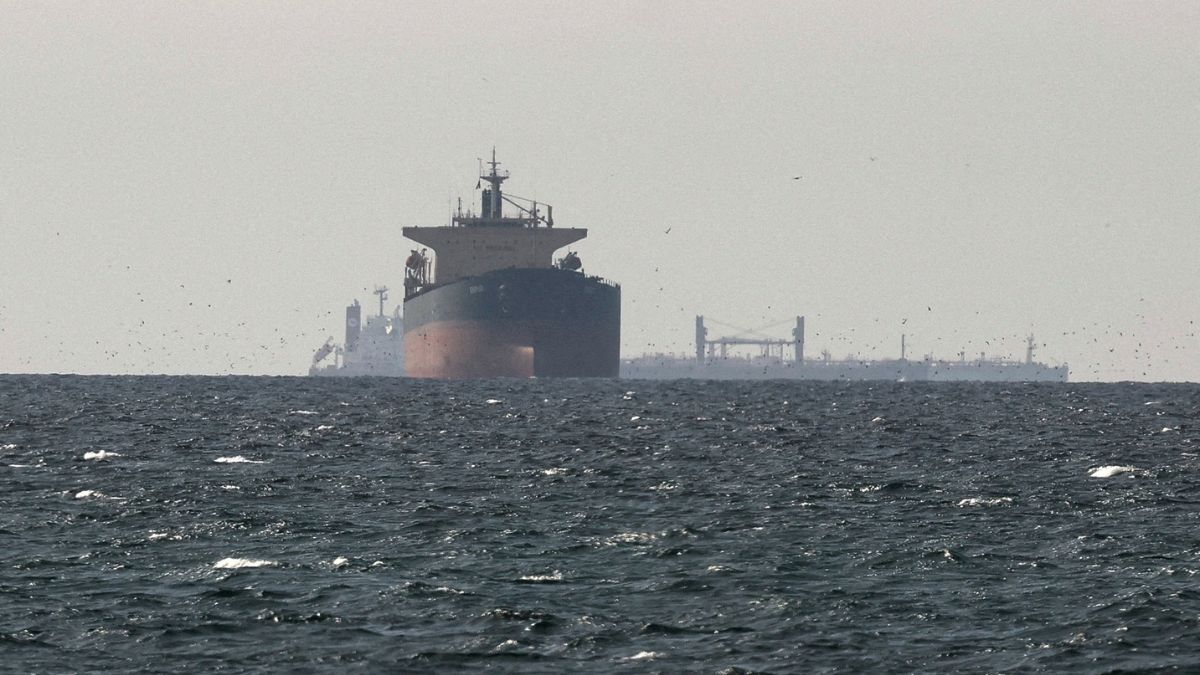
The proposal states that shipping lanes should be secured. “The Strait of Hormuz, together with its adjacent waters, is an important global shipping route for goods and energy. China and Pakistan call on the parties to protect the security of ships and crew members stranded in the Strait of Hormuz, allow the early and safe passage of civilian and commercial ships, and restore normal passage through the Strait as soon as possible,” the statement said.
- Adhering to the UN charter
The final point stresses strengthening the role of the United Nations and building a long-term peace framework based on international law and multilateral cooperation.
How did this China-Pakistan proposal come about?
Ever since Pakistan has fervently embraced the role of interlocutor, it has reached out to other countries in efforts to pass on messages to Iran. Over the weekend, Islamabad hosted the foreign ministers of Turkey, Egypt, and Saudi Arabia for a quadrilateral meeting aimed at pushing the United States and Iran towards negotiations.
Pakistan’s Dar then had a phone call with China, following which he travelled to Beijing on Tuesday, during which the five-point proposal was refined.
Baqir Sajjad Syed, a former Pakistan fellow at the Wilson Center, told Al Jazeera, “These principles were first discussed in the Wang Yi-Dar telephone conversation last week. One of the main objectives of this trip was to translate these into a more concrete framework or outcome document. Last week’s phone call was preliminary. In-person engagement allows more detailed coordination, possible alignment on parameters, and consideration of a joint statement.”
Hours later, China and Pakistan announced these five principles as the cornerstone of their mediation efforts.
What has China’s role been so far in the conflict?
Until now, China has kept its distance from the Iran war, despite it being the biggest purchaser of Iranian oil.
Notably, while Beijing condemned the initial US and Israeli strikes on Iran, it has since held a position of neutrality and focused its efforts on calling for a ceasefire, while negotiating directly with Tehran for the safe passage of its own oil tankers through the Strait of Hormuz.
However, with the proposal, many are wondering if China will take on a bigger role in mediating peace between the US and Iran. Vali Nasr, a former US Department of State official and a leading Iran expert, floated the idea that Beijing may emerge as a guarantor. “Iran has asked for guarantees in any deal with the US. Word is that Pakistan foreign minister is going to Beijing to get a guarantor for the potential deal. Likely that is Iran’s condition for talks with US. And FM would not be going to China without having floated the idea with both Washington and Beijing. No guarantees of China biting but Beijing is now the front line in the diplomatic effort,” he noted on X.
But Ishtiaq Ahmad, an emeritus professor at Quaid-e-Azam University in Islamabad, rejected this idea in an Al Jazeera report. “The assumption that Beijing would step in as a guarantor for Tehran is analytically weak,” he said.
What does China stand to gain?
For Beijing, there are clear incentives to see the conflict end. The Asian giant imports around 1.38 million barrels of oil per day from Iran in 2025, an estimated 12 per cent of its total imports. Researchers have also found that between 45 and 50 per cent of China’s crude oil imports transit the Strait of Hormuz, making any disruption a direct threat to its energy security.
For China, Iran is a crucial trading partner as well. There’s also the Belt and Road Initiative and China-Pakistan Economic Corridor (CPEC) investments that it needs to safeguard in the region. As one expert noted, “A prolonged war and high oil prices directly hurt China’s economy.”
Will Iran accept this peace proposal?
While Beijing has extended its support to Pakistan in its efforts to broker peace, Tehran has rejected Islamabad as a mediator in any direct negotiations with the United States.
Earlier, Iran’s Consulate General in Mumbai said, “No direct US talks; only excessive, unreasonable demands via intermediaries. US ‘diplomacy’ flips constantly; our stance is clear. Pakistan’s forums are their own; we didn’t participate.”
It further added, “Regional calls to end the war are welcome, but remember who started it!”
Moreover, some experts have noted that the China-Pakistan proposal doesn’t address the actual issue of the fighting between the US and Iran. John Spencer, a US war scholar, noted on X, “This is not a serious proposal. It does not address a single issue of Iran’s threats to the US, Israel, entire region.”
I am trying to stay professional in language. This is not a serious proposal. It does not address a single issue of Iran's threats to the U.S., Israel, entire region - missiles, nuclear, navy, behaviors of proxy terror armies/against international shipping in the strait of hormuz… https://t.co/XPmv5TdkPS
— John Spencer (@SpencerGuard) March 31, 2026
For now, China stepping in as a mediator in a war launched by the US makes a remarkable geopolitical twist.
With inputs from agencies


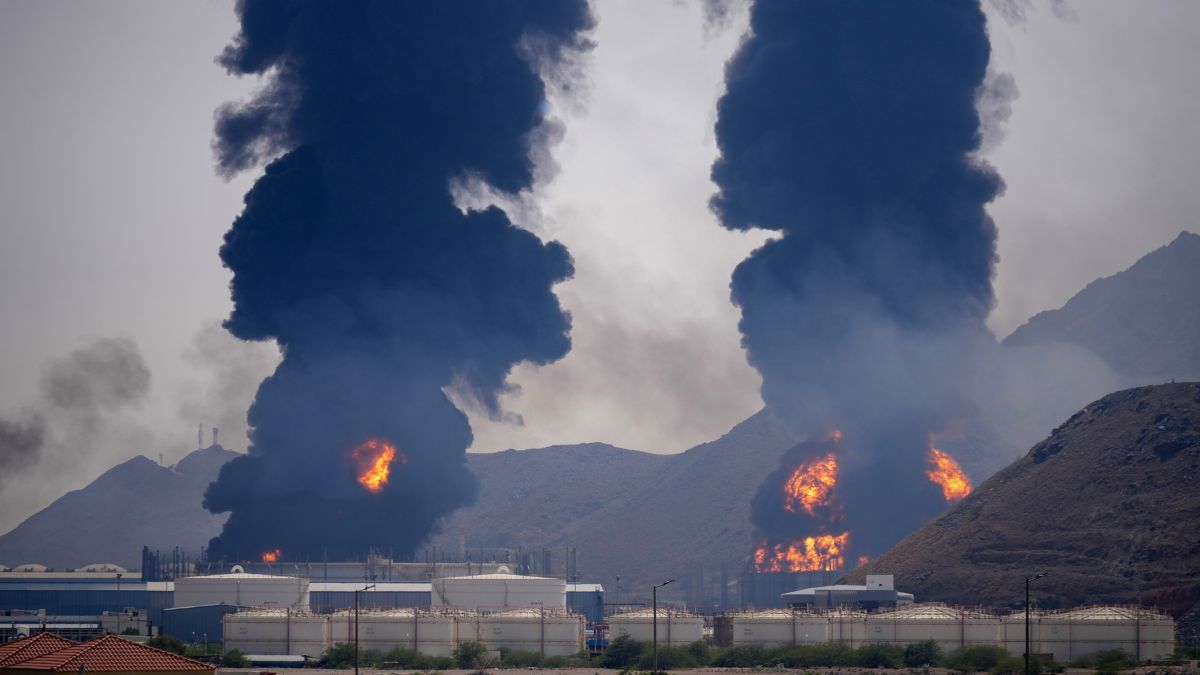 "Iran War Live Updates: US strikes target underground military sites inside Iran")
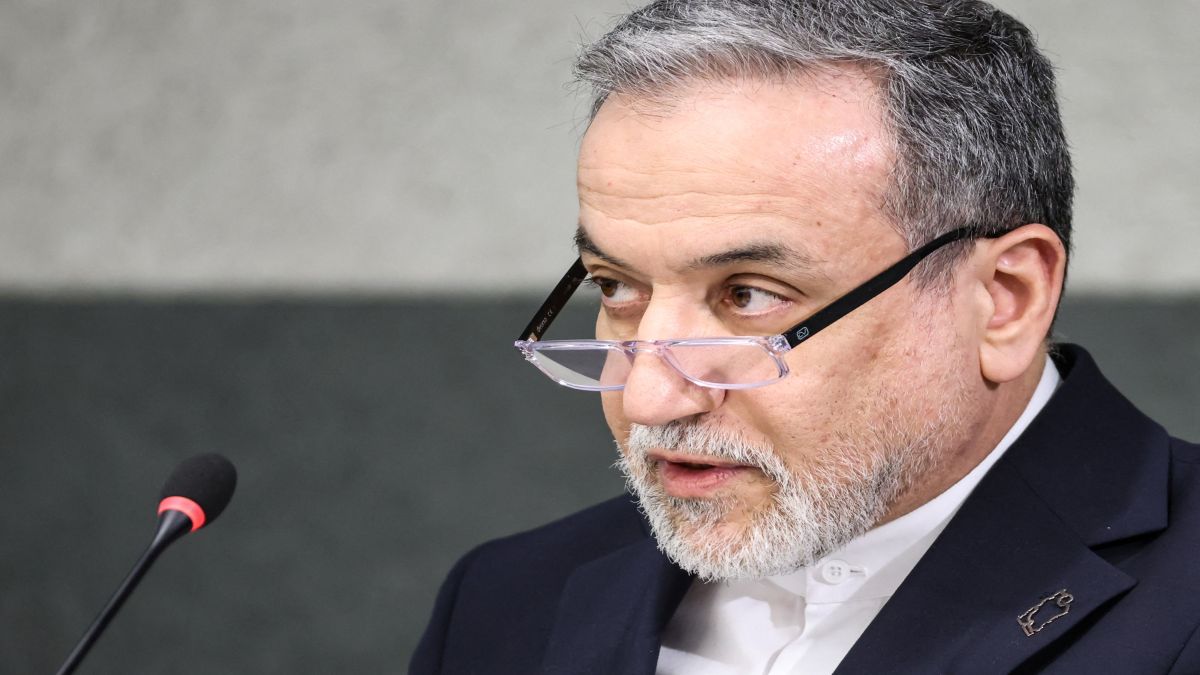 "Iran confirms ‘direct’ messages with Trump aide Steve Witkoff, but says no negotiations underway")
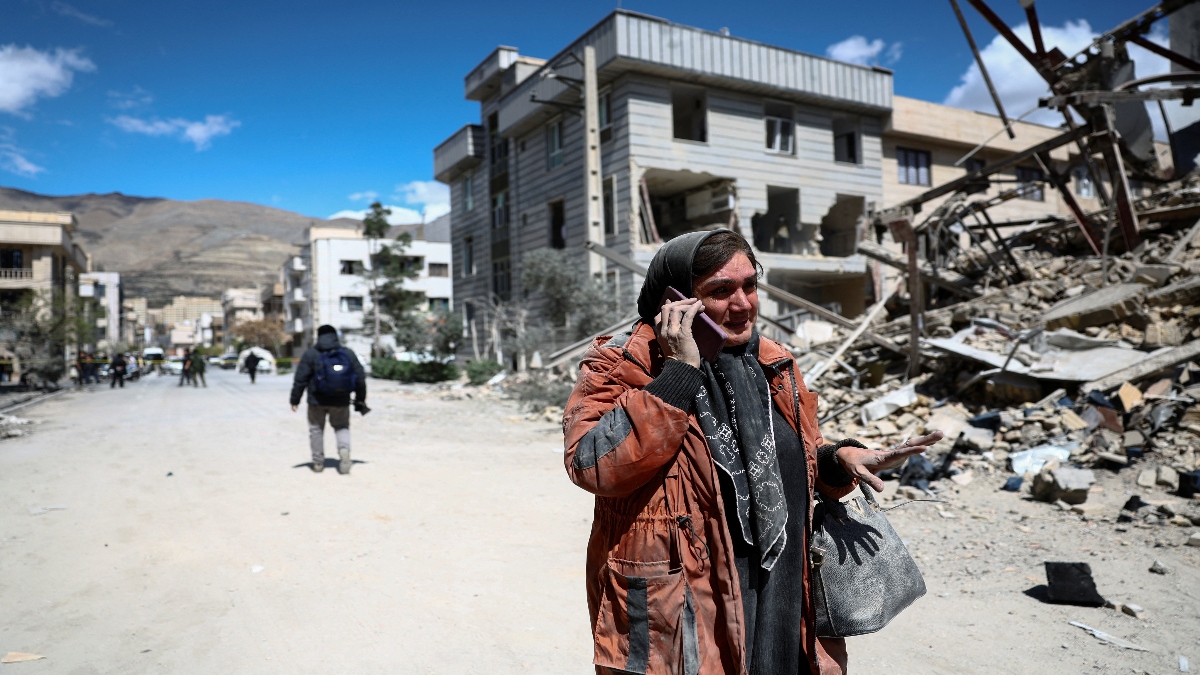 "'Campaign is not over': Netanyahu says will continue to 'crush Iran’s terror regime'")
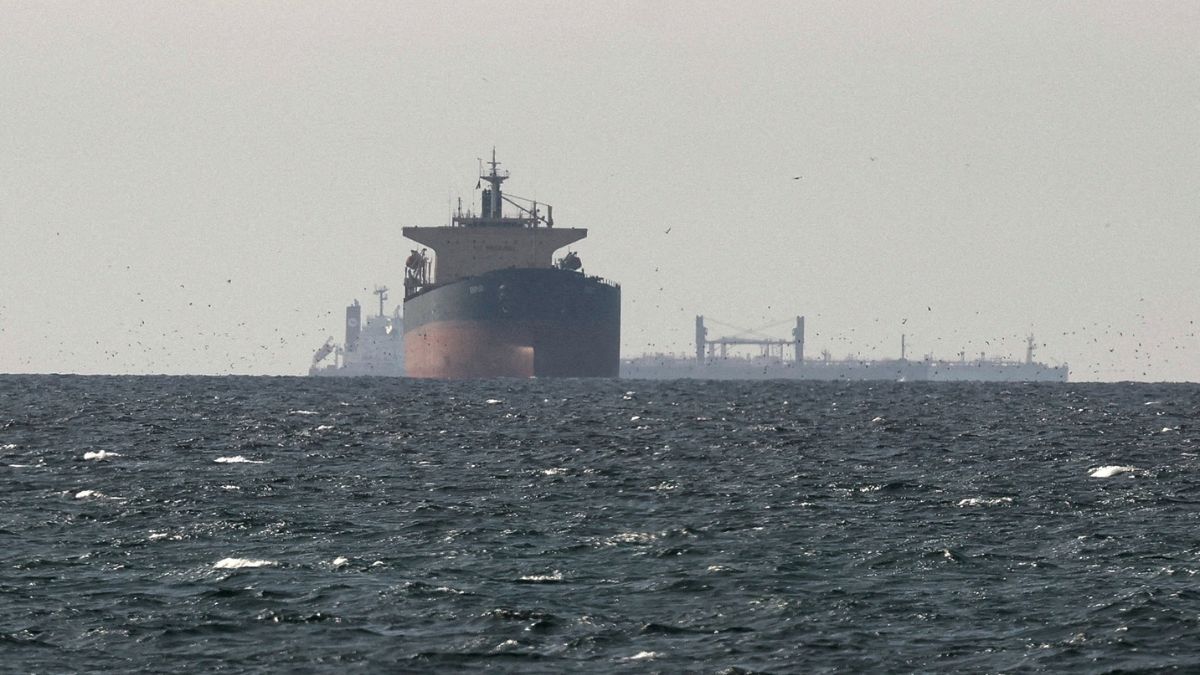 "Only 84 tankers crossed Strait of Hormuz in March amid Iran’s blockade")
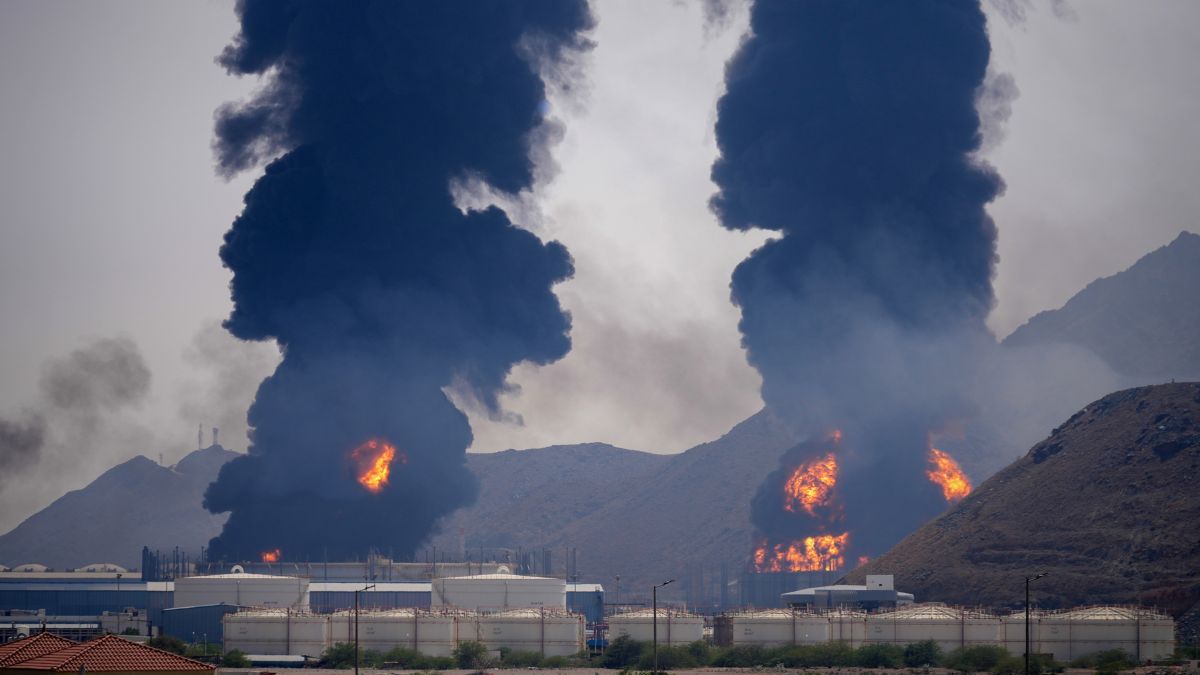 "Iran War Live Updates: US strikes target underground military sites inside Iran")
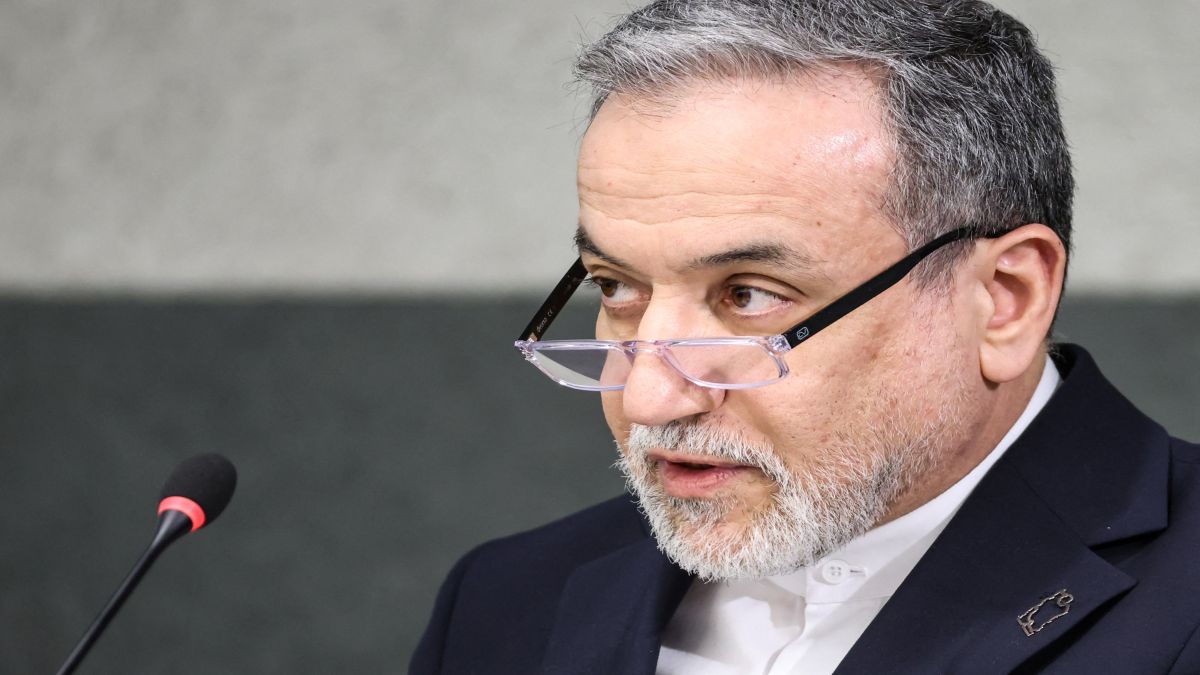 "Iran confirms ‘direct’ messages with Trump aide Steve Witkoff, but says no negotiations underway")
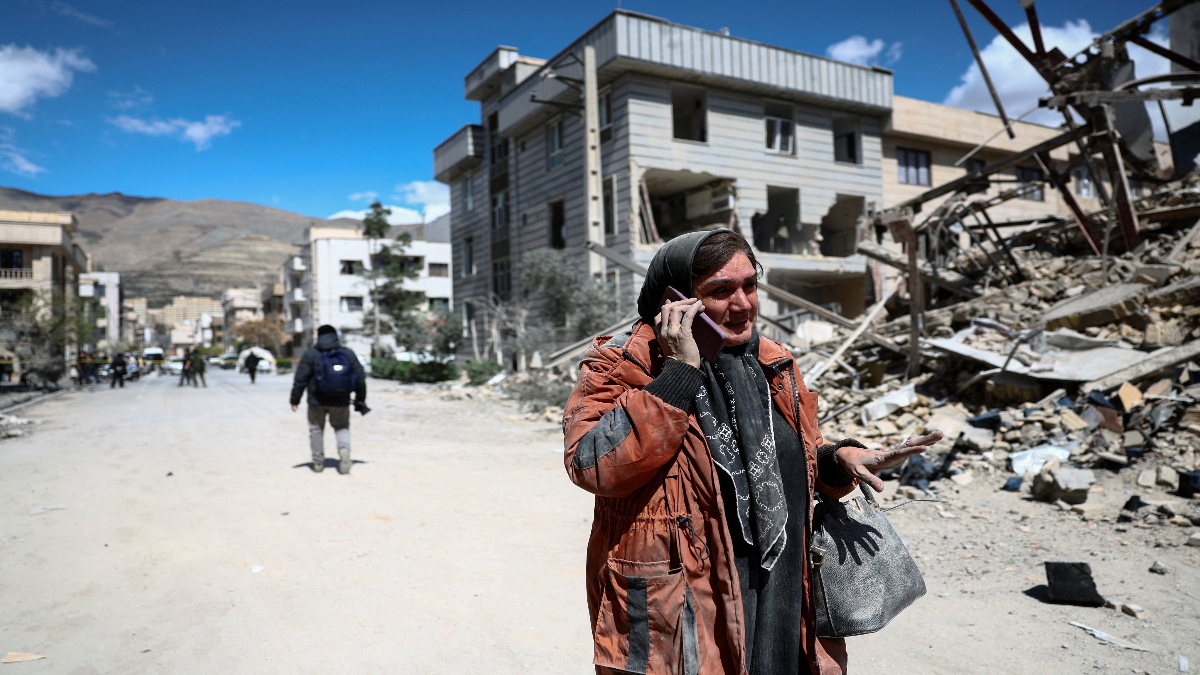 "'Campaign is not over': Netanyahu says will continue to 'crush Iran’s terror regime'")
 "Only 84 tankers crossed Strait of Hormuz in March amid Iran’s blockade")