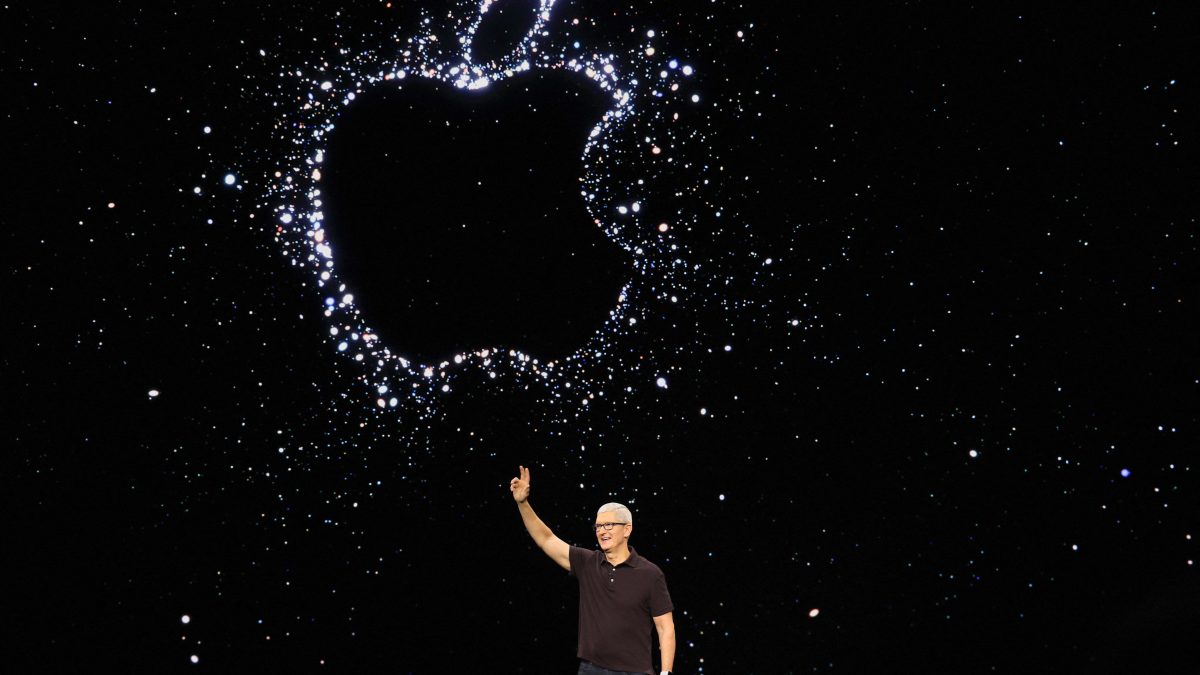
 "Apple at 50: 5 iOS updates that changed the iPhone forever")
Apple is not just about iPhones, iPads or just devices, it is much more than that. As Apple turns 50, it is worth looking beyond the hardware and into the software that quietly defined its success.
iOS, first introduced with the original iPhone in 2007, has evolved from a simple, closed interface into one of the most sophisticated mobile operating systems in the world.
Its journey has not been about constant reinvention, but about carefully chosen leaps. At key moments, Apple has reshaped how users communicate, interact, and even think about their devices. These inflection points did more than add features, they redefined what the iPhone could be.
iOS 5: When iPhone became truly personal
In 2011, iOS stopped being just a smartphone operating system and became something more human. With iPhone 4 and iOS 5, Apple introduced iMessage and Siri, which changed how users interacted with their devices.
iMessage made texting seamless across Apple devices, eliminating the friction of SMS costs and limitations. It quietly laid the foundation for Apple’s ecosystem stickiness, long before the term became mainstream.
Siri, meanwhile, was ambitious. Early versions struggled with accuracy and context, often becoming the butt of jokes. But the idea was revolutionary: talk to your phone, and it responds. Over time, Siri has become faster, more integrated, and increasingly context-aware.
With Apple Intelligence now in play, it is evolving again into a more capable assistant that can understand on-screen content and user intent more deeply.
This was the moment the iPhone began to feel less like a gadget and more like an extension of the user.
iOS 7: The visual reset
If iOS 5 changed how the iPhone behaved, iOS 7 changed how it looked and felt. Apple abandoned old design for a flat, minimalistic design that still influences the industry today with iPhone 6. My personal favourite iPhone.
The introduction of Control Center simplified quick access, while AirDrop made file sharing effortless. Touch ID added a layer of security that felt futuristic at the time and is now standard across devices.
Quick Reads
View AllNot everyone loved the redesign initially. The thin fonts and motion effects drew criticism. Yet, in hindsight, iOS 7 was necessary. It aligned Apple with a more modern, scalable design language and set the stage for future visual experimentation.
iOS 13: Rise of comfort computing
Dark Mode might seem like a cosmetic feature, but its impact was surprisingly profound. With iOS 13 (iPhone 12), Apple acknowledged something simple yet important: people use their phones everywhere, including in low-light environments.
The introduction of system-wide Dark Mode was not just about aesthetics. It reduced eye strain, improved battery efficiency on OLED screens, and quickly became indispensable for many users.
Beyond that, iOS 13 also marked a maturing of the platform. Performance improvements, faster Face ID, and refined apps showed that Apple was focusing on polishing the experience rather than chasing headline features.
It was a reminder that sometimes, the most meaningful upgrades are the ones that make daily use just a little more comfortable.
iOS 18: Apple steps into AI
With iOS 18 (iPhone 16), Apple finally made its big move into artificial intelligence with Apple Intelligence.
Unlike competitors who rushed into AI with standalone tools, Apple embedded intelligence across the system. Features like Genmoji, smart summaries, and contextual suggestions signalled a shift towards proactive computing.
This was not just about adding AI features. It was about redefining how the iPhone anticipates user needs. Privacy remained central, with much of the processing happening on-device, a key differentiator in the AI race.
iOS 18 did not feel like a complete transformation overnight, but it marked the beginning of a long-term shift. Apple’s AI strategy is still unfolding, and iOS is clearly at the centre of it.
iOS 26: A new identity for the future
With iOS 26, Apple did something rare. It changed not just the features, but the identity of the platform itself.
The new naming convention aligned software versions with calendar years, bringing consistency across Apple’s ecosystem. More importantly, it introduced the Liquid Glass design language, inspired by spatial computing.
This was the first major visual overhaul since iOS 7. Translucent layers, depth, and motion created an interface that feels more dynamic and immersive. It hints at a future where boundaries between devices blur, influenced by platforms like visionOS.
Coupled with enhanced Apple Intelligence features such as Live Translation and smarter automation, iOS 26 represents a convergence of design and intelligence.
It is not just an update. It is a statement about where Apple believes computing is headed.
Apple at 50: iOS updates that changed the iPhone forever
Looking back, these five milestones reveal a pattern. Apple rarely chases trends. Instead, it waits, refines, and then integrates technologies in a way that feels cohesive.
From making the iPhone more personal with Siri and iMessage, to redefining design, prioritising comfort, embracing AI, and reimagining its visual identity, iOS has evolved with intent.
At 50, Apple is no longer just building products. It is shaping habits. And if iOS 26 is any indication, the next chapter will be less about what your phone can do and more about what it understands.


 "Iran War Live Updates: Israel says it destroyed 40 military, industrial sites in Iran in two days")
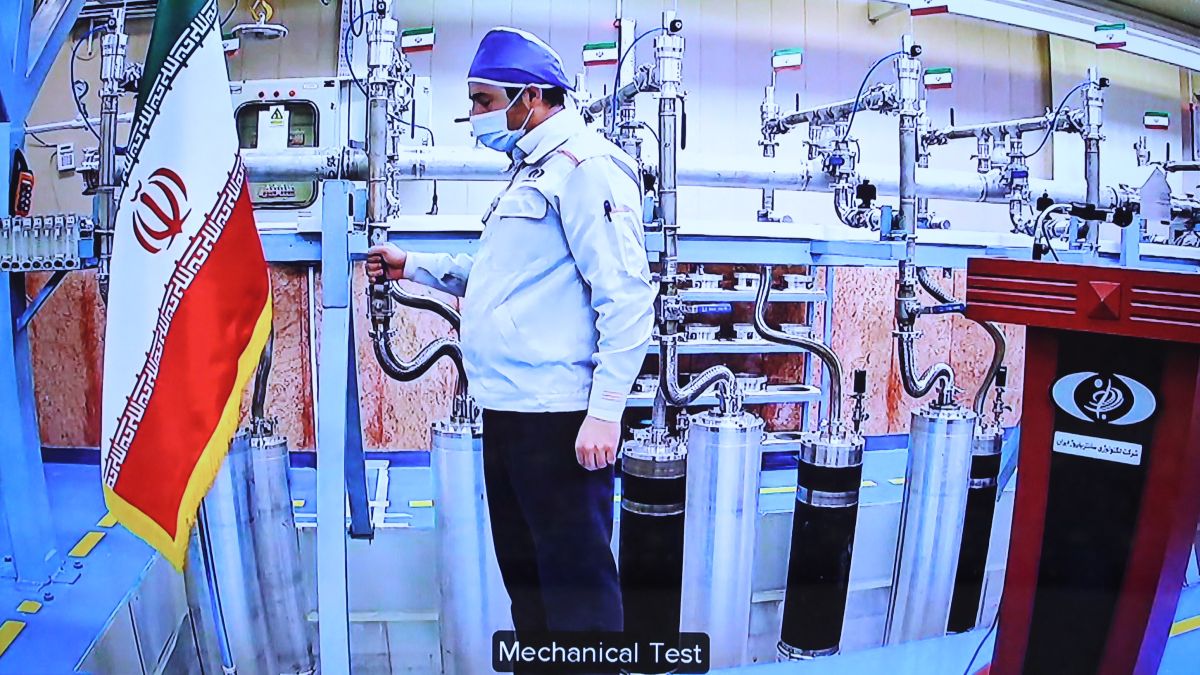 "Why Trump is eyeing Iran's uranium, and why it could prove a costly affair")
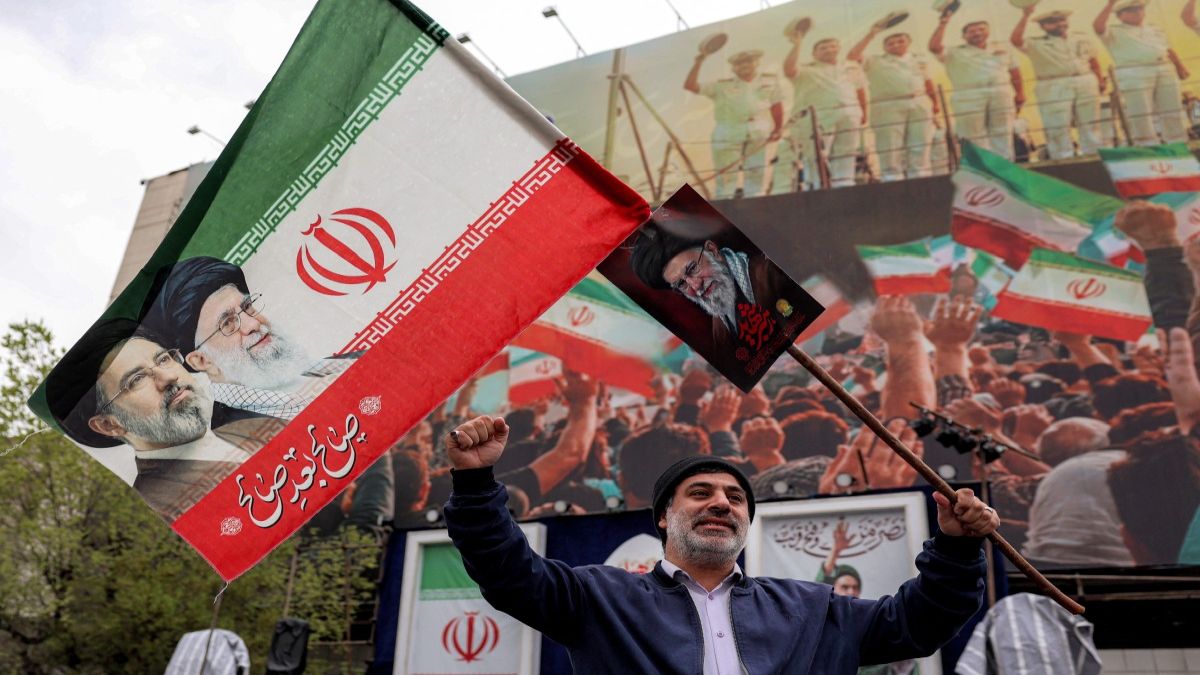 "‘India our friend, can enter mediation talks... Unsure about Pakistan’s role’: Iranian govt sources to CNN News18")
 "Indian worker killed in Kuwait: Is the Gulf becoming dangerous for expats as war escalates?")
 "Iran War Live Updates: Israel says it destroyed 40 military, industrial sites in Iran in two days")
 "Why Trump is eyeing Iran's uranium, and why it could prove a costly affair")
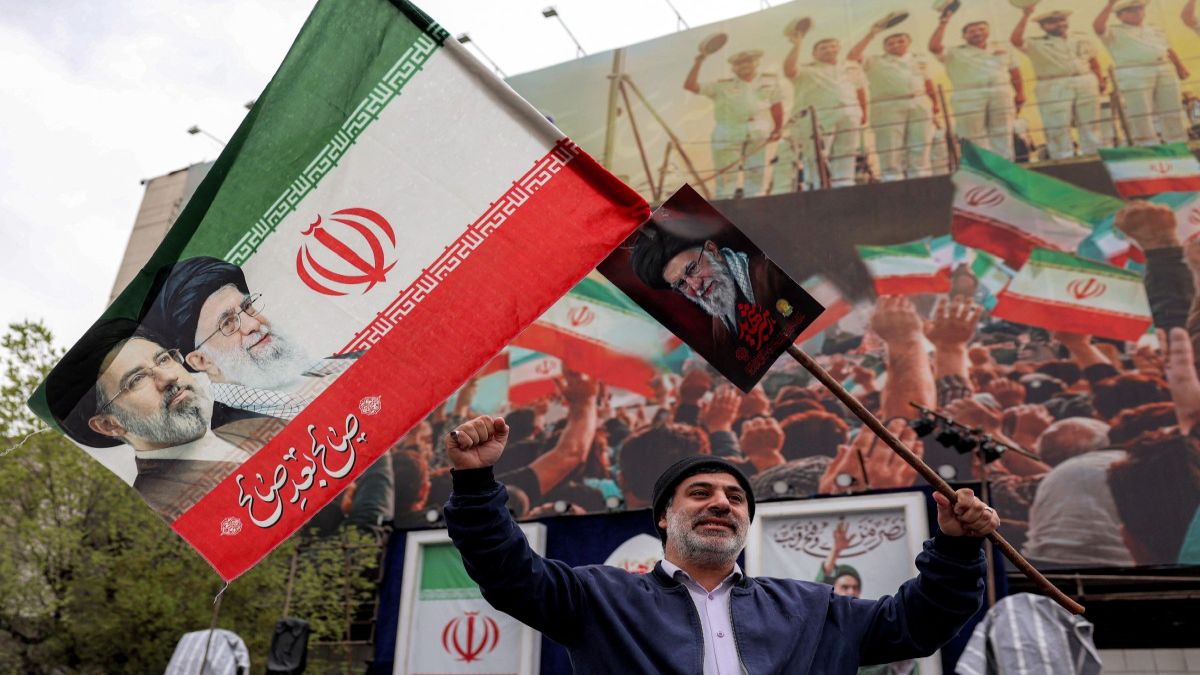 "‘India our friend, can enter mediation talks... Unsure about Pakistan’s role’: Iranian govt sources to CNN News18")
 "Indian worker killed in Kuwait: Is the Gulf becoming dangerous for expats as war escalates?")