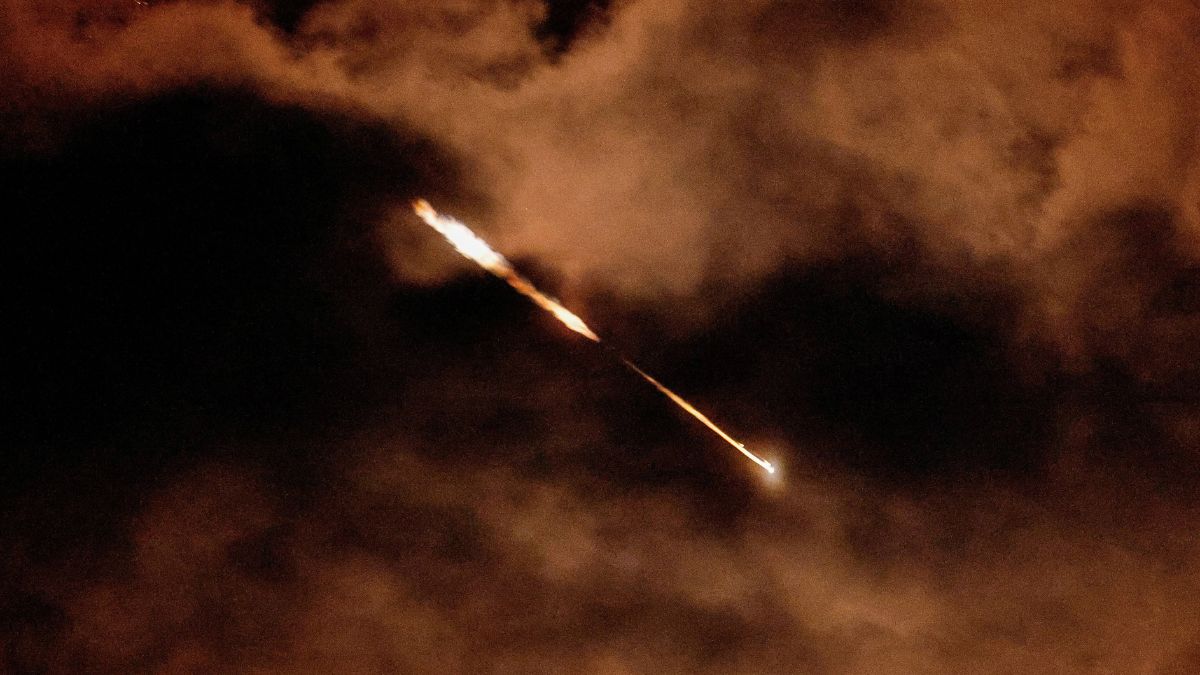
 "'I miss a peaceful night’s sleep': Tehran residents cling to fragments of normal life amid war")
As the US, Israel and Iran war enters its second month, daily life in Tehran is marked by relentless air strikes, anxiety and disruption, even as residents try to preserve a sense of normalcy.
For Fatemeh, a 27-year-old dental assistant, a brief visit to her local cafe offers a rare escape.
“When I make it to a cafe table, even for a few minutes, I can almost believe the world hasn’t ended,” she said.
“It feels like stepping out of this damn war and into an ordinary day, or at least imagining a world that isn’t filled with the constant fear of losing your life, or where you stay alive but lose a loved one or everything you have,” she told AFP.
She said that if a pause in the bombing allows her to rest, she makes an effort to dress up before stepping out. “And then I go back home, back to the reality of living through war, with all its darkness and weight,” she added.
A city holding on to routine
Residents describe a city still functioning on the surface. Cafes and restaurants remain open, and there are no shortages in supermarkets or petrol stations.
However, the reality beneath is far from normal. Since the war began on February 28 with the killing of supreme leader Ayatollah Ali Khamenei and other senior officials, Tehran has faced sustained bombardment.
Security checkpoints now line once-quiet streets, internet access is heavily restricted, and many residents tape their windows to prevent shattering during explosions.
Fear extends beyond immediate danger. Many are anxious about the future, uncertain about their livelihoods and what lies ahead as the economy deteriorates.
Quick Reads
View All‘Only thing left’ from normal life
For some, small routines have become emotional anchors.
“These days, I mostly stay at home and only go out if I absolutely have to. The only thing left from my life routine before the war that helps me keep my spirit up is cooking,” said Shahrzad, 39.
But even these moments are fragile. “Sometimes I find myself crying in the middle of it. I miss ordinary days… A life where I didn’t have to constantly think about explosions, death, or losing my loved ones.
“I try to stay strong for my daughter… But when I think about the future, I can’t form any clear picture in my mind that I can hold on to with hope.”
Despite the conflict, some residents say essentials remain available.
“There is no famine, everything is available. Cafes are open, and we still go out to cafes,” said Shayan, 40, a photographer. “There is gasoline, water and electricity.”
“But there is a sense of helplessness in all of us. We don’t know what to do and there’s really nothing we can do.
“There was no real Nowruz atmosphere at all, but we tried to force ourselves,” he added.
Missing ordinary life
For many, the loss of simple freedoms weighs heavily.
Elnaz, a 32-year-old painter, said she longs for a return to normalcy.
“We miss the simplest things, going out at night, or just being able to go to another part of the city.
“I miss something as ordinary as shopping somewhere other than the small grocery store or bakery on my street.
“I miss reading in a cafe, going to the park… all those very, very simple things.”
“And more than anything, I miss a peaceful night’s sleep.”
She described nights when the attacks are so intense it feels like “all of Tehran is shaking”.
“Everything goes back to one state – survival. Thinking only about staying alive with all the people I love. My friends, my family, and the people of my city, who look kinder than ever in this difficult time,” she said.
Living with fear and uncertainty
The war’s impact is visible across the city. Portraits of children killed in attacks are displayed in public squares, while damaged buildings are draped with national flags.
Kaveh, a 38-year-old visual artist, said debris from a missile landed near his home.
“I brought it home with me. I want to make something out of it when I get the chance,” he said.
He described a city divided between displays of support and strict security measures, with checkpoints searching cars and phones across neighbourhoods.
“If you have something to do in the city, you’ll likely pass through multiple checkpoints in a single day – each run by different groups. Cars are searched, phones are checked, and months of accumulated frustration are taken out on people at these checkpoints.
“These are just parts of our daily reality under these circumstances,” he said.
Residents say the sombre mood is deepened by unusually rainy weather, contrasting with the typical spring celebrations of Nowruz.
“In the end, for many people, the most important concern is the future of Iran and its people, and what might actually improve the situation,” Kaveh added.

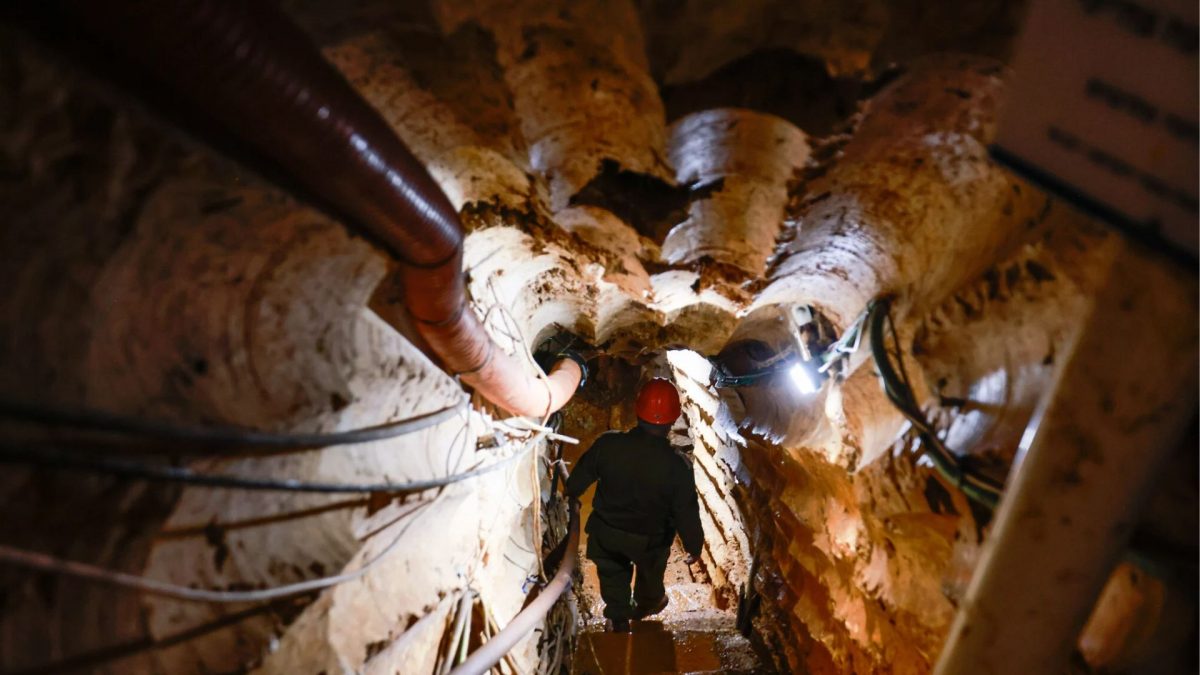 "Iran Israel War News Live: Israel says chief engineer behind Hezbollah’s secret tunnels killed in strike")
 "End of Nato? Why are European allies refusing to back Trump’s Iran war?")
 "‘Without boots on the ground, Iran’s nuclear programme cannot be destroyed’: Israeli expert to Firstpost")
 "New Delhi to host Brics FMs meet in May; Russia's Lavrov among key attendees")
 "Iran Israel War News Live: Israel says chief engineer behind Hezbollah’s secret tunnels killed in strike")
 "End of Nato? Why are European allies refusing to back Trump’s Iran war?")
 "‘Without boots on the ground, Iran’s nuclear programme cannot be destroyed’: Israeli expert to Firstpost")
 "New Delhi to host Brics FMs meet in May; Russia's Lavrov among key attendees")