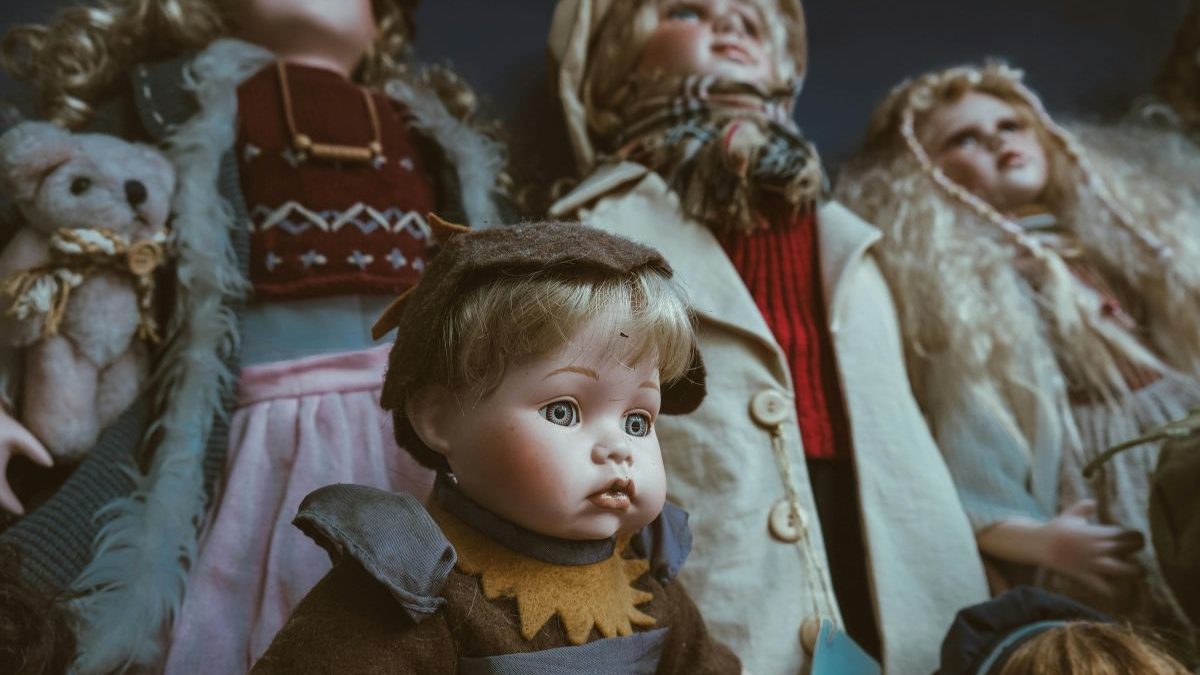
 "Never grow up: Exploring the fascinating world of hyper-realistic dolls")
In June 2025, a man in Brazil struck a four-month-old infant on the head. His explanation — that he had mistaken the child for a hyper-realistic doll — was not, given the circumstances, entirely implausible. The country was in the grip of a full-scale moral panic over reborn dolls, with thirty pieces of legislation proposed in a matter of weeks, lawmakers brandishing the dolls at press conferences, and a satirical rap song encouraging people to kick them in the street. For a cottage craft that began in American basements in the 1990s, it was quite an arrival.
The reborn doll is exactly what it sounds like: a baby doll rebuilt from the inside out to resemble, as closely as human skill allows, a real infant. The art of reborning followed a long tradition of collectors, artists, and manufacturers restoring and enhancing dolls in order to portray more realism.
It began in America in the early 1990s, when a small community of artists started stripping commercial vinyl baby dolls back to nothing and rebuilding them — adding layers of paint, inserting weighted filling, rooting hair strand by painstaking strand. For its first decade it circulated quietly among enthusiasts. Then, in 2002, the first reborn appeared on eBay, and the market cracked open. By the mid-2000s the phenomenon had attracted enough attention for television.
A Channel 4 documentary, My Fake Baby, followed British women who had formed intense attachments to their dolls, and the response — fascination mixed with unease, established the template for how mainstream culture would treat reborn collectors for the next two decades.
Quick Reads
View AllThe making of a reborn
The craft has grown considerably more sophisticated since those early days. The most prized dolls are now made from silicone rather than vinyl, a material that approximates the give and texture of real skin with unnerving accuracy. Artists paint translucent skin, insert real hair strand by strand, and add weighted bodies or heartbeat simulators. A single doll can take weeks to complete. Prices reach up to $8,000, with collectors investing further in luxury strollers, clothing, and accessories.
At the accessible end, painted vinyl versions start at a few hundred dollars, sold through online nurseries and social media pages that function somewhere between an Etsy shop and a maternity ward.
The people drawn to reborns resist easy categorisation. Many owners are simply doll collectors, while others have experienced miscarriage, stillbirth, or neonatal death, or suffer from empty-nest syndrome.
The therapeutic logic has genuine scientific grounding: studies suggest cuddling a baby releases hormones which produce a sense of emotional wellbeing, and some psychologists believe this may happen with realistic dolls.
Beyond grief, the dolls have been found to offer comfort to people living with PTSD, Alzheimer’s, dementia, and autism. The art world has taken notice too — the photographer Jamie Diamond devoted two bodies of work to documenting these attachments, photographing collectors in tender, quotidian moments that insist, quietly but firmly, that the rites of care carry their own meaning regardless of what fills the onesie.
When the internet got involved
Social media, of course, transformed the scale of everything. TikTok in particular gave the community a vast new audience and a new generation of participants, with billions of views accumulated under reborn-related hashtags. It also brought a new intensity of scrutiny.
Online nurseries staging elaborate adoption rituals attracted millions of followers, and with them waves of hostility. Collectors faced accusations of misappropriating infant formula and baby supplies during shortage periods, and persistent suggestions that the hobby was a symptom of mental illness rather than a legitimate form of art or play.
The community pointed out, with some force, that the same behaviour in a man — collecting figures, staging elaborate role-plays, spending thousands on a passion, would barely raise an eyebrow.
From convention halls to parliament
Which brings us back to Brazil. Around 30 bills were introduced across the country, ranging from proposals to deny reborns public healthcare to measures preventing collectors from claiming priority in service queues.
The bills were overwhelmingly proposed by right-wing and far-right politicians, with analysts noting the timing was hardly coincidental, arriving as Brazil’s leading far-right figure faced trial for an attempted coup. A closer examination found the laws were largely banning things that were not actually happening. The panic, in other words, was more political theatre than public emergency — but its consequences were real enough.
The market, meanwhile, keeps growing. The global collector doll market is expected to reach $14 billion in 2025. Conventions draw thousands. A new generation of collectors, many of them teenagers, is discovering the hobby through short-form video and expanding it well beyond its origins — fantasy reborns, werewolf babies, alien infants sitting alongside the hyper-realistic newborns that started it all.

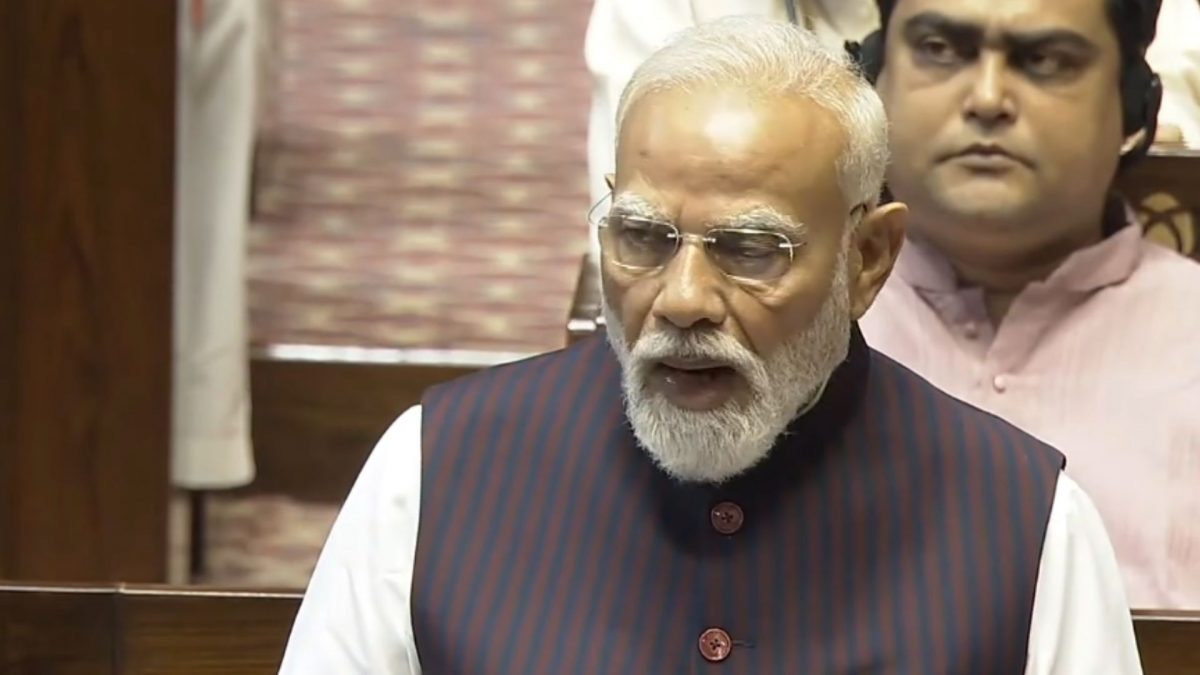 "Iran Israel War News Live: PM Modi to chair high-level security review meet on West Asia crisis today")
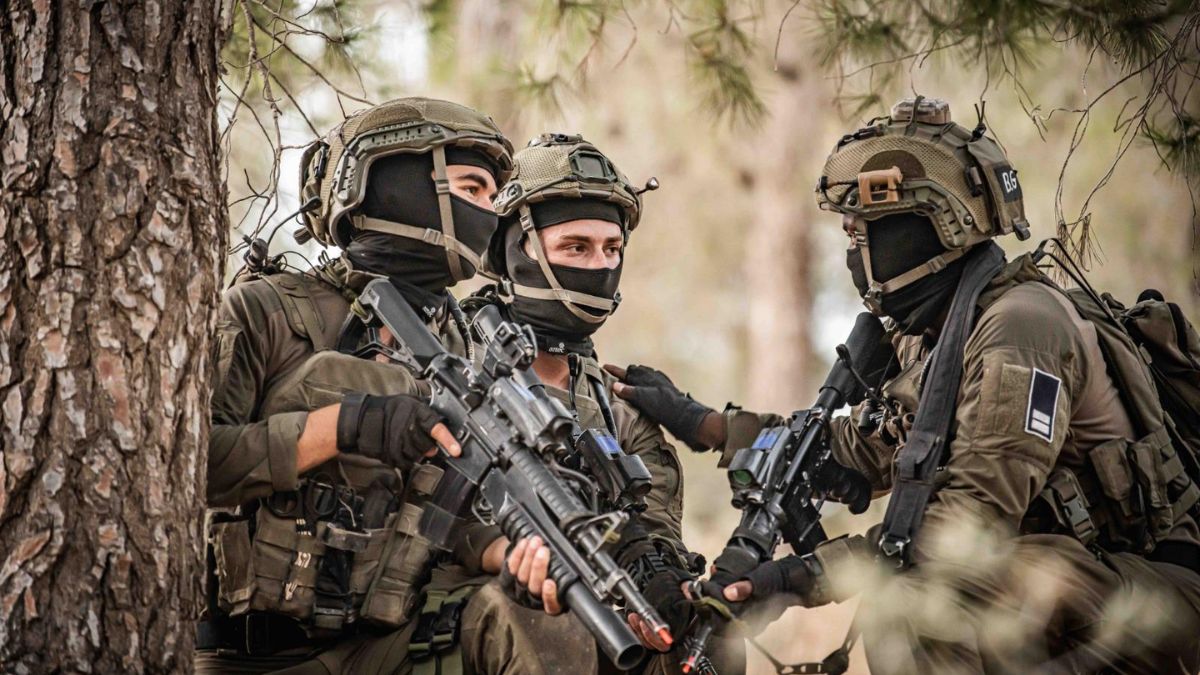 "‘Without boots on the ground, Iran’s nuclear programme cannot be destroyed’: Israeli expert to Firstpost")
 "Explained: What’s new as India carries out its first digital census?")
 "Balen Shah’s rise is a setback for old-guard politics, but can rebellion actually govern Nepal?")
 "Iran Israel War News Live: PM Modi to chair high-level security review meet on West Asia crisis today")
 "‘Without boots on the ground, Iran’s nuclear programme cannot be destroyed’: Israeli expert to Firstpost")
 "Explained: What’s new as India carries out its first digital census?")
 "Balen Shah’s rise is a setback for old-guard politics, but can rebellion actually govern Nepal?")