 "How the relentless scroll reclaims your mind's reign")
We’ve all been there: a fleeting moment of boredom morphs into an hour-long trance, thumb a blur, eyes glazed over by the relentless parade of 15-second spectacles. The vibrant, ephemeral world of short-form video has seamlessly woven itself into the very fabric of our waking lives, a constant, sparkling companion.
A recent, groundbreaking study dares to pull back the curtain, revealing the unseen tax this digital dalliance levies on our most precious cognitive asset: the power of focus, the unwavering gaze of executive control.
Imagine, for a moment, the prefrontal cortex, that elegant, forward-thinking CEO of your brain — as a maestro conducting an intricate symphony of thought. This conductor, responsible for our ability to reason, to plan, to resist immediate gratification, and most crucially, to focus amidst chaos, relies on a subtle, rhythmic pulse of electrical activity: theta waves. These are the very hum of self-regulation, the authority that allows you to choose a long-term goal over a momentary whim, to filter out the cacophony of distraction and zero in on what truly matters.
What the scientists discovered is a chilling testament to the power of our digital habits. When they asked participants — a cohort of bright, young minds navigating their early twenties, to perform tasks demanding focused attention, they found a stark and troubling correlation. Those who confessed to the highest tendencies toward short-form video addiction exhibited a marked diminution in this crucial theta wave activity. It was as if the maestro, instead of robustly guiding the orchestra, was playing a muted, hesitant tune. The brain’s vital machinery for executive control, when called upon to exert itself, simply wasn’t firing with the same vigour.
Quick Reads
View AllThis is general cognitive fog. The quietude in the prefrontal cortex was notably absent when the participants were simply resting. The brain, in its idle state, appeared normal. It was only when confronted with the imperative to engage, to discriminate, to resist interference — the very actions antithetical to passive, rapid consumption, that the tell-tale sign of diminished neural power emerged. This suggests something profound: it’s not that the capacity for focus is entirely lost, but rather that the willingness or the readily available mechanism to activate it under pressure has been subtly undermined.
Think of it like a finely tuned athletic muscle. If you constantly engage in quick, explosive bursts but never hold a sustained pose, that specific endurance starts to wane. Similarly, the brain, habitually trained on a diet of rapid-fire stimuli that demand little sustained effort, begins to let its executive control “muscle” atrophy. When the environment provides instant gratification with zero cognitive lift, why should the brain bother with the laborious work of concentration?
The implications are far-reaching, extending beyond a mere inability to read a dense novel. This executive control network is the bedrock of learning, of problem-solving, of navigating complex social interactions, and indeed, of personal self-mastery. The study further cemented this by revealing a direct link between increased video addiction and lower self-control scores. It paints a picture of a vicious cycle: the more we surrender to the addictive allure of the scroll, the weaker our inner governor becomes, making it even harder to break free from the very habit that erodes our mental strength.
In a world increasingly demanding nuanced thought and sustained engagement, the decline of the work our prefrontal cortex can do poses an existential threat to our intellectual resilience. The vibrant, fleeting beauty of short-form video, it seems, comes with an unseen tax, a levy on the very focus that defines our capacity for deeper thought, for meaningful creation, and for the sustained pursuit of a life lived with intention.

 "PM Modi Israel Visit Live Updates: PM Modi pays respect at Holocaust memorial, to meet President Herzog shortly")
 "Has Iran rebuilt its nuclear programme as US claims?")
 "Trump vowed to end Ukraine war in 24 hours, but he still can’t — Putin’s maximalist goals to blame?")
 "India vs Zimbabwe: Why Chepauk could boost Samson; Axar in contention for must-win clash")
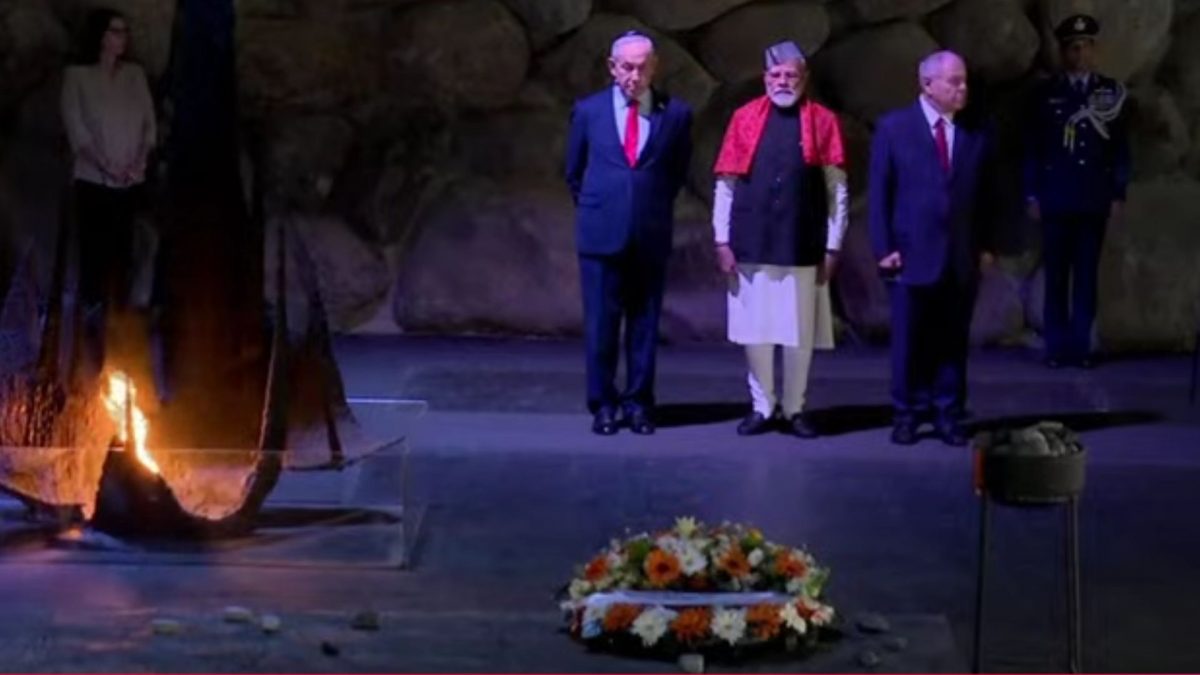 "PM Modi Israel Visit Live Updates: PM Modi pays respect at Holocaust memorial, to meet President Herzog shortly")
 "Has Iran rebuilt its nuclear programme as US claims?")
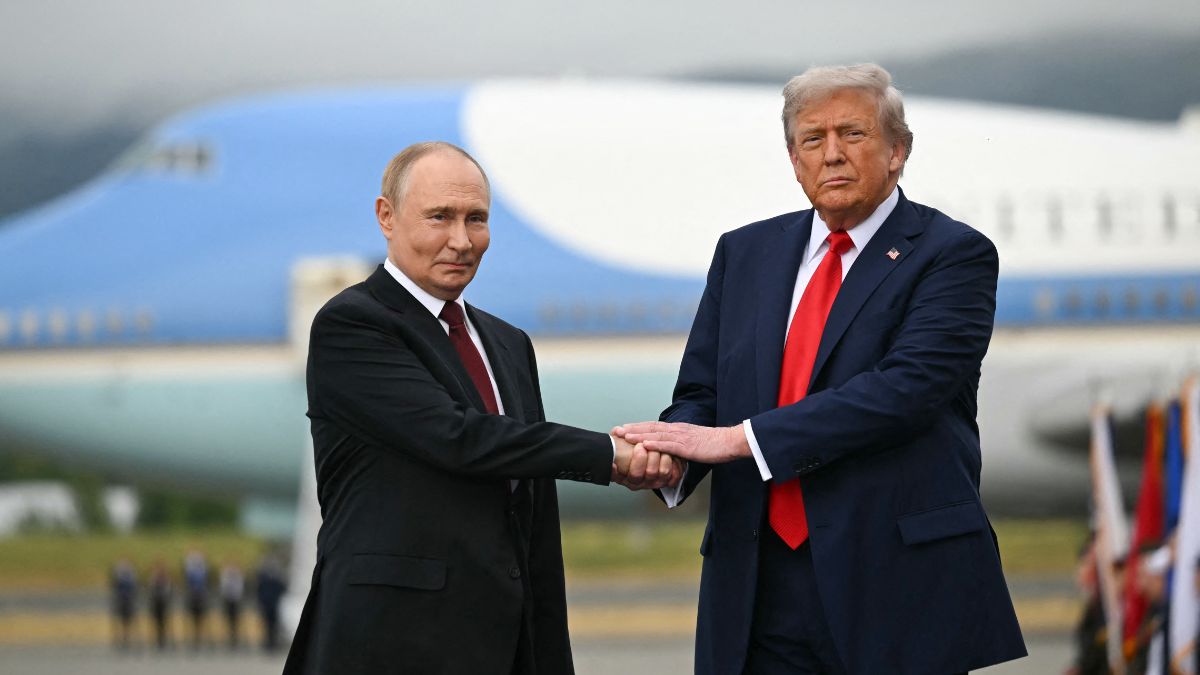 "Trump vowed to end Ukraine war in 24 hours, but he still can’t — Putin’s maximalist goals to blame?")
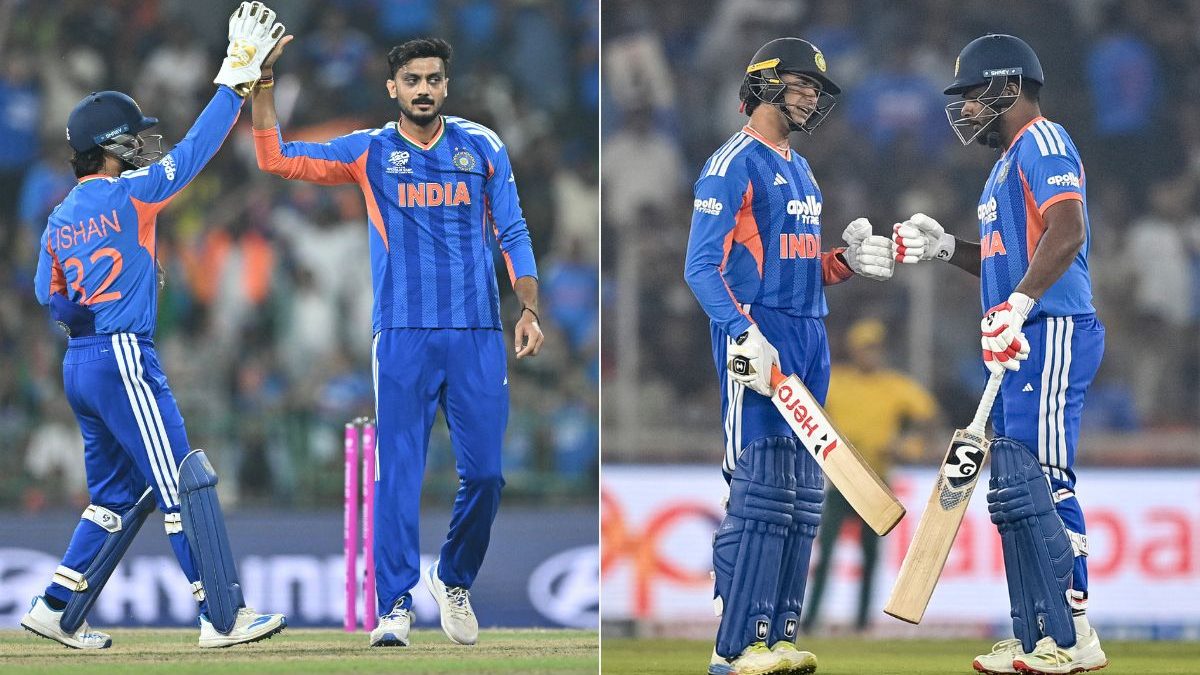 "India vs Zimbabwe: Why Chepauk could boost Samson; Axar in contention for must-win clash")