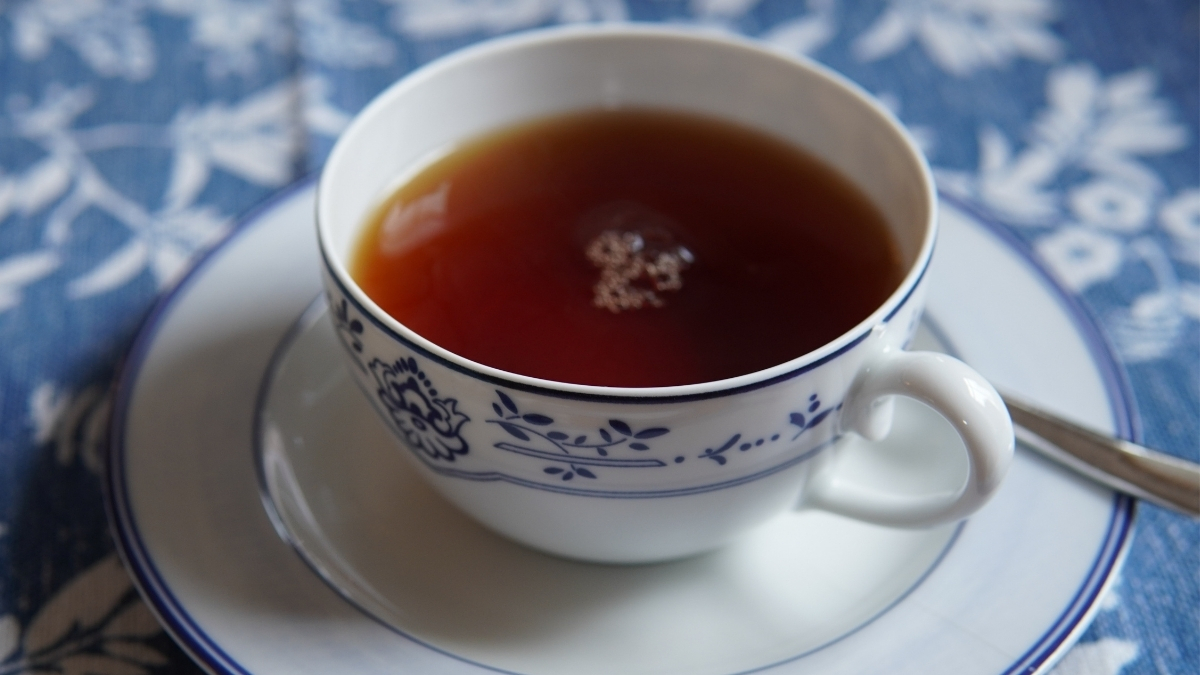
 "Which country is the tea capital of the world — and how did it earn the title?")
If tea had a capital, it would be China. Not just because tea was first brewed there thousands of years ago, because today, China produces more tea than the rest of the world combined.
In 2024, the country accounted for more than half the global tea production, firmly securing its place at the heart of the world’s tea culture.
China is the world’s largest tea producer, contributing over 3 million metric tons annually, nearly half of the global total with tea planting areas covering over 64% of the global total as per latest available estimates.
History of tea culture in China
Tea in China is not simply a beverage; it is way of life. From mist-covered mountain plantations to bustling urban teahouses, tea shapes daily routines, social rituals and regional identities. Green tea, which China dominates globally, is especially woven into everyday consumption, prized for both flavour and precieved health benefits.
What truly sets China apart is the scale and diversity of its tea landscape. The country’s western provinces- Yunnan, Sichuan, and Guizhou have emerged as the powerhouse of production, together supplying more than a third of all Chinese tea.
Association of Asian Studies reports that tea may first have been consumed in China as a beverage as early as 4,000 years ago, and by the classical-era, tea was served as a refreshing stimulant that facilitated seated Buddhist meditation.
Its association with Buddhism enabled tea to shape Chinese elite tastes and ultimately much of Asian culture.
Yunnan, known as the birthplace of tea, recently became the nation’s largest tea-producing province, reinforcing the region’s growing influence.
Meanwhile, the eastern provinces of Fujian, Anhui, and Zhejiang continue to define quality and tradition. These areas are famous for distinctive teas that attract tourists, collectors, and everyday drinkers alike.
Quick Reads
View AllTea tourism in China
Tea tourism, from plantation walks to hands-on tasting sessions, has become a popular lifestyle experience, blending travel, wellness, and heritage.
China’s dominance is also driven by demand at home. While global trade tensions may effect certain export markets, domestic consumption continues to rise, cushioning the industry from external shocks.
Tea remains a staple across generations, enjoyed plain, ceremonial or reinvented in modern cafés.
In a world that drinks tea every day, China stands out not just for producing the most but for living tea.


 "PM Modi Israel Visit Live Updates: PM Modi explores tech expo, to visit Holocaust memorial on Day 2")
 "Explained: The significance of Yad Vashem, Holocaust memorial, Modi is visiting in Israel")
 "India vs Zimbabwe: Why Chepauk could boost Samson; Axar in contention for must-win clash")
 "Trump vowed to end Ukraine war in 24 hours, but he still can’t — Putin’s maximalist goals to blame?")
 "PM Modi Israel Visit Live Updates: PM Modi explores tech expo, to visit Holocaust memorial on Day 2")
 "Explained: The significance of Yad Vashem, Holocaust memorial, Modi is visiting in Israel")
 "India vs Zimbabwe: Why Chepauk could boost Samson; Axar in contention for must-win clash")
 "Trump vowed to end Ukraine war in 24 hours, but he still can’t — Putin’s maximalist goals to blame?")