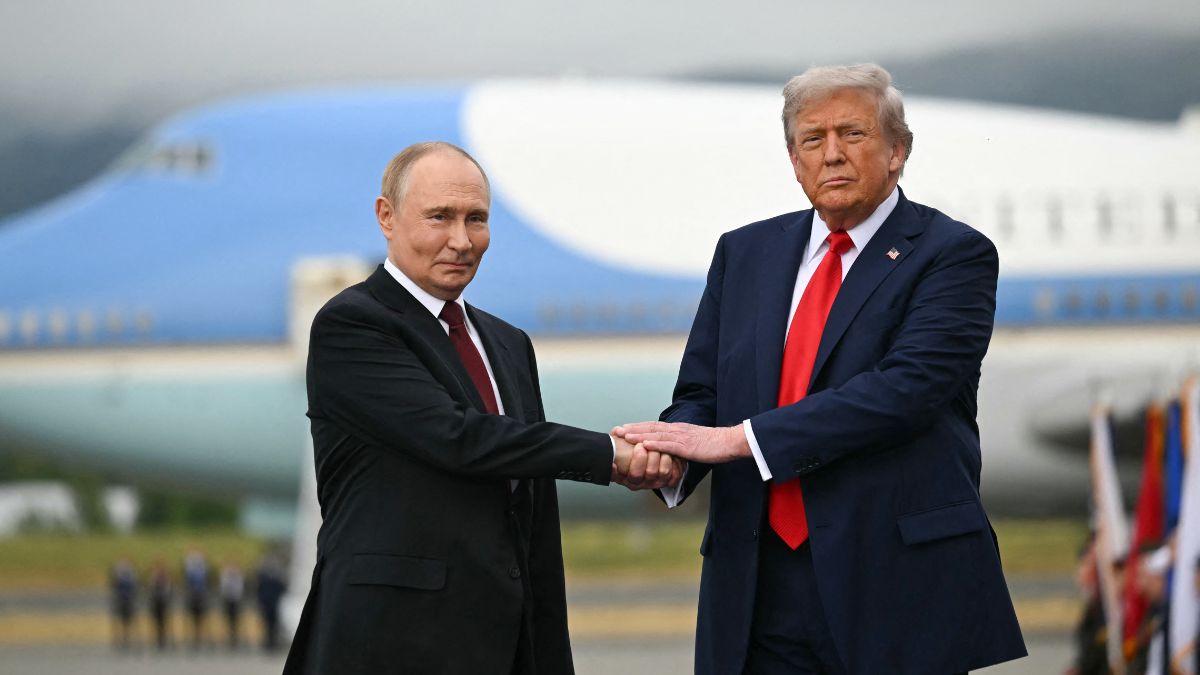
 "Trump vowed to end Ukraine war in 24 hours, but he still can’t — Putin’s maximalist goals to blame?")
US President Donald Trump had promised to end the Ukraine war within 24 hours of taking office. Yet more than a year into his term, the peace process remains a non-starter as Russian leader Vladimir Putin maintains that his key demands be addressed, giving him more time to pursue his maximalist goals. The impasse has prompted questions about whether the administration has a coherent strategy to end the war — or even a clear understanding of the conflict.
The Kremlin has consistently stated that the war will continue until Ukraine accepts Russian terms, but Trump has refused to punish Putin for his unwillingness to seek an end to the conflict. Instead, he has repeatedly pressured Ukraine —by suspending aid, attacking President Volodymyr Zelenskyy with false accusations, and bolstering anti-Ukraine far-Right forces across Europe —into accepting Russian demands.
In the clearest indication that Trump wants the war to end as quickly as possible, showing readiness to reposition the US’s stance on Ukraine’s security, he floated a 28-point proposal last year that many analysts termed essentially a Russian wishlist. After Ukraine and European partners pushed back, the proposal was revised into a 20-point plan. But Putin rejected it — not the first time. He has rejected previous Trump-endorsed proposals whereas Ukraine has accepted all of them.
Zelenskyy has said that Trump wants a deal by June and linked this to the upcoming midterm elections — Republicans are widely expected to lose the elections.
Quick Reads
View AllTrump’s pressure campaign against Ukraine may partly reflect electoral calculations ahead of the midterms, but it also goes beyond politics and ties into his personal ego, according to Nicholas Lokker, an Adjunct Fellow for the Transatlantic Security Programme at the Center for a New American Security (CNAS).
As Trump has persisted with a carrots-and-sticks approach — carrots for Russia and sticks for Ukraine— that has yielded no progress, Lokker believes the administration does not appear to have a coherent strategy at all.
“As long as President Putin does not seem to demonstrate true interest in making a deal other than one that would accomplish his maximalist goals, I think the war will continue to be more or less a stalemate. Moreover, the Trump administration has not really demonstrated much evolution in its approach to negotiations, so it doesn’t appear that there is a coherent strategy for changing President Putin’s calculus in a way that would make an acceptable deal feasible,” says Lokker.
Has Trump misunderstood the nature of Russia-Ukraine war?
Trump observers say his worldview is primarily about business. But for Putin, it is not.
For Putin, the Russian war on Ukraine is not about geopolitics but about ideological commitment to the Russian nation that the Soviet Union exemplified. His critics say Putin has not reconciled with the collapse of the Soviet Union.
Putin has always sought to restore the Soviet Union, and all of his actions —such as the consolidation of power in Russia, the invasions of Georgia and Ukraine, and the political subjugation of Belarus— form part of a broader project to restore Soviet greatness and reclaim a sphere of influence lost with the fall of the Soviet Union, according to Kseniya Kirillova, a Russia analyst at the Jamestown Foundation.
“Negotiations with Putin are only possible from a position of strength. If the West opts for concessions and compromises, he will never stop because war has become the principal foundation of his regime,” says Kirillova.
According to Kirillova, the war has become Putin’s primary tool for consolidating domestic authority, distracting the public from economic stagnation and a lack of political freedoms. Beyond domestic control, she says he has doubled down on a mission to “unify the Russian lands” — an ideological pursuit detached from reality.
ALSO READ: With Russia’s terms to Ukraine, Putin seeks surrender — not a peace deal
Trump’s remarks on the Ukraine war and efforts to end it reflect some gaps in how he perceives the nature of the conflict. His approach —relying on pressuring Zelenskyy to concede some of Putin’s demands in pursuit of a quick deal— is often questioned by European leaders and geopolitical experts, who say this is unlikely to bring genuine peace, even if it results in some form of agreement.
Kirillova says that Putin is interested in a temporary pause in the war because continuing it would require him to make unpopular decisions such as launching another round of mobilisation and increasing military expenditure — steps Russia can ill afford.
However, any deal would require Ukraine to make concessions, and this is where Putin is counting on Trump to deliver him a victory — not only in the present conflict but for the future as well.
“Realistically, Ukraine will be forced to make certain concessions, but that would only be advisable under two conditions: Ukrainian statehood is preserved and the West provides clear security guarantees. Without these conditions, President Putin could resume the war within a few years regardless of any concessions he receives now, as he is compelled to continue fighting in order to maintain his domestic grip on power,” Kirillova tells Firstpost.
The Ukraine-Russia divide deepening despite Trump’s efforts
At the heart of the failure of peace efforts lies Trump’s inability to bring the two sides to agree to a ceasefire pending final resolution of conflicting points. He has positioned himself as a master mediator, but his Ukraine peace efforts put a question mark on his claim. Some critics now see Trump as a conduit for Putin’s maximalist demands. Over the past year, the more Trump has offered, the more Putin has demanded.
In December, Putin rejected even Trump’s 22-point proposal, which contained almost his entire wishlist. He said that anything less than the absolute acceptance of all his terms —not merely most of them but all— would mean Russia would “liberate its historical lands by military means”.
Russia would only end the war off the battlefield if any agreement addressed the “root causes of the conflict” on its terms, Putin further said.
The differences between Russian and Ukrainian positions are fundamental and Trump is doing nothing to bridge them, making negotiations unlikely to progress anytime soon, according to Lokker.
“President Trump’s demands —parroting those of Russia— that Ukraine agree to surrender territory are a non-starter for Ukraine, and I don’t see that changing. Meanwhile, I don’t see Russia backing down from this demand unless additional military or economic pressure were to change President Putin’s calculus. As long as this fundamental difference in positions cannot be bridged, I think negotiations will remain stuck,” says Lokker.

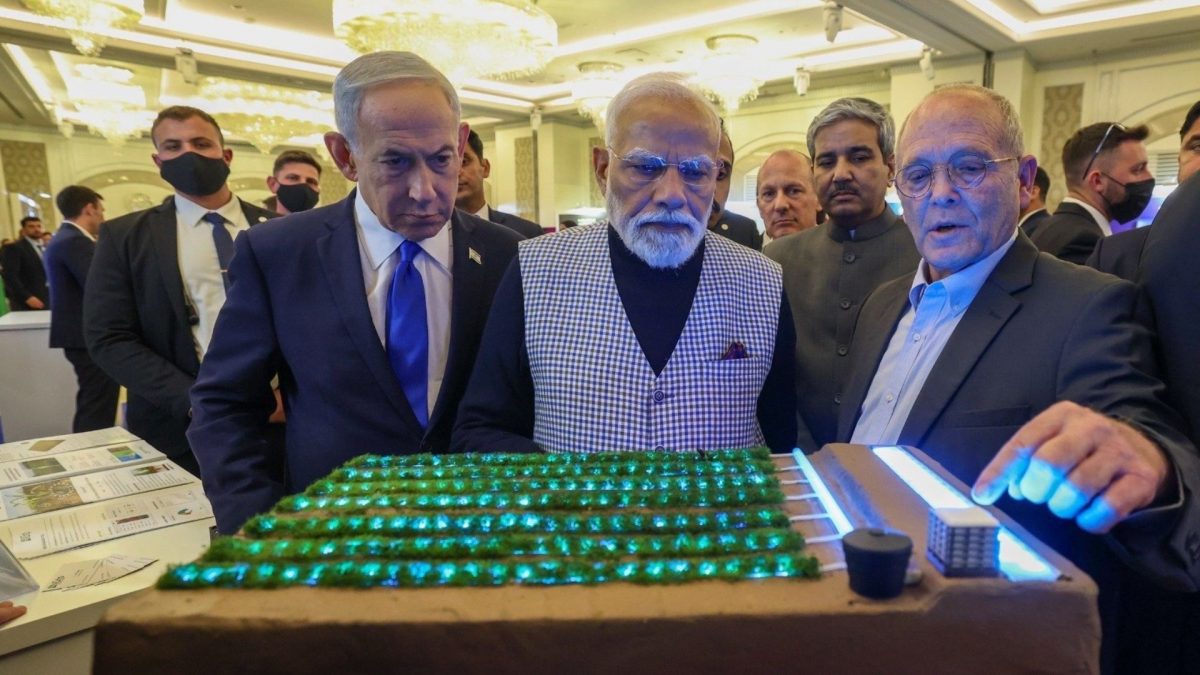 "PM Modi Israel Visit Live Updates: PM Modi explores tech expo, to visit Holocaust memorial on Day 2")
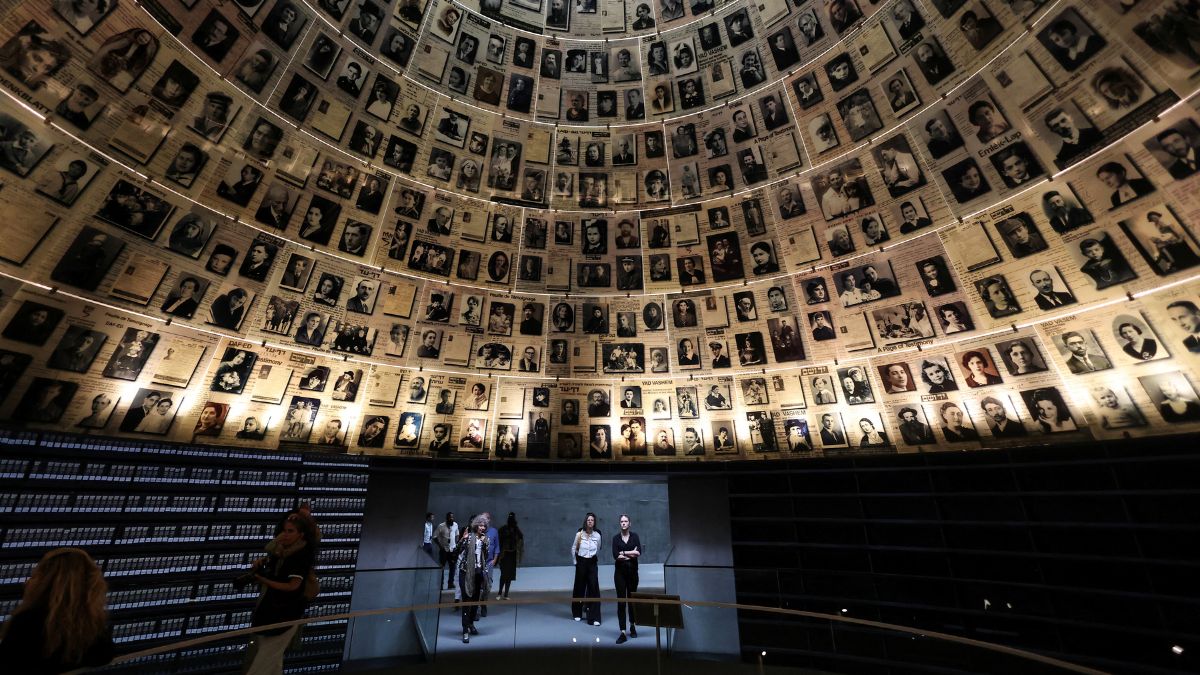 "Explained: The significance of Yad Vashem, Holocaust memorial, Modi is visiting in Israel")
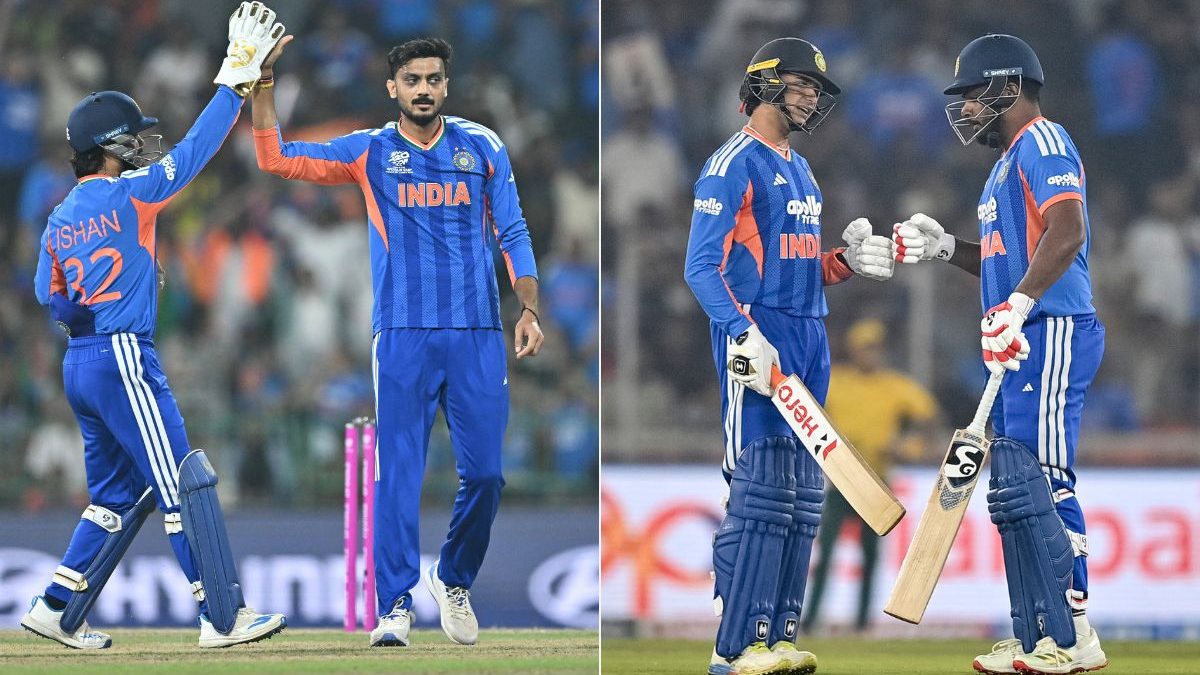 "India vs Zimbabwe: Why Chepauk could boost Samson; Axar in contention for must-win clash")
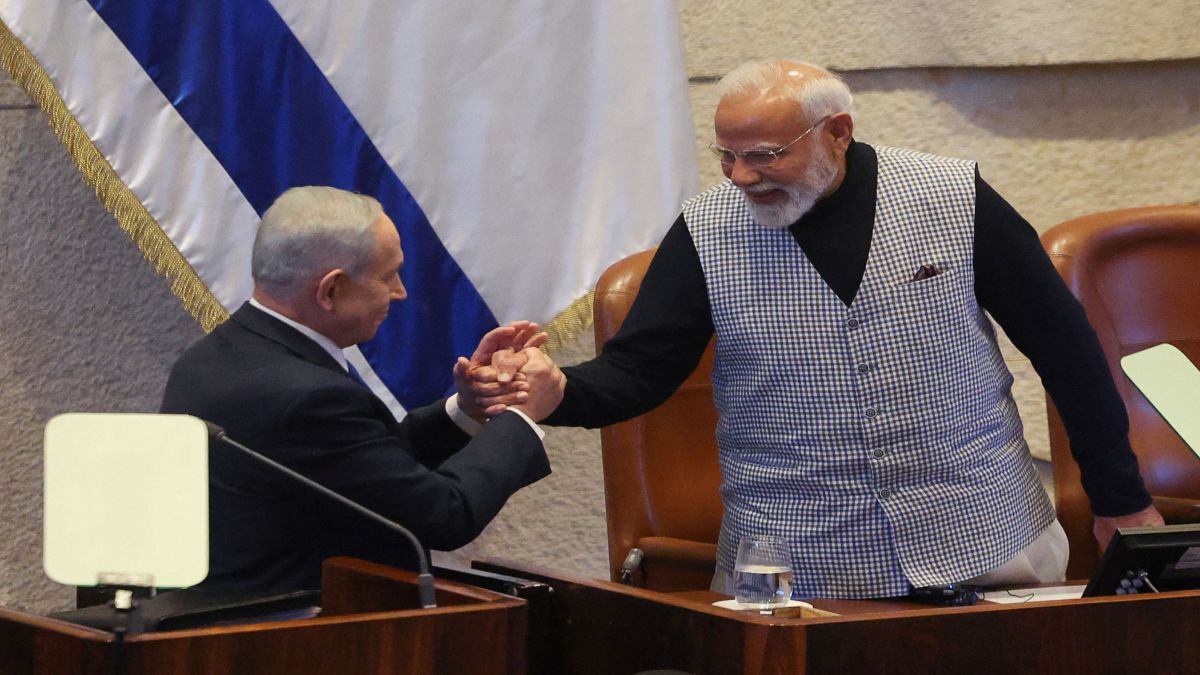 "From tadka dal, thepla & dhokla, PM Modi's private dinner in Israel celebrates the best of Indian comfort food")
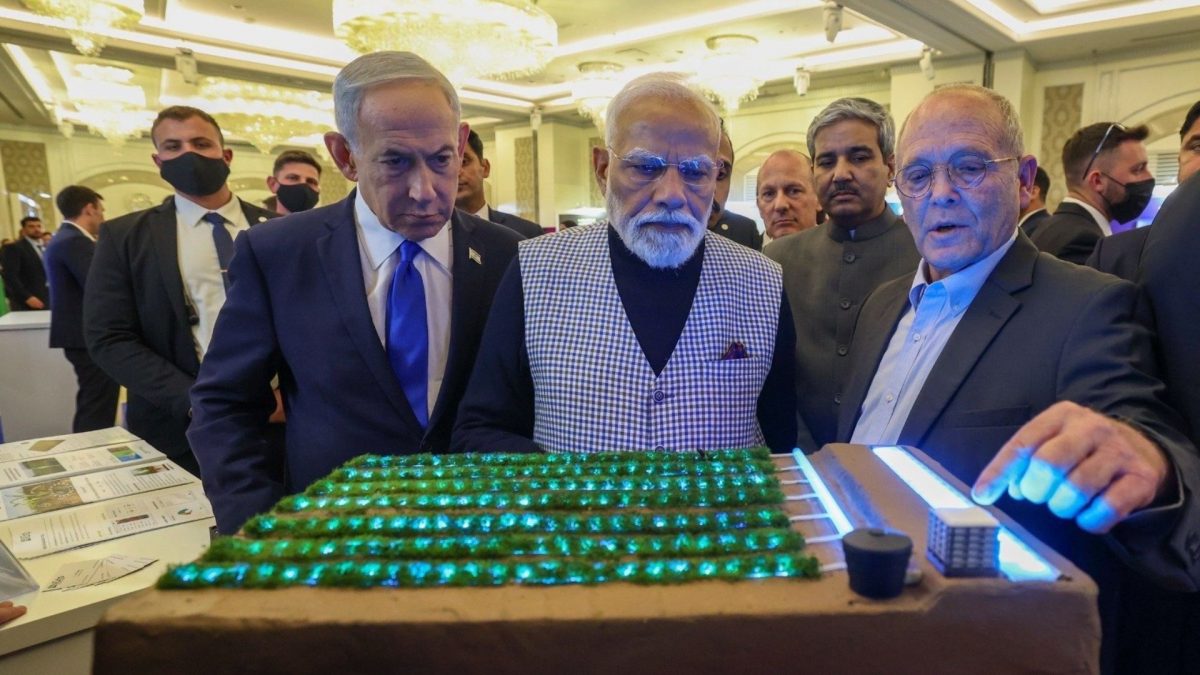 "PM Modi Israel Visit Live Updates: PM Modi explores tech expo, to visit Holocaust memorial on Day 2")
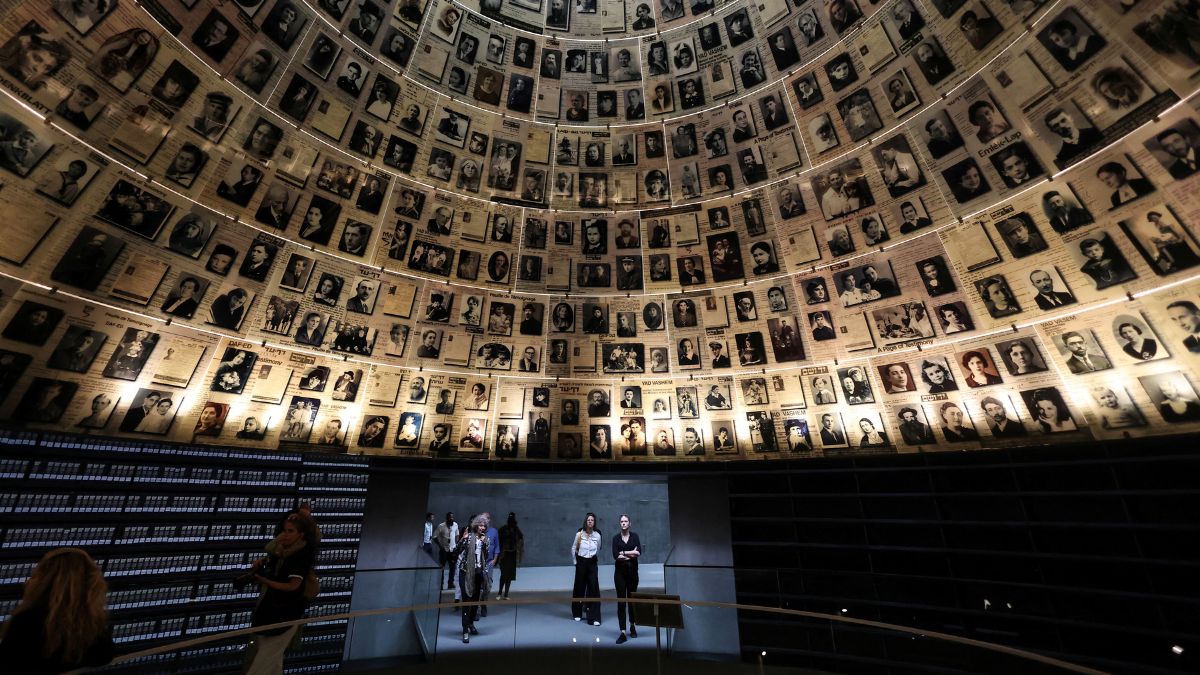 "Explained: The significance of Yad Vashem, Holocaust memorial, Modi is visiting in Israel")
 "India vs Zimbabwe: Why Chepauk could boost Samson; Axar in contention for must-win clash")
 "From tadka dal, thepla & dhokla, PM Modi's private dinner in Israel celebrates the best of Indian comfort food")