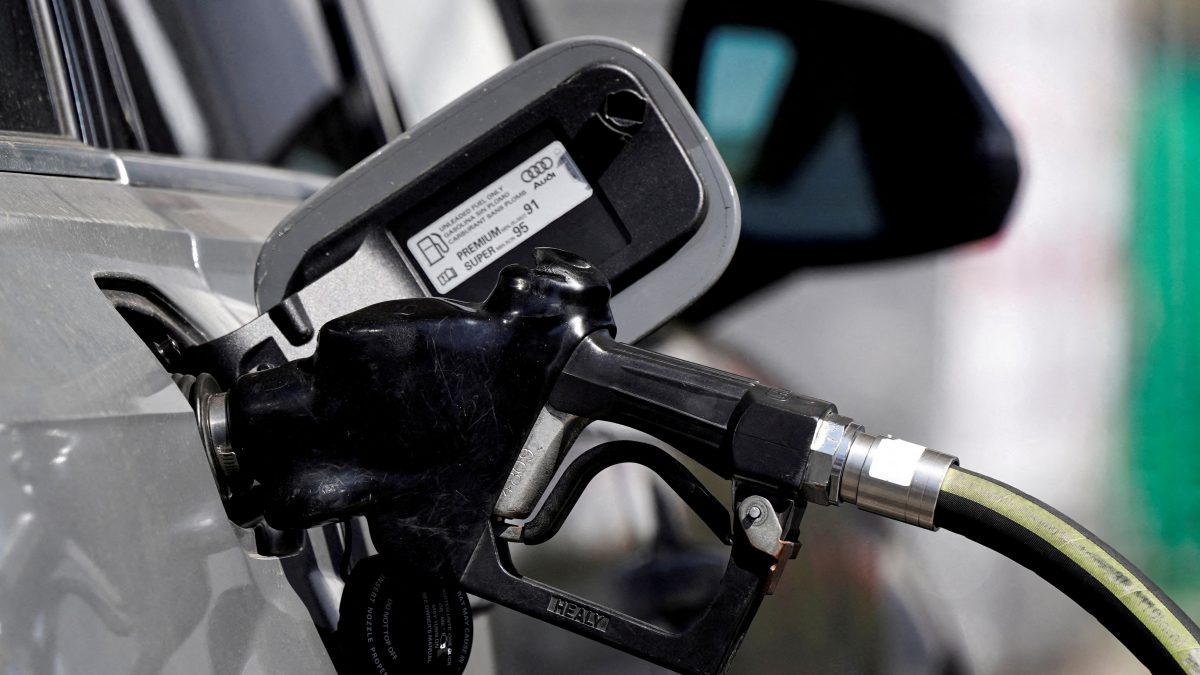
 "US gasoline prices cross $4 mark after four years as Iran war disrupts global oil supply")
The average price of gasoline in the United States has surged past the psychologically critical $4 per gallon mark for the first time in four years, as escalating conflict involving Iran continues to disrupt global energy supply chains.
According to data from GasBuddy, retail fuel prices have climbed sharply following the outbreak of hostilities between the U.S., Israel, and Iran in late February. The spike has been driven largely by Iran’s effective closure of the Strait of Hormuz—a critical maritime chokepoint through which nearly a fifth of global oil supply passes.
The latest surge mirrors price movements seen in 2022 after Russia’s invasion of Ukraine, when oil markets were similarly rattled. Since the current conflict began, U.S. gasoline prices have jumped by approximately $1.06 per gallon, a 36 per cent increase, reflecting the rapid escalation in crude oil prices.
U.S. benchmark crude futures settled at $102.88 per barrel on Monday and have continued to climb amid fears of prolonged supply disruptions. Market jitters intensified further after reports of an oil tanker attack near Dubai, raising concerns over the safety of energy shipments in the region.
For American households, the impact is already being felt. A Reuters/Ipsos poll found that 55 per cent of respondents reported at least some financial strain due to rising fuel costs, with over one-fifth describing the impact as severe. Higher gasoline prices, often the most visible indicator of inflation for consumers, are also influencing sentiment and spending behavior.
The surge in fuel prices has emerged as a political challenge for President Donald Trump, who had pledged to lower energy costs and boost domestic production during his second term. Instead, his administration is navigating a volatile mix of geopolitical tensions and market instability, just months ahead of crucial midterm elections.
Quick Reads
View AllIn response, the administration has introduced temporary measures, including a waiver of the Jones Act, allowing foreign vessels to transport fuel between U.S. ports. However, industry experts believe such steps will have only a limited effect in offsetting rising prices.
Despite the current spike, some analysts expect the crisis to be relatively short-lived compared to 2022. “We anticipate prices could begin easing in the coming weeks,” said Pavel Molchanov of Raymond James, noting that previous spikes lasted significantly longer.
Still, the trajectory of fuel prices will largely depend on developments in the Middle East. Any further disruption in oil flows could push prices even higher, prolonging the strain on consumers and adding fresh uncertainty to the global economic outlook.


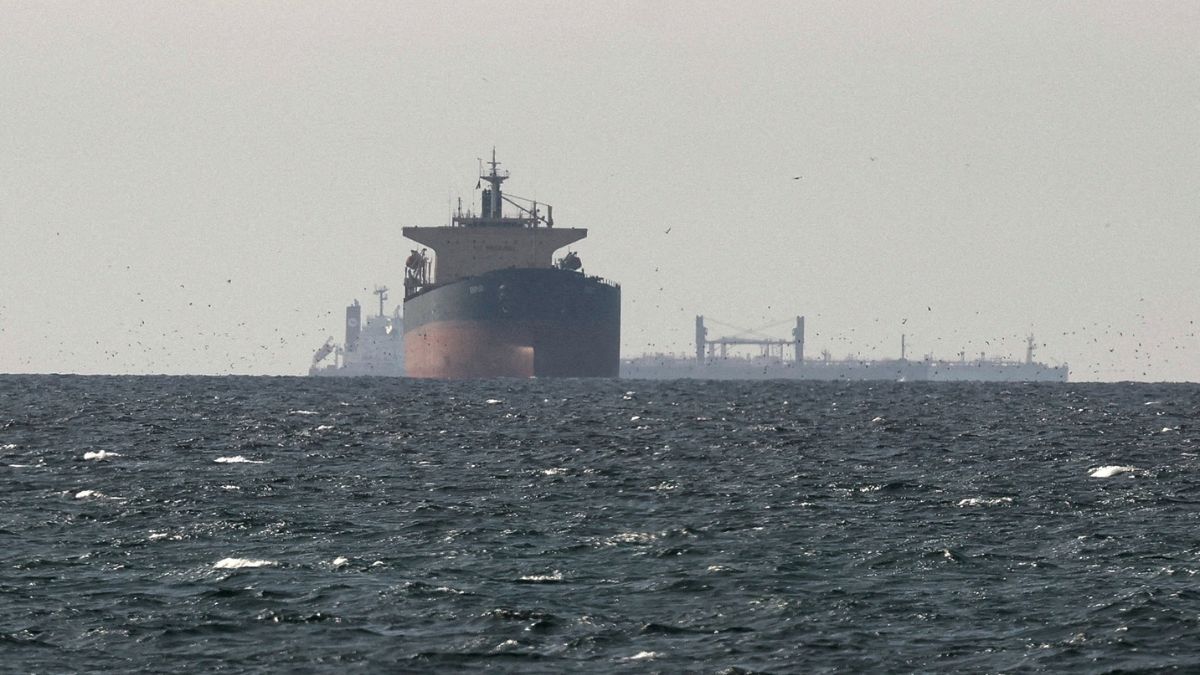 "Iran War Live Updates: Chinese ships cross Strait of Hormuz on second attempt amid tensions")
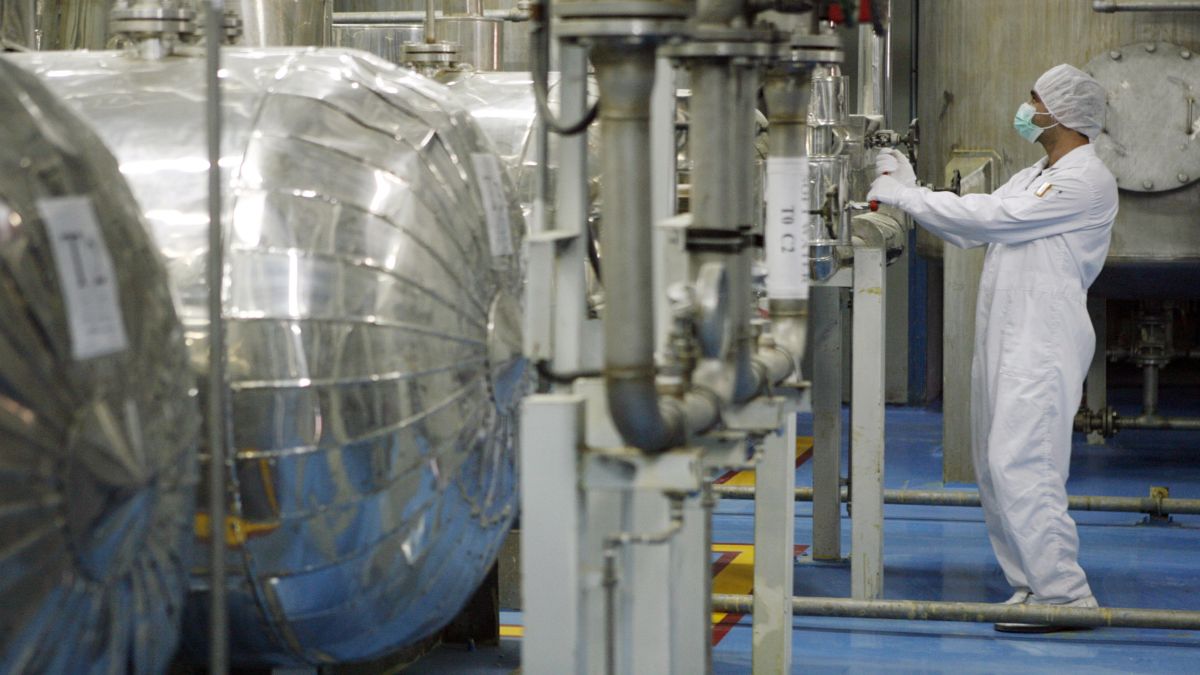 "Inside Isfahan, the city home to Iran’s nuclear facilities, hit by US bunker busters")
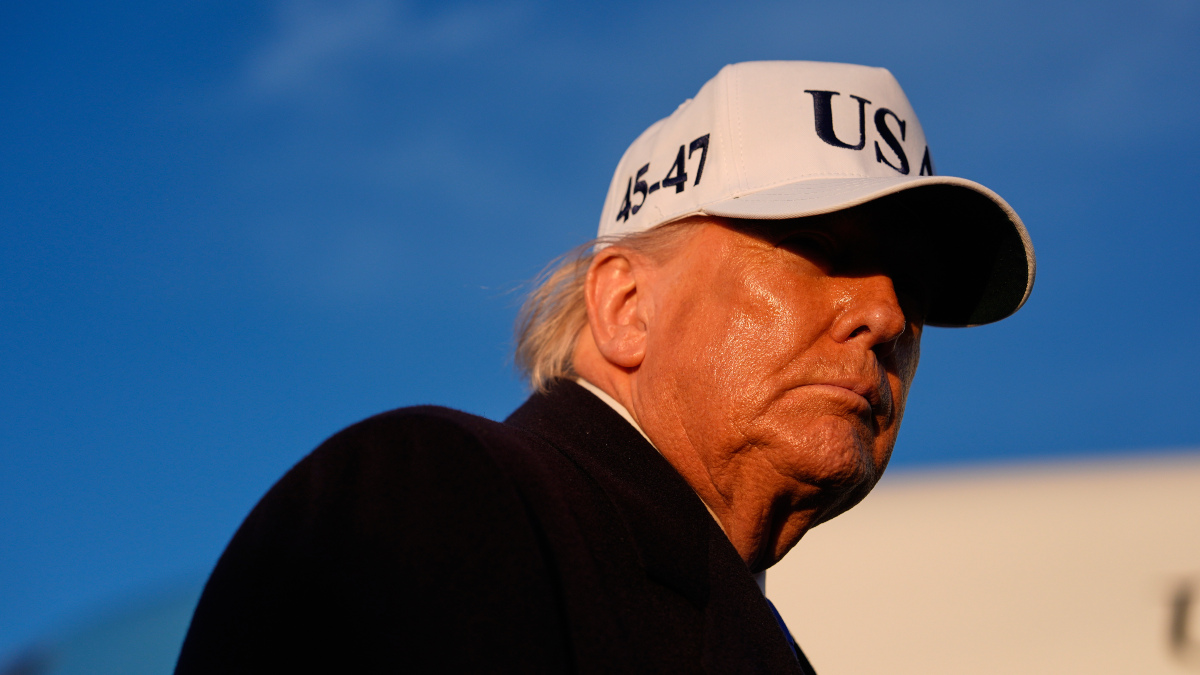 "Trump has hinted 12 times that Iran war will end. So, why hasn’t it?")
 "Masood Azhar’s brother Tahir Anwar dies in Pakistan under mysterious circumstances, says report")
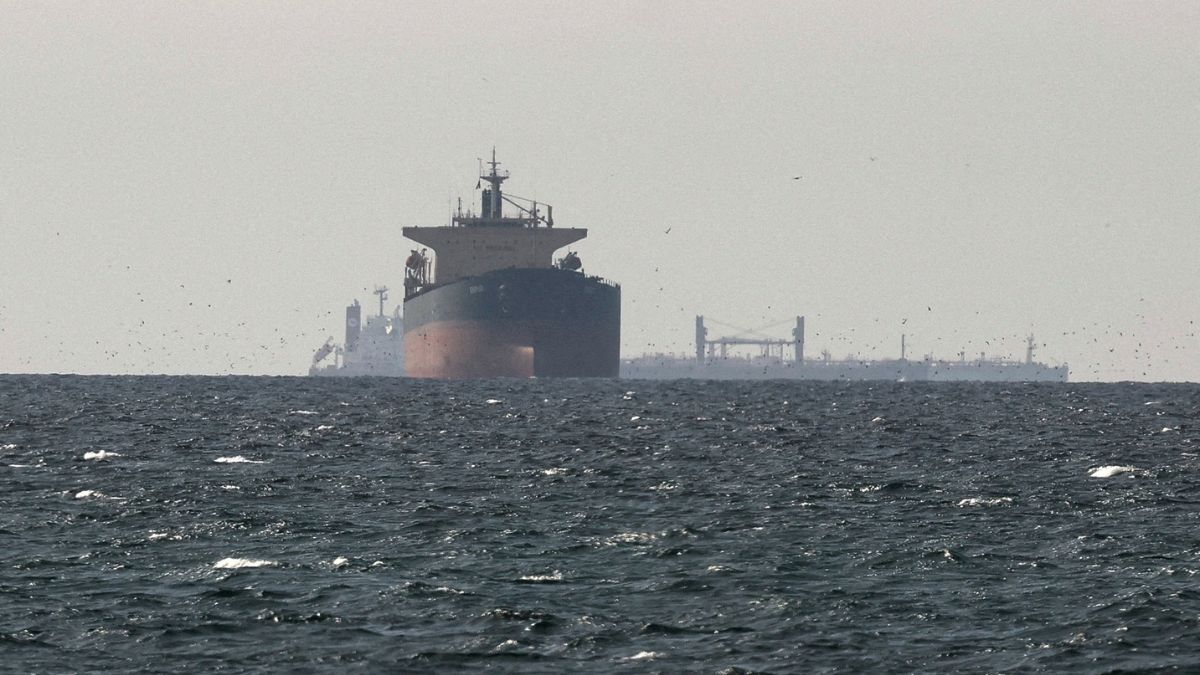 "Iran War Live Updates: Chinese ships cross Strait of Hormuz on second attempt amid tensions")
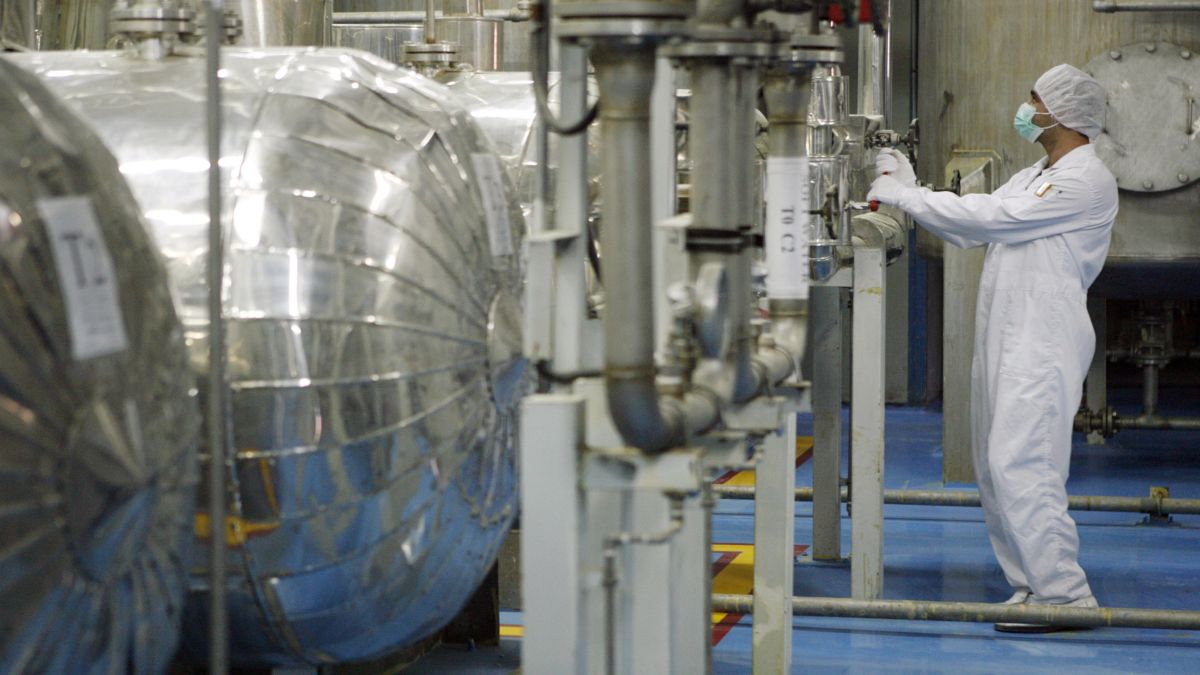 "Inside Isfahan, the city home to Iran’s nuclear facilities, hit by US bunker busters")
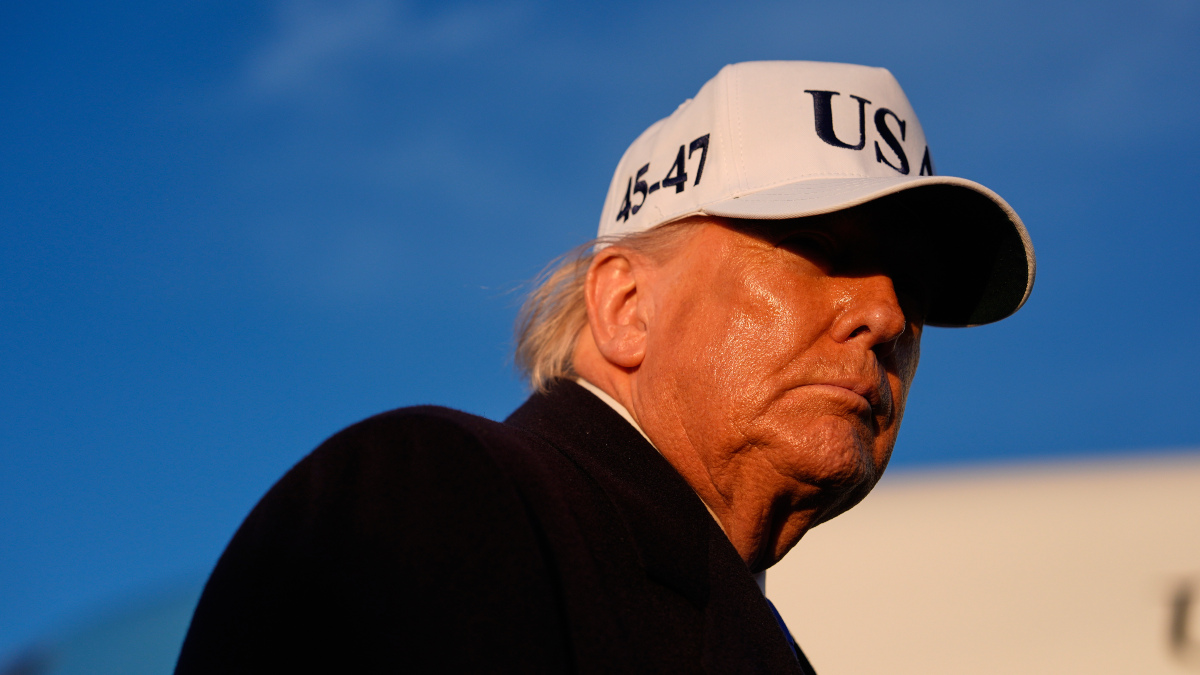 "Trump has hinted 12 times that Iran war will end. So, why hasn’t it?")
 "Masood Azhar’s brother Tahir Anwar dies in Pakistan under mysterious circumstances, says report")