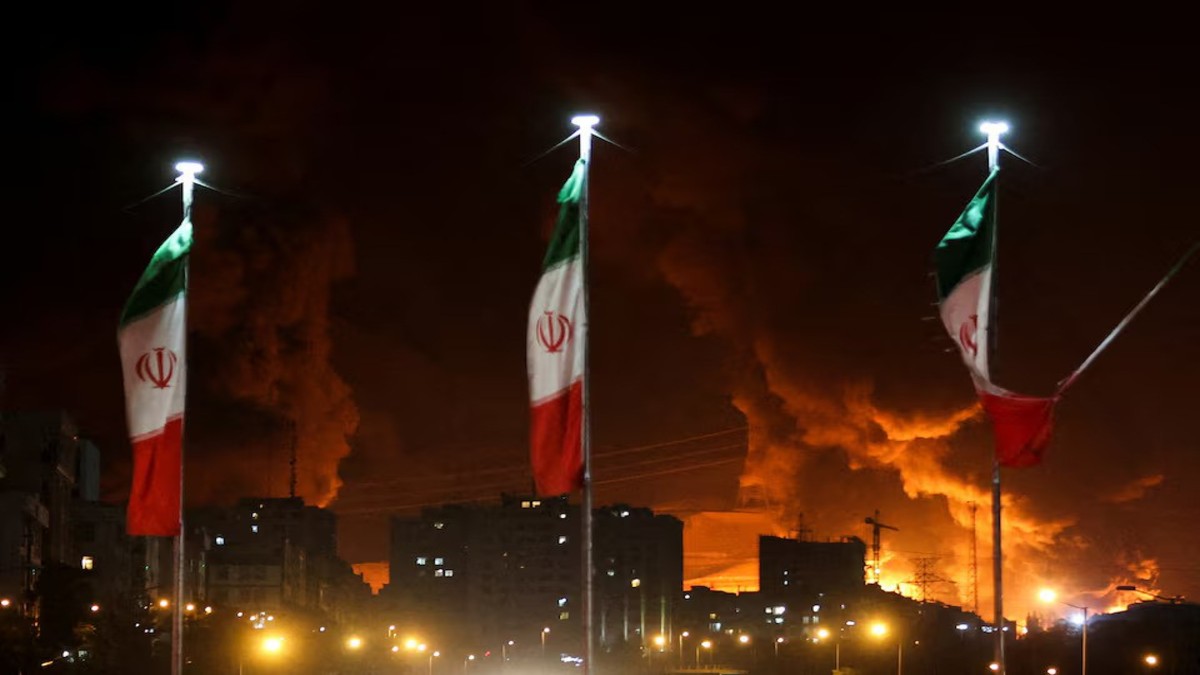
 "How the Iran war is a losing game for America — and for all")
On February 28, the United States and Israel attacked Iran, completely junking the nuclear negotiations that went into two rounds this time and almost neared an agreement with Tehran ceding a lot of ground in the bargain. As admitted by Secretary Marco Rubio, Israel, which feels that any agreement between the US and Iran, like the nuclear deal, will leave the perceived existential threat intact, was in any case determined to derail it.
Hence, US President Donald Trump was played once again with the repeat of the same playbook as in June 2025. The first casualty of the attacks this time, AI-driven or due to outdated data, was the killing of over 160 innocent girls at the Minab school, providing Iran ammunition against the US and Israel for perpetrating war crimes. No wonder the UN Human Rights Council chief has insisted on expediting the investigations.
Although the UN has remained on the sidelines of this war between the two sides wanting to decimate the other for nearly five decades, the only statement or resolution that was passed was at the behest of Gulf countries, who are suffering collateral damage, co-sponsored by 135 countries, including India, but with the abstention of China and Russia.
After June 2025 – the 12-day bloody yet managed blitzkrieg between both sides – Iran has maintained that if it is attacked again, it will close the critically strategic Strait of Hormuz and attack US and Israeli bases and assets in the region despite the Gulf majors pleading with Trump not to go down the disastrous path. But Trump had no strategy except never-ending threats, and much superior firepower got him into a bind as Tehran refused to surrender except on their terms. There are plenty of those targets, which Iran continues to attack.
Quick Reads
View AllHence, Trump’s surprise that the Islamic regime undertook such attacks and continues to do so only smacks of the naivety of the US strategy, if at all there was one to begin with. As such, like the shifting goals in the nuclear negotiations, the war objectives of the US got mired in the proverbial hall of mirrors.
Iran, on the other hand, had a well-planned survival and exacting strategy of decentralised command structure embedded in the Mosaic Defence strategy and Scorch the Earth tactics for the neighbourhood, which could be converted into guerrilla warfare should boots on the ground be contemplated by the Americans. Washington, despite the military advice, has not abandoned the idea of ground invasion as a couple of thousand fatigued marines and expeditionary forces are brought in.
Iranians have been studying various American interventions and Israeli decapitation strategy for years and preparing their responses and strategy. Therefore, despite US-Israeli military and technological superiority and air and naval dominance, as well as tall claims of decimating the Iranian capability and hopes for internal revolt, the Islamic Revolutionary Guard Corps (IRGC) has continued to fight and inflict damage on the adversary.
No doubt Iran eventually may be no match to US firepower, but their strategy is not to win but to try and survive as a nation and make the victory for the enemy extremely costly and unaffordable. Their proxy blood brothers in Hezbollah and now Houthis have also jumped into the fray against Israel. These multifront Israeli wars, even if still popular with 70 per cent of Israelis, are causing stress in the Israeli Defence Forces (IDF) and the civilians alike, questioning Benjamin Netanyahu’s decision and intelligence about the Iranian resilience and survivability as they are trying to marshal more reservists.
Even though the Iranians may not be thinking of the day after, especially in the regional context, the continued attacks on US bases and civilian targets and infrastructure in the zero-sum game will make their modus vivendi extremely difficult and polarised. The quest for a unified security architecture has been smashed for good, at least with the current political structures in Iran. Deep-seated trust deficits and direct attacks will provide the much-sought-after advantage to the US and directly to Israel, which is neither happy with the US-Iran agreement of any kind nor the continuation of the Islamic regime.
No wonder the US-Iran talks mediator, Foreign Minister Hamad Al Busaidi, wrote in The Economist, ‘America had “lost control of its own foreign policy” and accused Israel of persuading Trump into a “grave miscalculation” and a “catastrophe”.’ Even as Washington may call and claim victory, notional or real, the global pain of these brash and so-called bold and illegal strikes will be real for years to come.
As such, while his Make-America-Great-Again (Maga) constituency is voicing concerns about Trump getting mired in forever wars with direct impact on their daily lives, Trump is the first president with the lowest approval ratings during a war. A recent CBS survey shows 66 per cent of Americans believe conflict with Iran is a war of choice, 60 per cent disapprove of the US military action against Iran, and 57 per cent of Americans think that conflict is going badly or somewhat badly. Hence, Trump is trying hard also to find a victorious off-ramp.
Disrupted supply chains and new strategic equations will have their own dynamic since the US is fast losing its credibility, friends and followers due to unilateral actions and insensitive and insulting remarks against countries and their leaders. But President Trump, despite having no or a highly diffused strategy, indulges in bravado when he claims, ‘When this excursion in Iran is completed, we’ll have a much safer world.'
Iran is a serious threat to West Asia and to the world. Everybody agrees with me.” Who everybody is except the courtiers remains a gaping guess. No doubt many of the Gulf countries, like the UAE and Saudi Arabia, despite strategic restraint, will be forced to side with and support the US and ipso facto Israel when the final shove comes to a real push. On the other hand, Oman and Qatar and even Kuwait feel that Iran and its 90 million people will remain neighbours and have to be dealt with accordingly and not through direct or complicit confrontation with the US. These regional fractures will once again make the region even more vulnerable to big and middle power competition.
A much-weakened Iran could help establish Israeli supremacy and hegemony, which is reflected in Trump’s push to Saudi Arabia to join the Abraham Accords – his pet project to ensure the security of Israel. But distrust for Israel, especially at the grassroots level across the Arab and Muslim world, is no less. But they suffer from the Hobson’s choice.
Countries like China and Russia, or for that matter India, currently the chair of Brics, are finding it difficult to tread the strategic pathways given their own deep geopolitical, geostrategic and geoeconomic interests riding on their individual compulsions and priorities with regard to Iran and the Gulf Cooperation Council (GCC) majors – most of whom are also their strategic partners. India, which has historic and civilisational ties and dependencies in the region, has been consistently advocating resort to dialogue and diplomacy and de-escalation as it follows a policy of strategic de-hyphenation with both Iran and Israel.
PM Narendra Modi has repeatedly spoken to all the leaders from the Gulf, Iran and Israel as well as with other world leaders to find a window for diplomacy and cessation of hostilities, as he is deeply concerned with the severe impacts of this senseless, expanding conflict. Apart from the disruption of energy and supply chains, India is also worried about the safety and welfare of its ten million expatriates.
So far India is against and has condemned the attacks on energy infrastructure and blockades and advocates free and open sea lanes of communication, including straits like Hormuz, Bab al Mandab, etc. Even though so far India has persuaded Iran to let its tankers and ships pass through while deploying its naval assets to secure them.
With both sides on the escalation trap, this war has every chance of further conflagration, which will be far more dangerous.
The day after appears too far. The misadventures of US foreign policy will cost the world beyond imagination. But as Vice President JD Vance claimed, ‘We’re going to be out of there soon.’ Let us hope the sooner the better.
(Anil Trigunayat is a former Indian Ambassador to Jordan, Libya and Malta and Distinguished Fellow and Head of the West Asia Experts Group at the prestigious Vivekananda International Foundation. He is also a Distinguished Fellow at the oldest Indian think tank, the United Services Institute of India. Views expressed in the above piece are personal and solely those of the author. They do not necessarily reflect Firstpost’s views.)

 "Iran War Live Updates: Attack on Iran’s Mahallat kills 11, injures 15, over 11 injured across central Israel")
 "Masood Azhar’s brother Tahir Anwar dies in Pakistan under mysterious circumstances, says report")
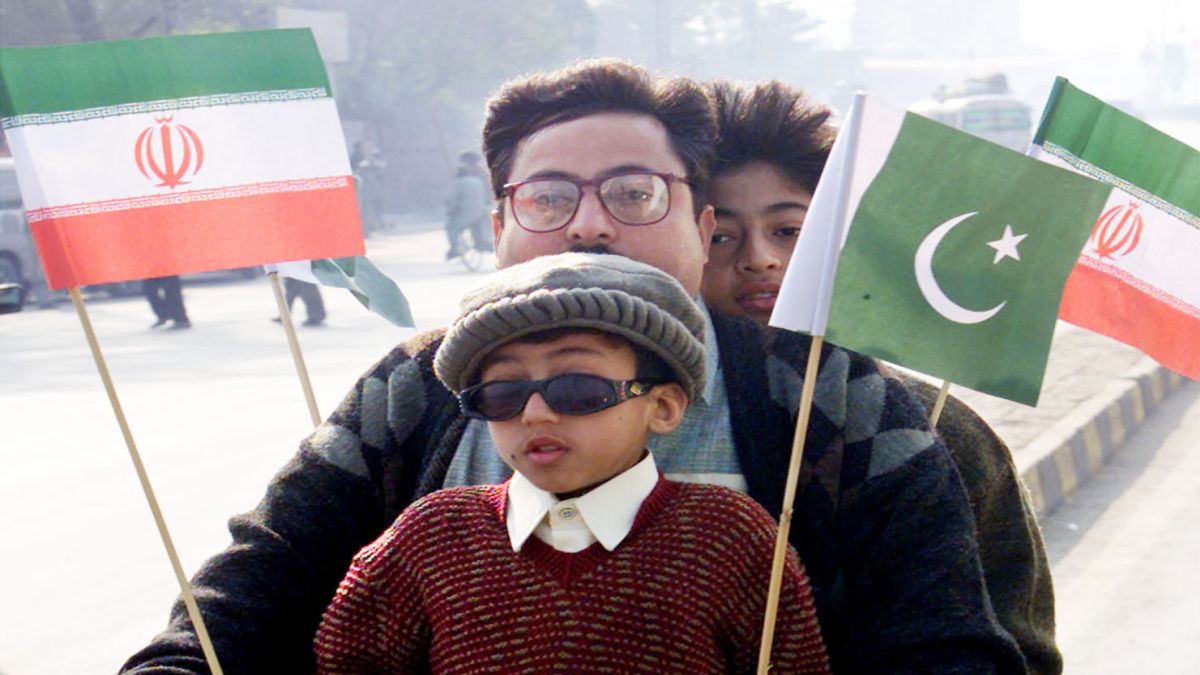 "Another embarrassment for Pakistan? Why Islamabad may flop in its role as mediator between Iran and US")
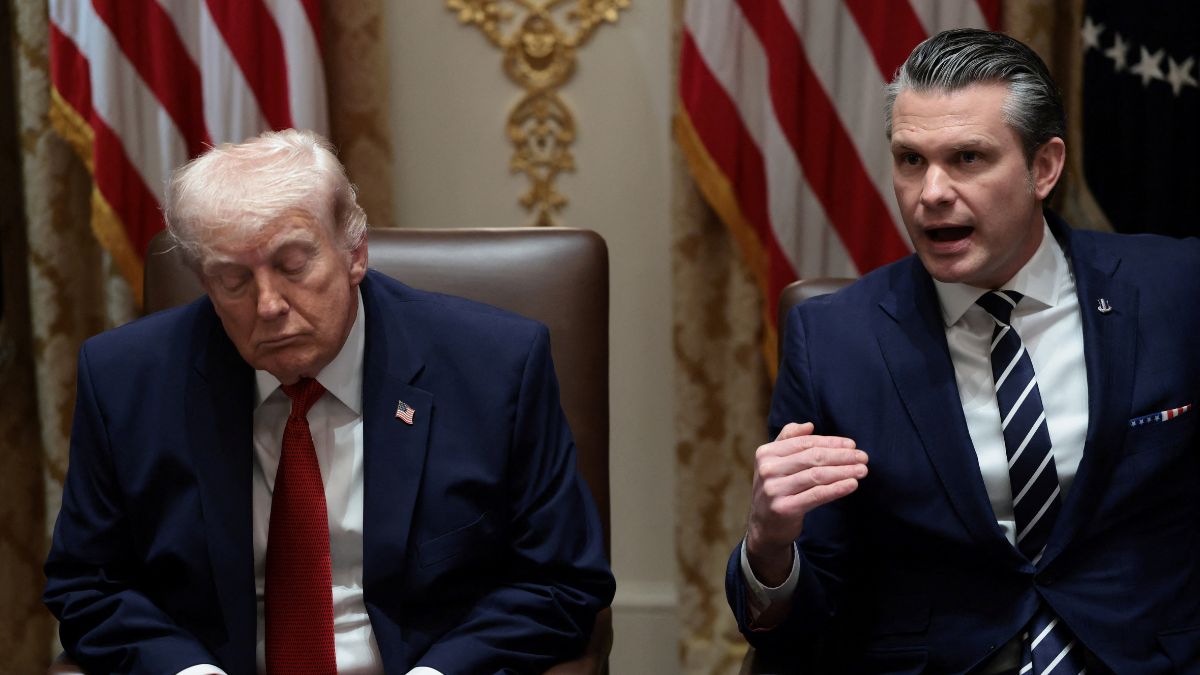 "Did Hegseth’s broker attempt to purchase defence funds before Iran war?")
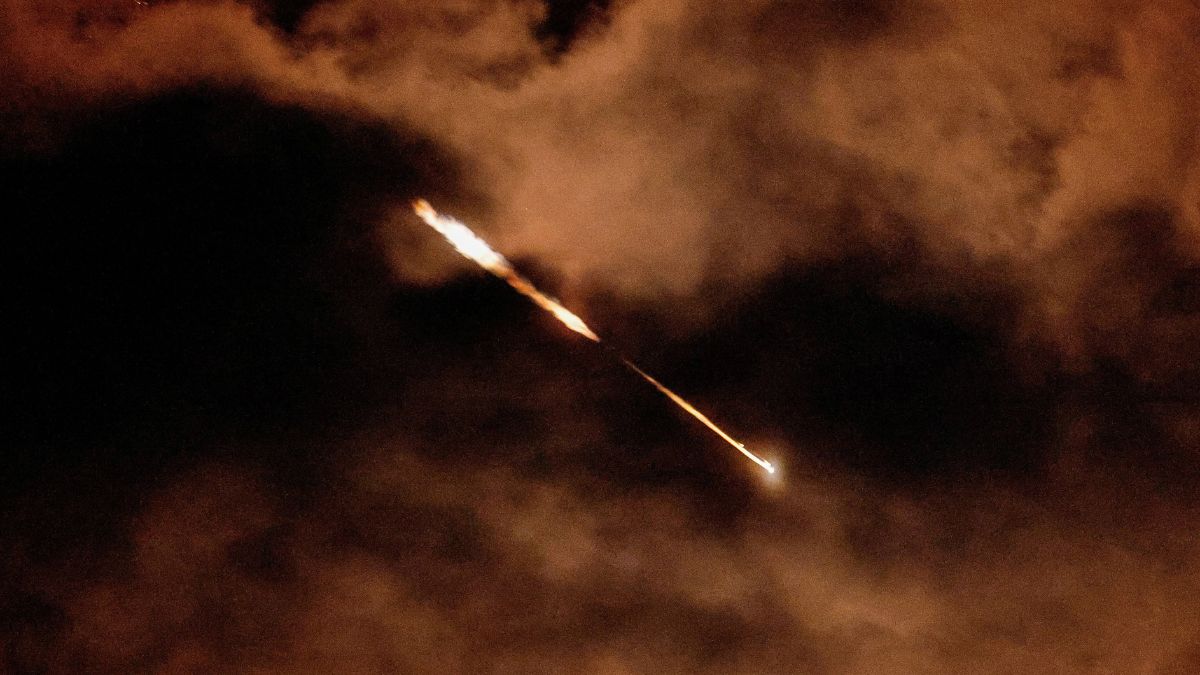 "Iran War Live Updates: Attack on Iran’s Mahallat kills 11, injures 15, over 11 injured across central Israel")
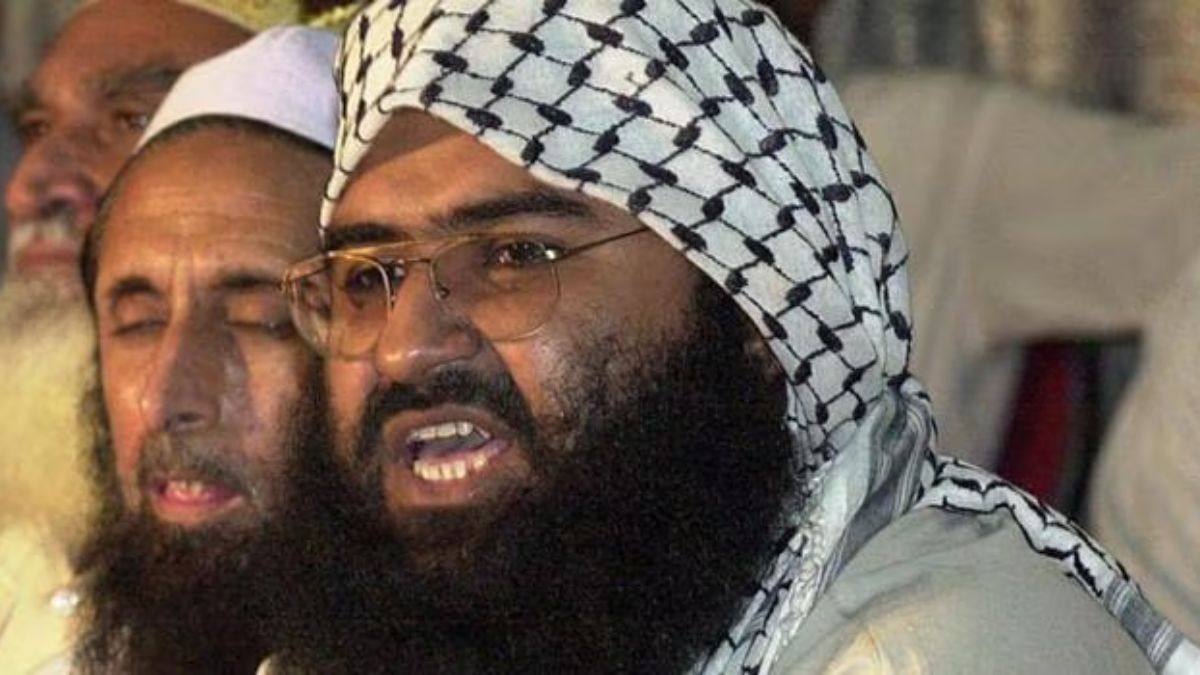 "Masood Azhar’s brother Tahir Anwar dies in Pakistan under mysterious circumstances, says report")
 "Another embarrassment for Pakistan? Why Islamabad may flop in its role as mediator between Iran and US")
 "Did Hegseth’s broker attempt to purchase defence funds before Iran war?")