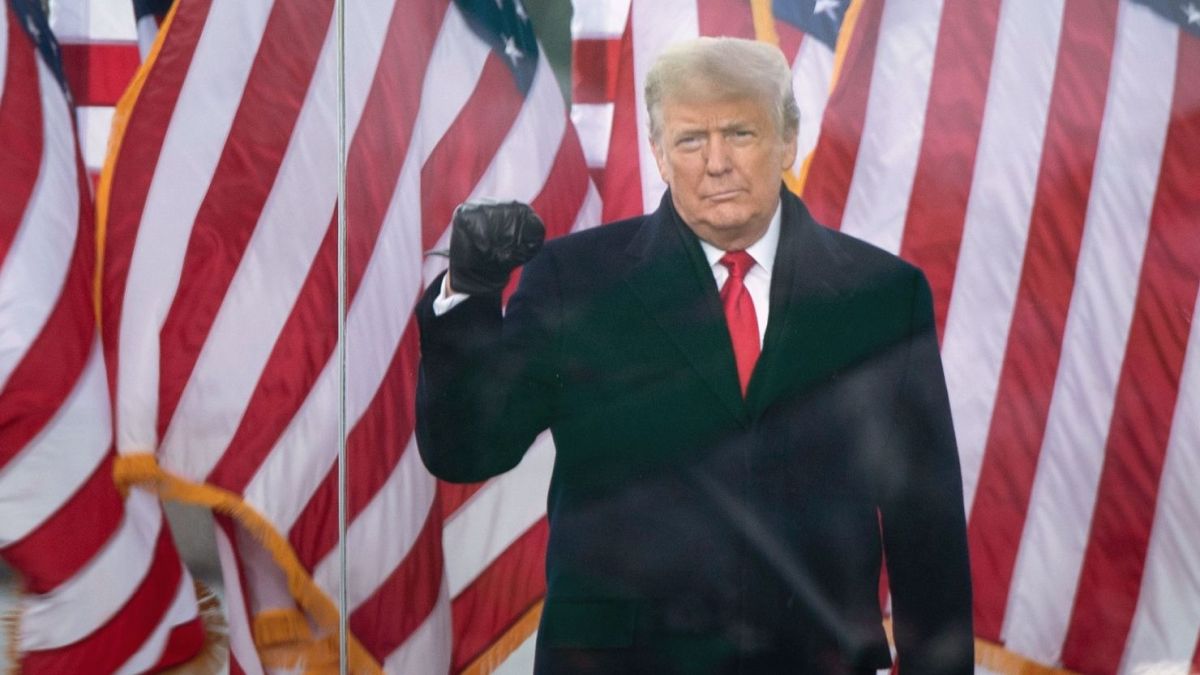
 "Two victories, one war: US and Iran think they can win — is this the biggest obstacle to a peace deal?")
As the United States and Iran wage fundamentally different wars, their definitions of victory remain poles apart. And the divergence is a double-edged sword as it could allow both sides to claim a victory and find a diplomatic off-ramp, or it could fuel the conflict toward an escalatory spiral of mutually assured destruction.
President Donald Trump will likely be a victim of his own ambitions. With maximalist goals of overthrowing the Islamic Republic, the destruction of Iranian military capabilities, and the neutralisation of the nuclear programme, he has almost certainly ruled out a complete victory. And there are signs he has recognised that.
Lately, Trump has claimed that the Iranian military has been completely defeated, the United States has achieved a regime change in Iran, and the war has been over, but none of that is obviously true. And he knows that.
There are signs that these repeated claims of a victory are not delusional proclamations, but part of an effort to seek a face-saving exit by calming victory at some point. And, in such a face-saving exit, Iran might also claim a victory as its goals never mirrored Trump’s. Its primary goal was always survival.
As long as the Iranian regime survives, it can declare a victory — and it’s almost certain that the regime will survive.
Follow our live coverage of the US-Israeli war on Iran here
Quick Reads
View AllDespite the assassination of Supreme Leader Ayatollah Ali Khamenei and a host of top officials, the Iranian regime has persisted. Top officials, including the Supreme Leader, have been replaced, and there are no signs of a popular uprising that Trump wanted the war to trigger. And, the survival of the regime would allow Iran to declare a victory.
Iran & US fight with double-edged sword
Two versions of victory would mean either they could take the victory or double down on fighting.
There are signs that both Trump and Iran are seeking an off-ramp.
Firstly, Trump has already claimed a regime change without there being any real regime change. It is a sign that he is okay with Khamenei Sr’s killing.
“I think we’ll make a deal with them, pretty sure… but we’ve had regime change. We’re dealing with different people than anybody’s dealt with before. It’s a whole different group of people. So I would consider that regime change,” Trump said on Sunday.
On the other hand, Iran has also entered into indirect negotiations with the United States and expressed willingness to make a deal. And it has shown the world that it is capable of standing its ground.
ALSO READ — ‘There’s a fundamental misunderstanding about Iran’: Expert breaks down Trump’s premise for West Asia crisis
For a month, Iran has blocked the Strait of Hormuz and cut of the world’s 20-25 per cent of oil and gas supply. The economic consequences have been huge for the world. Estimates say that Qatar and Kuwait have lost up to 13-15 per cent of their GDP. Oil and gas prices have skyrocketed across the world. With the mid-term elections around the corner, Iran believes it has time on its side as Trump is in a race against time to conclude the war.
With Pakistan-led mediation, it appears that the United States and Iran are inching towards a negotiated settlement where both could claim victory and close this chapter. But, despite their claims, it would not be clean victory for either side.
No real winners in Trump’s Iran war
In a war of choice that Trump launched without consulting allies, neither the United States nor Iran would be winners.
For Trump, the continued existence of the Islamic Republic would mean the defeat of his main goal of the war.
For Iran, it would be a pyrrhic victory. Even as it would survive, it would be very weakened and take years to recover. And it would stand alienated in a region where it had spent years improving relationships. Moreover, its economy would be battered, top officials would be dead, and anti-regime elements would be emboldened. It would survive but at great cost and potentially endless challenges in the future.

 "Iran War Live Updates: Iran executes two over alleged links to US-Israeli-backed opposition group")
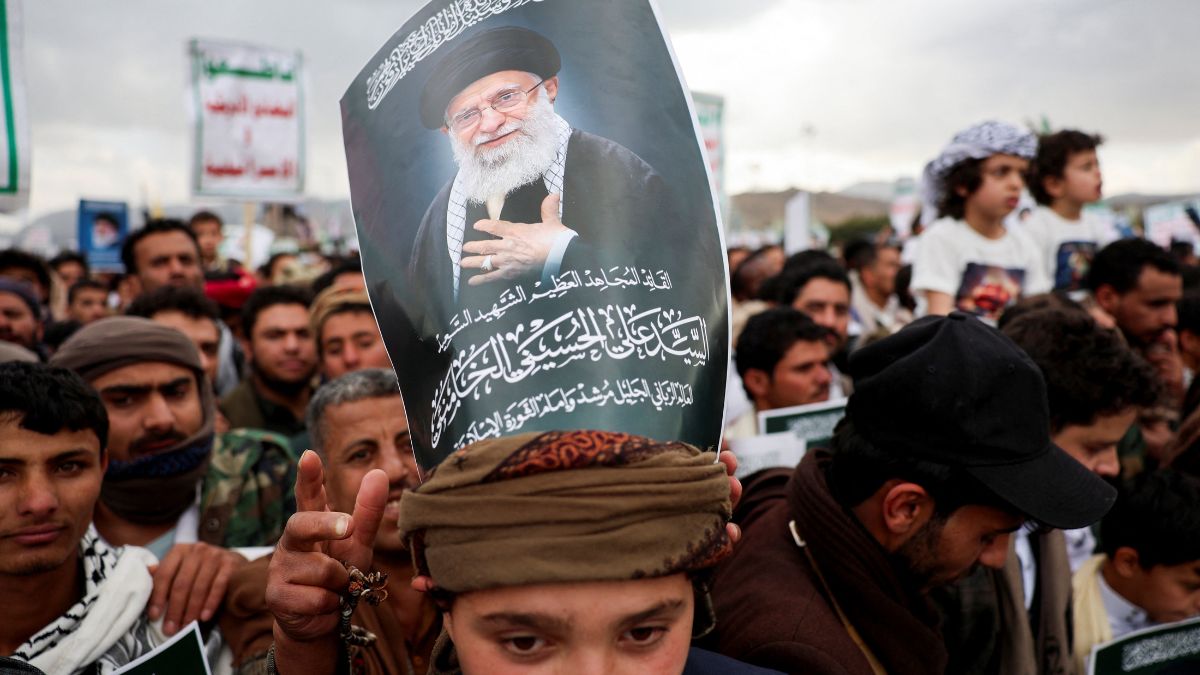 "Why have Yemen’s Houthis entered the West Asia war now?")
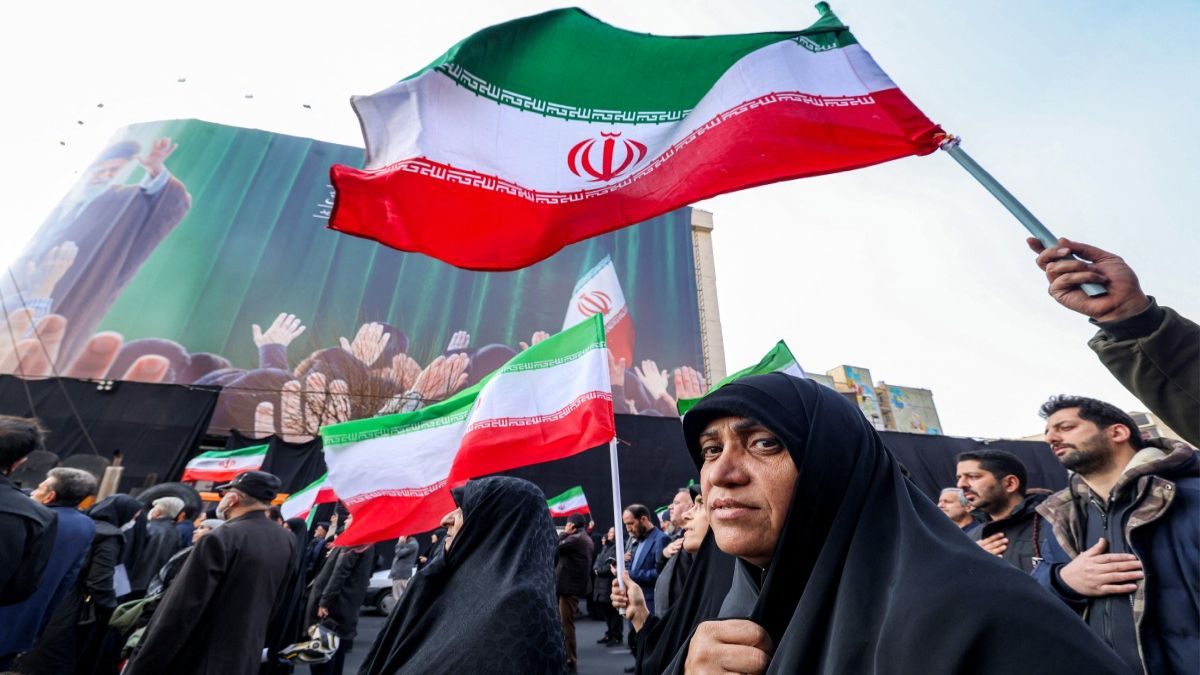 "Marines arrive, Houthis join, aluminum plants hit: Iran war is widening faster than diplomacy can contain it")
 "Delhi Police nab LeT operative for plotting attacks from Bangladesh, handled cross-border terror modules")
 "Iran War Live Updates: Iran executes two over alleged links to US-Israeli-backed opposition group")
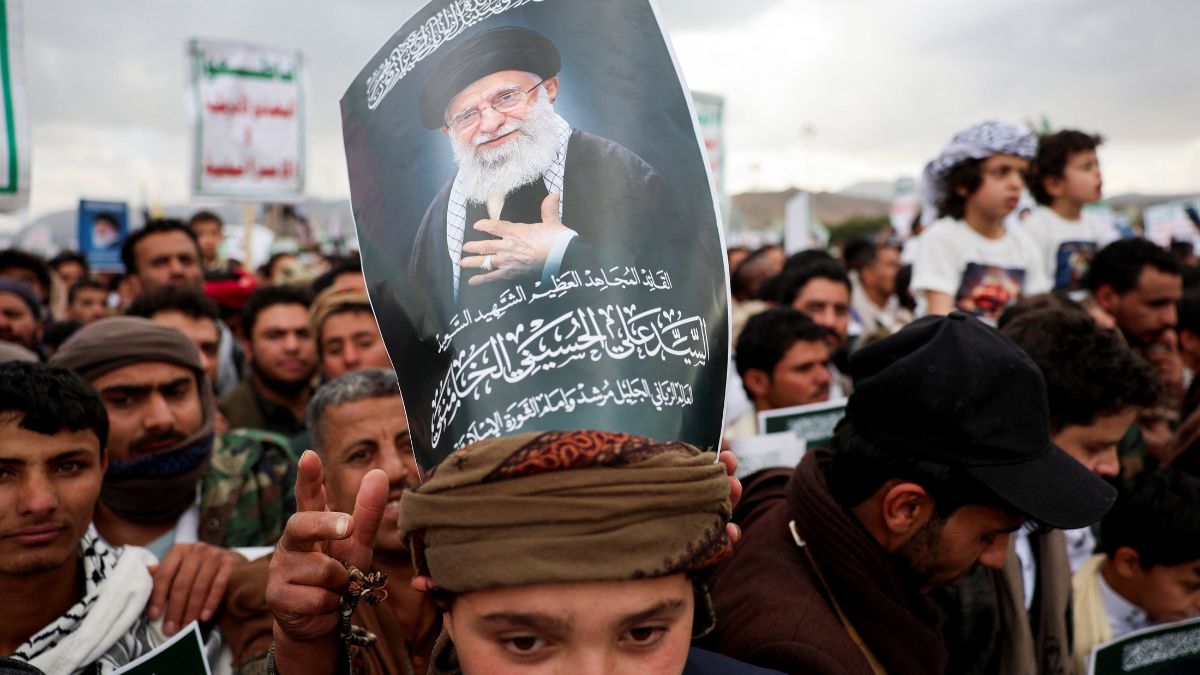 "Why have Yemen’s Houthis entered the West Asia war now?")
 "Marines arrive, Houthis join, aluminum plants hit: Iran war is widening faster than diplomacy can contain it")
 "Delhi Police nab LeT operative for plotting attacks from Bangladesh, handled cross-border terror modules")