 "UK factories hit by worst cost surge since 1992 as war disrupts supply chains")
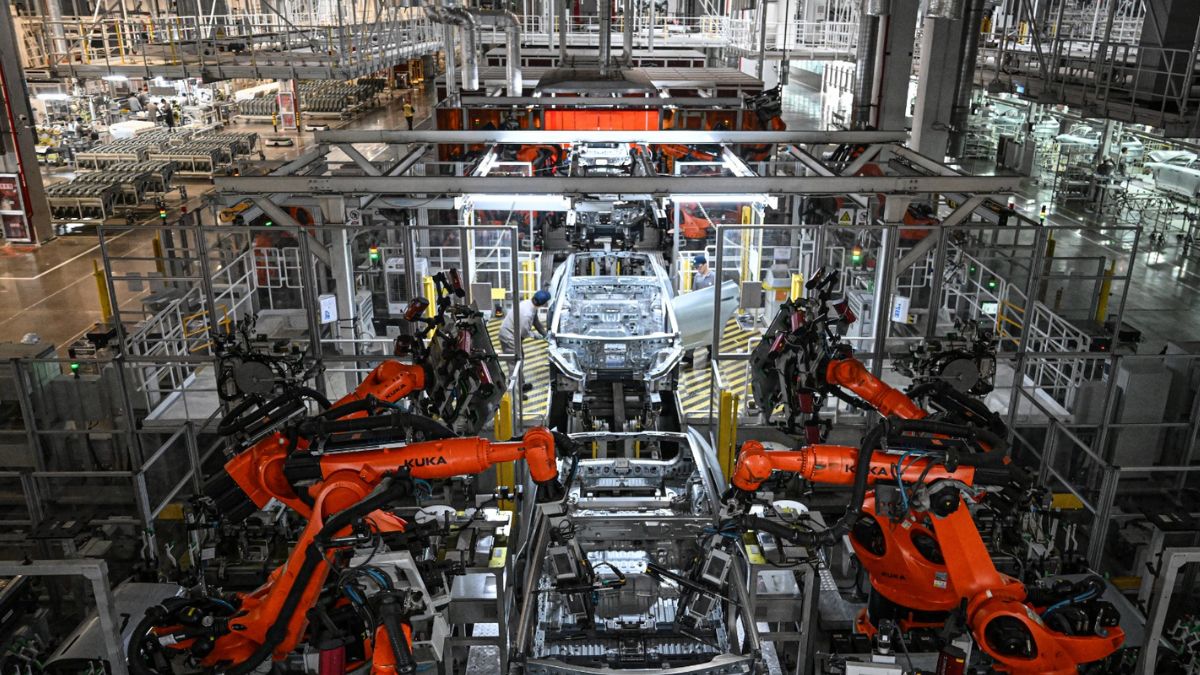
Britain’s manufacturing sector is staring at its sharpest cost shock in more than three decades, as the fallout from the Middle East conflict ripples through global supply chains and fuels inflation fears.
Data from S&P Global shows input costs for UK manufacturers surged in March at the fastest month-on-month pace since October 1992, a period marked by Britain’s dramatic exit from the European Exchange Rate Mechanism. The input cost index climbed to 71.0, driven largely by soaring oil and gas prices and a spike in transportation costs as shipping routes were disrupted.
The pressure is already feeding into prices. Output charges rose at their fastest pace in nearly a year, signalling that firms are passing on higher costs to consumers, a trend that could complicate the inflation outlook.
At the same time, cracks are emerging in production. The UK Manufacturing PMI slipped to 51.0 from February’s 51.7, while the output index dropped into contraction territory at 49.2, its first decline since September. The data suggests supply bottlenecks, rather than demand collapse, are dragging down activity.
Shipping disruptions have intensified the strain. Delivery delays hit their worst levels since July 2022, as vessels rerouted away from the Strait of Hormuz amid escalating tensions following US-Israeli strikes on Iran.
The numbers put the Bank of England in a difficult position. Markets are pricing in two to three rate hikes this year to contain inflation risks, but economists remain divided, warning that weak growth could offset the need for aggressive tightening.
Quick Reads
View AllAdding to concerns, manufacturing employment fell for the 17th consecutive month, with job cuts accelerating while business optimism slid to a six-month low— highlighting growing uncertainty in the sector.
For now, UK factories are caught in a familiar but dangerous squeeze: rising costs, slowing output, and a central bank forced to choose between fighting inflation and protecting growth.


 "Iran Israel War News Live: Trump 'strongly considering' Nato exit after allies fail to support Iran action, says report")
 "‘Without boots on the ground, Iran’s nuclear programme cannot be destroyed’: Israeli expert to Firstpost")
 "Iranian regime, explained: Decoding the Islamic Republic’s power structure as war drags on")
 "From physical tests to quarantine: How Artemis II astronauts have trained intensely for Moon mission")
 "Iran Israel War News Live: Trump 'strongly considering' Nato exit after allies fail to support Iran action, says report")
 "‘Without boots on the ground, Iran’s nuclear programme cannot be destroyed’: Israeli expert to Firstpost")
 "Iranian regime, explained: Decoding the Islamic Republic’s power structure as war drags on")
 "From physical tests to quarantine: How Artemis II astronauts have trained intensely for Moon mission")