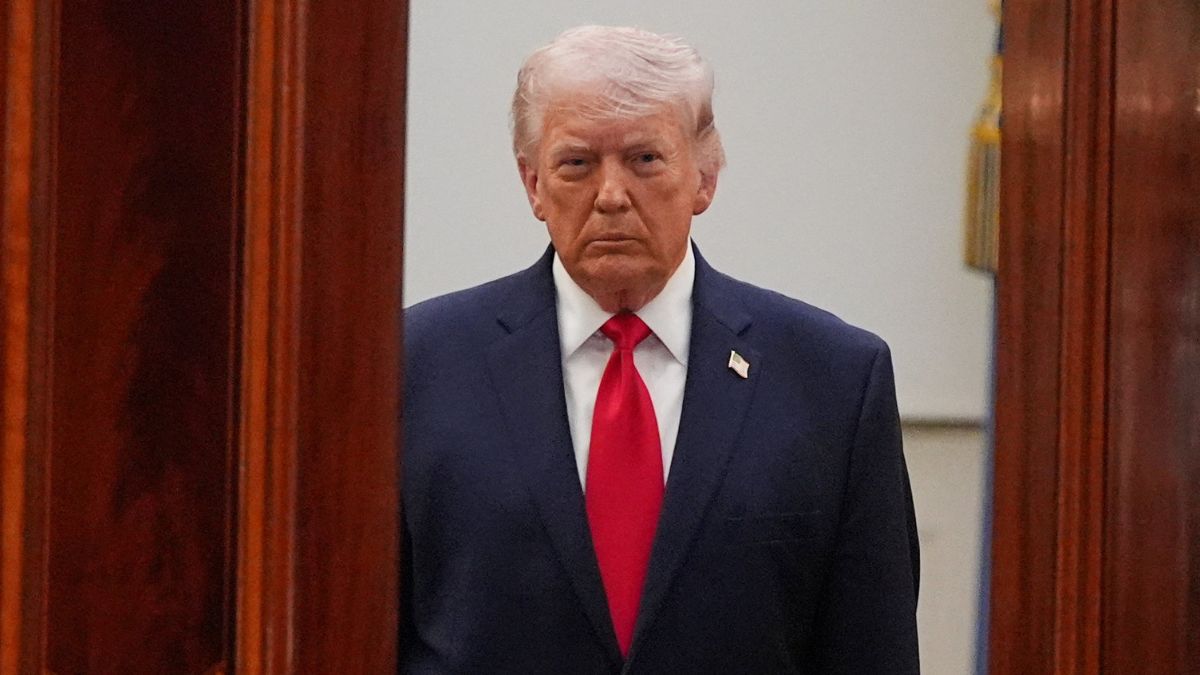
 "US deploys 18 A-10 attack aircraft to West Asia — to join nearly a dozen already in Iran theatre")
The American military presence in West Asia is witnessing a formidable expansion as the conflict with Iran enters its second month. In a significant tactical shift, the Pentagon has confirmed the dispatch of eighteen additional A 10 Thunderbolt II attack aircraft to the region.
These jets are set to join a dozen similar units already stationed in the theatre, marking a substantial increase in the aerial firepower available for the ongoing campaign. While the public rhetoric from the White House occasionally suggests a desire for a swift resolution, the physical movement of heavy weaponry and specialised personnel indicates a deepening commitment to the military theatre.
Enhanced capabilities for ground engagement
The arrival of the A 10 Thunderbolt II, colloquially known for its devastating precision and durability, signals a change in the nature of the operations. This specific aircraft is not designed for high altitude dogfights but is instead a specialist in close air support and the destruction of hardened surface targets.
Its presence is a clear indicator that the military is looking beyond simple long range missile strikes. Experts suggest that “the A-10, designed for close air support and ground attack, is particularly suited to precision strikes on hardened targets and troop concentrations, its expanded deployment suggests the US is preparing for potential ground-support scenarios beyond the current air campaign.”
Strategic positioning of land and sea forces
Parallel to the aerial buildup, a massive influx of ground and naval assets has been recorded. Thousands of elite personnel, including special operations forces, Marines, and Army paratroopers, are now stationed at key locations across the region. This concentration of force provides the American administration with a versatile array of options that were previously off the table.
Quick Reads
View AllSpecifically, there is growing speculation regarding a potential ground intervention aimed at securing the Strait of Hormuz or neutralising the Kharg Island oil facility. These assets are further supported by the reported movement of a third aircraft carrier strike group toward the area. This naval surge occurs even as “Trump has simultaneously signalled he wants to end the conflict ‘pretty quickly.’”
Divergence between rhetoric and military action
The massive scale of this deployment has created a notable tension between the official diplomatic stance and the reality on the ground. While the executive branch speaks of a quick exit and a desire to avoid a prolonged war, the logistical reality tells a different story. The sheer volume of hardware and specialized combat units suggests a preparation for a much larger and more complex confrontation than a simple air strike campaign would require.
This inconsistency has left many international observers questioning the true objectives of the mission. Ultimately, “the build-up contradicts the de-escalatory signals coming from Trump’s public statements, feeding uncertainty about the administration’s actual end-game in the war.”
Tactical implications for the Iranian theatre
The reinforcement of the regional military footprint is more than just a show of force; it is a structural preparation for a multi front engagement. By integrating the A 10 fleet with the existing carrier groups and specialized ground troops, the Pentagon is creating a cohesive force capable of seizing and holding strategic territory.
This level of readiness implies that the conflict may be transitioning from a series of punitive strikes into a more comprehensive attempt to reshape the regional power balance. As the second month of hostilities unfolds, the world watches to see if the administration will pursue the quick peace it mentions or the expanded war it is currently equipping for.

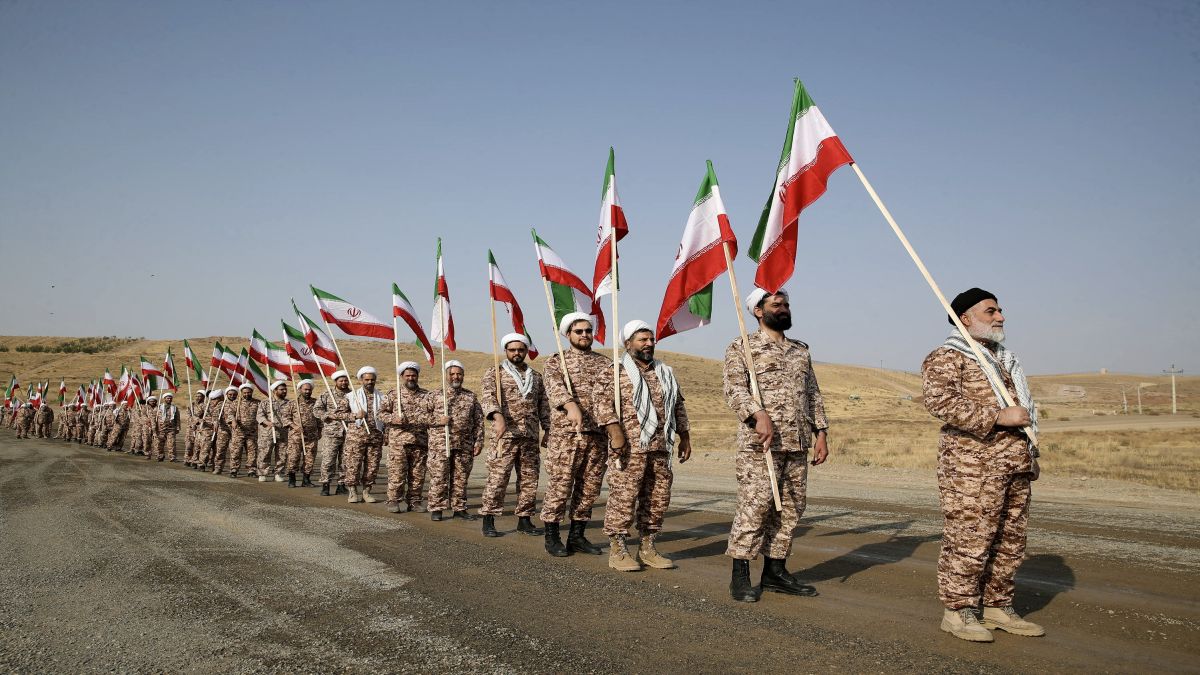 "Iran Israel War News Live: Iran orders commanders to ‘prepare for any attack’ after Trump’s speech")
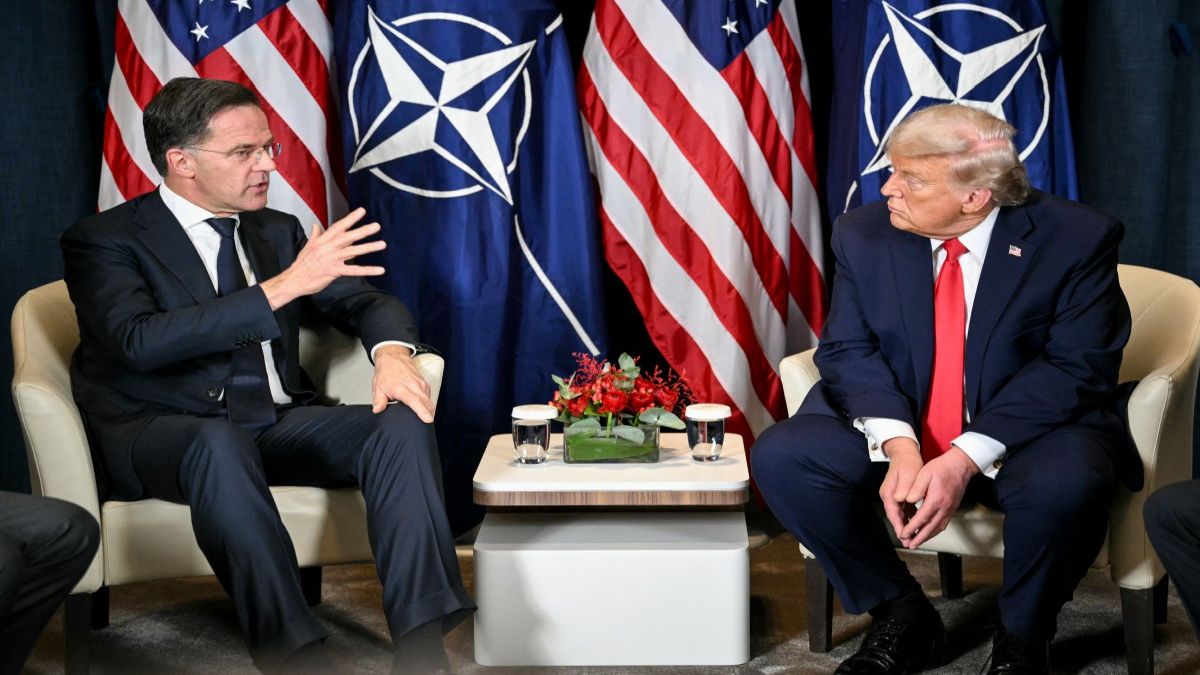 "What happens if Donald Trump pulls the US out of Nato")
 "Iran's Pezeshkian writes to Americans: 'We harbour no enmity towards you'")
 "‘If Pakistan attempts any misadventure, India’s response will be unprecedented and decisive’: Rajnath")
 "Iran Israel War News Live: Iran orders commanders to ‘prepare for any attack’ after Trump’s speech")
 "What happens if Donald Trump pulls the US out of Nato")
 "Iran's Pezeshkian writes to Americans: 'We harbour no enmity towards you'")
 "‘If Pakistan attempts any misadventure, India’s response will be unprecedented and decisive’: Rajnath")