 "Weeks before Maduro raid, Trump told oil companies to ‘get ready’ for Venezuela: Report")
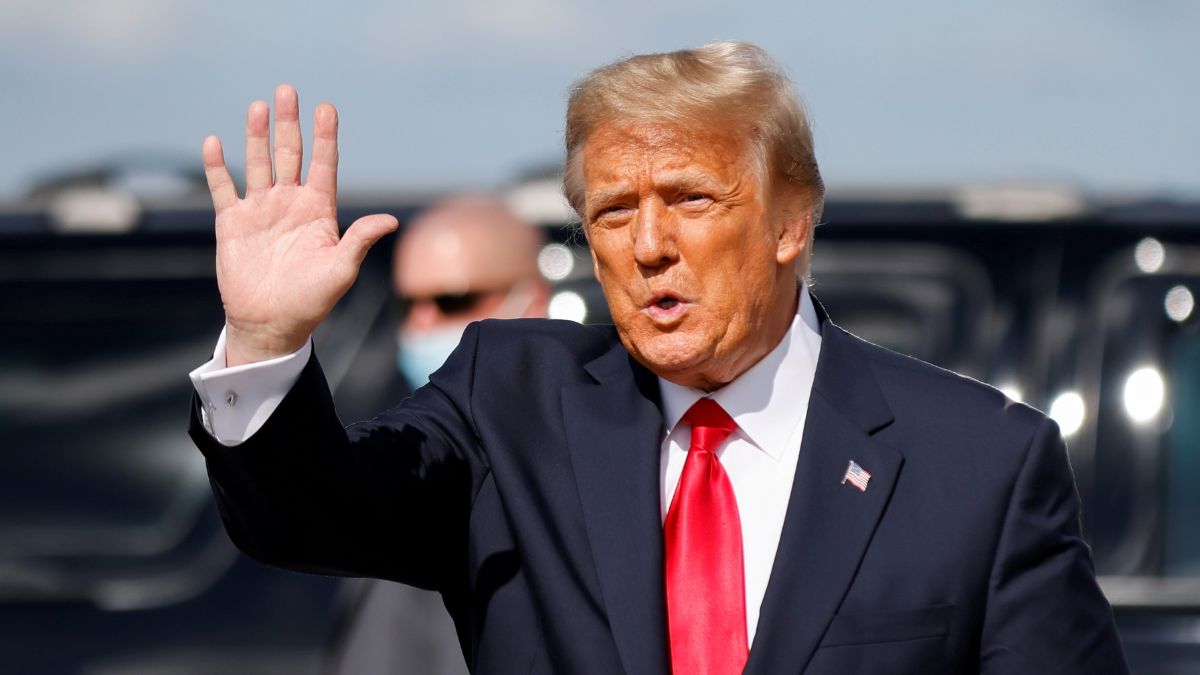
About a month before US forces captured Venezuelan President Nicolás Maduro, President Trump gave a cryptic but striking message to a couple of American oil executives: “Get ready.” Big changes were coming to Venezuela, he hinted.
Although Trump gave the executives a heads-up, he didn’t provide specific details about the Caracas strikes that unfolded early Saturday, nor did he seek their advice on the plan to have US energy companies revitalise Venezuela’s struggling oil fields with multibillion-dollar investments, according to a report by the Wall Street Journal (WSJ).
Chevron at the centre
Trump’s plan relies heavily on US oil companies, particularly Chevron, the only major American firm still operating in Venezuela. “We are going to be taking a tremendous amount of wealth out of the ground,” Trump said at a Mar-a-Lago press conference Saturday.
“We’re going to have our very large United States oil companies, the biggest anywhere in the world, go in, spend billions of dollars, fix the badly broken infrastructure, the oil infrastructure, and start making money for the country,” he added.
White House press secretary Karoline Leavitt said on Monday that Trump is eager to work with US oil companies on new investments in Venezuela, while a senior official confirmed that Energy Secretary Chris Wright and Secretary of State Marco Rubio are leading the effort, with communications to oil firms already underway.
Also read | Narco-state or oil jackpot? The real reason Trump sent US military to capture Maduro
Investors respond, companies hesitate
Investors appeared optimistic, with Chevron shares rising 5%, Exxon Mobil up 2%, and ConocoPhillips nearly 3%. But for now, Chevron has no immediate plans to ramp up production or spending, citing safety and commercial uncertainties.
Quick Reads
View All“Chevron remains focused on the safety and well-being of our employees, as well as the integrity of our assets,” a Chevron spokesperson who spoke to WSJ said. “We continue to operate in full compliance with all relevant laws and regulations.”
What are the challenges ahead
Venezuela holds an estimated 300 billion barrels of oil, yet output is only about 900,000 barrels a day—less than 1% of global consumption.
Boosting production could improve the economy, curb migration, and stabilise energy prices. However, large US oil companies are cautious, weighing safety, contracts, and political stability before committing billions.
“If you’re going into Venezuela, you’ve got to have terms that you think are going to protect you from the Venezuelans and, frankly, protect you from a different administration in the US,” said Dan Pickering, chief investment officer at Pickering Energy Partners, to WSJ.
Chevron, best positioned to invest, prefers maintaining current production levels while ensuring employee safety. Any expansion would compete with other global projects, including Guyana and offshore drilling in the Eastern Mediterranean and Gulf of Mexico.
“All of our oil companies are ready and willing to make big investments in Venezuela that will rebuild their oil infrastructure, which was destroyed by the illegitimate Maduro regime,” Taylor Rogers, a White House spokeswoman, told WSJ. “American oil companies will do an incredible job for the people of Venezuela and will represent the United States well,” they added.

 "US-Venezuela Tensions Live Updates: Maduro pleads not guilty, says ‘I was kidnapped’ in court")
 "Gunfire in Caracas: A coup attempt or forces firing at drones? Bolivian Army of Venezuela in spotlight")
 "Costly moves? Did Maduro’s dances trigger Trump to attack Venezuela?")
 "Top secret CIA report behind Trump decision to back Delcy Rodrigues as Maduro’s replacement: Report")
 "US-Venezuela Tensions Live Updates: Maduro pleads not guilty, says ‘I was kidnapped’ in court")
 "Gunfire in Caracas: A coup attempt or forces firing at drones? Bolivian Army of Venezuela in spotlight")
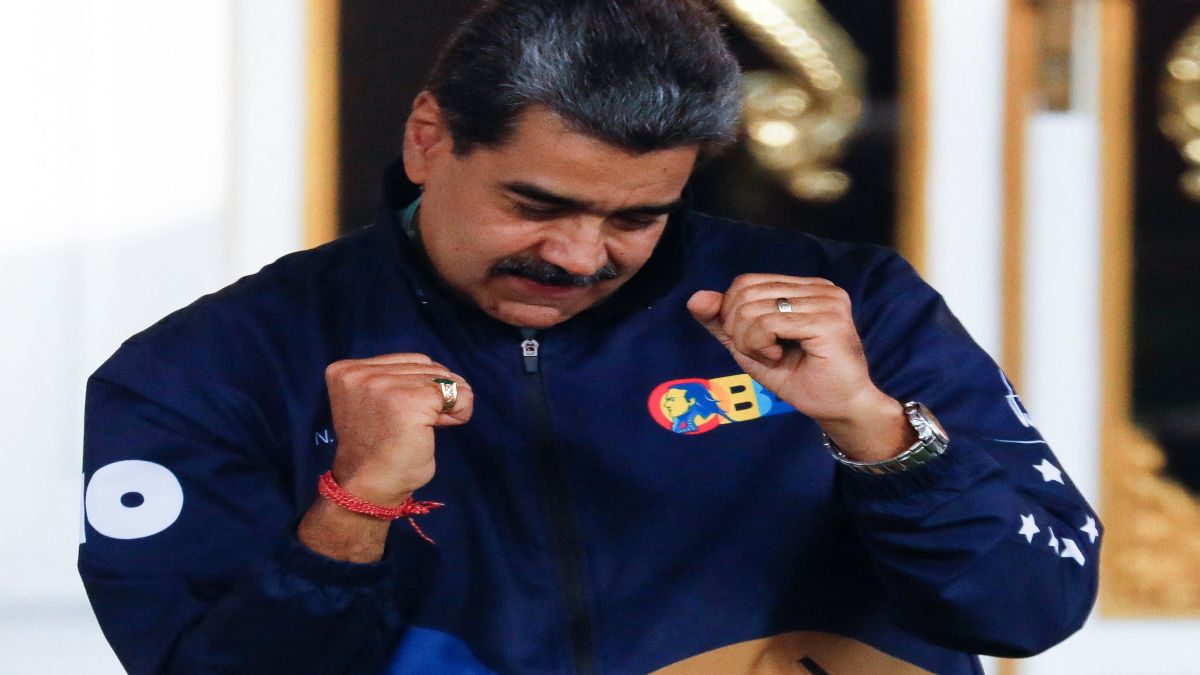 "Costly moves? Did Maduro’s dances trigger Trump to attack Venezuela?")
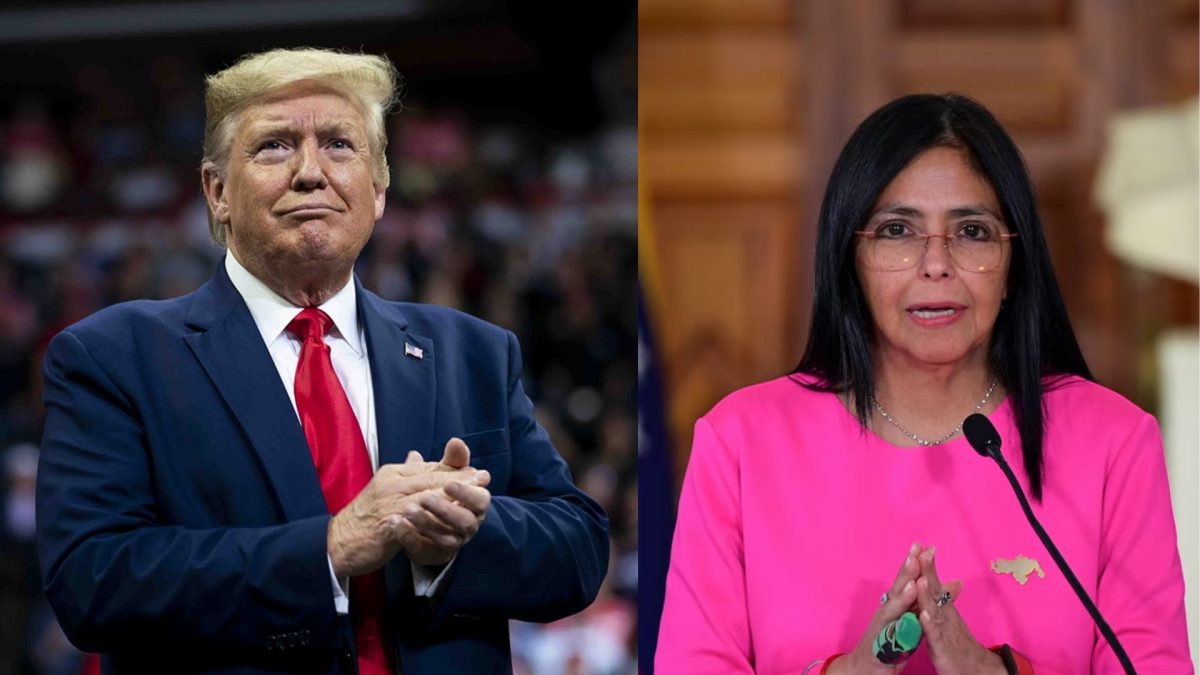 "Top secret CIA report behind Trump decision to back Delcy Rodrigues as Maduro’s replacement: Report")