

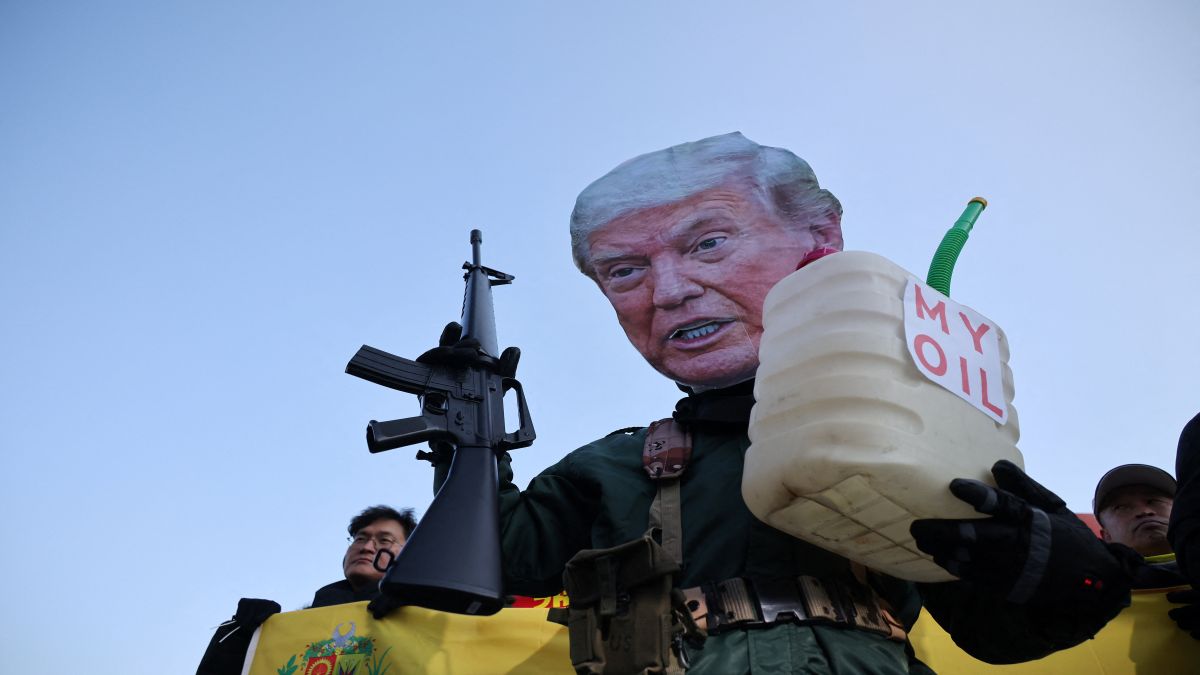
 "Maduro brought to New York court as UN debates US action in Venezuela")
Toppled Venezuelan leader Nicolás Maduro appeared before a federal court in New York on Monday to face long-standing US drug trafficking charges, days after President Donald Trump ordered a dramatic operation to capture him, triggering global shockwaves and plunging Venezuela into political uncertainty.
The UN Secretary-General Antonio Guterres expressed concern over instability in Venezuela and raised questions over the legality of the US action, described as Washington’s most significant military intervention in Latin America since the 1989 invasion of Panama. US Special Forces reportedly entered Caracas by helicopter on Saturday, breached Maduro’s security perimeter and removed him from a secure location.
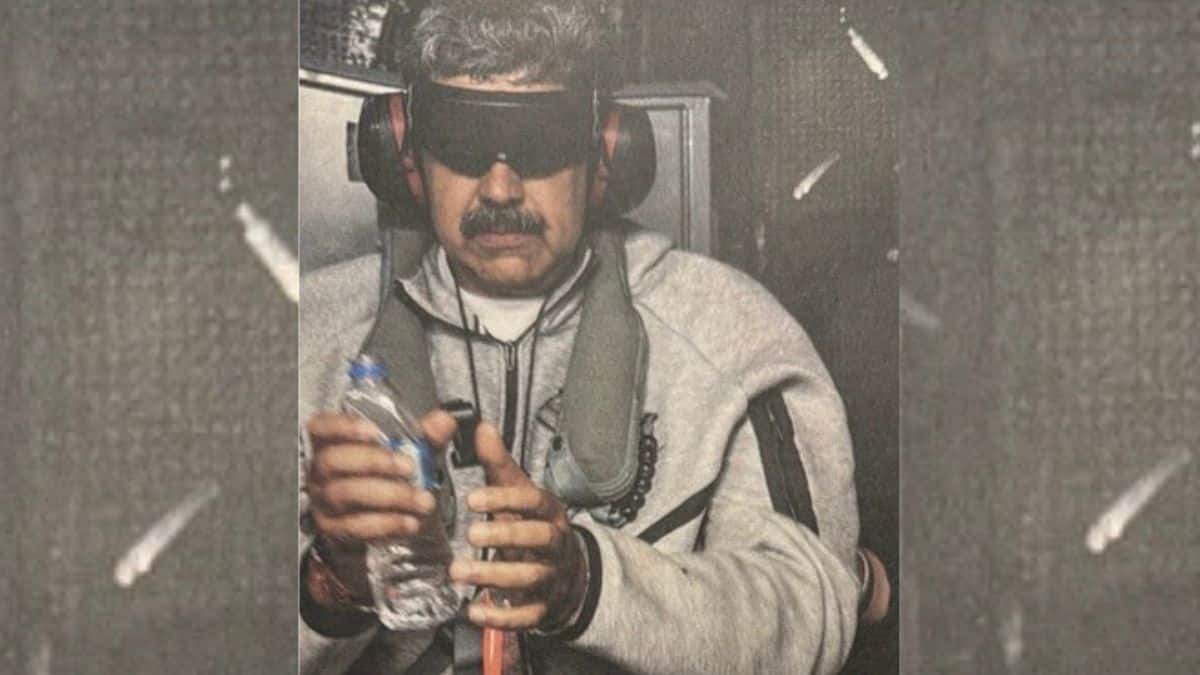
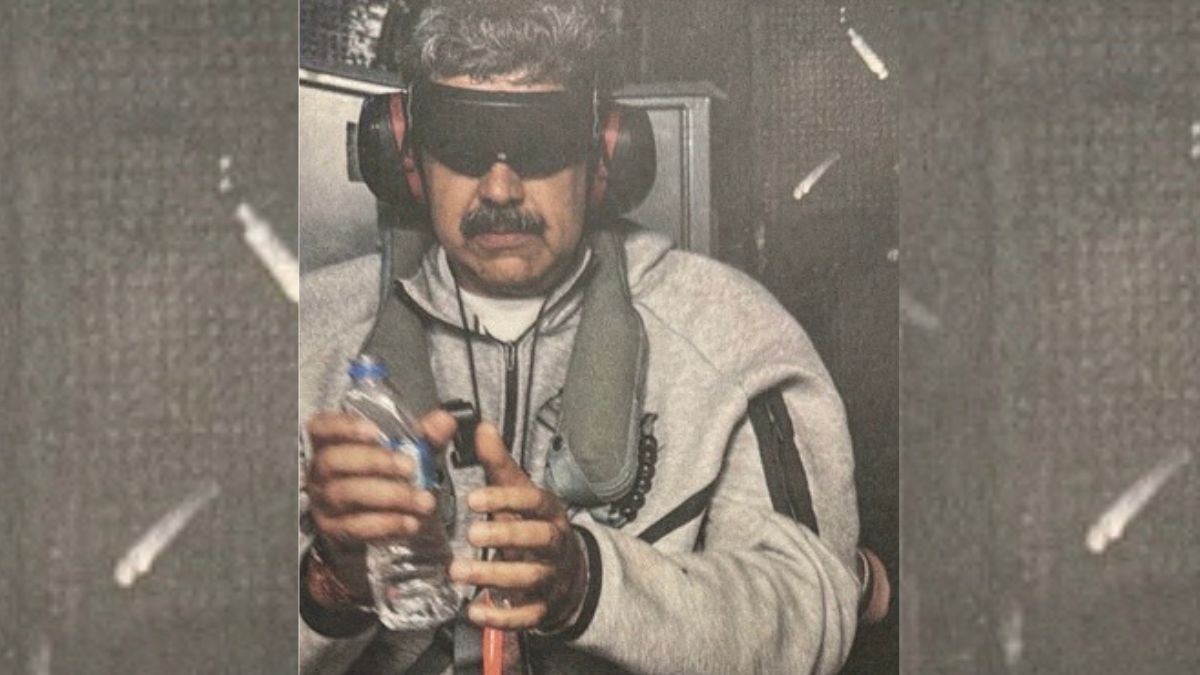
On Monday morning, Maduro, his hands zip-tied, and his wife Cilia Flores were escorted by armed guards from a Brooklyn detention facility to a helicopter bound for a federal courthouse in Manhattan, where he was due to appear before US District Judge Alvin Hellerstein.
US prosecutors accuse Maduro of overseeing a cocaine trafficking network linked to violent groups including Mexico’s Sinaloa and Zetas cartels, Colombia’s FARC rebels and Venezuela’s Tren de Aragua gang. Maduro, 63, has consistently denied the allegations, claiming they are a pretext for US attempts to seize control of Venezuela’s oil resources.
The unprecedented seizure of a sitting head of state prompted swift international reaction. Venezuela issued an emergency order instructing police to search for and detain anyone who supported the US operation, while Russia, China and several left-leaning governments condemned the raid. The UN Security Council convened an emergency meeting to debate the legality and implications of the action.
Quick Reads
View AllMaduro was expected to hear the charges against him and enter a plea during his arraignment. If convicted, he faces decades to life in prison on each count. Prosecutors allege his involvement in drug trafficking dates back to his time in Venezuela’s National Assembly in 2000 and continued through his tenure as foreign minister and later president following his 2013 election after Hugo Chávez’s death.
US federal authorities first indicted Maduro in 2020 as part of a wider narcotics case involving current and former Venezuelan officials and Colombian guerrillas. An updated indictment released on Saturday added further details and co-defendants, including Flores.
Washington has refused to recognise Maduro as Venezuela’s legitimate leader since his disputed 2018 re-election. International law experts have questioned the legality of the US operation, with some describing it as a challenge to the rules-based international order.
Oil ambitions and shifting tone in Caracas
Despite Maduro’s capture, senior officials from his 13-year-old government remain in control in Caracas. While initially adopting a defiant stance, Venezuelan leaders later signalled openness to engagement with Washington.
Shares of US oil companies rose amid speculation that the US could gain access to Venezuela’s vast oil reserves. Trump reiterated interest in the country’s energy sector, saying American firms would return to rebuild Venezuela’s oil infrastructure.
“We’re taking back what they stole. We’re in charge,” Trump said aboard Air Force One on Sunday.
Venezuela holds the world’s largest proven oil reserves, estimated at about 303 billion barrels, but production has fallen sharply due to mismanagement, under-investment and US sanctions, averaging roughly 1.1 million barrels per day last year.
After initially condemning the operation as a “kidnapping” and an oil-driven colonial move, acting president Delcy Rodríguez softened her tone, calling for cooperation with Washington.
“We invite the US government to work together on an agenda of cooperation,” Rodríguez said. “Our peoples and our region deserve peace and dialogue, not war.”
Trump has warned of further action if Venezuela fails to cooperate on opening its oil industry and curbing drug trafficking, while also issuing warnings to Colombia, Mexico and Cuba.
Global reaction
At the UN Security Council’s emergency meeting, requested by Venezuela with support from Russia and China, Caracas accused the US of carrying out “brutal, unjustified and unilateral armed attacks” and violating the UN Charter.
US ambassador Mike Waltz told the council there was “no war in Venezuela”, describing the operation as a law enforcement action tied to long-standing indictments and citing the 1989 capture of Panama’s leader Manuel Noriega as precedent. He said evidence against Maduro would be presented openly in US court.
China strongly condemned the US action, saying Washington had trampled on Venezuela’s sovereignty and violated the principle of sovereign equality.
US allies reacted cautiously, urging restraint, dialogue and respect for international law. The operation also triggered political fallout in Washington, with opposition Democrats saying they were misled, while Trump’s supporters largely praised the move as decisive.
Inside Venezuela, celebrations among Maduro’s opponents were muted, as his allies remain in power and there has been no visible split within the military, even as speculation grows that insiders may have aided the operation.

 "Where was Venezuela’s military when US troops captured Maduro? Experts hint at secret deal")
 "Hindu factory owner and acting editor shot dead in Bangladesh amid rising minority violence")
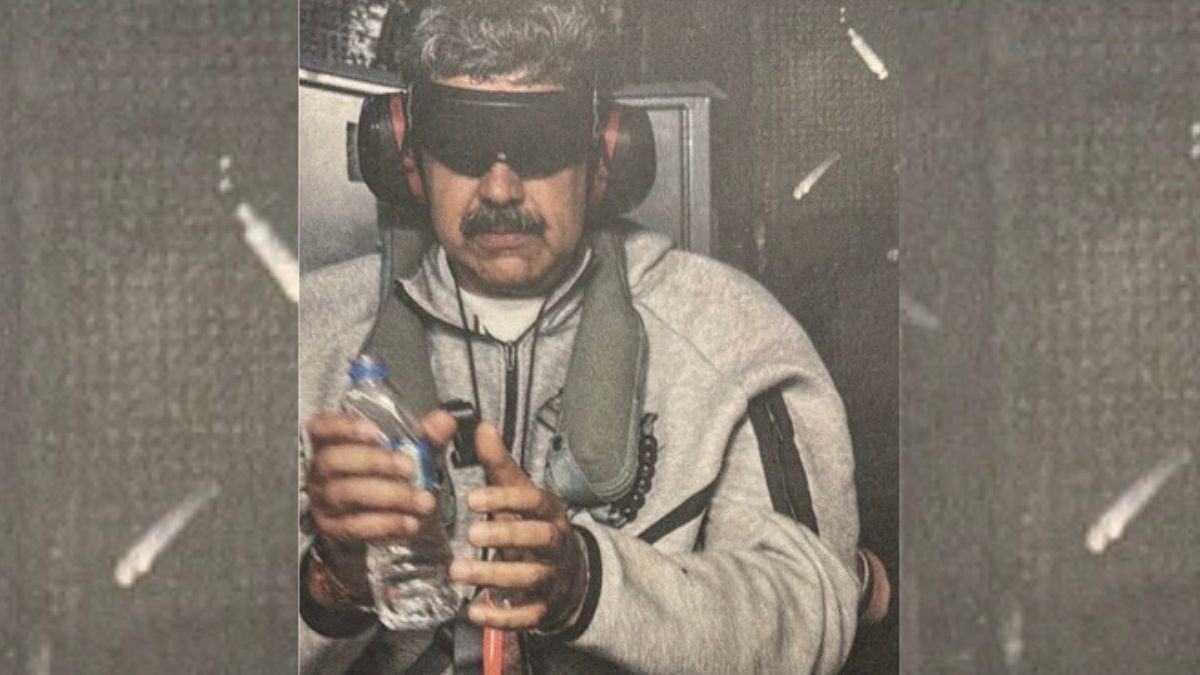 "US-Venezuela tensions LIVE: Maduro arrives at NY federal court, loyalists send mixed signals from Caracas")
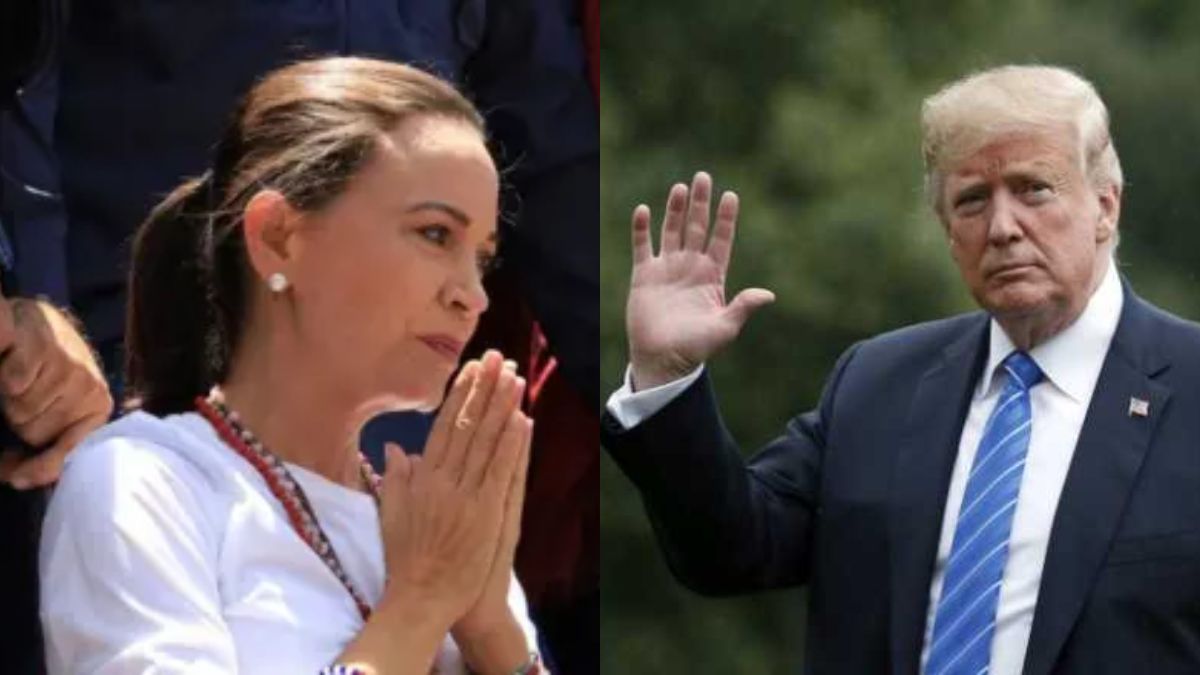 "Is Venezuela's Nobel-winning Maria Machado the big loser in Trump's move?")
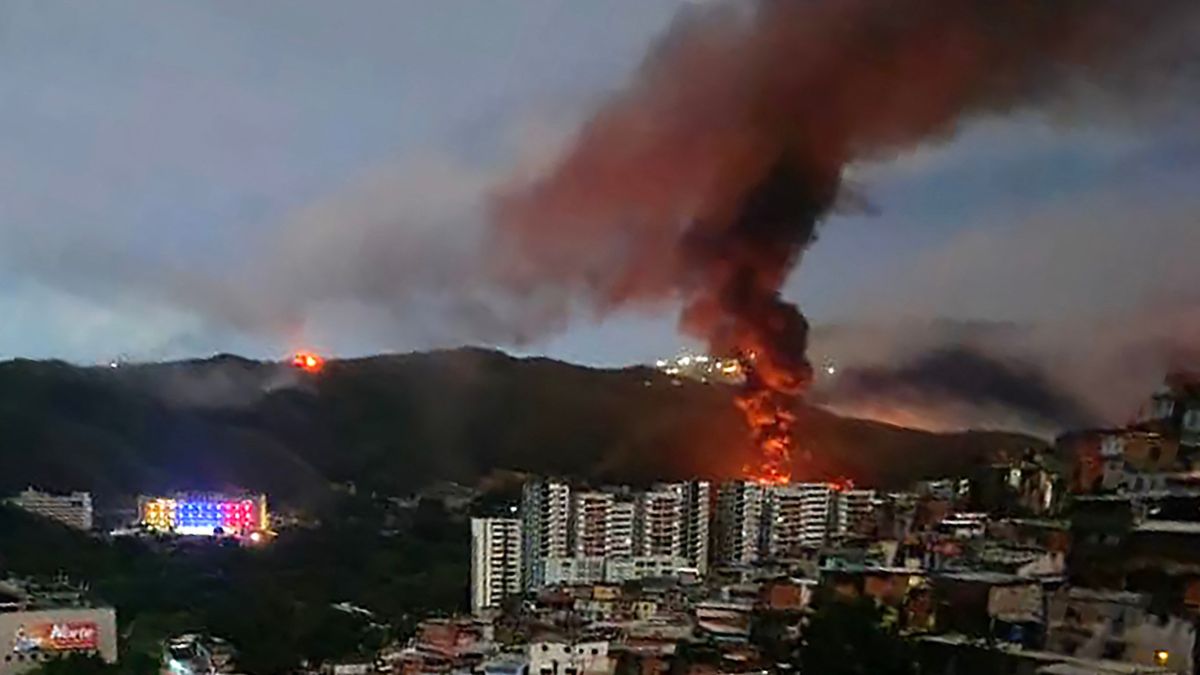 "Where was Venezuela’s military when US troops captured Maduro? Experts hint at secret deal")
 "Hindu factory owner and acting editor shot dead in Bangladesh amid rising minority violence")
 "US-Venezuela tensions LIVE: Maduro arrives at NY federal court, loyalists send mixed signals from Caracas")
 "Is Venezuela's Nobel-winning Maria Machado the big loser in Trump's move?")



