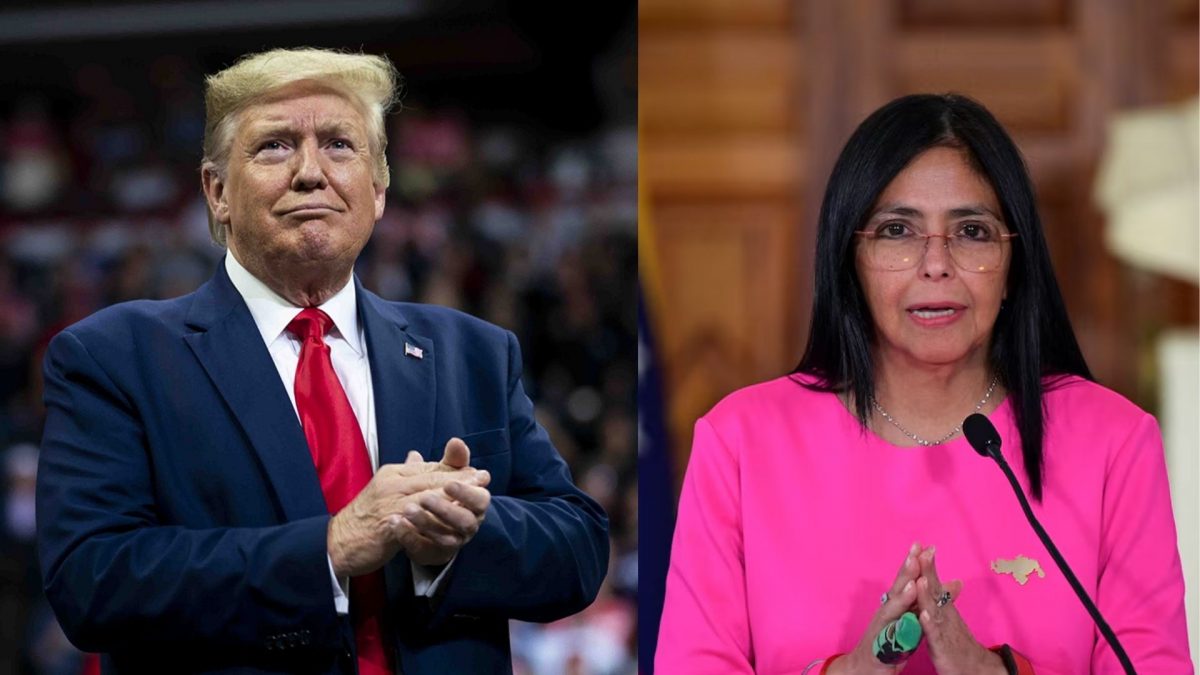
 "Top secret CIA report behind Trump decision to back Delcy Rodrigues as Maduro’s replacement: Report")
A classified assessment by the US Central Intelligence Agency has concluded that senior figures loyal to ousted President Nicolás Maduro are the most capable of keeping the country stable if he loses power, according to people familiar with the matter.
The finding, first reported by the Wall Street Journal, has influenced President Donald Trump’s thinking on who should steer Venezuela through a perilous transition.
Why loyalists?
The CIA shared the assessment with Trump and a select group of senior national security officials, who were briefed in recent weeks. The analysis reportedly stated that long-time Maduro allies—particularly Vice President Delcy Rodríguez—wield far more influence within Venezuela’s military and government institutions than opposition leaders. That reality, US officials concluded, could make them better placed to maintain order in the short term.
Also read | Is Trump handing over Venezuela to ‘anti-American socialists’ he loathes?
Why this matters is simple. Trump has chosen to support Rodríguez instead of opposition leader María Corina Machado, a strong critic of Maduro whom many in Washington saw as a democratic alternative.
The CIA assessment suggests the opposition may not have enough backing, especially from the military, to govern the country effectively.
How did the White House respond?
The White House has not officially confirmed the contents of the CIA report, but press secretary Karoline Leavitt defended the administration’s overall decision-making.
“President Trump is routinely briefed on domestic political dynamics all over the world,” Leavitt said.
“The president and his national security team are making realistic decisions to finally ensure Venezuela aligns with the interests of the United States, and becomes a better country for the Venezuelan people,” she added.
Quick Reads
View AllWhat this really means
While Rodríguez—who served as Maduro’s vice president—has been positioned as a pragmatic intermediary with Washington, her loyalty to Maduro’s regime and close ties to Venezuela’s entrenched political structure present risks.
Critics argue that backing regime loyalists could simply perpetuate the same power dynamics that led to Venezuela’s deep political and economic crisis in the first place.
For now, the US is implying that stability, even if imperfect, may take precedence over rapid democratic change. How this strategy will play out on the ground in Venezuela remains an important question.

 "US-Venezuela Tensions Live Updates: Over a dozen journalists detained in Caracas amid reports of gunfire")
 "Gunfire in Caracas: A coup attempt or forces firing at drones? Bolivian Army of Venezuela in spotlight")
 "Costly moves? Did Maduro’s dances trigger Trump to attack Venezuela?")
 "Who is Barry Pollack, the lawyer defending Nicolas Maduro in the US courtroom?")
 "US-Venezuela Tensions Live Updates: Over a dozen journalists detained in Caracas amid reports of gunfire")
 "Gunfire in Caracas: A coup attempt or forces firing at drones? Bolivian Army of Venezuela in spotlight")
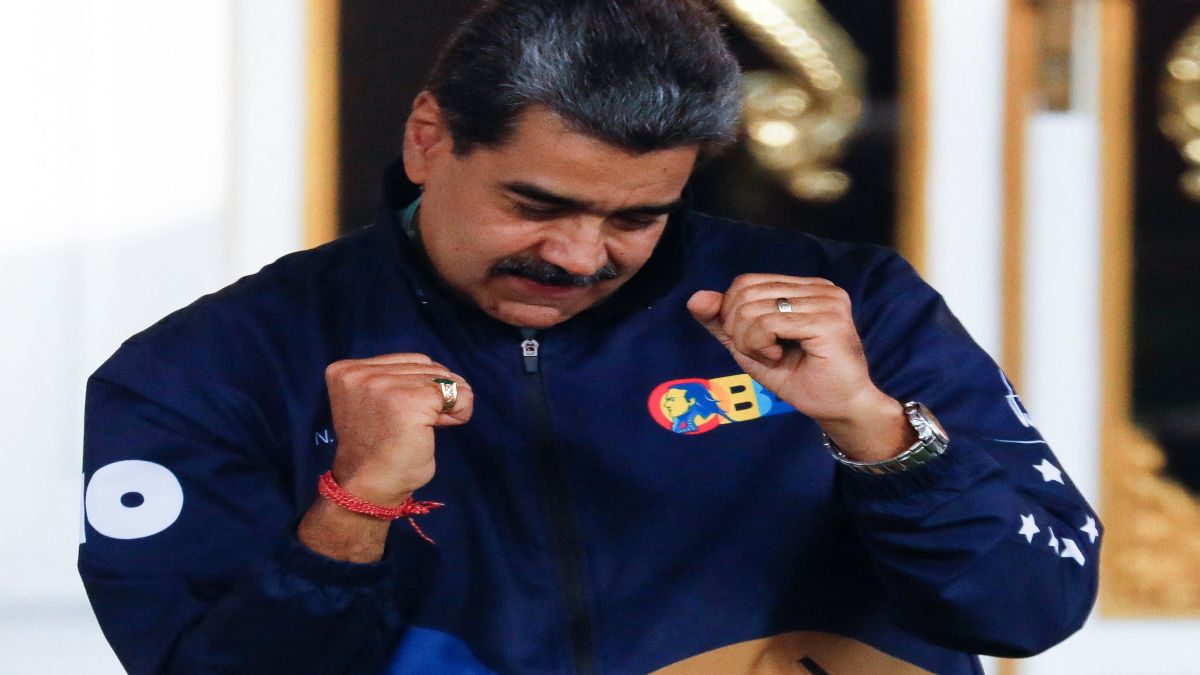 "Costly moves? Did Maduro’s dances trigger Trump to attack Venezuela?")
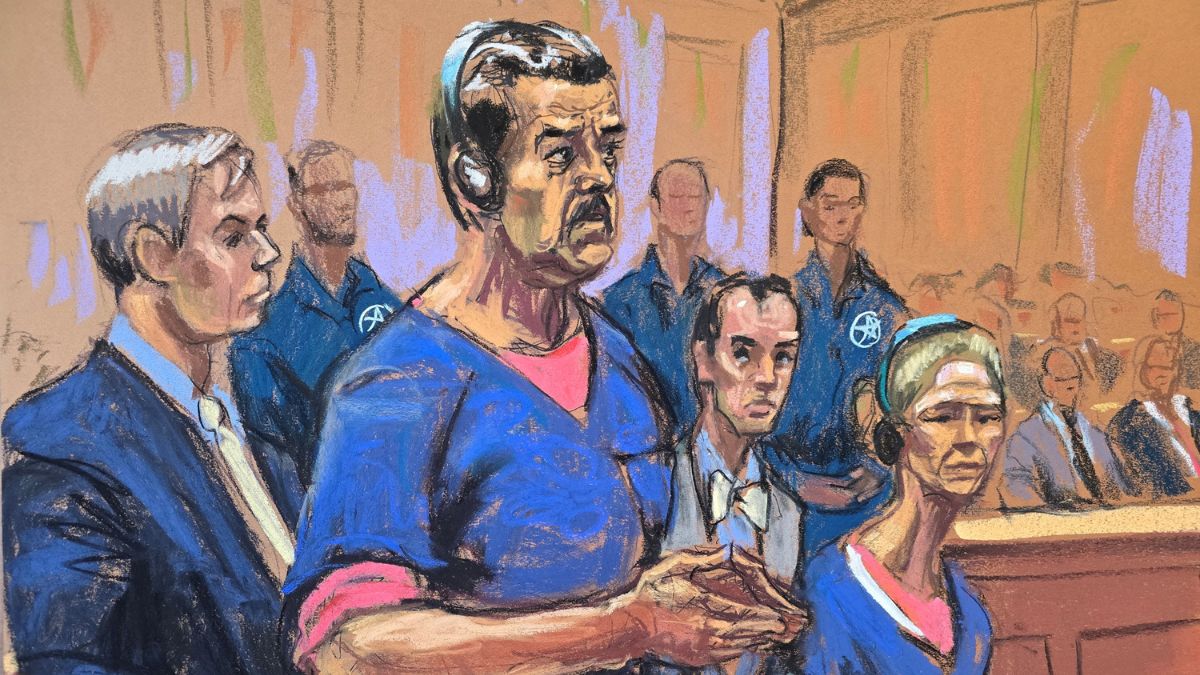 "Who is Barry Pollack, the lawyer defending Nicolas Maduro in the US courtroom?")