 "Iran warns world to brace for $200 oil as Gulf war rattles energy markets")
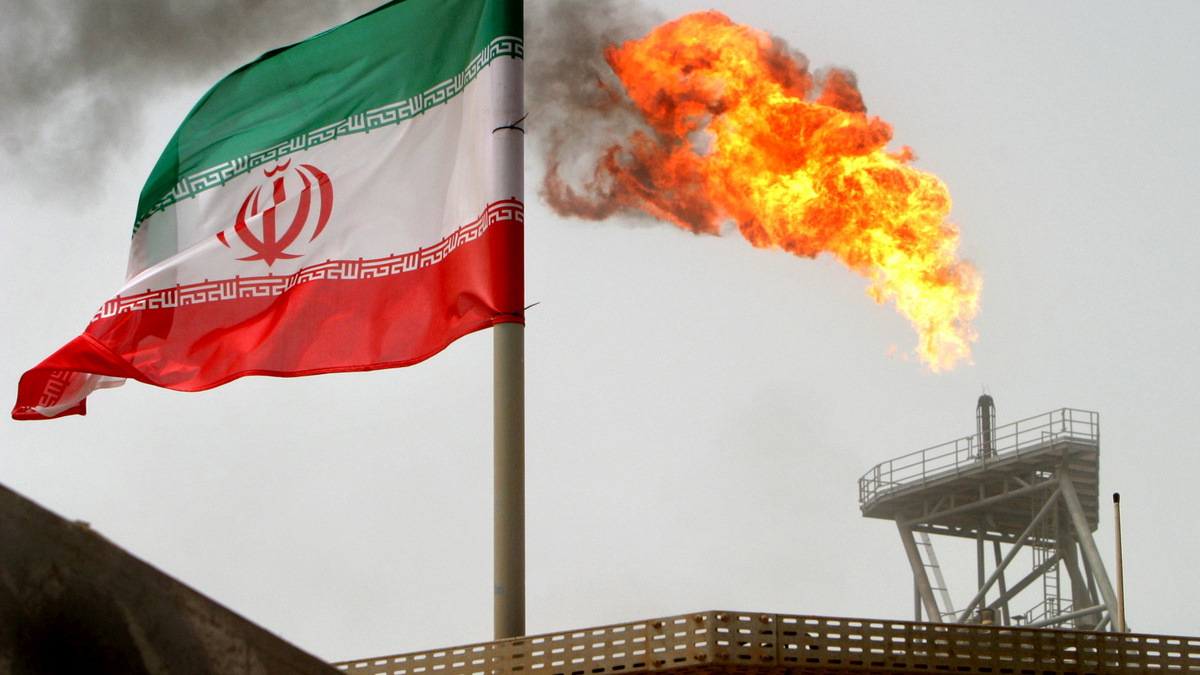
Iran has warned the world to brace for oil prices as high as $200 a barrel as the conflict with the United States and Israel spills into key shipping routes in the Gulf.
On Wednesday, Iran’s forces struck merchant vessels in Gulf waters, raising fresh concerns about the safety of global energy supplies. Iranian military officials said their forces had opened fire on ships that ignored orders issued by the country’s Revolutionary Guards.
The warning came as the International Energy Agency recommended releasing 400 million barrels of oil from strategic reserves—the largest such intervention in history—to cushion what analysts describe as one of the biggest oil shocks since the 1970s.
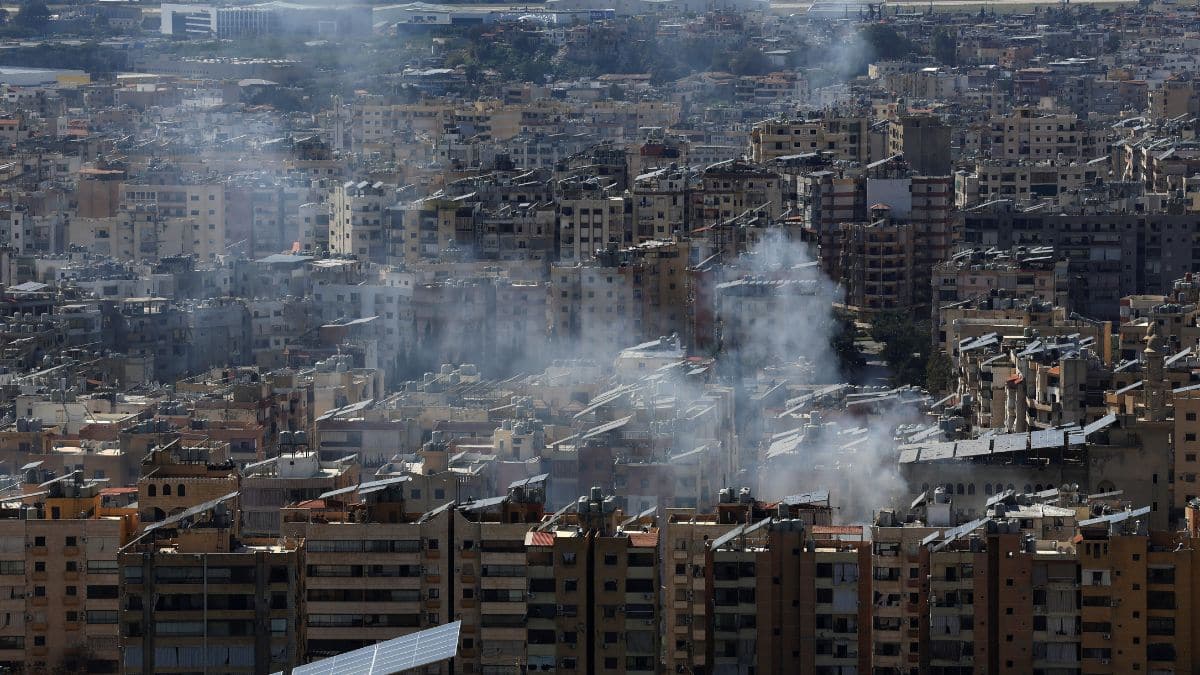
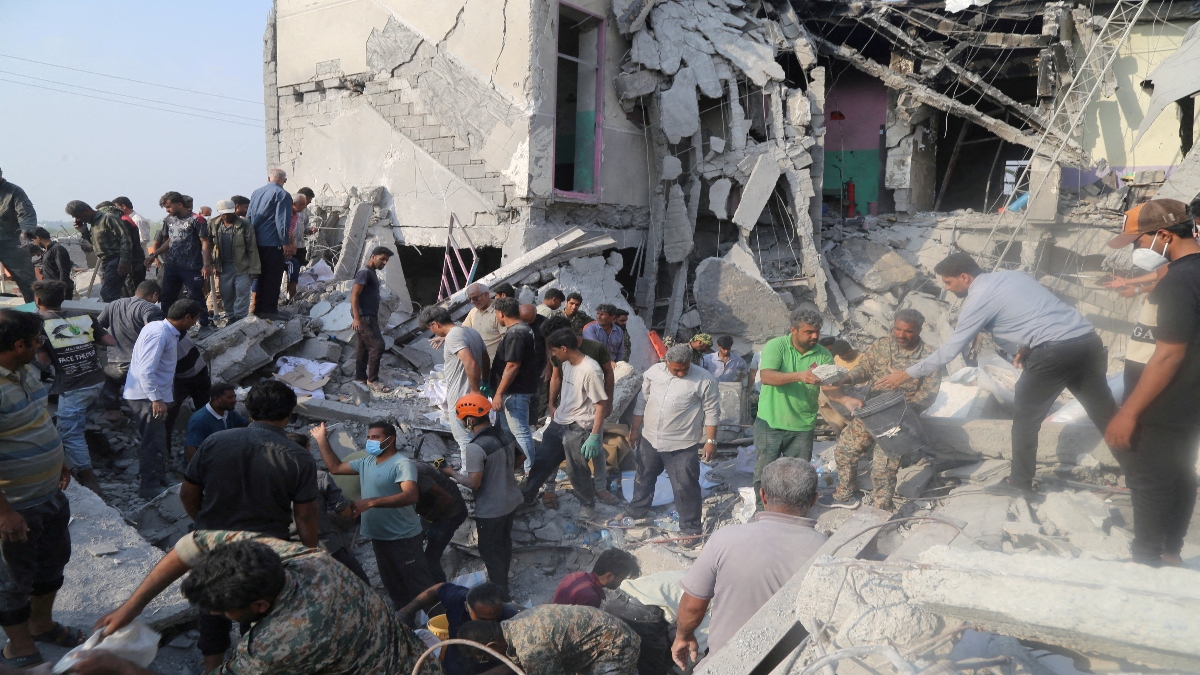
The war, triggered nearly two weeks ago by joint air strikes from the United States and Israel, has killed roughly 2,000 people so far, most of them in Iran and Lebanon. The fighting has spread beyond Iran’s borders, destabilising the wider region and disrupting global energy markets.
Despite heavy bombardment, Tehran has continued to fire missiles and drones across the region, showing it retains the capacity to retaliate.
Strategic Strait under pressure
Much of the concern now centres on the Strait of Hormuz, a narrow waterway along Iran’s coast through which about a fifth of the world’s oil supply normally flows.
Quick Reads
View AllAlthough US President Donald Trump claimed American forces had destroyed much of Iran’s naval capability, commercial shipping has yet to resume normal operations through the strait.
“Doesn’t mean we’re going to end it immediately, but … They’ve got no navy, they’ve got no air force, they’ve got no anti-air traffic anything. They have no systems of control. We’re just riding free range over that country,” Trump said.
Yet Iranian officials insist the strategic channel remains firmly under Tehran’s control. Reports indicate that mines have been deployed in the waterway, further complicating efforts to reopen it to commercial traffic.
The escalating crisis has prompted the Group of Seven nations to consider providing naval escorts for ships navigating the Gulf.
Threats of economic retaliation
Iran has made clear that it intends to inflict economic pressure on its adversaries. Military spokesperson Ebrahim Zolfaqari warned Washington that the destabilisation of the region could drive oil prices dramatically higher.
“Get ready for oil to be $200 a barrel, because the oil price depends on regional security, which you have destabilised,” he said.
At sea, a Thai-flagged bulk carrier was set ablaze, forcing crew members to evacuate, while two other vessels reported damage from projectiles. The latest incidents bring the number of merchant ships struck since the war began to 14.

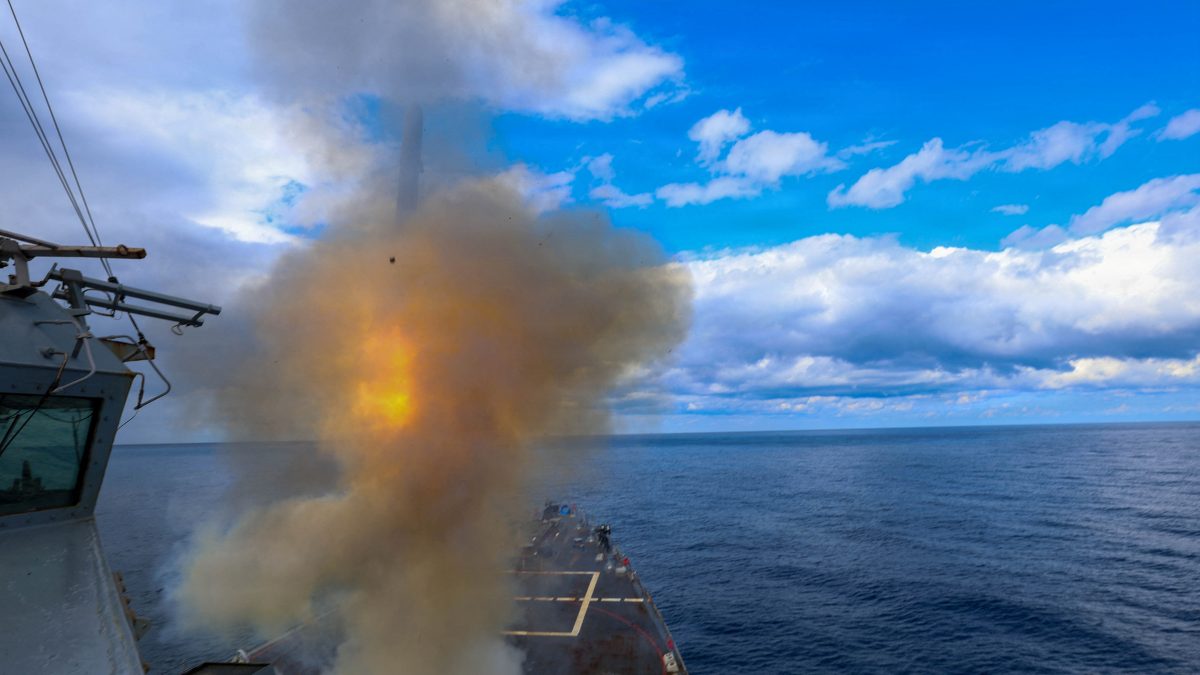 "US-Israel Iran War Live Updates: US spent $11.3bn in first week of war with Iran, confirms Pentagon")
 "Iran sets three conditions to end war with US and Israel, demands rights recognition and reparations")
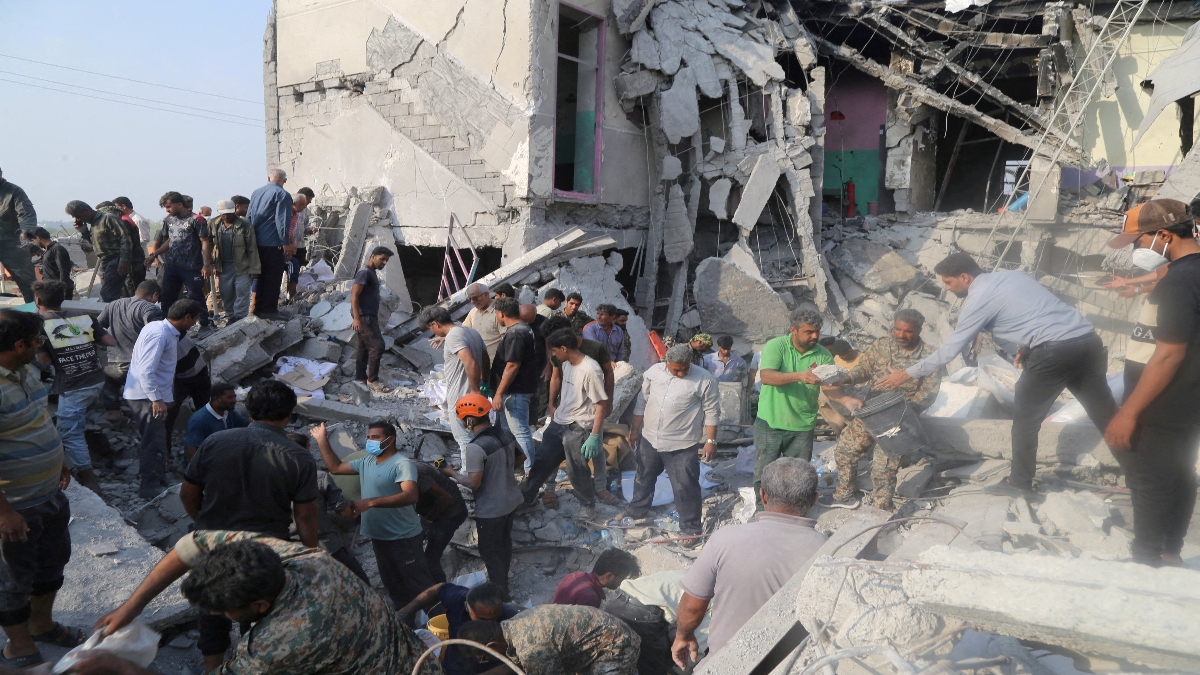 "US probe finds Tomahawk strike on Iranian school was a ‘targeting mistake’ by American forces: Report")
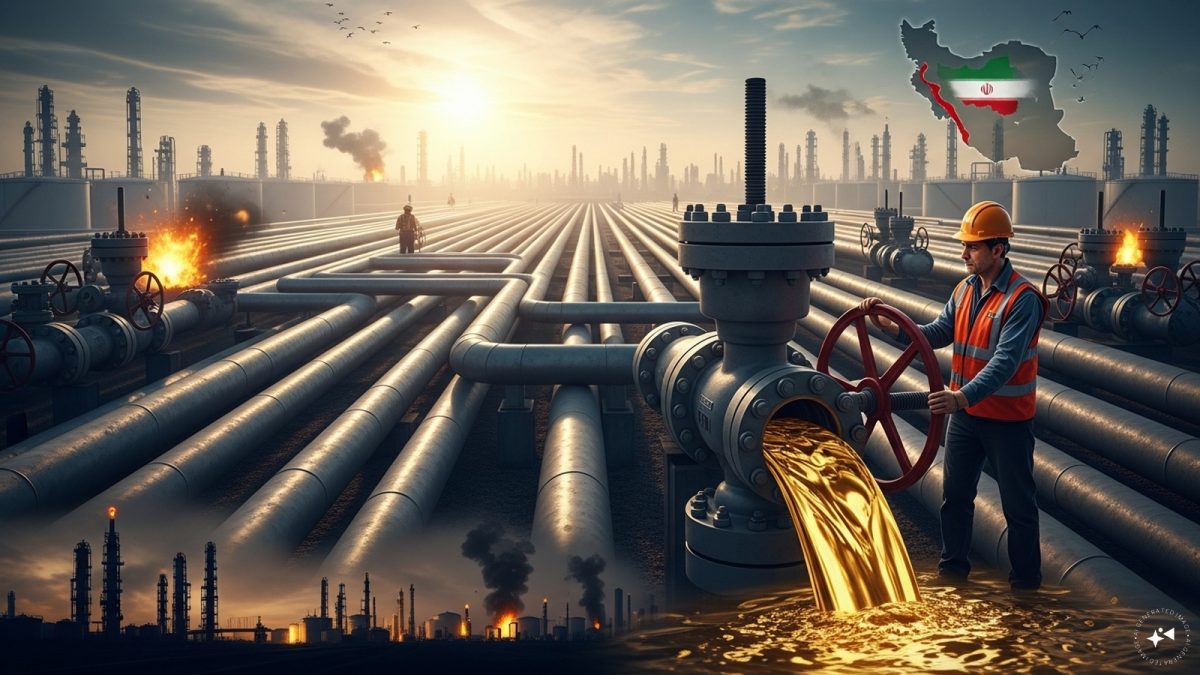 "IEA to release 400 million barrels of oil as Iran war disrupts global supply")
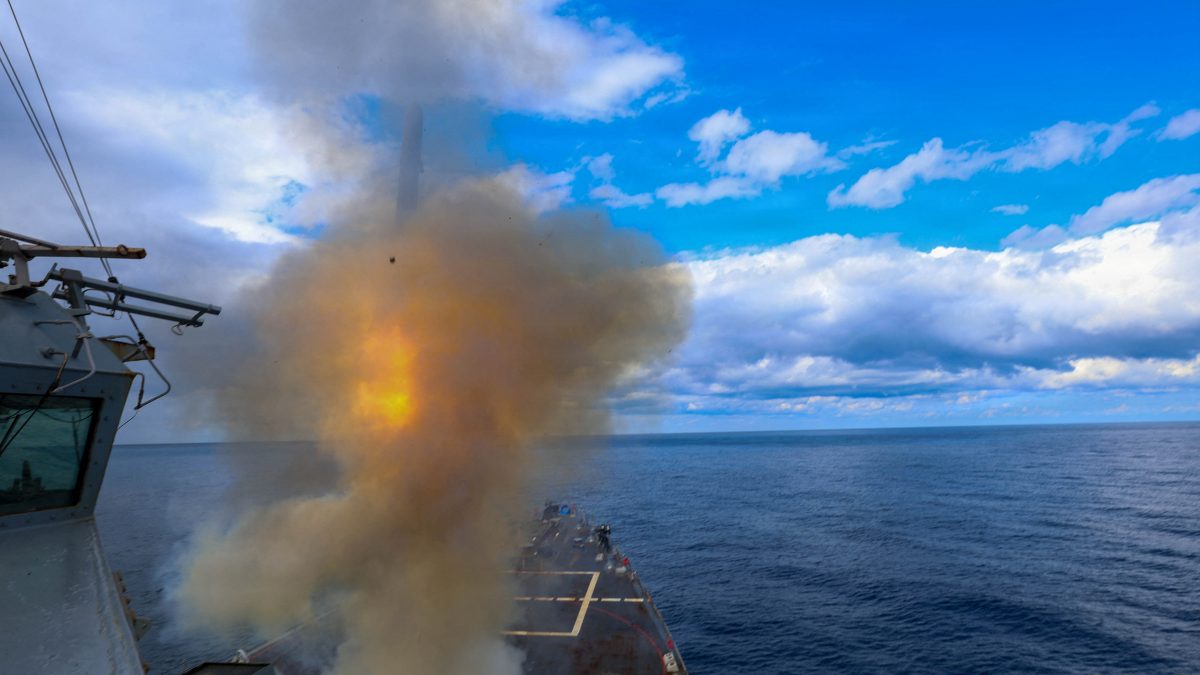 "US-Israel Iran War Live Updates: US spent $11.3bn in first week of war with Iran, confirms Pentagon")
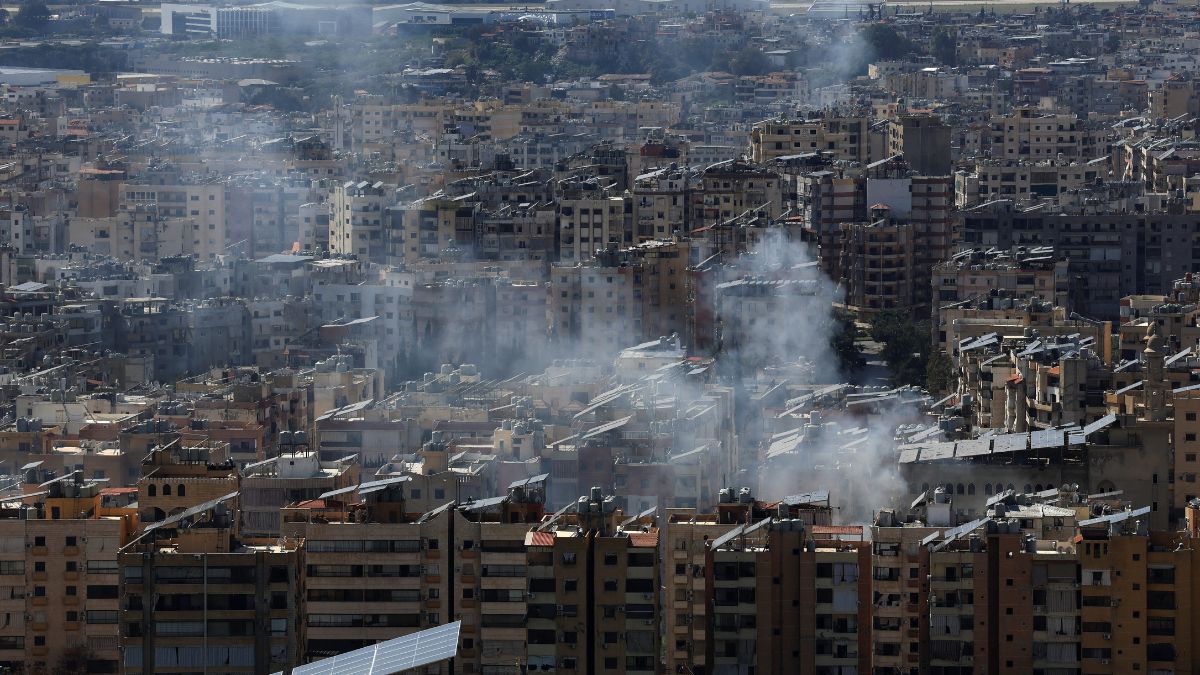 "Iran sets three conditions to end war with US and Israel, demands rights recognition and reparations")
 "US probe finds Tomahawk strike on Iranian school was a ‘targeting mistake’ by American forces: Report")
 "IEA to release 400 million barrels of oil as Iran war disrupts global supply")