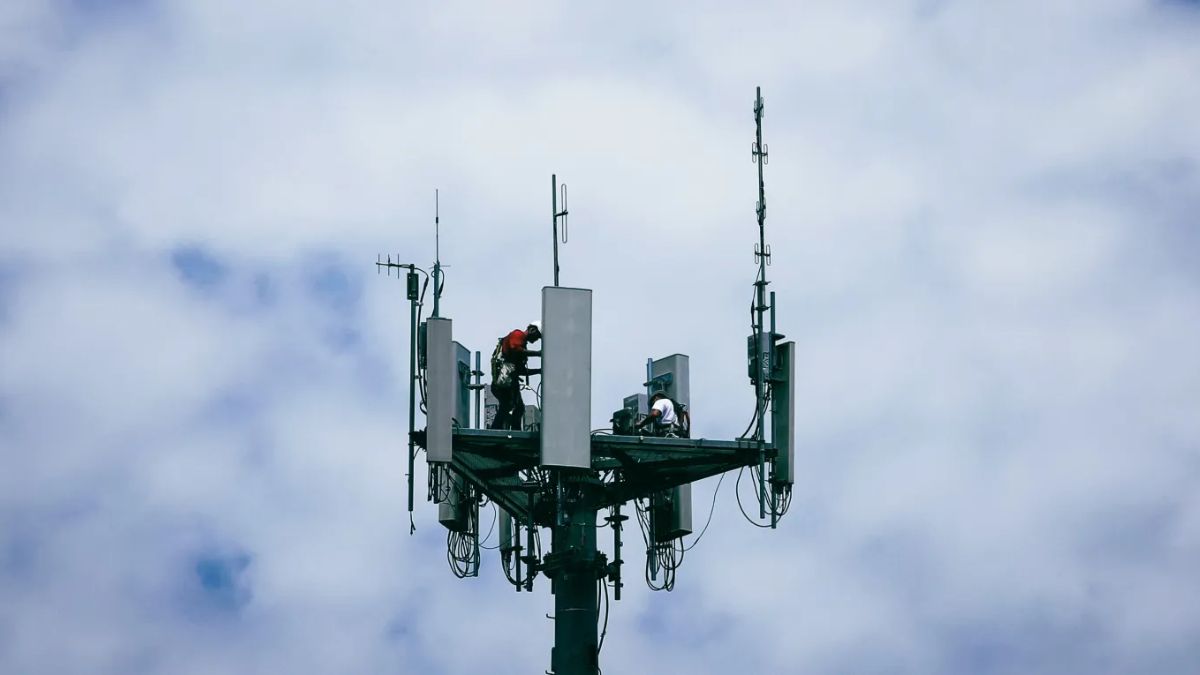
 "LPG shortage: Will it affect mobile and internet services in India?")
Concerns are emerging within India’s telecom infrastructure sector that the ongoing shortage of LPG could eventually influence mobile and internet connectivity if the situation continues for long. Industry representatives say the supply disruption is already affecting telecom tower manufacturing, raising worries about possible delays in expanding network infrastructure.
The issue surfaced earlier this week after oil marketing companies stopped supplying LPG to telecom tower manufacturing facilities. The halt followed a directive from the government that prioritised LPG distribution exclusively for domestic households.
At present, mobile and internet services across the country remain unaffected. However, if the disruption continues, it could slow down the pace at which new telecom towers are built. These towers play a vital role in supporting India’s mobile networks and expanding connectivity, especially in underserved regions.
LPG supply halt creates manufacturing challenge
According to the Digital Infrastructure Providers Association (DIPA), the suspension of LPG supplies to telecom tower manufacturing companies came into effect on March 5 after an order from the Ministry of Petroleum and Natural Gas.
“LPG supplies to telecom tower manufacturing companies from Oil Marketing Companies have been discontinued with effect from 05 March 2026, following the Order issued by the Ministry of Petroleum and Natural Gas directing that LPG procured by public sector OMCs be supplied solely to domestic LPG consumers,” DIPA said in a response to a PTI query.
The directive instructs public sector oil marketing companies to ensure that LPG procured by them is used exclusively for domestic consumption. While the move is intended to protect household supplies, it has inadvertently created challenges for industries that rely heavily on LPG for manufacturing processes.
Quick Reads
View AllTelecom tower production is one such sector. LPG is commonly used in the galvanisation process, where steel tower structures are coated with molten zinc to prevent corrosion and ensure durability in outdoor environments.
This process requires consistent high temperatures, typically generated through LPG or LNG-based heating systems. Without a reliable supply of fuel, maintaining the required conditions for galvanisation becomes extremely difficult.
Industry players say some manufacturing units are currently operating under reduced heat levels in an attempt to keep molten zinc in liquid form and avoid damage to their equipment. However, this approach is only a temporary workaround.
If the supply disruption continues, factories may eventually have to remove the molten zinc from galvanisation baths and halt operations completely. Restarting such facilities can be complex and time-consuming, potentially leading to extended delays in telecom tower production.
DIPA, whose members include companies such as Indus Towers, Ascend Telecom Infrastructure, Vodafone Idea and Gentari India, has raised these concerns with government authorities.
Potential impact on telecom networks
The association has formally written to Telecom Secretary Amit Agarwal requesting urgent intervention. It has urged the Department of Telecommunications to coordinate with the Ministry of Petroleum and Natural Gas to restore LPG and LNG supplies for telecom tower manufacturing units.
According to DIPA, continued disruption in fuel availability could impact the broader telecom infrastructure supply chain and slow down ongoing and planned tower deployments.
Any delays in installing new towers could affect efforts to expand network coverage and improve connectivity in regions where infrastructure remains limited or where existing networks are under heavy demand.
Telecom towers are essential to the functioning of India’s mobile networks. They enable voice calls, mobile internet services and advanced technologies such as 5G connectivity.
Reliable telecom infrastructure is also crucial for a wide range of essential services, including digital governance systems, financial transactions, healthcare platforms, telemedicine services, and emergency communication during disasters.
In addition, DIPA highlighted that many mobile towers depend on diesel generator sets to maintain operations during power outages. This reliance on fuel-based backup systems makes the sector particularly sensitive to disruptions in energy supply chains.
To mitigate potential risks, the association has also asked the Department of Telecommunications to engage with the Ministry of Power and state electricity utilities. The aim is to ensure that telecom infrastructure and mobile tower sites receive priority electricity supply across the country.
“To prevent damage to galvanization plants and maintain zinc in molten form, some manufacturing partners have shifted to low-flame operations. However, if the disruption continues, plants may be forced to remove molten zinc and shut down operations entirely. Restarting these facilities requires significant time, which could lead to prolonged disruption in tower manufacturing,” DIPA said.
Although mobile and internet services remain stable for now, industry stakeholders say swift government action will be important to prevent future disruptions as the LPG supply situation continues to evolve.


 "US-Israel Iran War Live Updates: Blasts heard across Doha as Iran’s Gulf strikes enter 12th day; Qatar intercepts new missile attack")
 "Explained: Where does India get its oil and gas from?")
 "Ayatollah Khamenei reportedly opposed son Mojtaba’s rise as Iran’s Supreme Leader")
 "Iran War: Oil to remain above $95 for next two months, says Trump administration")
 "US-Israel Iran War Live Updates: Blasts heard across Doha as Iran’s Gulf strikes enter 12th day; Qatar intercepts new missile attack")
 "Explained: Where does India get its oil and gas from?")
 "Ayatollah Khamenei reportedly opposed son Mojtaba’s rise as Iran’s Supreme Leader")
 "Iran War: Oil to remain above $95 for next two months, says Trump administration")