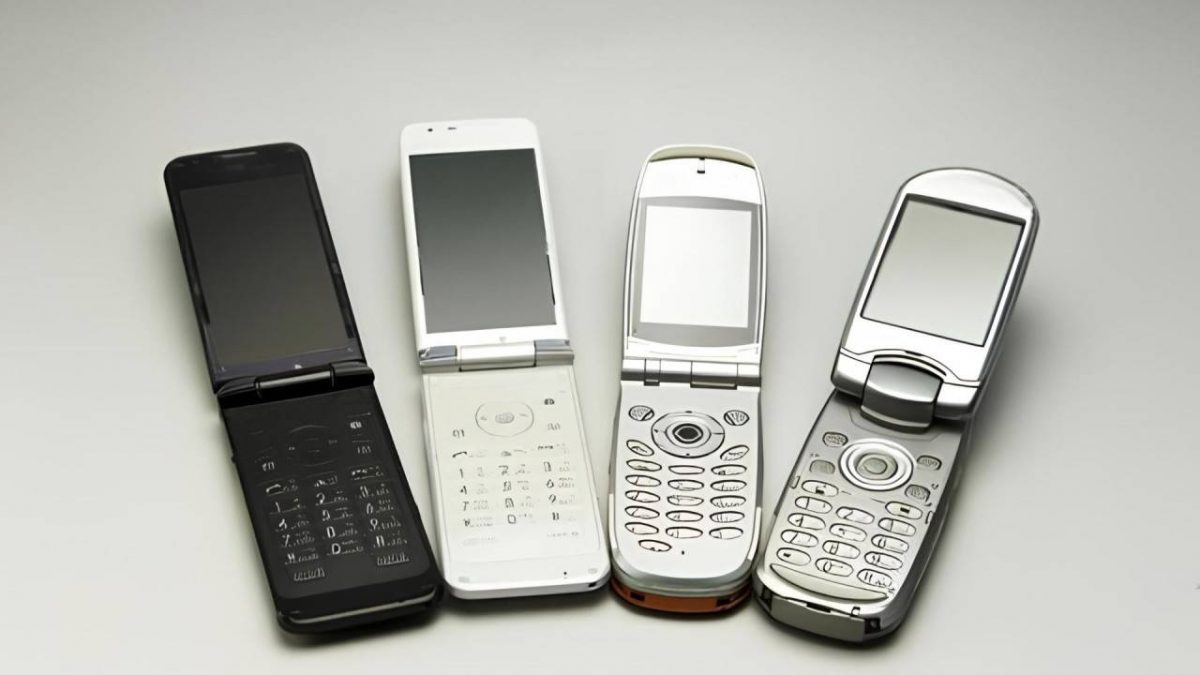
 "Goodbye garakē: The flip phone that defined Japanese internet culture switching off one last time")
In a world increasingly defined by constant notifications and endless scrolling, a quiet and profound shift is taking place in Japan. As some users globally attempt to disconnect from smartphones, a segment of Japanese society is being nudged in the opposite direction, stepping into the digital mainstream for the very first time.
At the heart of this transition is the end of an era. The humble flip phone, once a symbol of Japan’s uniquely advanced mobile culture, is finally reaching its last chapter. For many, it is more than just a technological upgrade. It is a cultural turning point.
Goodbye garakē: The end of a uniquely Japanese mobile ecosystem
Japan’s largest telecom operator, NTT Docomo, is set to switch off its 3G network, bringing an end to services that have supported older flip phones for decades. The shutdown will affect around half a million remaining users, effectively cutting off access to a mobile ecosystem that once set Japan apart from the rest of the world.
The move follows a broader industry trend. As faster 4G and 5G networks expand, older infrastructure is being phased out globally. Japan had already retired 2G services years ago, while other major carriers have gradually shut down their 3G networks in recent years. With Docomo’s final switch-off, the transition will be complete.
Yet the impact goes far beyond connectivity. More than 400 legacy phone models will stop functioning, alongside older systems embedded in everyday infrastructure such as car navigation units and even vending machines. Millions of such devices still rely on ageing networks, underlining just how deeply embedded this technology has been in daily life.
Central to this story is the “garakē”, a distinctly Japanese form of feature phone. The name blends “Galapagos” and the Japanese word for mobile phone, reflecting how these devices evolved in relative isolation. Long before smartphones became global staples, garakē handsets offered features like email, internet browsing and mobile payments, powered by Docomo’s pioneering i-mode service.
Quick Reads
View AllLaunched in 1999, i-mode created a self-contained mobile internet experience tailored specifically for these devices. For many users, it was their first and only gateway to the online world. Its shutdown now signals the disappearance of an internet culture that developed independently from the global web.
A generation steps into the smartphone era
As the old network fades out, a new chapter is beginning, particularly for those who have held on to their flip phones the longest. Many users, often older adults, are now transitioning to smartphones, navigating unfamiliar interfaces and learning entirely new digital habits.
Social media posts reflect a mix of curiosity and excitement. Some first-time smartphone users describe discovering features like custom wallpapers, messaging apps and online shopping with a sense of wonder. What may seem routine to younger generations represents a major shift for those entering this space later in life.
To support this transition, NTT Docomo has introduced in-store training sessions designed to ease users into smartphone usage. These classes cover basic skills such as making calls, saving contacts, taking photos and browsing online marketplaces. There are even introductory sessions simply encouraging users to familiarise themselves with the device.
The farewell to garakē is therefore not just about outdated hardware. It marks the closing of a chapter in which Japan charted its own mobile path, years ahead of global trends yet distinctly separate from them. As the last signals fade, what remains is a reminder of how quickly technology evolves and how differently it can shape generations.


 "Iran War Live Updates: Iran executes two over alleged links to US-Israeli-backed opposition group")
 "Why have Yemen’s Houthis entered the West Asia war now?")
 "Two victories, one war: US and Iran think they can win — is this the biggest obstacle to a peace deal?")
 "Marines arrive, Houthis join, aluminum plants hit: Iran war is widening faster than diplomacy can contain it")
 "Iran War Live Updates: Iran executes two over alleged links to US-Israeli-backed opposition group")
 "Why have Yemen’s Houthis entered the West Asia war now?")
 "Two victories, one war: US and Iran think they can win — is this the biggest obstacle to a peace deal?")
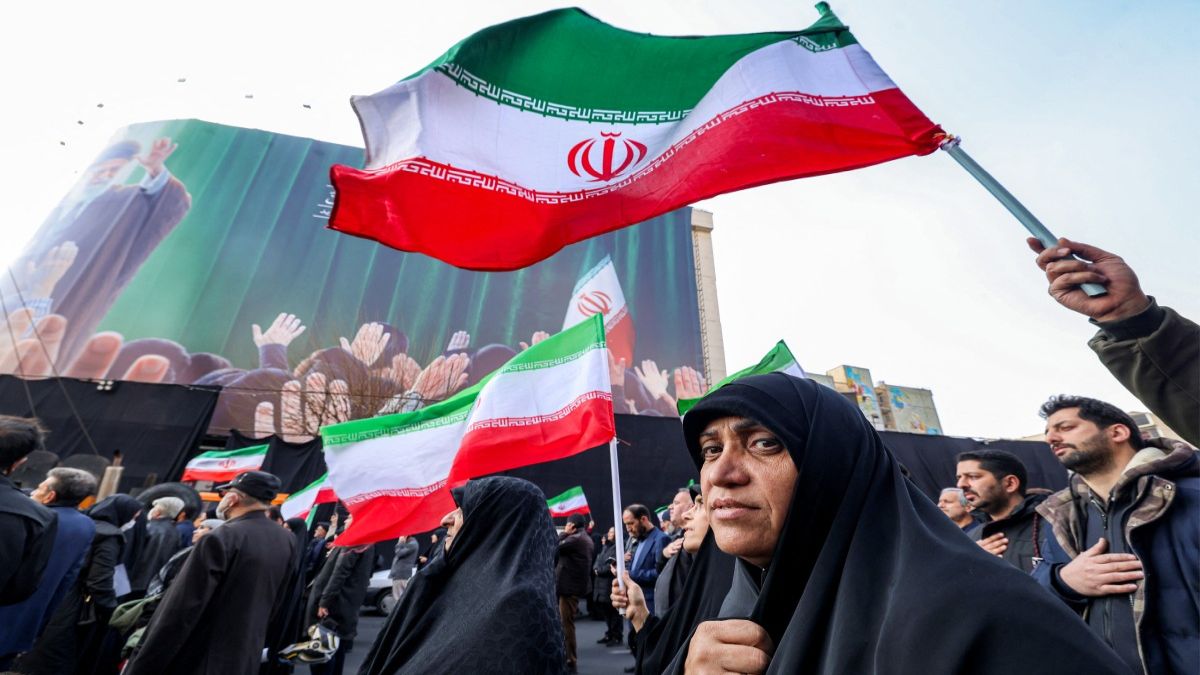 "Marines arrive, Houthis join, aluminum plants hit: Iran war is widening faster than diplomacy can contain it")