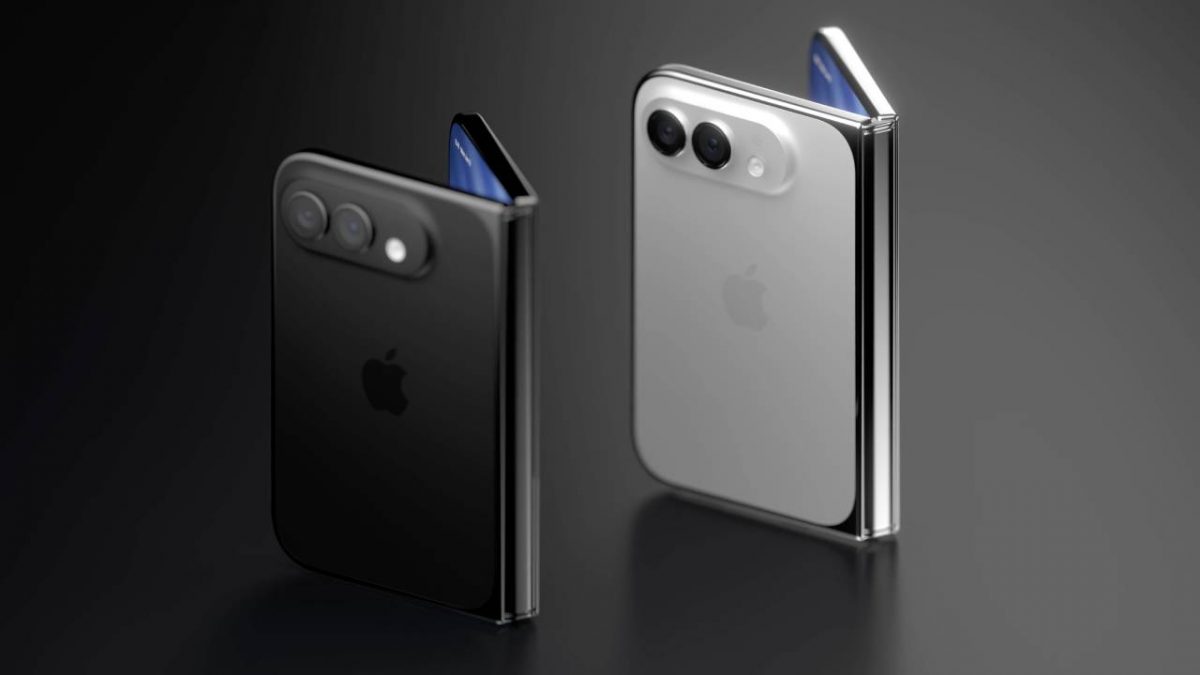
 "iPhone Fold may not launch with iPhone 18 Pro as expected, report suggests delay")
For years, the idea of a foldable iPhone has hovered somewhere between anticipation and speculation. Now, as reports begin to align, the device appears closer than ever to reality.
Yet, rather than a triumphant, on-schedule debut, Apple’s first foldable may arrive with delays, limited availability and a price tag that underscores just how experimental this product could be.
Apple’s carefully choreographed iPhone launch cycle, honed over more than a decade, may not apply this time. While the exact timeline is expected to be disclosed during the WWDC 2026, scheduled in June, the rumour has it that iPhone fold will miss the launch with iPhone 18 Pro.
Instead of the familiar September announcement followed by swift pre-orders and deliveries, the foldable iPhone could test both Apple’s production capabilities and consumers’ patience.
iPhone fold launch delay
According to Bloomberg’s Mark Gurman, Apple’s foldable iPhone is now expected to ship “a bit later” than the upcoming iPhone 18 Pro models, signalling a break from the company’s typical release cadence. While the device is still widely expected to be unveiled during Apple’s September event, retail availability could slip to October or November, and in some scenarios, even December or early 2027.
Apple has not officially confirmed the existence of the device, nor shared any details around naming or timelines. However, the consistency of supply-chain reports suggests that a staggered launch is increasingly probable.
For consumers, this creates a more complex upgrade decision.
Those planning to skip the iPhone 18 series in favour of the foldable model may need to reconsider, as the latter may not be widely available during the initial launch window. Even in the most optimistic scenario, buyers should expect a gap of several weeks between announcement and shipping.
The uncertainty reflects the challenges of introducing a new form factor. Gurman noted that foldable devices are inherently difficult to produce, pointing to the complexity of display technology and the additional engineering demands compared to traditional smartphones.
Quick Reads
View AllApple has historically delayed products when introducing major design shifts, as seen with the iPhone X, which shipped weeks after its announcement.
iPhone fold launch: Supply constraints, high prices and engineering hurdles
Beyond timing, the foldable iPhone’s rollout is expected to be constrained by limited supply and premium pricing. Analyst Ming-Chi Kuo has previously indicated that Samsung Display is preparing between seven and eight million foldable panels for the initial production run. Compared to Apple’s typical iPhone volumes, this suggests a tightly controlled launch rather than a broad global release.
Such limitations could make the device difficult to obtain, particularly if it launches close to the holiday season. A December release, for instance, would place it in direct competition with peak consumer demand, further straining availability.
Price is another barrier. Estimates from multiple analysts place the foldable iPhone well above Apple’s current flagship models, with expectations starting around $2,000 and potentially climbing to $2,500. This would position it as the most expensive iPhone ever released, effectively limiting its appeal to early adopters and premium buyers.
The reasons behind these constraints lie in the device’s engineering complexity. Apple is reportedly targeting a significantly reduced display crease, with specifications suggesting a depth below 0.15mm, a notable improvement over existing foldables.
Achieving this requires new OLED technology, likely developed in close collaboration with Samsung Display, as well as a more advanced glass structure designed to distribute mechanical stress.
At the same time, key components such as the hinge mechanism have reportedly faced delays in finalisation, raising the risk of further setbacks. Production timelines appear tight, with mass manufacturing expected to begin only months before the anticipated launch window, leaving little room for adjustments.
These challenges highlight a broader reality. Unlike iterative iPhone updates, the foldable model represents a fundamental shift in design, one that pushes the limits of current manufacturing capabilities. As Gurman put it, foldable displays remain among the most complex technologies in the consumer electronics market.
For now, the foldable iPhone appears poised to arrive not as a seamless addition to Apple’s lineup, but as a cautious, high-stakes experiment. Whether it meets expectations or reinforces concerns about durability, cost and practicality may ultimately determine how quickly foldable devices move from novelty to mainstream.


 "Iran War Live Updates: Oil surges past $116 as Iran warns of potential US invasion-")
 "Is the US preparing for ground offensive in Iran?")
 "Marines arrive, Houthis join, aluminum plants hit: Iran war is widening faster than diplomacy can contain it")
 "India-Canada ties 're-normalising': India's former envoy says was 'treated like a criminal' during Nijjar crisis")
 "Iran War Live Updates: Oil surges past $116 as Iran warns of potential US invasion-")
 "Is the US preparing for ground offensive in Iran?")
 "Marines arrive, Houthis join, aluminum plants hit: Iran war is widening faster than diplomacy can contain it")
 "India-Canada ties 're-normalising': India's former envoy says was 'treated like a criminal' during Nijjar crisis")