

 "WNBA faces growing lockout threat as players demand NBA-style revenue share amid stalled CBA talks")
There’s no end to the risk of a lockout or strike in the Women’s National Basketball Association (WNBA) as the league organisers and the players remain locked in salary negotiations. An abrupt halt was avoided on Sunday when the current Collective Bargaining Agreement (CBA), which was due to expire on 30 November, was extended for 40 more days till 9 January 2026.
This is the second such extension, as the CBA was initially due to expire on 31 October, before the deadline was pushed to November.
WNBA’s salary dispute deepens
The WNBA players are unhappy with the fixed salary increases and are eyeing a larger share of the revenue as the tournament keeps getting popular.
According to media reports in the USA, the league is ready to increase the maximum salary from $250,000 to $1.1 million, raising the average player salary to more than $460,000 and increasing the minimum salary to $220,000.
However, WNBA players want more than just salary increases. They believe they should follow the NBA’s path, which began with their first CBA in 1970 and by 2011 had negotiated a 50-50 split of basketball-related income.
“Players are pushing for revenue-sharing arrangements similar to those in men’s professional leagues, rather than fixed salary increases that don’t keep pace with the WNBA’s growth in media deals and team valuations,” Daniel Kelly II, an associate dean and professor at New York University who specialises in sports law, told Reuters. “The business is growing exponentially, yet they want the players salaries to increase at a fixed amount.”
The push from the players has been strengthened by a rival league’s lucrative salary structure. Unrivaled, a 3-on-3 basketball league which began its first season in January, reported an average salary of $222,222, which included amenities such as on-site childcare.
Quick Reads
View AllEven more threatening is Project B, which plans to launch next fall with men’s and women’s 5-on-5 basketball and is reportedly offering salaries up to $2 million. It has signed WNBA players union (WNBPA) president Nneka Ogwumike, along with big names like Alyssa Thomas and Sophie Cunningham.
All in all, it seems the WNBA’s hands are tied; they have delayed the negotiations, but may have to finally agree to share more of the revenue. In any case, a compromise has to be made, else we risk a work stoppage and denting the popularity the league has achieved in recent years.

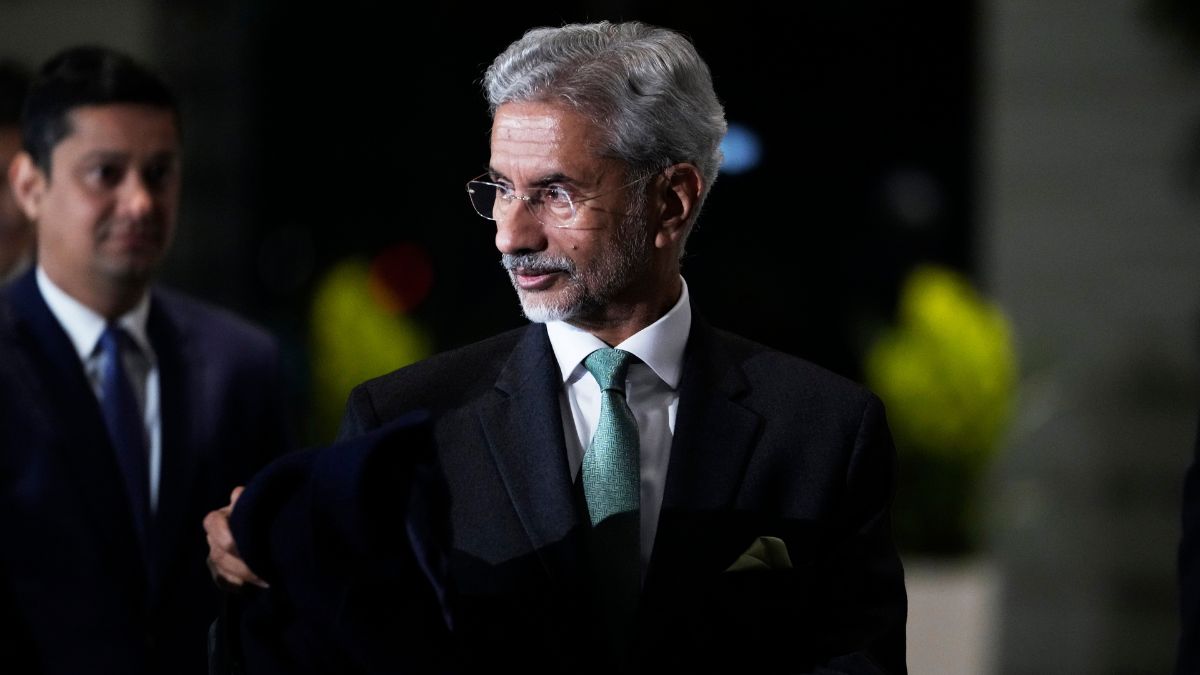 "Jaishankar warns misuse of biological weapons by non-state actors is no longer a 'distant possibility'")
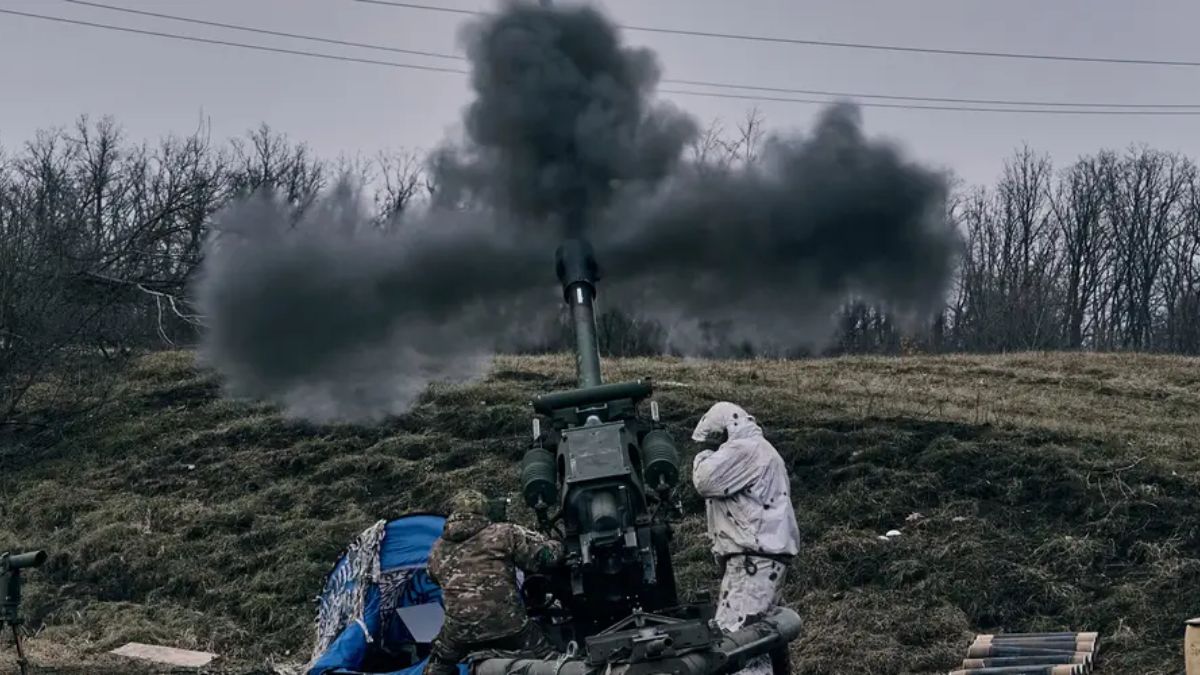 "How wars and conflicts made arms manufacturers richer")
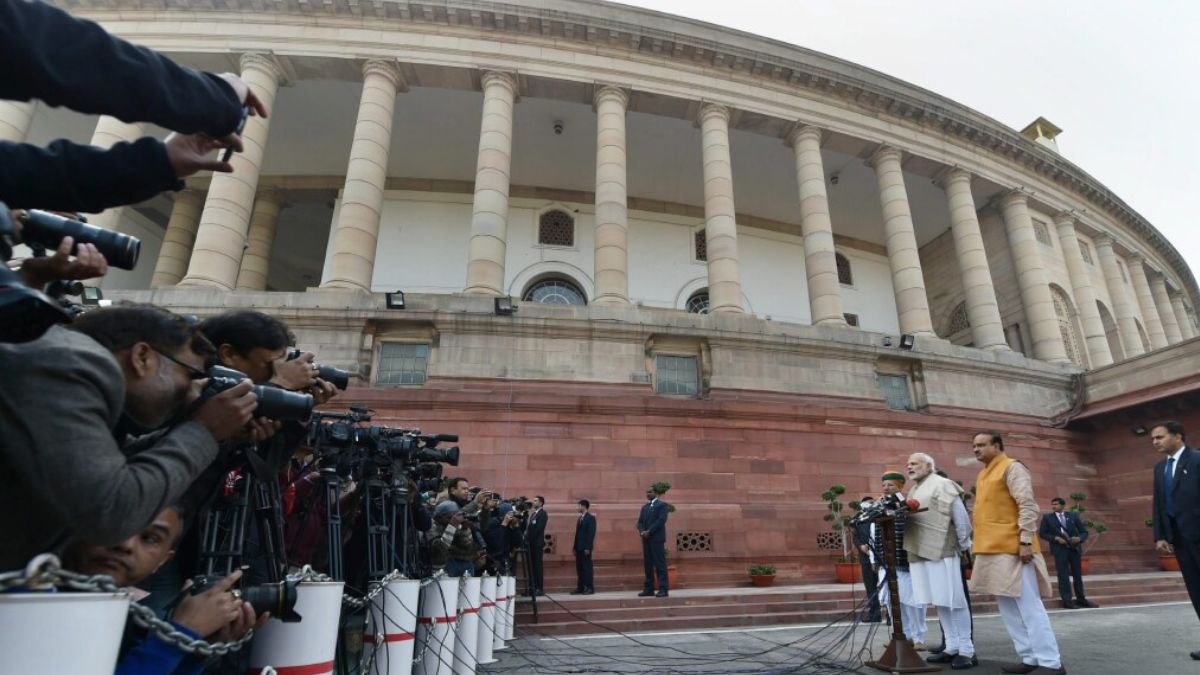 "Breaking News Live Updates: Lok Sabha adjourned for the day amid opposition's uproar over SIR")
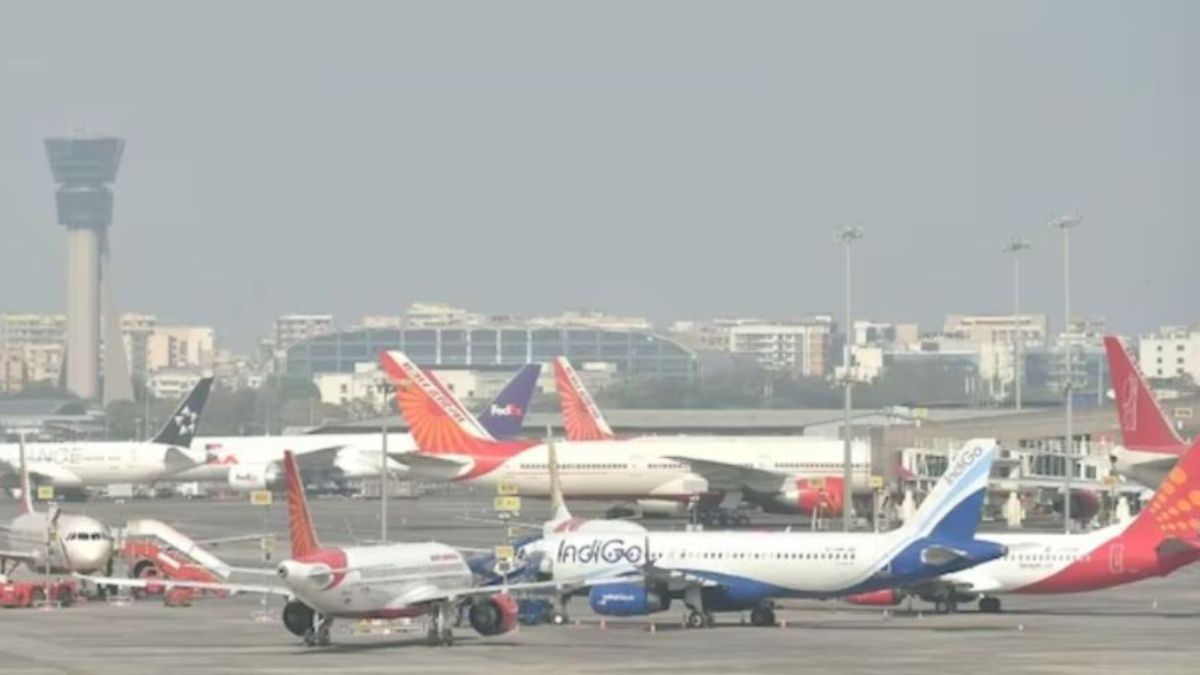 "Indian govt confirms GPS spoofing at Delhi airport; flights forced into backup landing modes")
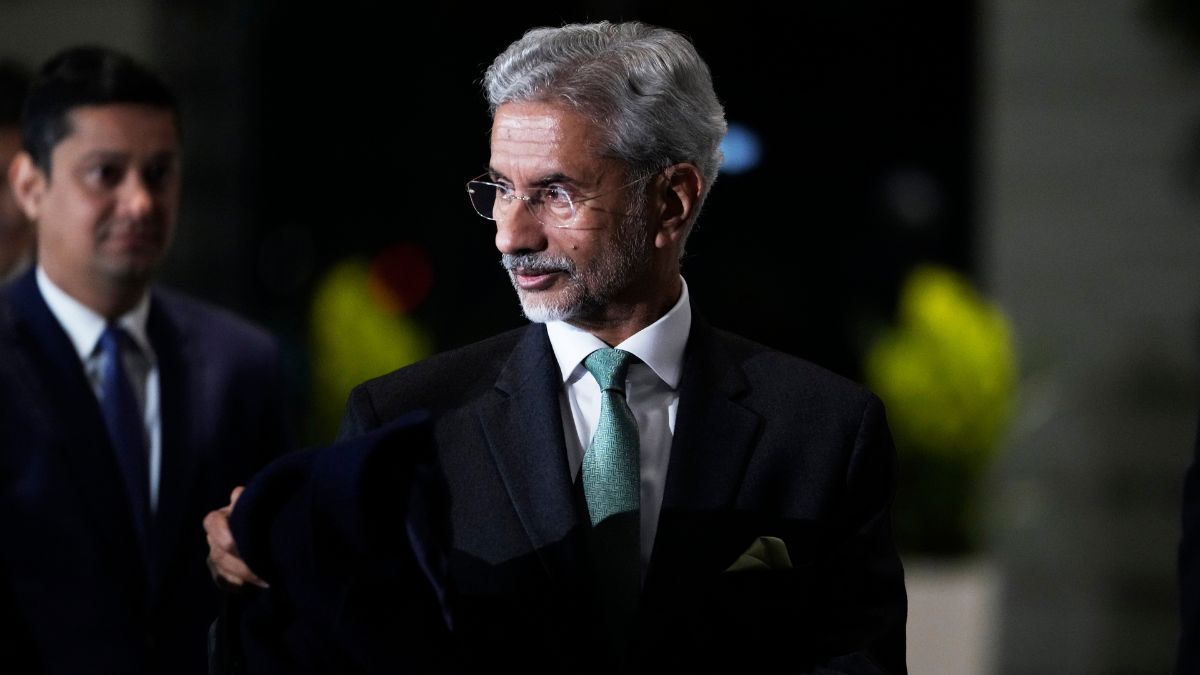 "Jaishankar warns misuse of biological weapons by non-state actors is no longer a 'distant possibility'")
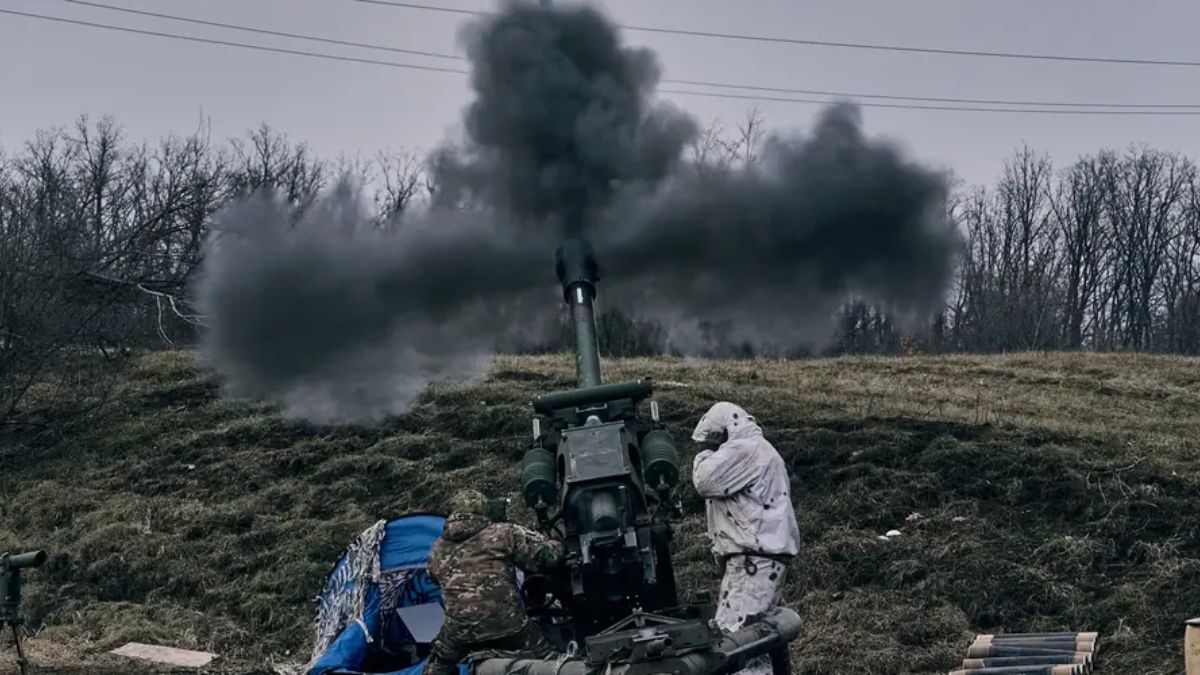 "How wars and conflicts made arms manufacturers richer")
 "Breaking News Live Updates: Lok Sabha adjourned for the day amid opposition's uproar over SIR")
 "Indian govt confirms GPS spoofing at Delhi airport; flights forced into backup landing modes")



