
Sections
Opinion News - Page 2

How China’s structural flaws make it more aggressive on borders
With its over-ambitious plans and despite inherent flaws, China is bound to become more aggressive on the borders; Delhi should take note of these developments
How Pakistan’s credibility crisis in West Asia could inflame tensions in South Asia
Pakistan’s reticence and opportunism have completely exposed it as an unreliable partner in West Asia; meanwhile, it can increase tensions in South Asia to divert public opinion and present an excuse
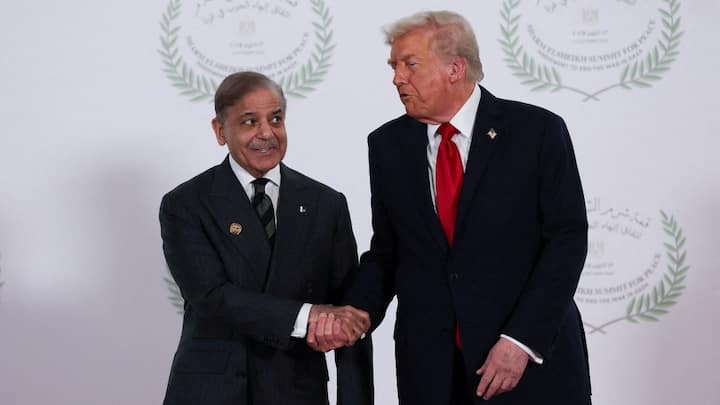
How US-UK-Pakistan nexus continues to target India
US President Donald Trump makes no secret of his admiration for Pakistan’s jihadist terror-sponsoring army chief Asim Munir
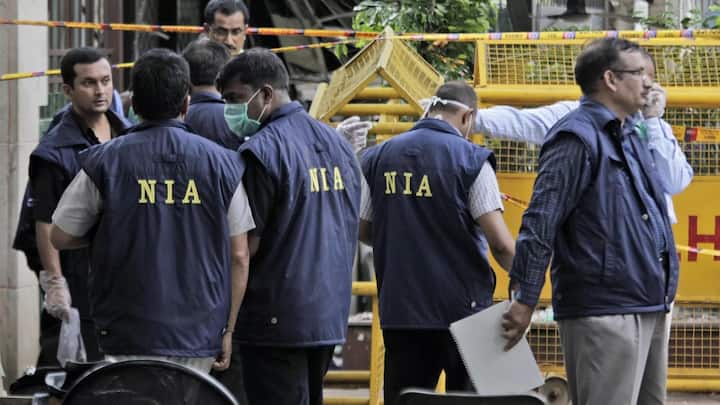
Drones, denial, and the Northeast: Matthew VanDyke and India’s emerging security blind spot
The recent NIA arrests point to a deeper shift: drone warfare edging closer to India’s Northeast
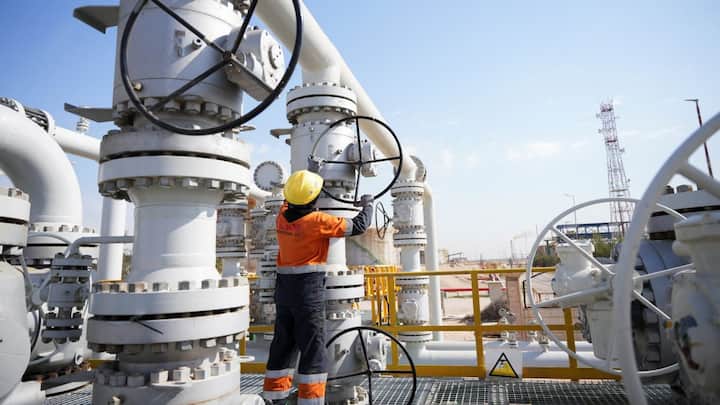
From South Pars to Hormuz: India’s energy strategy faces its biggest test yet
Looking ahead, India’s energy security strategy will need to adapt to a more volatile environment
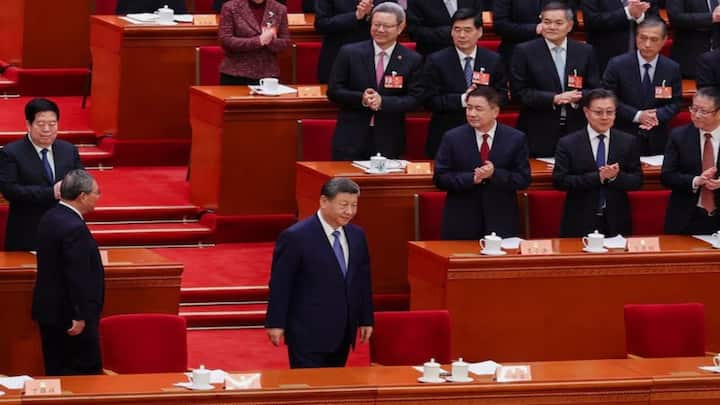
How China’s ‘Two Sessions’ signal Beijing gearing up for a superpower tussle
China is preparing for prolonged strategic competition with the US, with technological self-reliance, military modernisation and supply chain resilience being central to its strategy

How America’s ‘military superiority’ met a sobering reality check in the Iran war
Trump’s Iran misadventure lays bare a hard truth: technological dominance and operational skill cannot take the place of well-defined political objectives
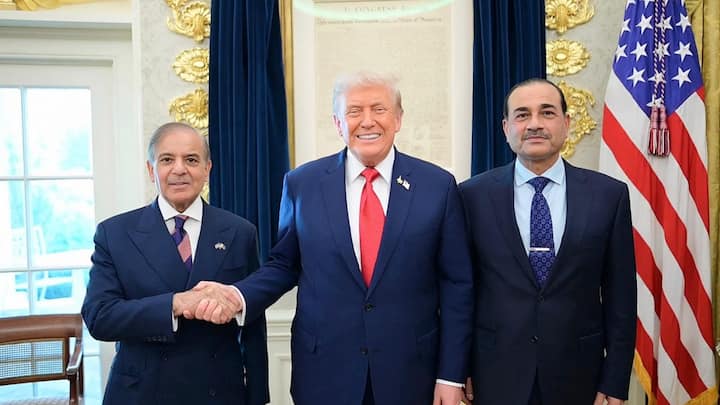
Pakistan’s double game in West Asia: Pro-Iran rhetoric, pro-America actions
Pakistan’s Asim Munir is reportedly engaging with US leadership to broker talks with Iran, even as Islamabad’s actions contradict its public claims of solidarity with Iran and the broader Muslim world, revealing a more complex and contradictory position

'It's not the bombs that scare us. It's survival': A month stranded in West Asia's war zone
A month stuck in a war-torn West Asia that changed everything—here's what held us together when nothing else did

America’s covert game: NIA arrests expose a shadow war in Bharat’s North-East
Myanmar is currently embroiled in a civil war between ethnic armed outfits and the military junta. To assume that ‘great games’ will remain confined to Myanmar is not just naïve but wilful blindness
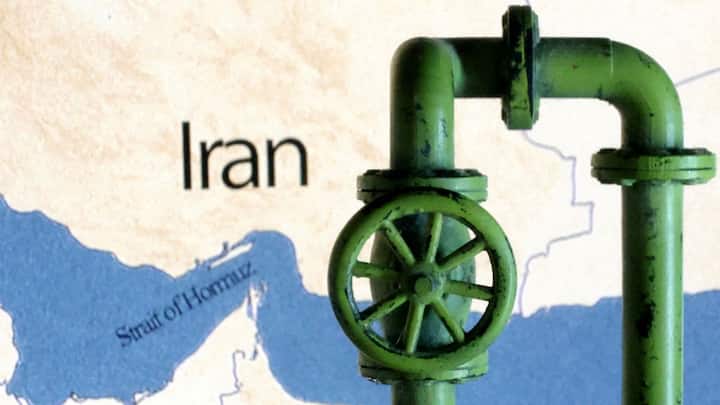
How the Hormuz crisis exposes structural vulnerabilities in India’s energy sector
Unlike diversified energy systems, India’s supply chain has limited redundancy. This creates a structural dependency on a single chokepoint
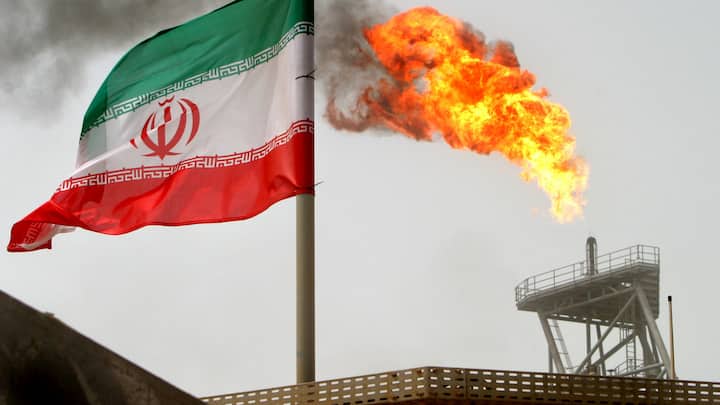
Why Iran can disrupt but not dominate the Gulf
The Persian Gulf’s waters may remain tense and contested, but the strategic arc of the conflict suggests that Iran’s denial strategy, ingenious though it is, cannot indefinitely withstand the grinding logic of sustained area control
How arrests of Western mercenaries signal the ‘new great game’ at India’s doorstep
Festering insurgencies in Myanmar may adversely impact India's Northeast at a time when Delhi wants to use it as a springboard for its 'Act East' policy to connect to the Tiger economies of Southeast Asia
Decoding Trump’s wildly divergent signalling on Iran war; why he’s trapped in a crisis of his own making
The American president overestimated coercive airpower, underestimated the resilience of Iranian regime, ignored intelligence feedback and jumped into the fray without anticipating regional blowback and Iran’s capacity to widen the frame of the war
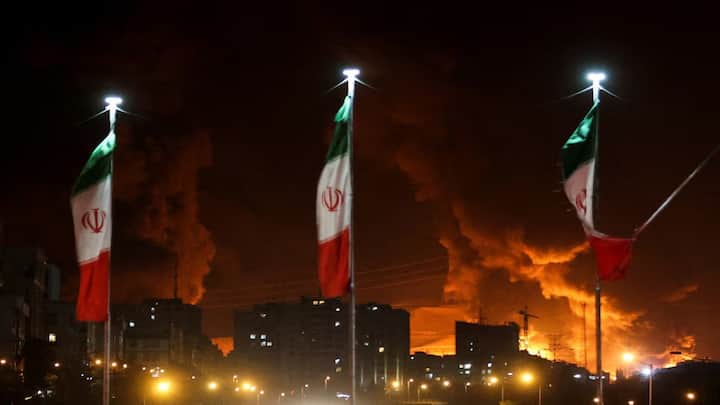
Shadow Warrior | The Iran war has no winners, only losers, and some more than others
American wars always seem to go back to simple ideas: control of oil, and the prevention of de-dollarisation but these conflicts ultimately produce no winners—only widespread losses, with the US and its rivals alike paying heavy economic, political, and human costs
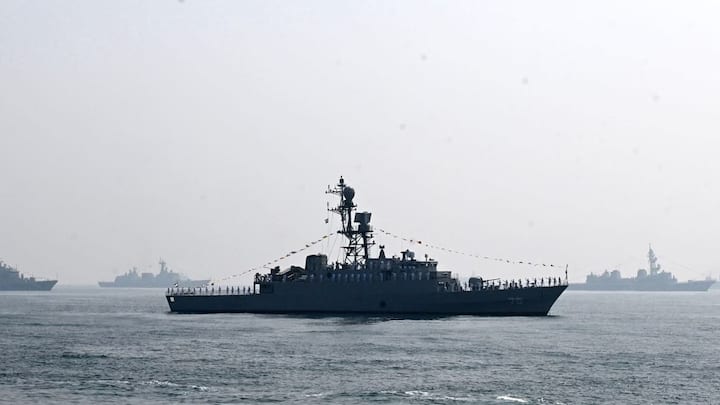
How India’s response to Iran’s distress call offshore Kochi was justified
Naval academies send cadets on warships for training, but they are not combatants. International humanitarian law does not clearly define their status, creating legal and moral uncertainty when these vessels face conflict or danger

How India balances energy security with a clean transition amid global risks
The right strategy for India is a balanced, multi-layered approach that prioritises immediate energy access and security while aggressively building a future-ready, low-carbon infrastructure

Why Britain’s new Islamophobia definition should worry Hindus and Sikhs
The recent diktat that only cracks down on criticism of Islam leaves other minorities vulnerable and points to a very dangerous political shift

How post-Hasina Bangladesh has become a theatre of Islamism and foreign interference
The convergence of foreign interests, coupled with the active role of Islamist groups, risks transforming Bangladesh into a proxy battleground
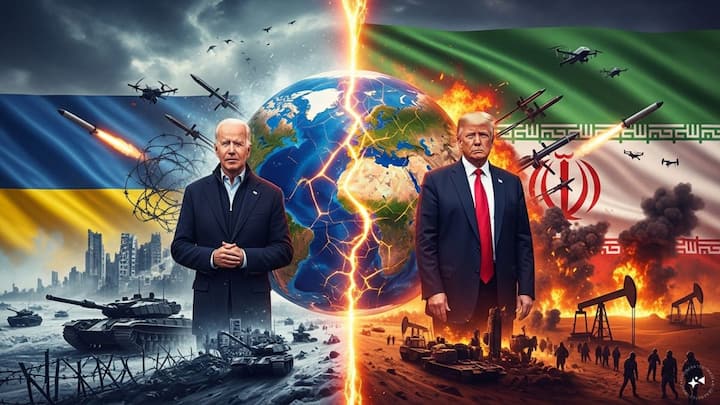
Trump’s vanity war in Iran echoes Biden’s Ukraine gamble, weakens America further
The wars in Ukraine and Iran are not isolated crises; they are symptoms of deeper structural flaws in American foreign policy
Beyond Washington consensus: How the 21st century is driven by technology and geopolitics, not ideology
The task before the world today is less about designing the next grand doctrine than about building guardrails for a system in which economic policy, technological innovation and geopolitical competition have become inseparable
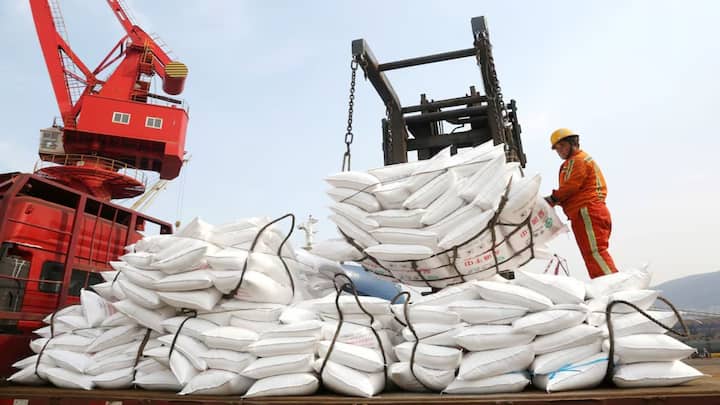
World’s silent food crisis: Why fertiliser disruption matters as much as oil
Fertilisers link energy to agriculture, agriculture links to food inflation, and food inflation links to political stability. These are not parallel stories, but a chain

A diplomat for difficult times: Doraiswami heads to Beijing to improve India-China ties
Mandarin-speaking envoy returns to Beijing at a moment when careful diplomacy, strategic patience and quiet confidence will be essential. His record suggests that he is well equipped for the task
Who will tell Ukrainian foreign ministry that attempting to bully India may backfire?
Since NIA’s arrest of its nationals, Ukraine has displayed a remarkable sense of entitlement, arrogance and zero interest in engaging in quiet diplomacy

Gulf crisis: India must urgently reform its energy sector
India today imports close to 87–89 per cent of its crude oil requirement. This is a result of decades of policy inertia, geological underperformance, and a hesitant embrace of reform in the upstream energy sector
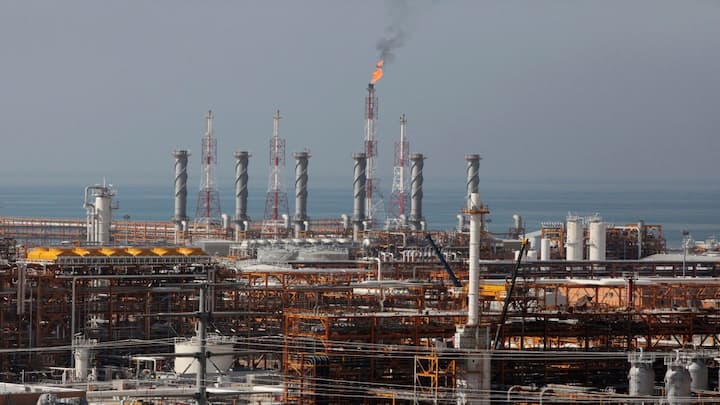
India’s energy sovereignty requires diversification and resilient planning
India’s path to resilient energy security lies in converting crisis‑driven improvisation into a coherent strategy: deep strategic and commercial stocks, diversified suppliers and routes, a fast‑greening and electrifying consumption base, and a geopolitically agile approach to sanctioned and sanctioning states alike
Why India should lead peace efforts in West Asia
India has a critical, multi-faceted stake in ending the ongoing conflict between Iran, Israel, and the United States, as the instability threatens its energy security, economic stability, and diaspora in the Gulf region
If Iran collapses, India must be prepared for a surge in weapons smuggling
The biggest threat to India from the Iran war will not be high energy prices or even refugees, but rather the potential for loose weapons falling into anti-India extremists’ hands
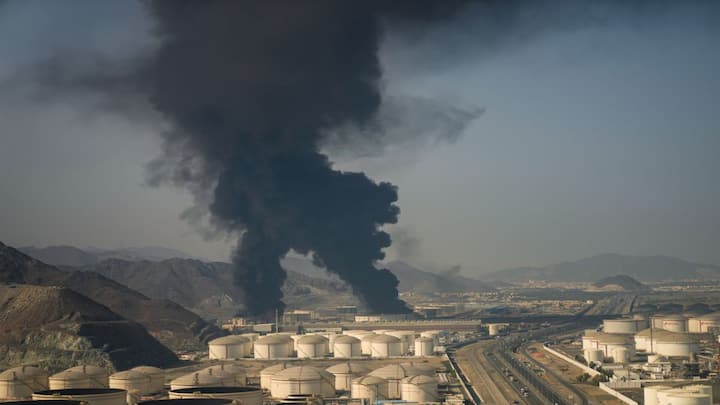
Beyond ceasefire: The unresolved core of the West Asian conflict
A ceasefire may pause the violence, but it does not address the underlying drivers of the conflict

How America is trying to ‘reshape’ West Asia with unipolar obsession
With Iraq out of the way, and then Iran, there is no doubt that a reordered West Asia would be pinned down by the Saudis and Israelis in a new kind of colonisation that sees no challenge to US power