

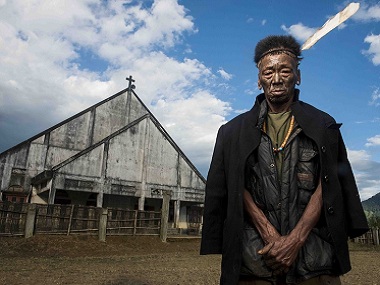
 "Portraits of the 'primitive': The Konyaks, Nagaland's headhunting tribe, are the subject of a new exhibition")
When you think of a tribal community, or ‘adivasis’ as they’re known in popular parlance here, the images that come to mind are of a face-painting, primitive people. This imagery, perhaps, has something to do with folk tales, parables and how these have mutated into popular culture. To an extent, this imagery may even be true. Some of India’s indigenous tribes are hunter-gatherers, wear next to no clothing, live as the primitive might — and are as detached from modern cities as city-dwellers are from their natural roots. [caption id=“attachment_3274240” align=“alignnone” width=“825”]  A royal privilege; A warlord’s tale; Skulls from a fierce past. All photos © Fanil Pandya[/caption] [caption id=“attachment_3274242” align=“alignnone” width=“825”] 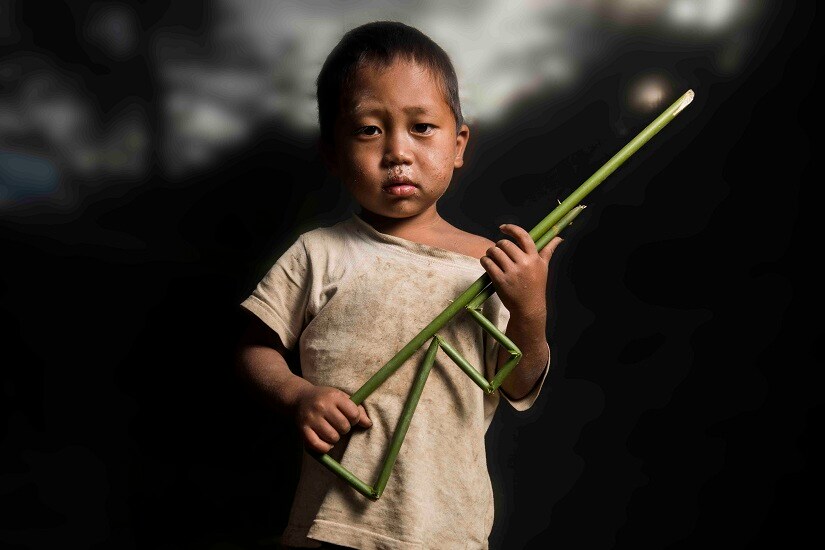 A boy and his gun[/caption] Photographer Fanil Pandya’s ‘Headhunters’ — currently being exhibited at the Egg Art Studio — on the Konyaks of Nagaland, one of the last headhunting tribes, is a careful exploration of this image. Fanil has channeled the inner human, by going for portraits alone. These photos show the people in their natural habitat, the unprofessed takeaway from which is their ability to blend into nature. In the few photographs that have a land-sky background, it seems like the transition between person and nature is regular, and automatic. Only the tribal can seem so. And in that way they are exceptionally distanced from the average city-dwelling citizen of the same country. What a distance… it seems like two ages of history have been forcefully thrown in together. Which also makes the viewer wonder, how do you photograph a people one probably barely understands? [caption id=“attachment_3274268” align=“alignnone” width=“825”] 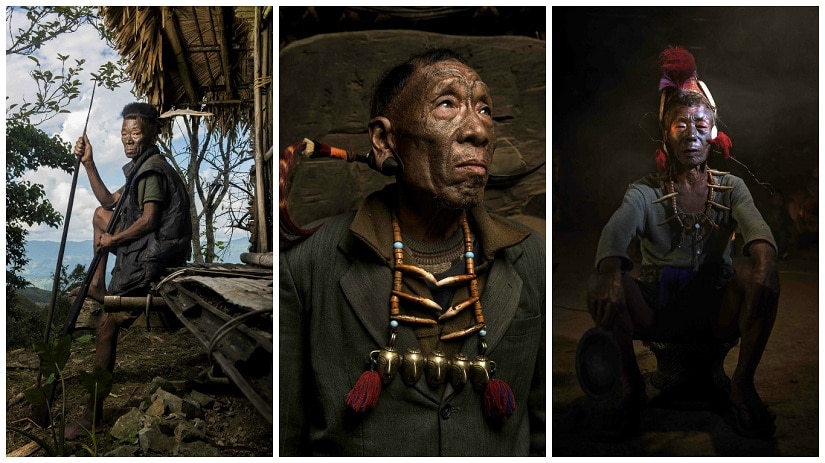 The escape; The jewels of the dead; The last headhunter[/caption] [caption id=“attachment_3274270” align=“alignnone” width=“825”]  A house with two countries[/caption] “I spend a lot of time researching the people I am going to photograph. The most important things are accomplished before any images are taken. The actual event of taking a picture is the shortest. Before shooting, I am trying to understand the culture, the location, and the light. This involves reading books, watching documentaries, speaking to experts or travellers who have visited the place. I also try and make contact with individuals from the tribes I am visiting; mostly these are community leaders or guides,” Pandya says, of his process. The Konyaks of Nagaland are most famous for being a headhunting tribe, the last surviving ones which implies a violence that probably affects the way these people channel society. “Even though I’ll live with them, I never try to pretend that I am one of them. It is important to make it known that I am outsider who has come to respectfully observe and document their way of life,” Pandya says. The fierce reputation of the tribe has carried them into the new modern world as well. And it is difficult at times, to separate history from the present. Most people think of tribals as ‘brutes’ and ‘savage’. But is it any better elsewhere? [caption id=“attachment_3274278” align=“alignnone” width=“825”] 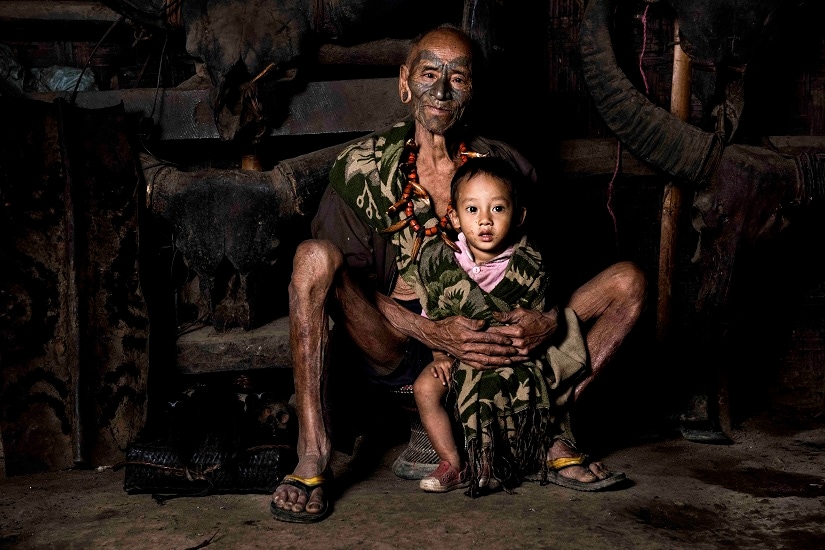 Fierce headhunter and loving grandfather[/caption] [caption id=“attachment_3274280” align=“alignnone” width=“825”]  Prized possessions[/caption] “I was initially scared when I first met them but as the days passed, and I spent more time with them, I realised that they were extremely social people. They always made sure that I was comfortable as I was living with them. I feel that all humans in the world share the most basic emotions and that’s how we are all connected as one species. I also realised that the Konyaks were very aware of their brutal past but were not ashamed of it: they still believe that headhunting is better than what the armies of a lot of countries are doing now. I was told by one of the headhunters, 80-year-old Wangyel: ‘Beheading is better then killing thousands of innocent people, what we used to do was better than what many governments are doing in some parts of the world. We knew our enemy and we knew why we were going to behead them, but most of the young men in the army don’t even know the cause of a war that they are part’," Pandya says. [caption id=“attachment_3274282” align=“alignnone” width=“825”] 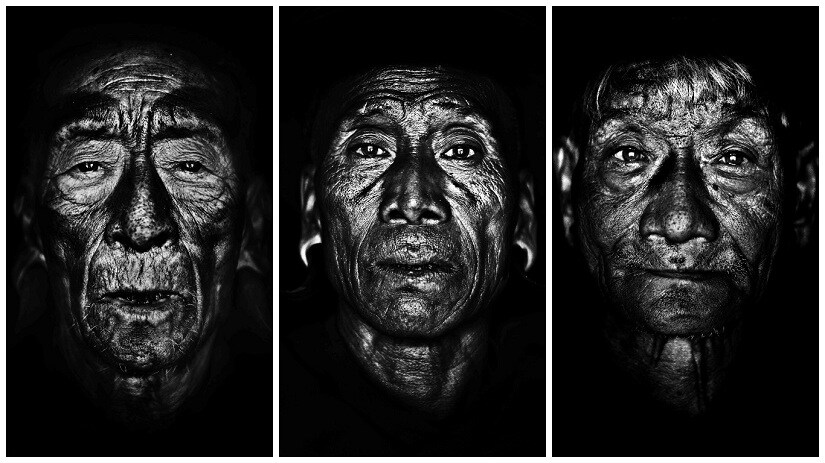 Untitled[/caption] [caption id=“attachment_3274284” align=“alignnone” width=“825”] 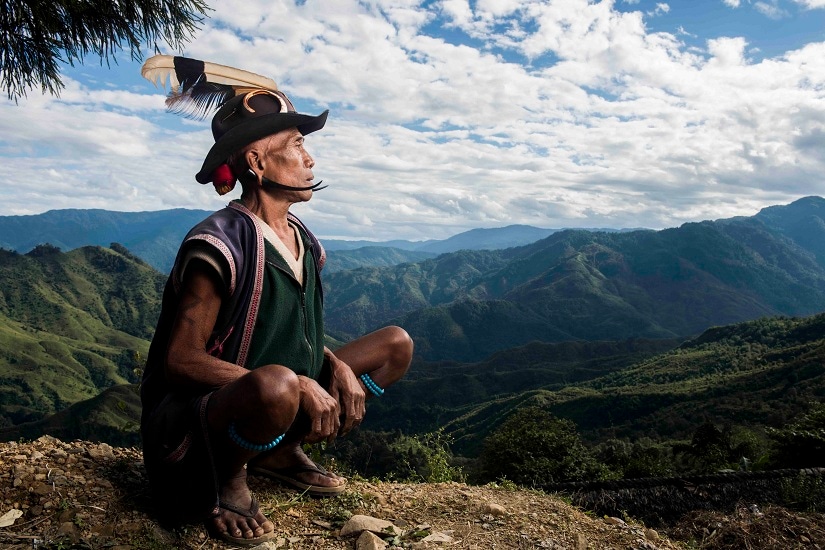 Valley of fear[/caption] But times change; people and whole civilisations evolve. A striking photo of a Konyak boy with a gun made out of the stem of a plant, probably best exemplifies the changing times. Though carrying a blood-splattered history, the Konyaks are changing as well, moving towards greener pastures, both literally and metaphorically. “The younger generation is moving quickly away from their roots. The gap between the old and new is difficult to bridge. The young feel that their past in tainted with blood and don’t want to relate to it, whereas the old consider that the reason why their bloodline is successful is because of the bloodshed in the past. The change started with the arrival of Christianity in the early 1900s, but the change was gradual up until the arrival of mobile technology,” Pandya says. What Pandya’s exhibition and portraits manage to do very well is juxtapose the ferocity of these faces, the light of their eyes, with their habitat, their changing times, and their rediscovering of ways to connect with nature. The Konyaks are now largely an agrarian people. They have long since moved on from headhunting. Perhaps the rest of the world could do the same?
Fanil Pandya’s photos of the Konyaks, Nagaland’s headhunting tribe, will change your perceptions of ’tribal’ people
Advertisement
End of Article

 "US ready to ‘impose costs’ on Russia if war in Ukraine drags on, says Hegseth")
 "US tells Hamas to stop violence against Gaza civilians and disarm 'without delay'")
 "China seizes 60,000 maps mislabelling Taiwan, omitting South China Sea islands")
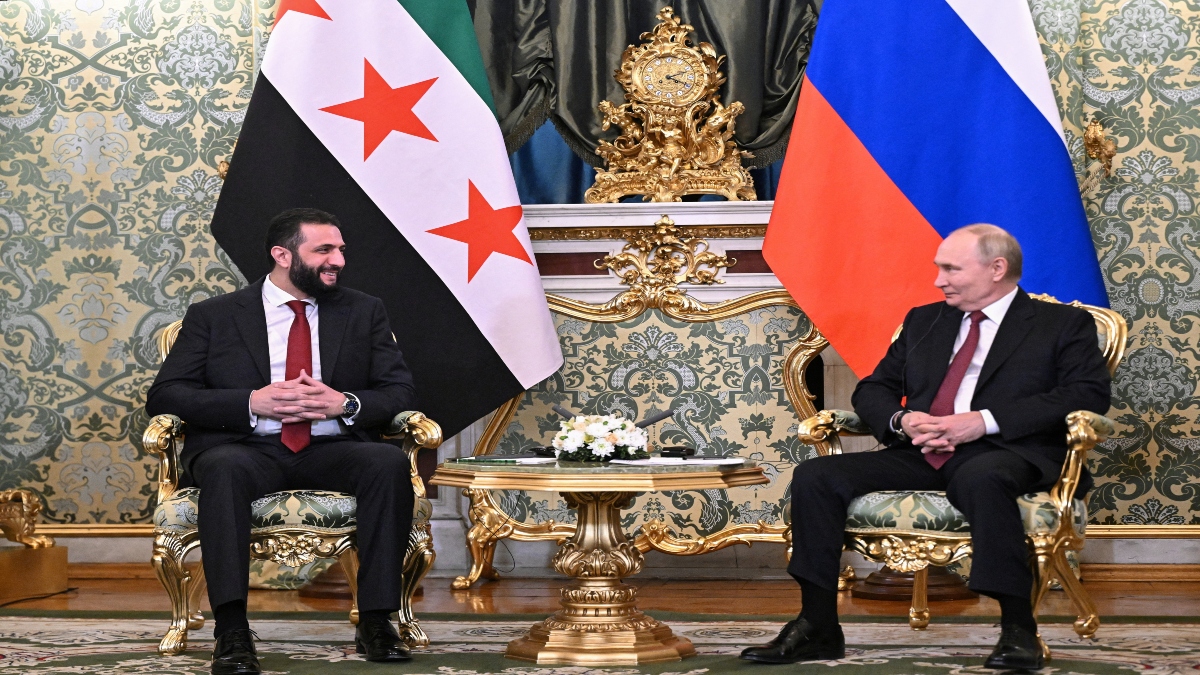 "Syria’s Sharaa pledges to honor Russia ties, seeks economic and military support in Kremlin visit")
 "US ready to ‘impose costs’ on Russia if war in Ukraine drags on, says Hegseth")
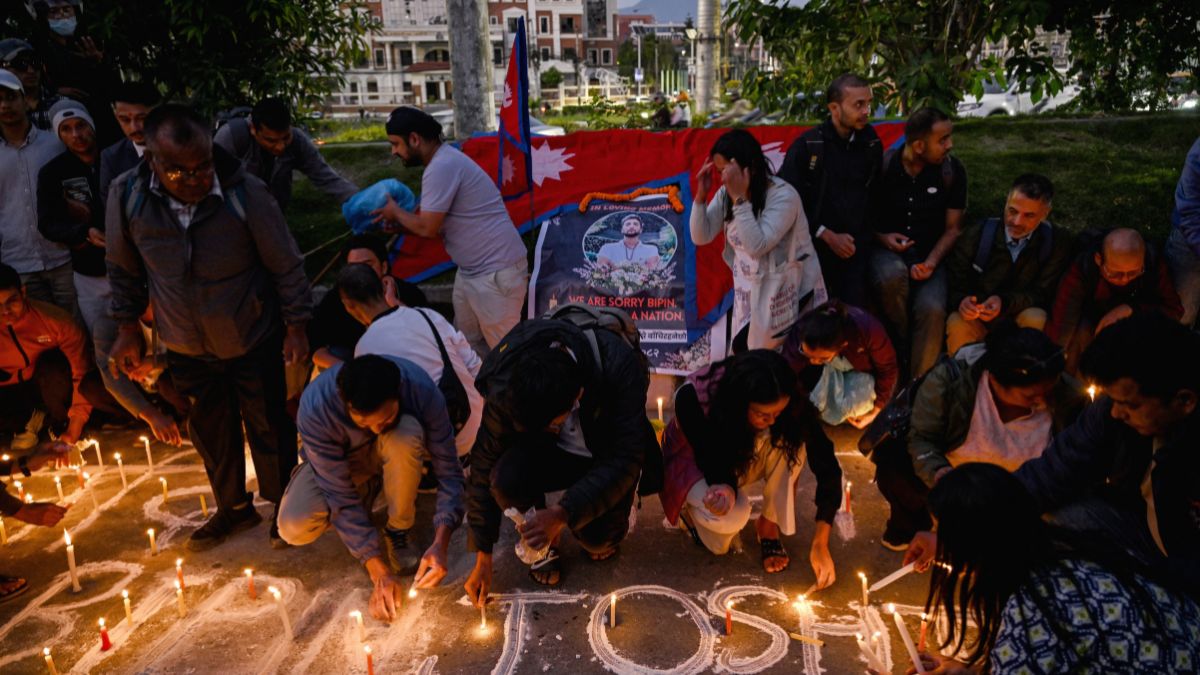 "US tells Hamas to stop violence against Gaza civilians and disarm 'without delay'")
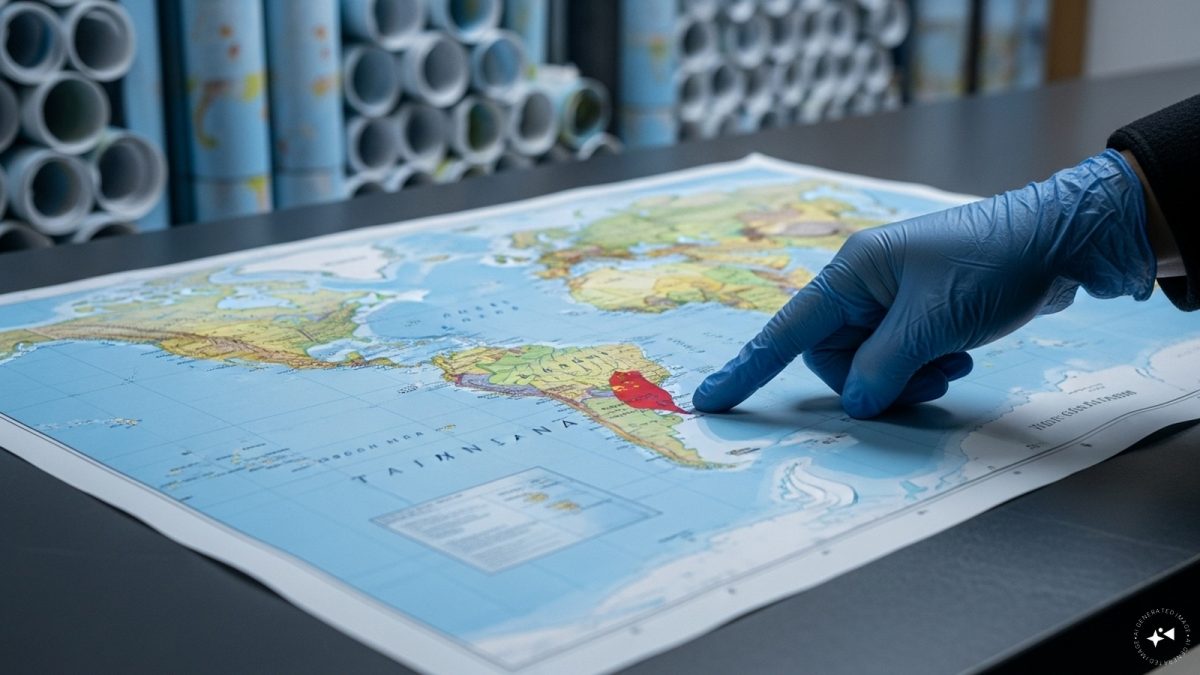 "China seizes 60,000 maps mislabelling Taiwan, omitting South China Sea islands")
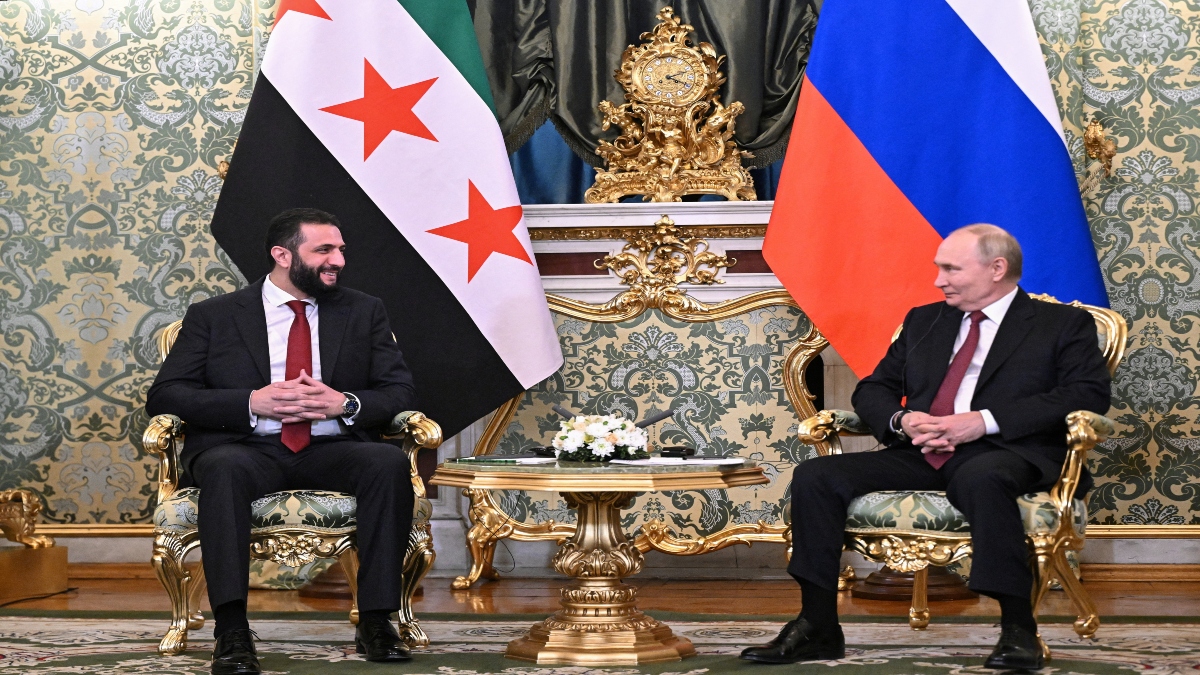 "Syria’s Sharaa pledges to honor Russia ties, seeks economic and military support in Kremlin visit")



](https://images.firstpost.com/wp-content/uploads/2017/02/114.jpg)
](https://images.firstpost.com/wp-content/uploads/2017/02/A-BOY-AND-HIS-GUN.jpg)
](https://images.firstpost.com/wp-content/uploads/2017/02/24.jpg)
](https://images.firstpost.com/wp-content/uploads/2017/02/A-HOUSE-WITH-TWO-COUNTRIES.jpg)
](https://images.firstpost.com/wp-content/uploads/2017/02/FIERCE-HEADHUNTER-AND-LOVING-GRANDFATHER.jpg)
](https://images.firstpost.com/wp-content/uploads/2017/02/PRIZED-POSSESIONS.jpg)
](https://images.firstpost.com/wp-content/uploads/2017/02/34.jpg)
](https://images.firstpost.com/wp-content/uploads/2017/02/VALLEY-OF-FEAR.jpg)