

 "Data Societies: How digital desires, online performance cultures, and privacy concerns impact the social self")
A series of panel discussions titled Data Societies, organised by Economic and Political Weekly and the School of Media and Cultural Studies, Tata Institute of Social Sciences, was held in Mumbai on 5 February 2020. The first panel, titled The Data Self featured the themes of digital desires, privacy, intimacy, agency, safety, selfhood, and performance cultures online. It was chaired by Professor Nimmi Rangaswamy of the Indian Institute of Technology Hyderabad. She has worked in the field of artificial intelligence (AI) in the context of automation, digital money and digital literacy. Rangaswamy opened the discussion by flagging the tension in networked, AI-driven societies, which in her opinion were working around privacy issues while wanting to share the minutest details of people’s lives amidst technology companies’ “hunger for data”. In his response, Arvind Kumar Thakur, an independent communications researcher, termed social media as “antisocial media”. Offering a Marxist critique of neo-liberal social media, he claimed that owners of technology and media corporations should be held responsible for creating an “algorithm of oppression”, while suggesting the move to an “alternate social media”. He also emphasised the need to create new deals in data, which offered “data ownership in favour of users”. [caption id=“attachment_8054841” align=“alignnone” width=“825”]  The panel on Data Self was chaired by Professor Nimmi Rangaswamy of the Indian Institute of Technology Hyderabad. Representational Image.[/caption] Smitha Vanniyar of Point of View, a “non-profit platform bringing the points of view of women into community, social, cultural and public domains through media, art and culture” used Facebook’s facial recognition technology to highlight that the approach to personal data was “not feminist, inclusive or intersectional”. She criticised privacy breaches by facial recognition technology in the name of women’s safety, explaining how the technology was conceptualised for Caucasians and within a gender binary framework. Rafiul Alom Rahman, founder of the Queer Muslim Project (QMP), which creates visibility and awareness of Muslim issues in South Asia, spoke next. Showing glimpses of a QMP project titled Spirit of Ramadan, he described Instagram as a tool for subversive self-expression. Citing an incident of a young Iraqi woman’s submission, he stressed the importance of negotiating the safety of the people featured while trying to get more visibility. He also emphasised the need for diversifying stories. “It is mostly people from the First World or people who have social capital, or the comfort of family.” Bishakha Dutta, executive director of Point of View, pointed to the information asymmetry regarding personal data between users and social media companies. “It’s not that we give our data; it is taken from us in a matter of speaking,” she said, illustrating her point by listing all the personal information period tracker apps take from users. She mentioned how users begin to measure themselves up against such “norm-setting” apps. She also spoke about the quantified self movement where the individual as the quantified self believes that digital monitoring can lead to a better life, questioning the validity of that belief. Rangaswamy then went on to pose what she called a controversial question to the panel members. She asked if the debate on privacy was elite and how would privacy be understood in a less resourced, less privileged context, taking an example from her ongoing research. In response to this, Rafiul Alom Rahman pointed out how Instagram was an elite platform catering to the urban majority, contrasting it with Tik Tok and its diverse appeal. He mentioned that people are worried for privacy but they are clueless about what to do about it. It is interesting to note that TikTok and its appeal to more sections of the society was brought up several times throughout the panel discussion in relation to the digital desire of an individual and their need to be seen. Vanniyar called the spaces where discussions about privacy take place elitist. “Who is contributing to these discussions?” she asked, mentioning how limiting them to men from elite institutions is not very inclusive. Agreeing with Vanniyar, Dutta also stated that the debate on privacy was not elitist. She spoke about having discussions on the issue with several less-resourced women she works with as part of her organisation, and how concerning it is for them. She emphasised the need for self-reflexivity regarding the positioning of privacy in resource-pressed communities. Taking every panel member’s presentations into consideration, Rangaswamy wrapped up the debate, calling it a difficult one. Privacy concerns are caught in the interplay of strong capitalist forces, human desire and the ever-evolving predatory technologies. “We’ll figure it out,” she said, ending the discussion on an optimistic note, opening the floor for some questions from the audience. Nishtha Jaiswal and Spoorthi Bammidi are first year MA students of Media and Cultural Studies at the Tata Institute of Social Sciences, Mumbai.
Data privacy concerns are caught in the interplay of strong capitalist forces, human desire and the ever-evolving predatory technologies.
Advertisement
End of Article

 "Charlie Kirk, shot dead in Utah, once said gun deaths are 'worth it' to save Second Amendment")
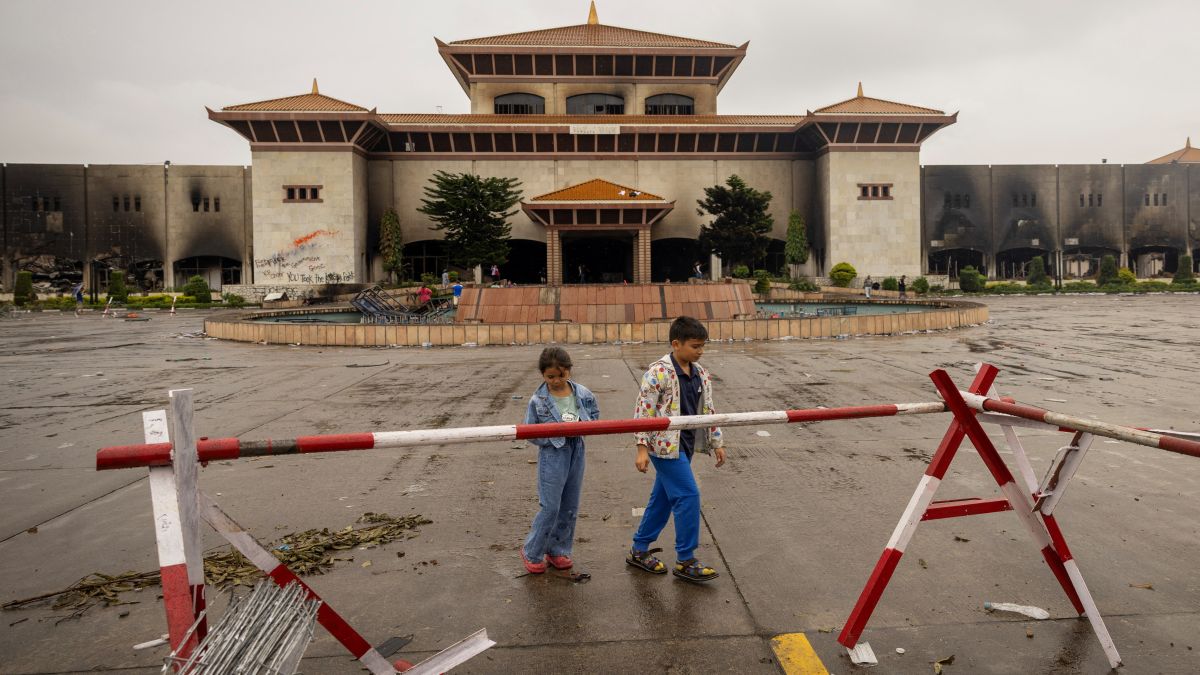 "From governance to tourism, how Gen-Z protests have damaged Nepal")
 "Did Russia deliberately send drones into Poland’s airspace?")
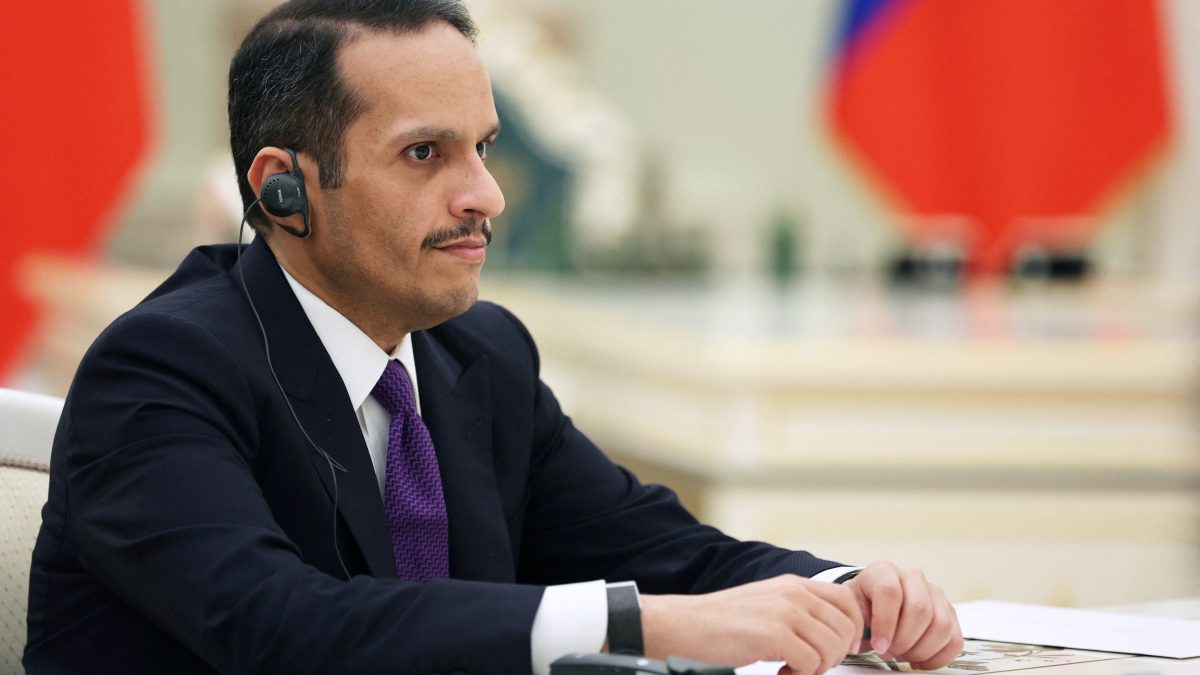 "Netanyahu ‘killed any hope’ for Israeli hostages: Qatar PM after Doha strike")
 "Charlie Kirk, shot dead in Utah, once said gun deaths are 'worth it' to save Second Amendment")
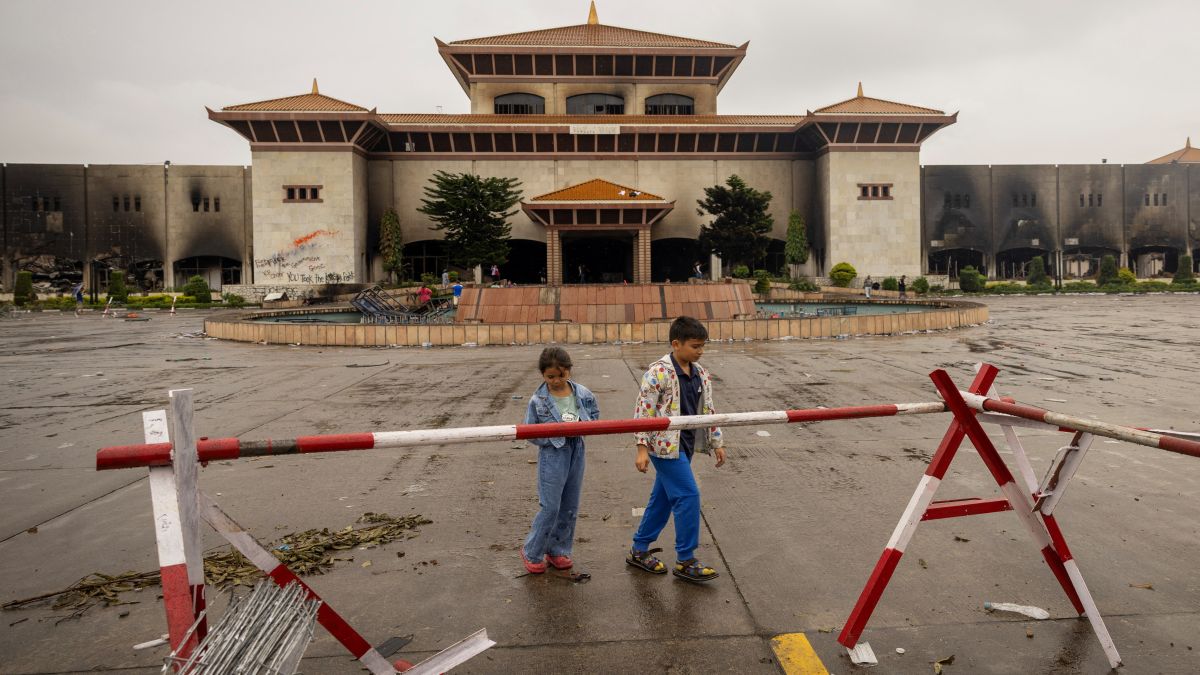 "From governance to tourism, how Gen-Z protests have damaged Nepal")
 "Did Russia deliberately send drones into Poland’s airspace?")
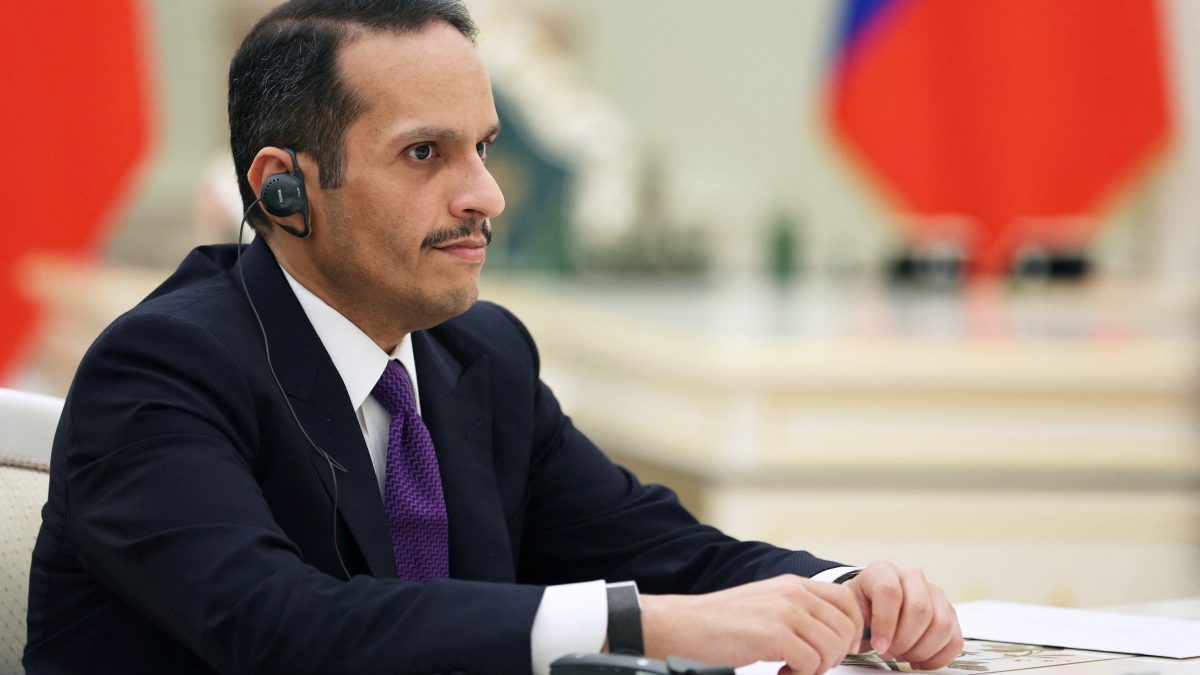 "Netanyahu ‘killed any hope’ for Israeli hostages: Qatar PM after Doha strike")



](https://images.firstpost.com/wp-content/uploads/2020/02/dataprivacy825.jpg)