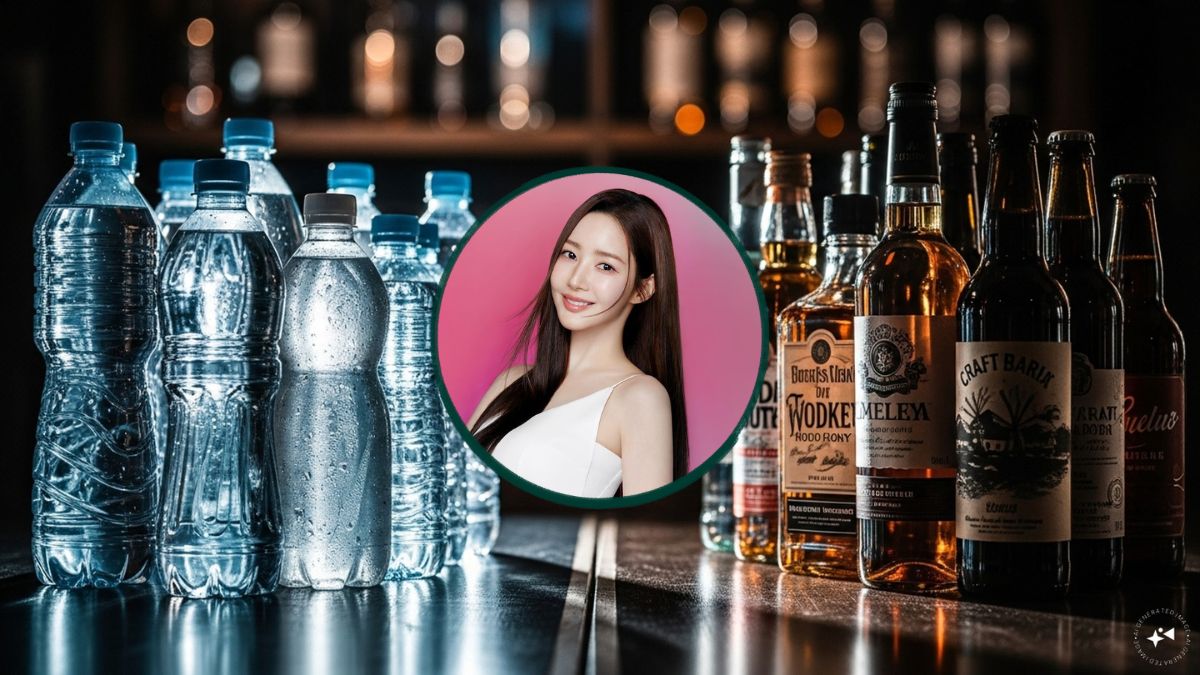
 "Korean actor's diet includes only water and alcohol - is it even healthy?")
Park Min‑young, a Korean actor known for her roles in dramas such as Marry My Husband and Siren’s Kiss, reportedly said she consumed about three litres of water a day and alcohol as her only “diet” while approaching a specific character look.
Firstpost spoke with MS Divya Achrekar, Clincial Nutrition and Dietitics, Narayana Health SRCC Children’s Hospital, Mumbai, who shared with us how such a diet might affect the body and whether it is in any way healthy.
The illusion of discipline: What the diet really looks like
For many actors, preparing for the screen demands rigorous routines and strict dietary control.
Days may revolve around maintaining a significant caloric deficit, with long hours sustained on water and minimal intake.
Achrekar says “while this may help achieve short-term physical goals, it often leads to dehydration and metabolic slowdown. The body, designed to thrive on nourishment, begins conserving energy, sometimes resulting in fatigue or light-headedness. These experiences reflect not a lack of strength, but the immense physical demands placed on individuals striving for perfection.”
Alcohol is not nutrition: What science clearly says
From a scientific perspective, alcohol is a psychoactive substance that the body processes differently from food. “While it may temporarily suppress appetite, it does not provide essential nutrients like proteins, vitamins, or minerals,” says the nutritionist.
According to her, several health research reports highlights that excessive reliance on alcohol can affect liver function, cognitive clarity, and overall nutritional balance. It is also associated with increased long-term health risks.
This underscores the importance of viewing alcohol not as a dietary substitute, but as a substance that should be approached with awareness and moderation.
Starvation in disguise: The body under attack
When the body is deprived of adequate macronutrients and micronutrients, it begins adapting in ways that may not always be beneficial.
“Muscle mass may reduce, hormonal rhythms can fluctuate, and electrolyte imbalances may occur,” states Achrekar.
Alongside these physical changes, “there can be an emotional journey - navigating expectations, maintaining discipline, and managing the fear of falling short,” she adds.
Quick Reads
View AllRecognising these challenges with empathy allows for a more compassionate understanding of the pressures involved.
The final takeaway
Achrekar explains that the conversation around such diet trends is not about judgement, but about awareness.
While the commitment of actors to their craft is admirable, long-term health thrives on balance, nourishment, and sustainability.
True wellbeing lies in supporting the body rather than pushing it to its limits. Beyond the spotlight, it is this balance that helps individuals not just look their best, but truly feel their best.

 "Iran Israel War News Live: Iran terms Lamerd stadium strike by US 'war crime' after missile kills 21 teens")
 "‘Costs going over the roof': Nepal’s only billionaire Binod Chaudhary warns of West Asia shock")
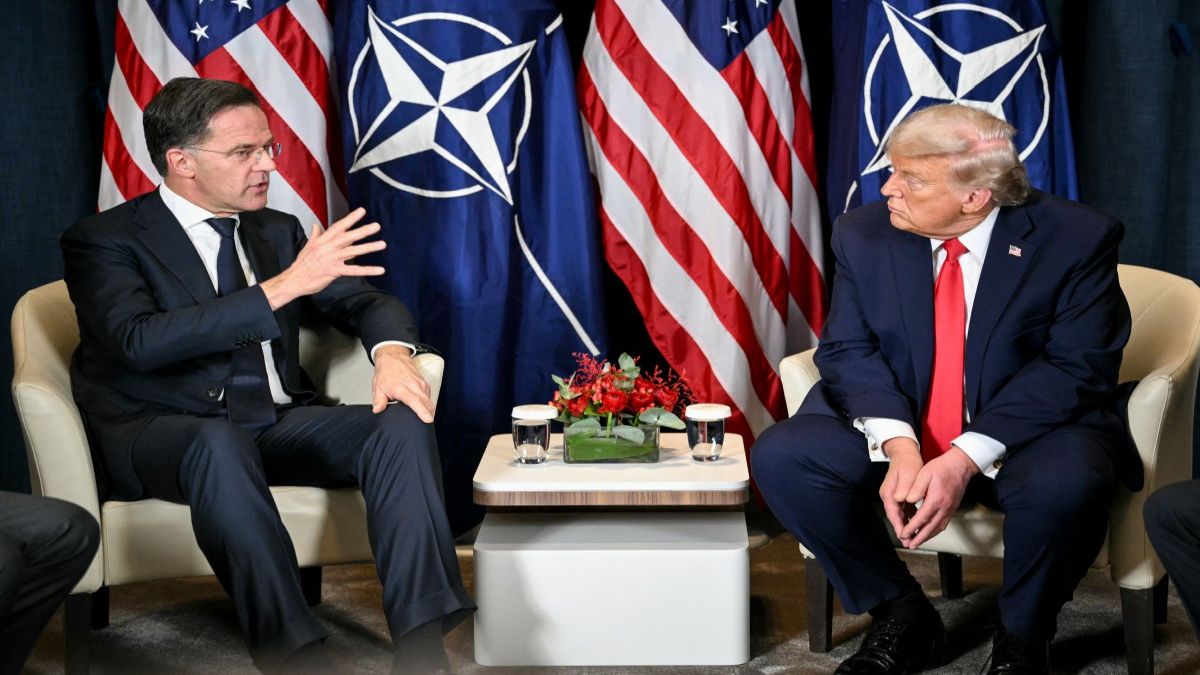 "What happens if Donald Trump pulls the US out of Nato")
 "Who is Smita Ghosh, Indian-origin lawyer taking on Trump in birthright citizenship battle?")
 "Iran Israel War News Live: Iran terms Lamerd stadium strike by US 'war crime' after missile kills 21 teens")
 "‘Costs going over the roof': Nepal’s only billionaire Binod Chaudhary warns of West Asia shock")
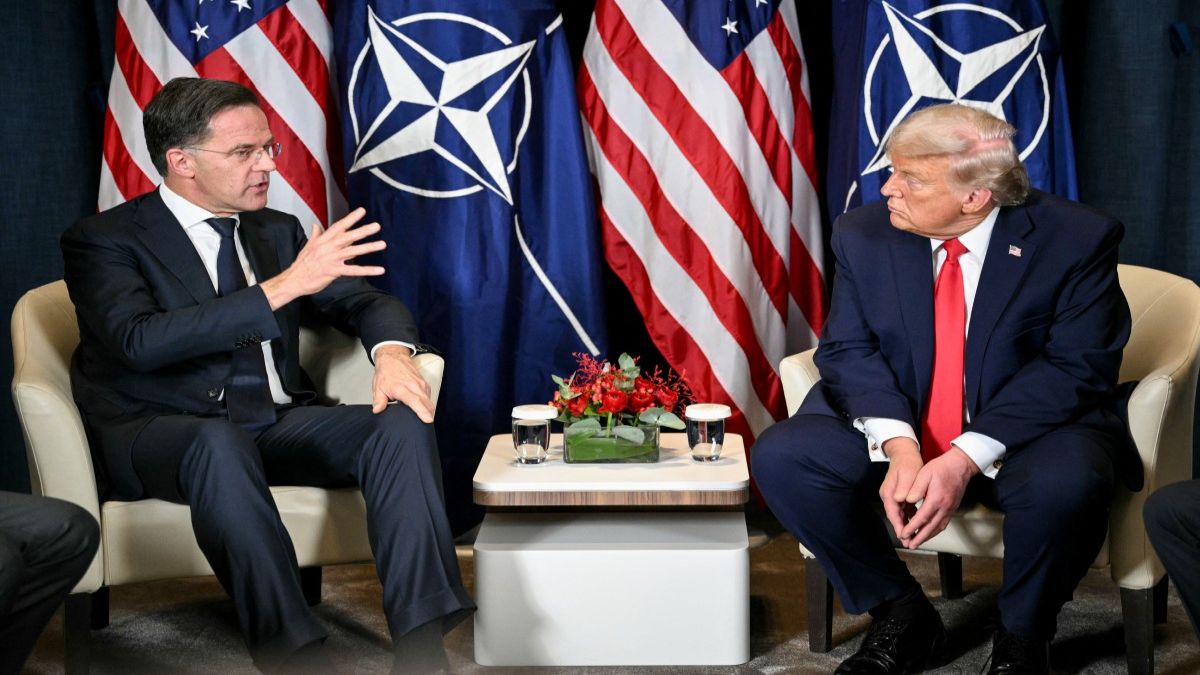 "What happens if Donald Trump pulls the US out of Nato")
 "Who is Smita Ghosh, Indian-origin lawyer taking on Trump in birthright citizenship battle?")