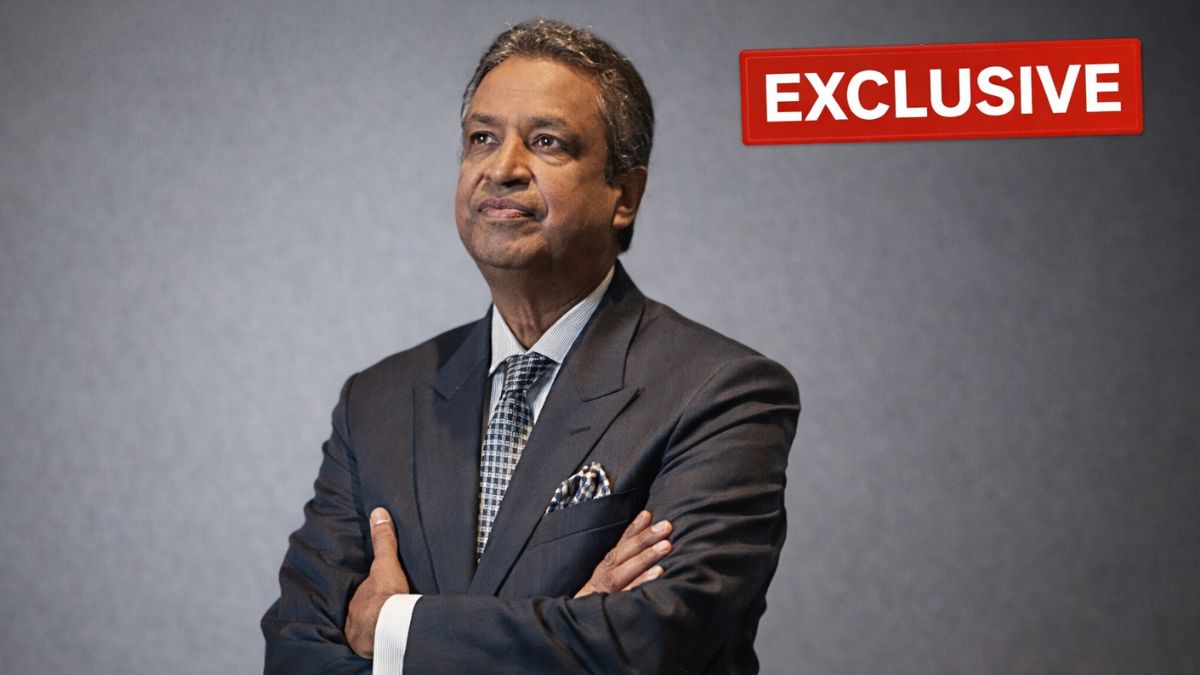
 "‘Costs going over the roof': Nepal’s only billionaire Binod Chaudhary warns of West Asia shock")
The West Asia crisis is now impacting balance sheets, and Binod Chaudhary, Nepal’s only billionaire, asserts that the impact is already severe. Warning of spiraling fuel costs and a breakdown in global logistics, the Chaudhary Group chairman and the founder of popular Wai Wai noodles said the situation is “dismantling” supply chains and pushing operating expenses “over the roof,” exposing businesses across South Asia to an escalating geopolitical shock.
“The completely unsustainable and unreliable supply chain of fuel… is dismantling; it is disturbing,” Chaudhary said in an exclusive conversation with Firstpost, describing the cascading impact of geopolitical tensions on business operations. For Chaudhary, the crisis is not just another external shock; it is a structural disruption affecting every layer of the business ecosystem, from production to pricing to global demand.
At the heart of the turmoil is energy volatility.
Fuel prices, he explained, have surged sharply, driving costs “over the roof” for manufacturers already operating on tight margins. In industries where energy is a core input, this volatility is not just an inconvenience; it threatens operational stability. The impact extends beyond factories to transportation networks, where rising fuel costs are inflating logistics expenses across supply chains.
The ripple effects are equally severe in input materials. Packaging, which relies heavily on petrochemical derivatives, has become significantly pricier, adding another layer of cost pressure. For companies like CG, which operate in high-volume consumer markets, even small increases in input costs can have outsized impacts on profitability.
But perhaps the most immediate disruption is in global logistics.
Shipping routes have become uncertain, freight costs have surged, and delivery timelines are increasingly unpredictable. “You really do not know which ship will travel from where and where it will land up,” Chaudhary said, capturing the chaos in international trade flows.
This breakdown in supply chain reliability comes at a time when businesses are still recovering from pandemic-era disruptions, making the current crisis particularly difficult to absorb.
Quick Reads
View AllOn the demand side, the picture is equally concerning.
The Middle East, particularly the GCC region, remains a critical market for Chaudhary Group’s food products and hospitality ventures. However, the ongoing crisis has disrupted economic activity in these regions. From reduced consumer demand to stress in the hospitality sector, the impact is already visible.
Yet, businesses face a critical constraint: pricing.
In price-sensitive markets like South Asia, companies cannot easily pass on rising costs to consumers. “We can’t modify our MRP overnight,” Chaudhary pointed out, highlighting the margin squeeze that many firms are currently navigating.
At the same time, he acknowledged the profound uncertainty surrounding the trajectory of the crisis. Businesses navigate a landscape where global political decisions often prove unpredictable, making it difficult to quantify and hedge risk.
He expressed hope that “wisdom will prevail” and that the crisis will eventually give way to a more stable and cooperative geopolitical environment. A resolution, he believes, could pave the way for rebuilding and better alignment among nations.


 "Iran Israel War News Live: Indian markets recover from early shock, with Sensex and Nifty returning to green")
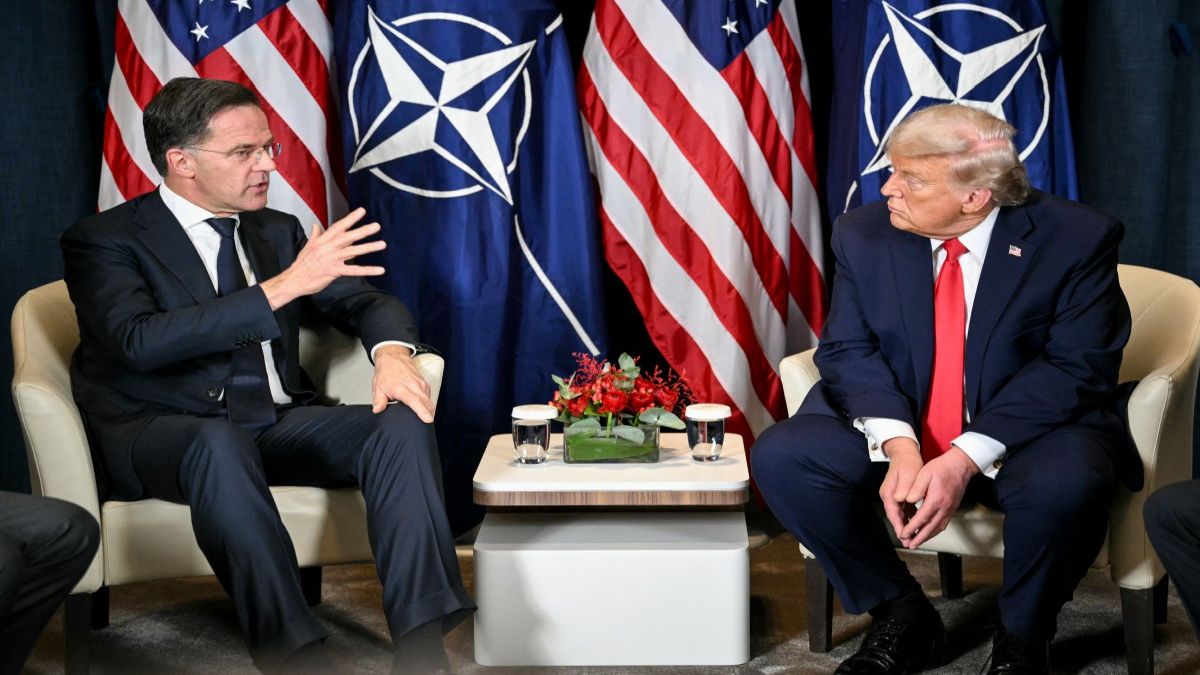 "What happens if Donald Trump pulls the US out of Nato")
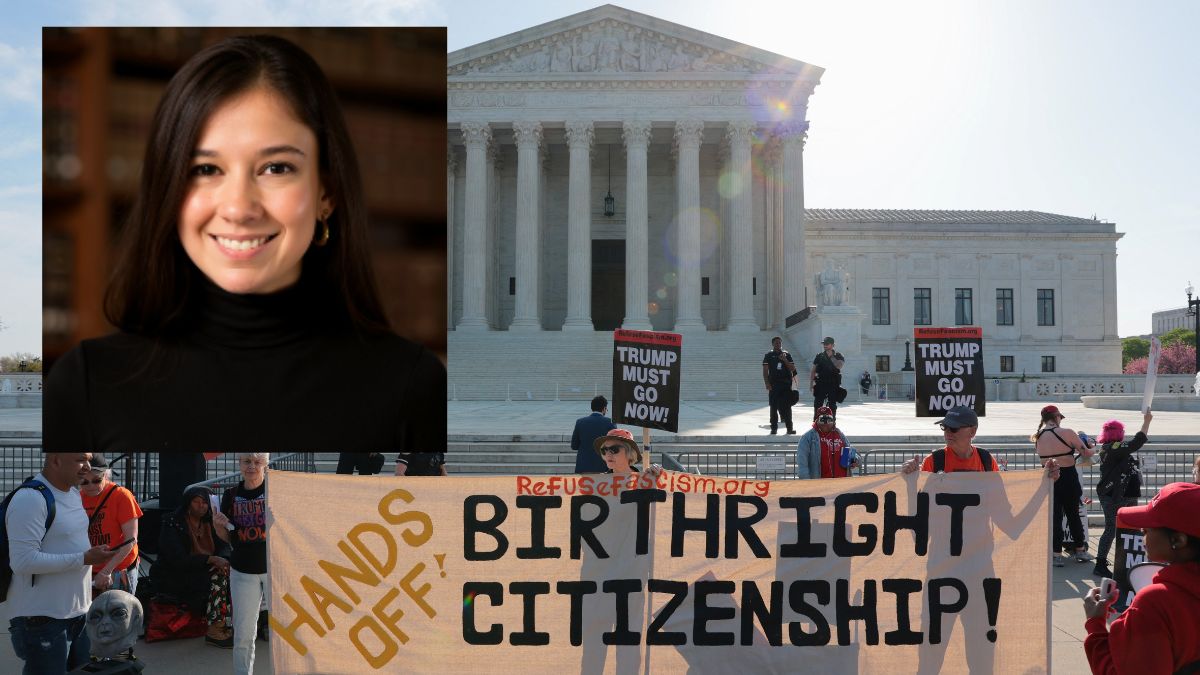 "Who is Smita Ghosh, Indian-origin lawyer taking on Trump in birthright citizenship battle?")
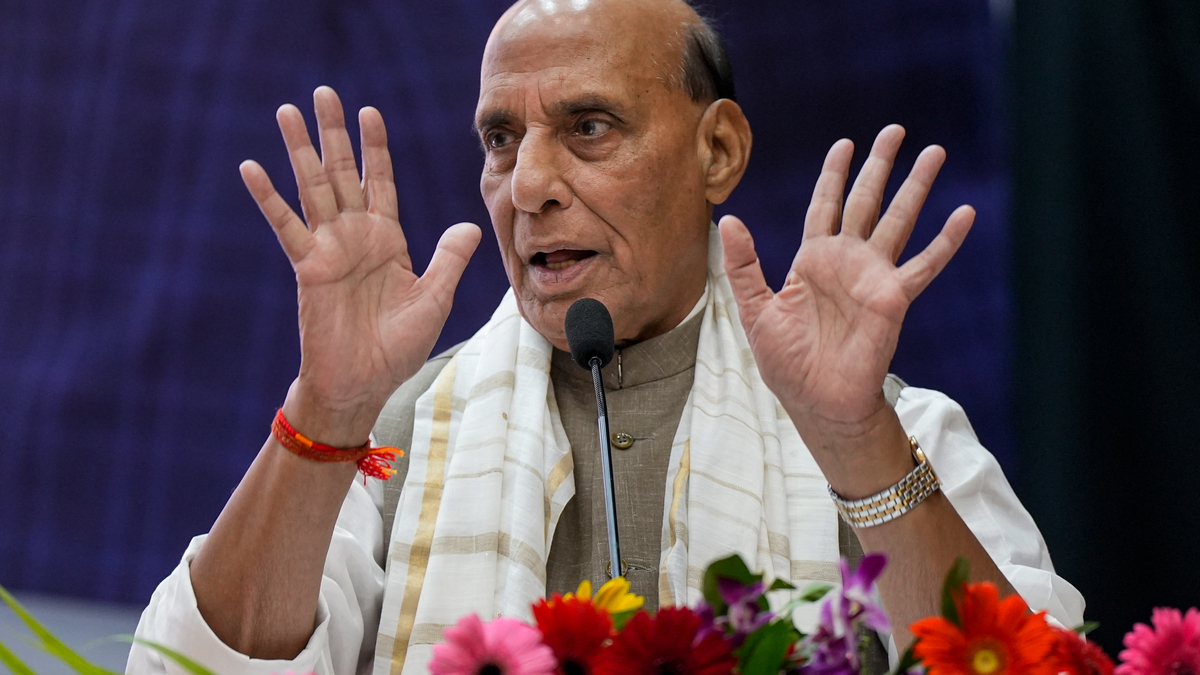 "‘If Pakistan attempts any misadventure, India’s response will be unprecedented and decisive’: Rajnath")
 "Iran Israel War News Live: Indian markets recover from early shock, with Sensex and Nifty returning to green")
 "What happens if Donald Trump pulls the US out of Nato")
 "Who is Smita Ghosh, Indian-origin lawyer taking on Trump in birthright citizenship battle?")
 "‘If Pakistan attempts any misadventure, India’s response will be unprecedented and decisive’: Rajnath")