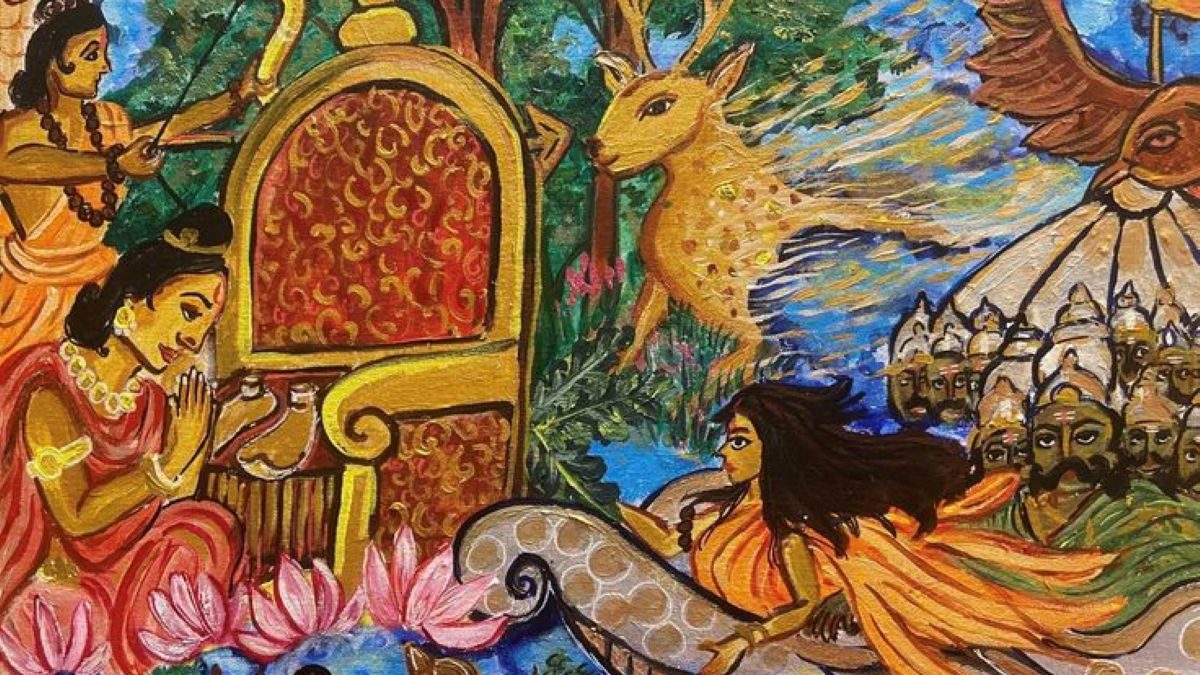
 "Before you watch the film, read the book: Essential Ramayana reading for the Ranbir Kapoor era")
The teaser runs two minutes and thirty-eight seconds. Ranbir Kapoor, as Lord Ram, sits in a boat with his back to the camera. His name is called. He turns slowly. That is more or less all that happens, and yet early viewers at private screenings in Los Angeles described it as visually breathtaking. One wrote that it felt, unexpectedly, like coming home.
Which is the only feeling the Ramayana has ever produced in the people who carry it. The epic has been told over 300 times across cultures and centuries, in Sanskrit, Tamil, Thai, Javanese, in shadow puppetry and Kathakali and Doordarshan serials that reportedly stopped weddings in Afghanistan mid-ceremony.
Nitesh Tiwari’s film, scored by Hans Zimmer and A.R. Rahman, with Sai Pallavi as Sita, Yash as Ravana, Sunny Deol as Hanuman, will be the largest cinematic attempt yet to transmit that frequency to a global audience. It releases on Diwali. It will be enormous, and it will be argued about for years.
What no film can do, however expensively rendered, is give you the texture of the thing. The particular weight of sitting with this language, of following a moral question across three thousand years and finding it not only unresolved but still alive. For that, you need the books.
‘Valmiki’s Ramayana’ translated by Arshia Sattar
Before the retellings, there is the source. Composed between the eighth and sixth centuries BCE, the Valmiki Ramayana contains harem intrigue, political betrayal, a talking vulture, a bridge built by monkeys, and one of the most morally uncomfortable endings in all of world literature.
Much stranger and richer than any summary suggests. Sattar’s translation is the only English Valmiki that is simultaneously faithful and a genuine pleasure to read — the work of a formidable Sanskrit scholar who also writes luminous prose. Start here. Everything else is in conversation with this.
Quick Reads
View All‘The Ramayana’ by R.K. Narayan
Published in 1972, Narayan’s retelling brought the epic to a generation that came of age in the English-language tradition without quite losing its roots, and did so in under 200 pages, with the warm authority of a man who heard these stories as a child and felt no need to do anything other than pass them on. He does not argue with the story. He simply loves it, with an unselfconsciousness that feels almost countercultural now.
‘Sita: An illustrated retelling’ by Devdutt Pattanaik
Pattanaik has spent his career asking why. Why did Ram banish Sita? Why does the most celebrated devoted husband in Hindu mythology commit what looks, from any modern vantage point, like an act of devastating cruelty? His answer is not polemic but something more unsettling — a reframe. His Sita is not a victim but a goddess who understands her circumstances with absolute clarity.
The book’s most quoted line, “He is God; he can abandon no one. I am Goddess; I cannot be abandoned by anyone,” is the most profoundly maddening thing ever written. The illustrations throughout, drawn in a style that echoes temple iconography, make this a book you look at as well as read.
‘The Forest of Enchantments’ by Chitra Banerjee Divakaruni
Divakaruni gives Sita her a voice. The novel’s conceit is elegant: Sita, having read Valmiki’s account of her own life, finds it incomplete and sets down her own version. It covers the whole story, but its real achievement is what it does with the women at the margins — Kaikeyi, Surpanakha, Mandodari, Urmila, each brought forward and given interior life. The agnipariksha scene in particular, Sita at the edge of the fire understanding precisely what her decision will mean for every woman who comes after her, is writing of genuine moral force. This is the version for anyone who has always found the story’s ending wrong.
‘Three Hundred Ramayanas’ by A.K. Ramanujan
Slightly different territory, this is an essay, written for a conference in 1987.
Ramanujan catalogues several different versions of the story with characteristic precision — the Jain Ramayana in which Rama is not divine, the story in which Sita is Ravana’s own daughter, the version in which Hanuman hears Valmiki recite and weeps because the details are wrong.
In 2011, Delhi University’s Academic Council voted to remove it from the BA history syllabus following pressure from right-wing student groups, a decision that provoked protests from scholars across India and guaranteed the essay an audience far larger than any university course could have delivered. It is only about thirty pages.
‘Asura: Tale of the Vanquished’ by Anand Neelakantan
There is a question the standard telling declines to ask: what does the Ramayana look like from Lanka?
Neelakantan’s 2012 debut answers it with considerable force, giving Ravana a full interior life and an account of events in which the demons are not simply evil but dispossessed, their civilisation dismantled by a war whose history was written by the people who won it.
‘The Uttara Kanda’ by Valmiki, translated by Arshia Sattar
The seventh and final book of Valmiki’s Ramayana is where Ram banishes the pregnant Sita to the forest, where the agnipariksha happens.
The story sits with a question it cannot answer: what does it cost a woman to be married to an ideal man? Many readers wish it did not exist. The Ramayana that ends with the coronation is a satisfying story.
Read it last, after the film, after everything else. It is the section that keeps the wound open and has haunted readers across twenty-five centuries for very good reason.

 "Iran Israel War News Live: Iran terms Lamerd stadium strike by US 'war crime' after missile kills 21 teens")
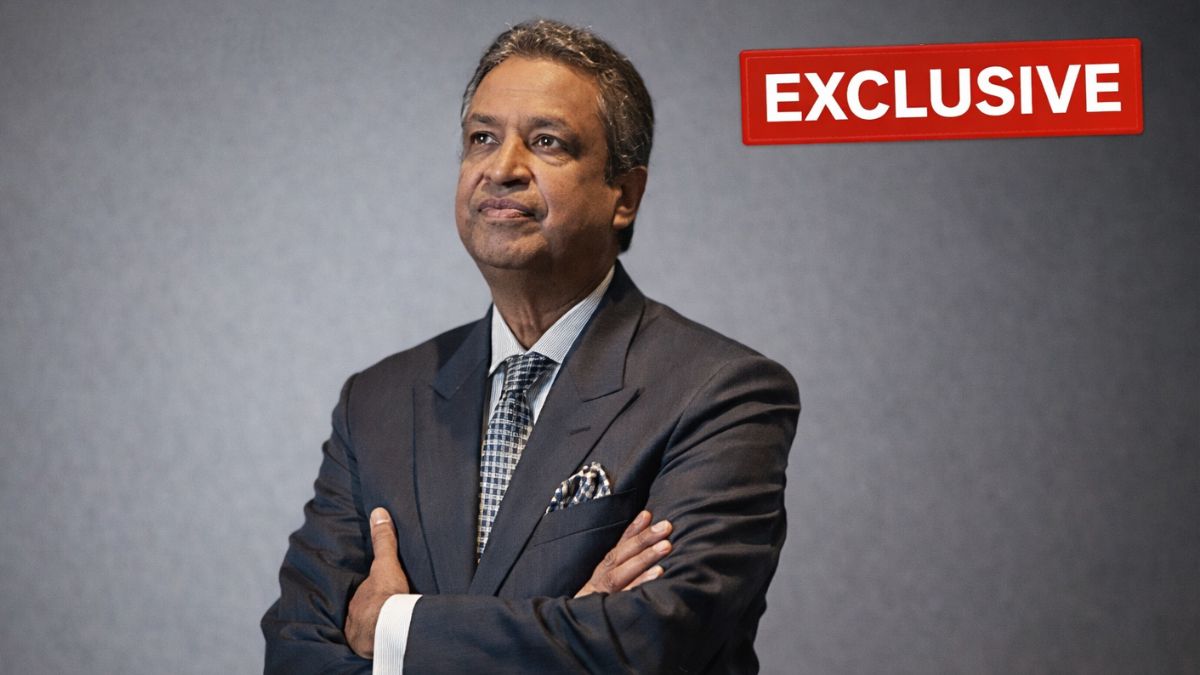 "‘Costs going over the roof': Nepal’s only billionaire Binod Chaudhary warns of West Asia shock")
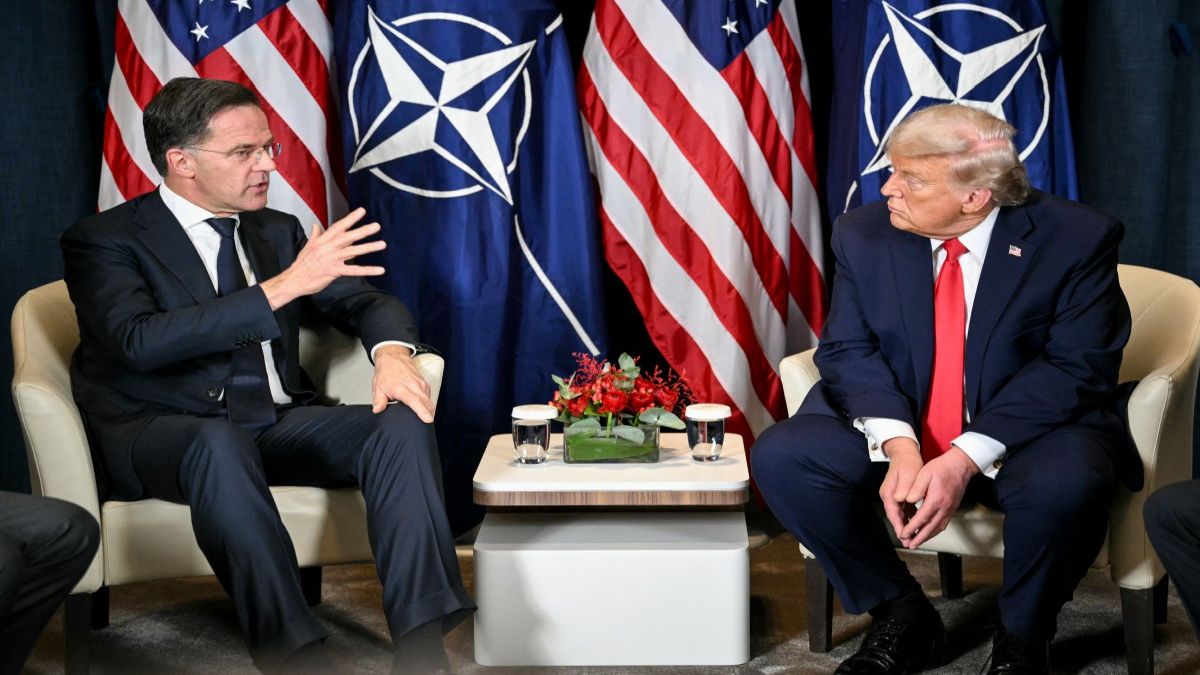 "What happens if Donald Trump pulls the US out of Nato")
 "Who is Smita Ghosh, Indian-origin lawyer taking on Trump in birthright citizenship battle?")
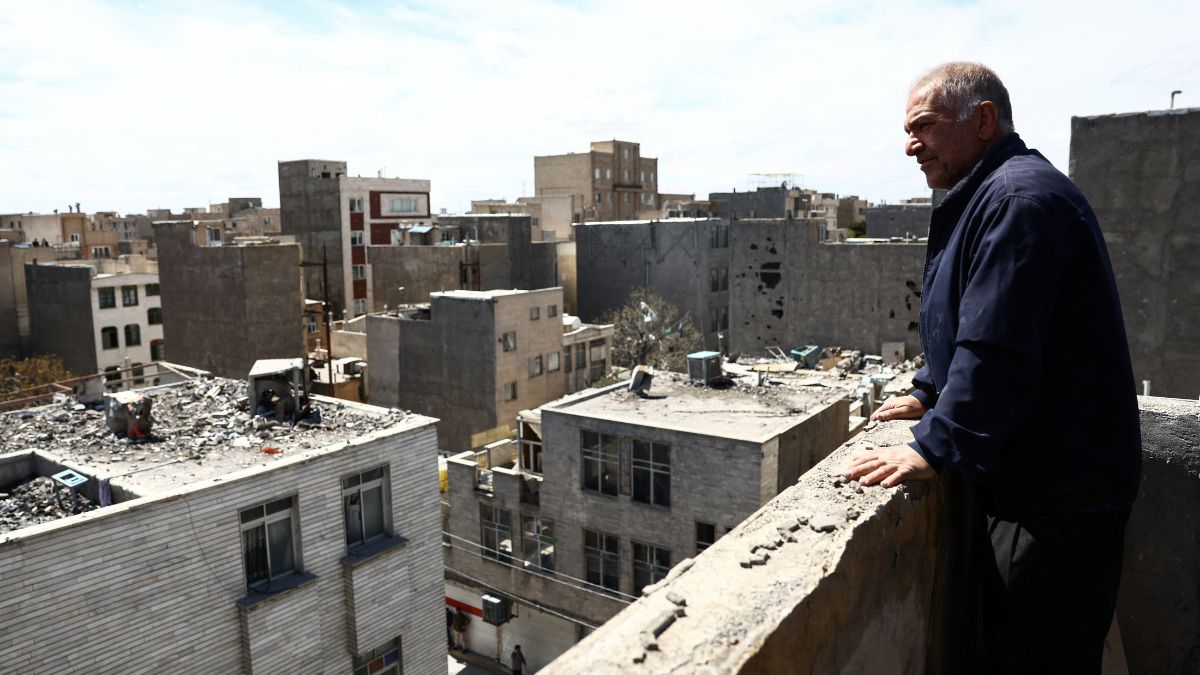 "Iran Israel War News Live: Iran terms Lamerd stadium strike by US 'war crime' after missile kills 21 teens")
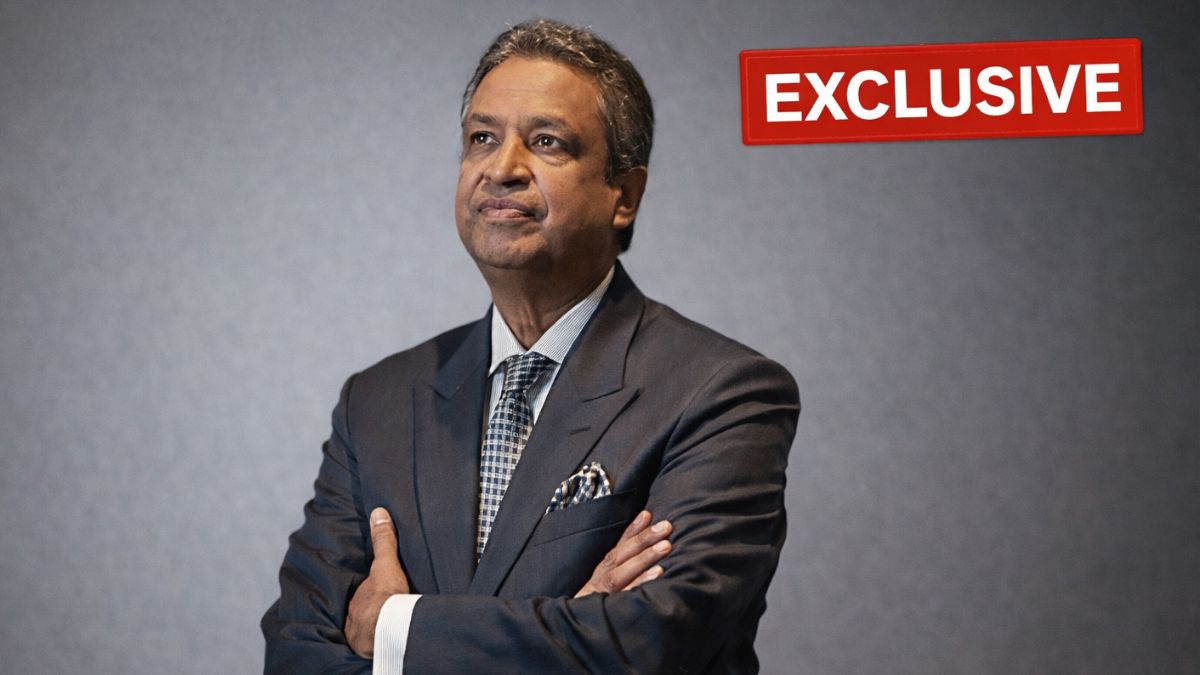 "‘Costs going over the roof': Nepal’s only billionaire Binod Chaudhary warns of West Asia shock")
 "What happens if Donald Trump pulls the US out of Nato")
 "Who is Smita Ghosh, Indian-origin lawyer taking on Trump in birthright citizenship battle?")