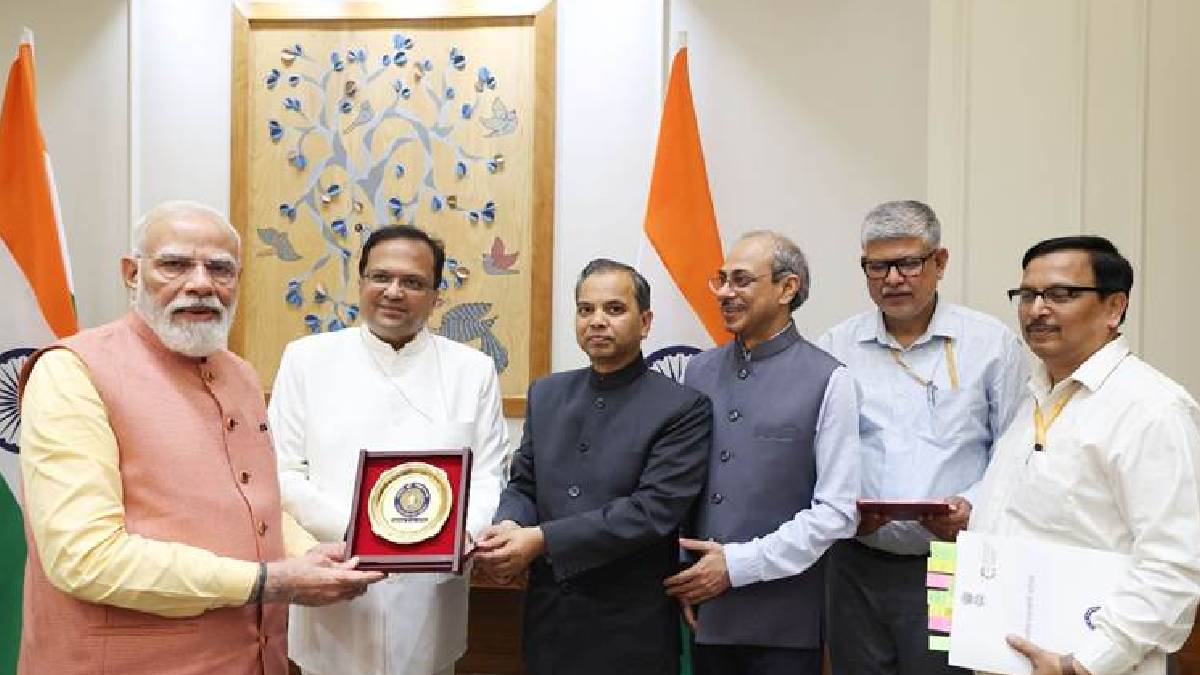
 "India’s Census 2027 kicks off with houselisting and housing phase, introducing self-enumeration")
The world’s largest census has begun. The Government of India has launched Phase 1 of Census 2027 – the Houselisting and Housing Census – from today. Renowned as the largest administrative and statistical exercise, this edition stands out as India’s first-ever digital data capture and self-enumeration initiative.
The national enumeration exercise was inaugurated with the self-enumeration of the President of India, Smt. Droupadi Murmu, upholding the proud tradition of commencing the national count with the First Citizen of India. Showcasing the ease of the process, the Vice President, Shri C.P. Radhakrishnan, also completed the self-enumeration form online at the Rashtrapati Bhavan.
Prime Minister Shri Narendra Modi appealed to the people of India to self-enumerate their household details and actively participate in the census process. To further demonstrate the simplicity of the process, both Prime Minister Modi and the Union Home Minister and Minister of Cooperation, Shri Amit Shah, completed their enumerations through the self-enumeration portal online.
First phase rollout to include eight states and Union Territories
The eight states and Union Territories for the first phase include Andaman and Nicobar Islands, Goa, Karnataka, Lakshadweep, Mizoram, Odisha, Sikkim, and New Delhi. On the very first day, close to 55,000 households from these regions availed themselves of the self-enumeration facility. The Houselisting and Housing Census in these states and UTs will begin on April 16, 2026, and continue until May 15, 2026.
The Houselisting and Housing Census (HLO) phase of Census 2027, running nationwide from April 1 to September 30, 2026, will gather detailed information on housing conditions, household amenities, and assets through 33 questions announced in January 2026. Each State and Union Territory will conduct a 30-day continuous field survey, complemented by a 15-day Self-Enumeration window for citizens to submit their details digitally before the door-to-door visit.
Quick Reads
View AllThe Census remains vital for India’s development planning over the next decade, with all data collected under the Census Act, 1948, kept strictly confidential and secured using advanced digital tools.


 "Iran War News Live: JD Vance engages Pakistan as US pushes ceasefire efforts in Iran war, says report")
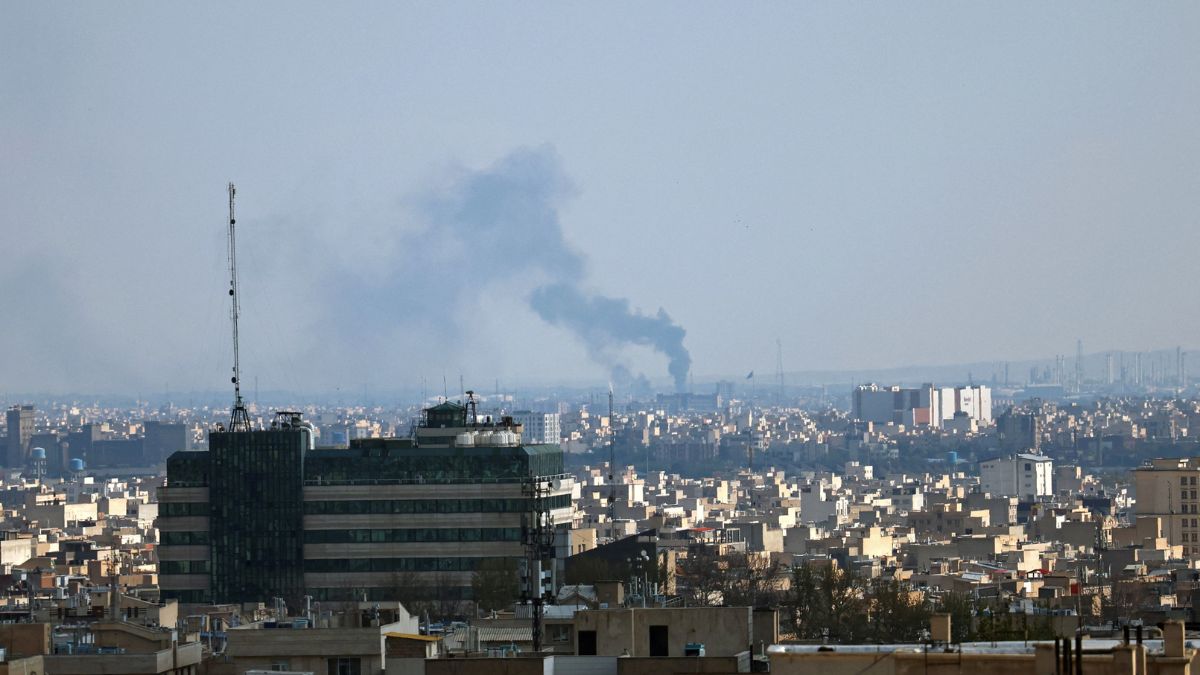 "Trump threatens to pull US out of Nato as Europe rejects role in Iran conflict")
 "Nuclear raids vs Kharg spectacle: As Trump eyes to exit war, US and Israel stand divided on Iran goal")
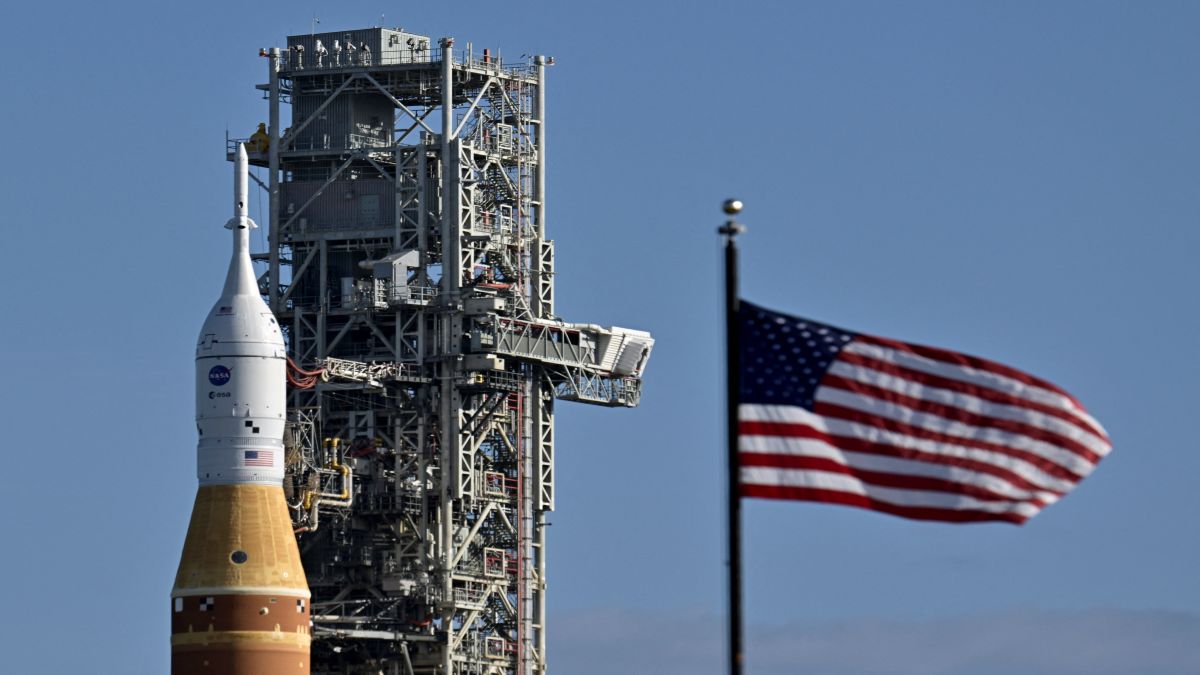 "Artemis II: Why Nasa astronauts won’t land on the Moon during mission")
 "Iran War News Live: JD Vance engages Pakistan as US pushes ceasefire efforts in Iran war, says report")
 "Trump threatens to pull US out of Nato as Europe rejects role in Iran conflict")
 "Nuclear raids vs Kharg spectacle: As Trump eyes to exit war, US and Israel stand divided on Iran goal")
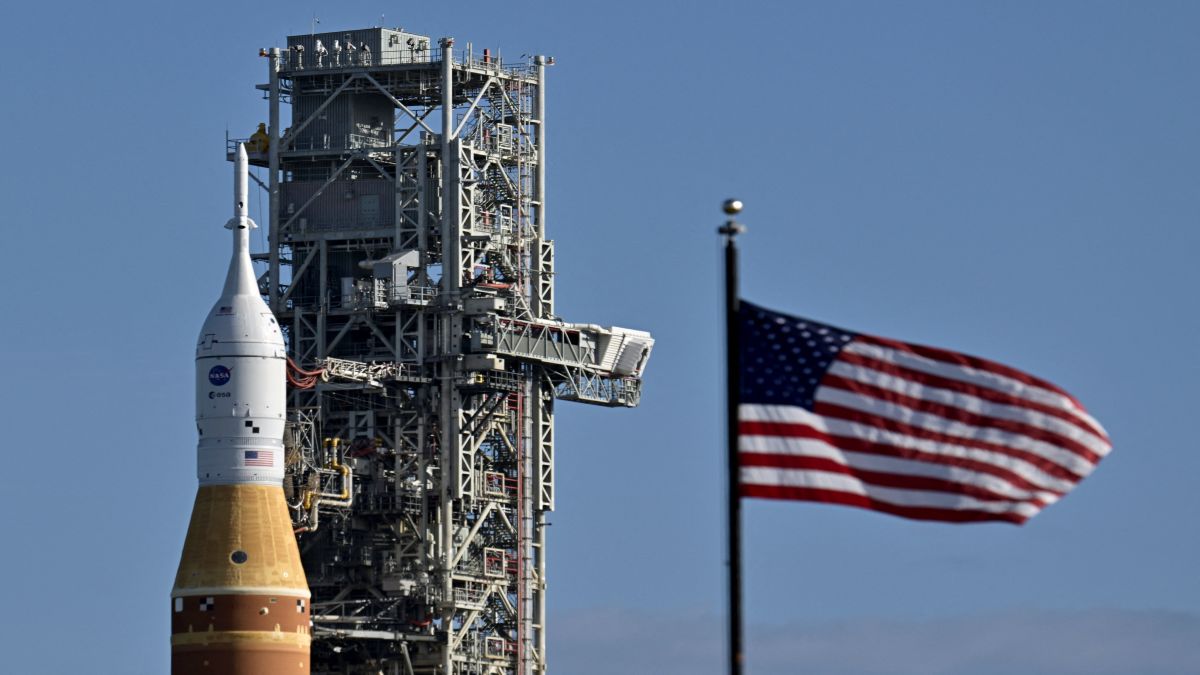 "Artemis II: Why Nasa astronauts won’t land on the Moon during mission")