

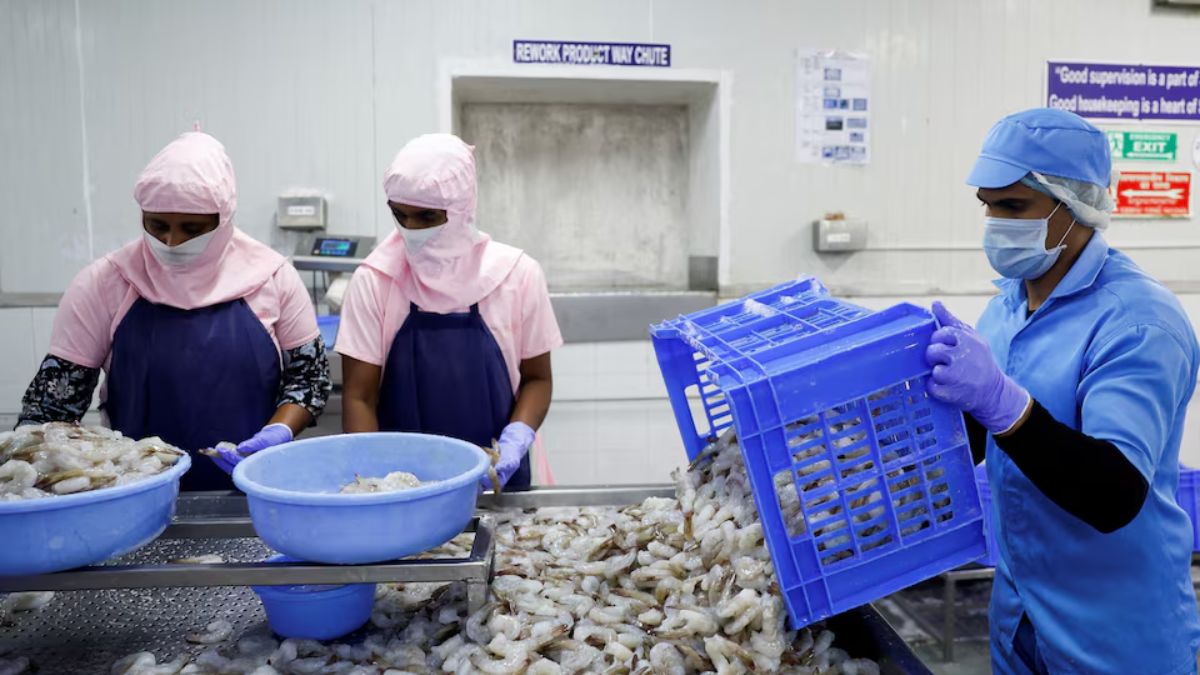
 "How Indian seafood exports turned the tide after US tariffs")
Despite 50 per cent American tariffs, Indian seafood exports increased by 11.6 per cent year-on-year between April and October, according to data from the Ministry of Commerce and Industry.
US President Donald Trump has imposed 50 per cent tariffs on India — making the country the most heavily tariffed in the world. These tariffs began taking effect in August. From the outset, seafood exports —particularly shrimps— were expected to be the hardest hit.
But it now appears that Indian exporters have weathered the storm so far.
India seeks new export markets to make up for loss of US market
The key to weathering the storm has been replacing the traditional US market with newer destinations in the European Union (EU), the United Kingdom (UK), Russia, China and Vietnam.
As a result of export diversification, seafood revenue during the period rose to $4.69 billion from $4.2 billion a year ago, according to The Economic Times.
As Firstpost’s Madhur Sharma previously reported, well before Trump’s tariffs came into force, India had been engaged in trade talks with South American nations such as Peru and Chile; the EU; and the Eurasian Economic Union (EEU), and had struck deals with the UK and the European Free Trade Association (EFTA) as part of efforts to find new export destinations for goods affected by tariffs.
India also sought to explore export opportunities in Russia and leverage its improved relationship with China.
US out, EU in: India’s new export strategy
After Trump made Indian goods less competitive, India found a stronger trading partner in the EU.
India’s overall seafood exports to the EU rose 40 per cent in the April–October period, while shrimp exports —the most vulnerable product— surged 57 per cent, according to ET.
Quick Reads
View AllThe driving force behind the surge is the EU’s inclusion of 102 fishery units in its list of importable items. Similarly, exports to Russia grew after the country added 29 Indian fishery units to its list.
As Firstpost’s Madhur Sharma previously reported, the immediate concern after tariffs were imposed was for sectors such as seafood, primarily shrimps, and textiles.
“It was not just about facts and figures but about the livelihood of people,” said Ram Singh, a professor of international trade at the Indian Institute of Foreign Trade (IIFT), Delhi.
“Shrimp producers are at the bottom of the socioeconomic pyramid. Around half of all Indian shrimps are exported to the United States. While consumption growth can balance the GDP growth numbers and new markets may be found for other exports, shrimp producers are neither going to benefit from domestic consumption growth nor can they wait for long-term solutions. For them, immediate support is needed in the form of a financial support package,” Singh told Sharma in August.

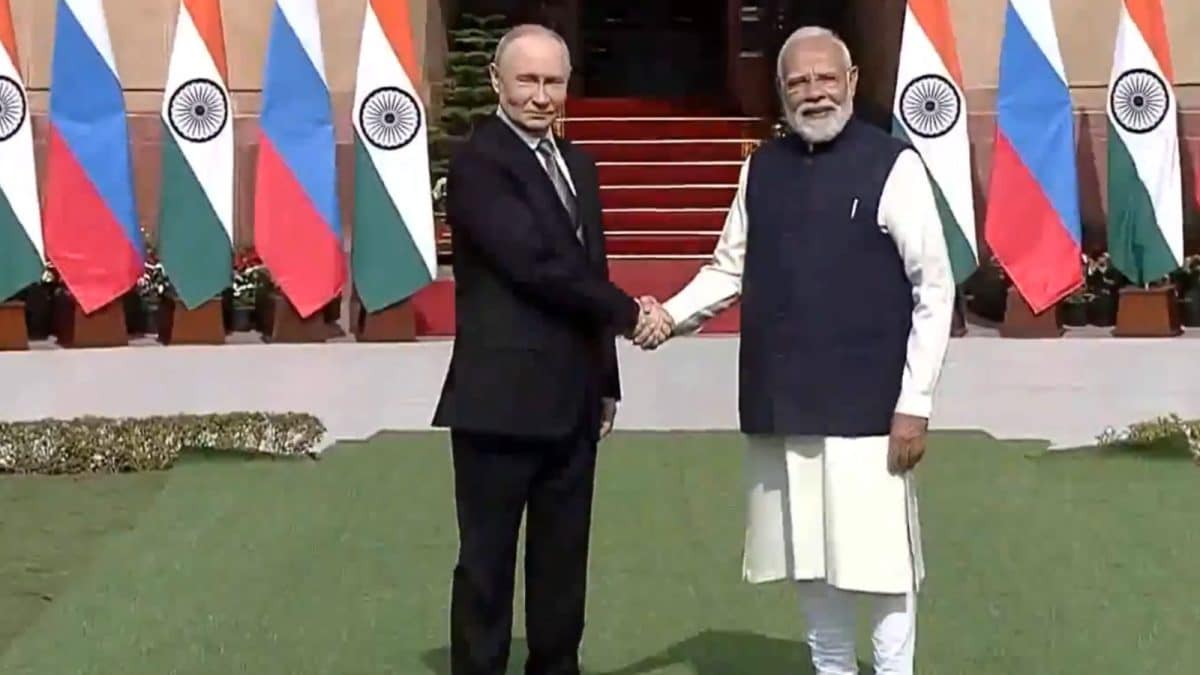 "Putin India Visit LIVE Updates: India and Russia sign Vision 2030 to boost economic cooperation, explore FTA with EEU, says PM Modi")
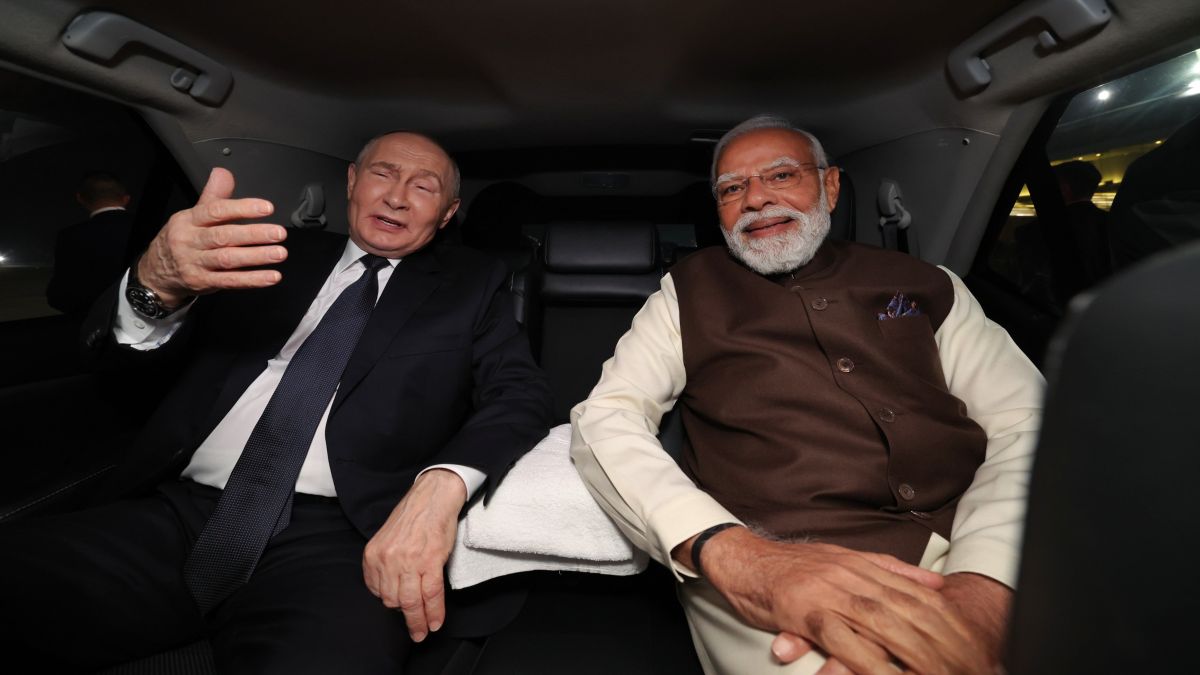 "India, Russia agree to boost trade, investments after Modi-Putin talks")
 "DGCA puts new pilot rest rule behind IndiGo flight cancellations on hold")
 "'India is not neutral...': How Modi's diplomacy has triumphed amid the Russia-Ukraine war")
 "Putin India Visit LIVE Updates: India and Russia sign Vision 2030 to boost economic cooperation, explore FTA with EEU, says PM Modi")
 "India, Russia agree to boost trade, investments after Modi-Putin talks")
 "DGCA puts new pilot rest rule behind IndiGo flight cancellations on hold")
 "'India is not neutral...': How Modi's diplomacy has triumphed amid the Russia-Ukraine war")



