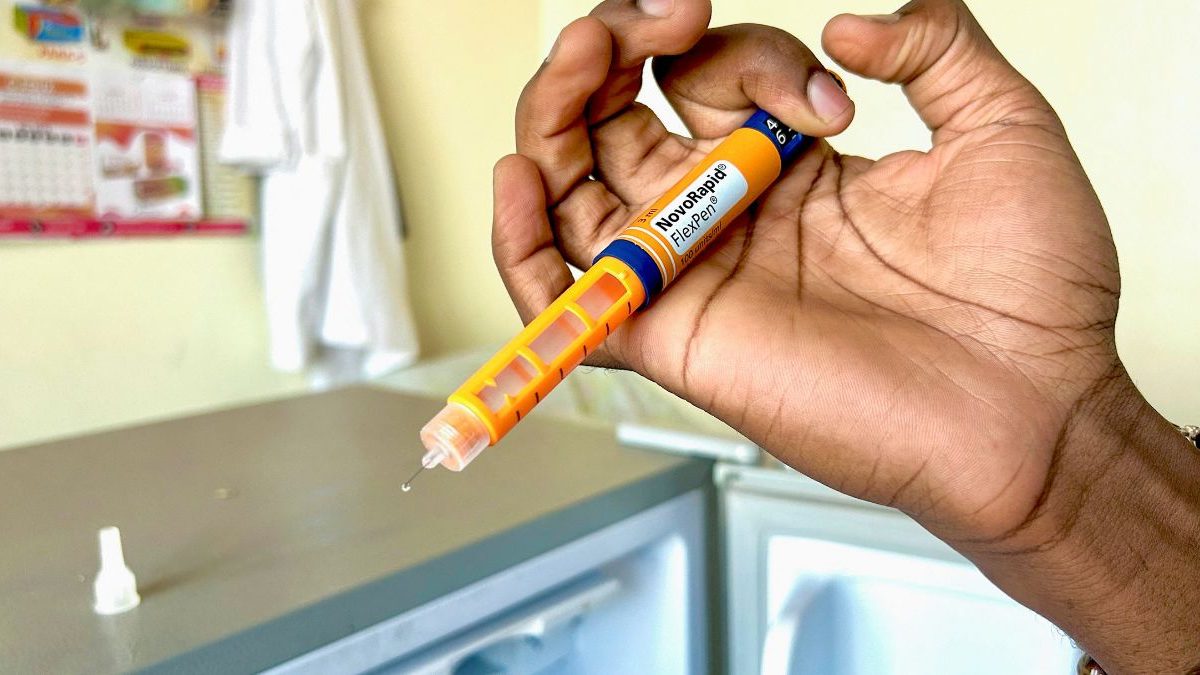
 "Representational image. Reuters")
The Government of India has released detailed guidance on the use, risks and regulation of GLP-1 (glucagon-like peptide-1 agonist) drugs, as these medications gain popularity for diabetes treatment and weight loss.
GLP-1 drugs are prescription medications primarily used to manage type 2 diabetes and obesity. Health authorities have emphasised that these drugs must only be taken under the supervision of qualified medical specialists due to potential side effects and risks.
Prescribed only by specialists
Under current regulations, GLP-1 drugs in India can only be prescribed by endocrinologists, internal medicine specialists and cardiologists. They are not available over the counter.
The Drug Controller General of India (DCGI), in coordination with state drug controllers, has stepped up regulatory surveillance. Authorities have warned that any violation of prescription norms could lead to licence cancellation, financial penalties and legal action.
What does GLP-1 do?
GLP-1 drugs work by mimicking a naturally occurring hormone in the body that helps regulate appetite, insulin production and blood sugar levels. These medications reduce hunger, increase feelings of fullness, support insulin secretion by the pancreas and decrease sugar production by the liver.
Initially developed for diabetes management, GLP-1 drugs have also shown significant effectiveness in promoting weight loss. Several widely used medications fall under this category, including Ozempic, Victoza, Trulicity and Mounjaro.
Newer formulations such as Wegovy, Saxenda and Zepbound are specifically approved for obesity treatment.
GLP-1 drugs come with notable side effects
Experts highlight that these drugs offer several benefits, including meaningful weight loss, improved blood sugar control and reduced risk factors for chronic conditions such as diabetes and cardiovascular disease.
However, the government has also flagged potential side effects. Common reactions include nausea, diarrhoea and constipation, while rare but serious risks include pancreatitis and medullary thyroid cancer.
Should be used responsibly
Medical professionals stress the importance of informed decision-making before starting such treatments.
As one expert noted, treatment suitability should always be assessed by weighing potential benefits against risks through consultation with a healthcare provider.
The government’s move comes amid growing global and domestic demand for GLP-1 drugs, particularly for weight loss, raising concerns over misuse and unsupervised consumption.
Authorities aim to ensure these medications are used safely and responsibly within the country’s regulated healthcare framework.