

 "Three years of demonetisation: Core problems note ban sought to address remain; pain outweighs gains")
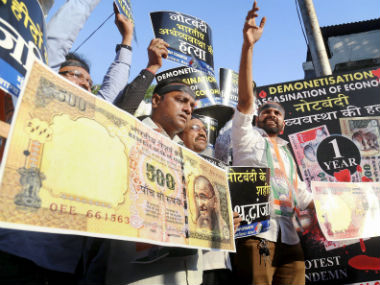
Three years ago, on the evening of 8 November 2016, Prime Minister Narendra Modi appeared on national television to announce the most disruptive economic move any country has ever attempted in modern history. In one go, the prime minister invalidated 86 percent of the currency in the economy in the form of two high-value notes, Rs 500 and Rs 1,000. To be sure, a few countries, India including, had attempted demonetisation before as well. But there was no comparison in terms of the scale of the exercise. Note ban sucked out majority cash from the system overnight while there was no immediate remonetisation plan in place. Modi’s announcement instantly triggered panic even among the general public with legit cash. Long queues were formed in front of automated teller machine (ATMs) within minutes and bank branches in the following working days. People waited to withdraw cash and deposit the stock of invalidated notes in exchange of the valid currencies. The exercise spread chaos in the cash-dominated informal economy breaking supply chains and crippling small businesses and big businesses in some or the other manner. [caption id=“attachment_4283815” align=“alignleft” width=“380”] Representational image. PTI[/caption] The Reserve Bank of India (RBI) issued over 60 circulars on the rules pertaining to cash/withdrawal and deposits in the following weeks. Confusion prevailed across different walks of life. The RBI often acted like it was clueless about the real situation on the ground. It took five to six months for the central bank remonetise the system making cash available to the general public. Tax cheats, as usual, found a way around to whiten their black money. Many split the amount into small chunks and deposited through different accounts, there were cases of private employers paying advance salaries for up to a year to their employees to get rid of cash. Some rushed to gold jewelers to convert their cash into physical holdings. More than 99 percent of the cash returned to the system belying the government’s initial expectations. The government initially thought that at least Rs 3 to 4 lakh crore unaccounted money would be extinguished outside the banking system and this will lead to a windfall to the government. That, clearly, didn’t happen. What has demonetisation achieved in the three years since it was launched? There were three main targets initially announced by the prime minister in his televised speech. 1) Curbing black money in the economy in the form of cash 2) terminating cash-based corruption and 3) killing fake currency. There were also goals added later such as curbing terrorist activities where cash exchange is dominant, pushing digital transactions, widening the tax base and so on. Are these targets achieved in the three years? If one conducts a reality check analysing various ground reports and studies, the core issues that the note ban sought to terminate still remain on the ground. Note ban did not kill unaccounted cash According to experts’ estimates, black money in the form of cash was only about 5 percent of the total stock, while the remaining was either in the form of real estate investments, gold or other assets. Hence, the idea that the note ban would kill unaccounted cash was a dud from Day One. Even the
RBI directors hadn’t agreed with the government argument that the note ban will help curb black money in a significant manner. “While any incidence of counterfeiting is a concern, Rs 400 crore as a percentage of the total quantum of currency in circulation is not very significant,” they said. In short, there is no material evidence to prove that the demonetisation has significantly reduced
black money in the system. New Rs 2,000 note finds itself in black money seizures What about counterfeit notes?
Fake currency notes worth Rs 28.1 crore were seized in 2017, which rose 76 percent from the previous year’s mark of Rs 15.9 crore, according to the Crime in India-2017 report put together by the National Crime Records Bureau (NCRB), News18 reported. According to this report, the new Rs 2,000 note, released after the November 2016 demonetisation, accounted for Rs 14.98 crore of the currency seized in 2017. This is logical because Rs 2,000 notes are easy to carry and hoard for crooks in the business of counterfeit notes. The total number of notes seized were 3,55,994, a 26 percent rise from 2016, when 2,81,839 fake notes were seized. Of these, there were 65,731 old Rs 1,000 notes, 1,02,815 were old Rs 500 notes, 8,879 were new Rs 500 notes and 92,778 were Rs 100 notes, the report said. Corruption and terrorist activity Similarly, there is no evidence to suggest that these two evils have come down post-demonetistaion. The note ban was expected to take care of
cash exchange for terrorist activities. But according to reports, such cases increased in the years 2016, 2017, and 2018, as compared to 2015. While 728 people died in terrorist activities in 2015; the number of casualties rose to 905, 812, and 940 in such activities in 2016, 2017, and 2018, according to the South Asia Terrorism Portal (SATP) data. Spike in digital money Digital payments spiked during the demonetisation and in the immediate months after that. Since then digital transactions have gone up substantially, but so is the use of cash too. Cash in circulation has gone back to pre-demonetisation levels. Hence, the impact on both digital and cash is neutral. ITR filings go up but not tax collection One of the factors used by the government to show the demonetisation as a success was the increase in tax to Gross Domestic Product (GDP) ratio. This claim had some merit to an extent. The number of people filing income tax returns (ITRs) has gone up, which is good but not the tax collection. But, the tax-to-GDP ratio still remains nearly half of what advanced countries have. The botched up implementation of the GST (Goods and Services Tax) added further woes to revenue collection. What did India lose due to this exercise? The informal economy took a severe hit in the post-demonetisation period. The GDP slowed down by more than 2 percentage points (economy was already on a shaky path, note ban added to the woes), unemployment among cash-intense contract labor industry jumped and many small businesses had to shut down. To sum up, the major objectives demonetisation sought to achieve have been missed; the pain the economy suffered due to note ban was way bigger than the gains attributed to the exercise. (Data support by Kishor Kadam)
Digital payments spiked during the demonetisation and in the immediate months after that. Since then digital transactions have one up substantially, but so is the use of cash too.
Advertisement
End of Article


 "Israel targets top Hamas leaders in Doha; Qatar, Iran condemn strike as violation of sovereignty")
 "Nepal: Oli to continue until new PM is sworn in, nation on edge as all branches of govt torched")
 "Who is CP Radhakrishnan, India's next vice-president?")
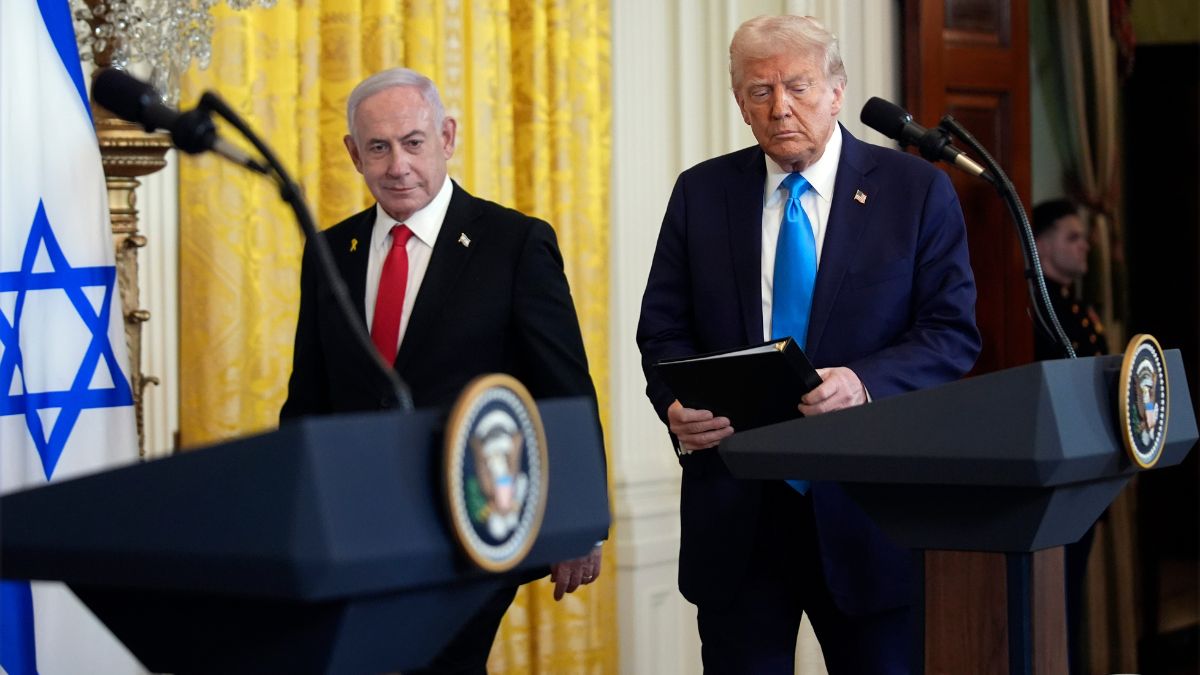 "Israel informed US ahead of strikes on Hamas leaders in Doha, says White House")
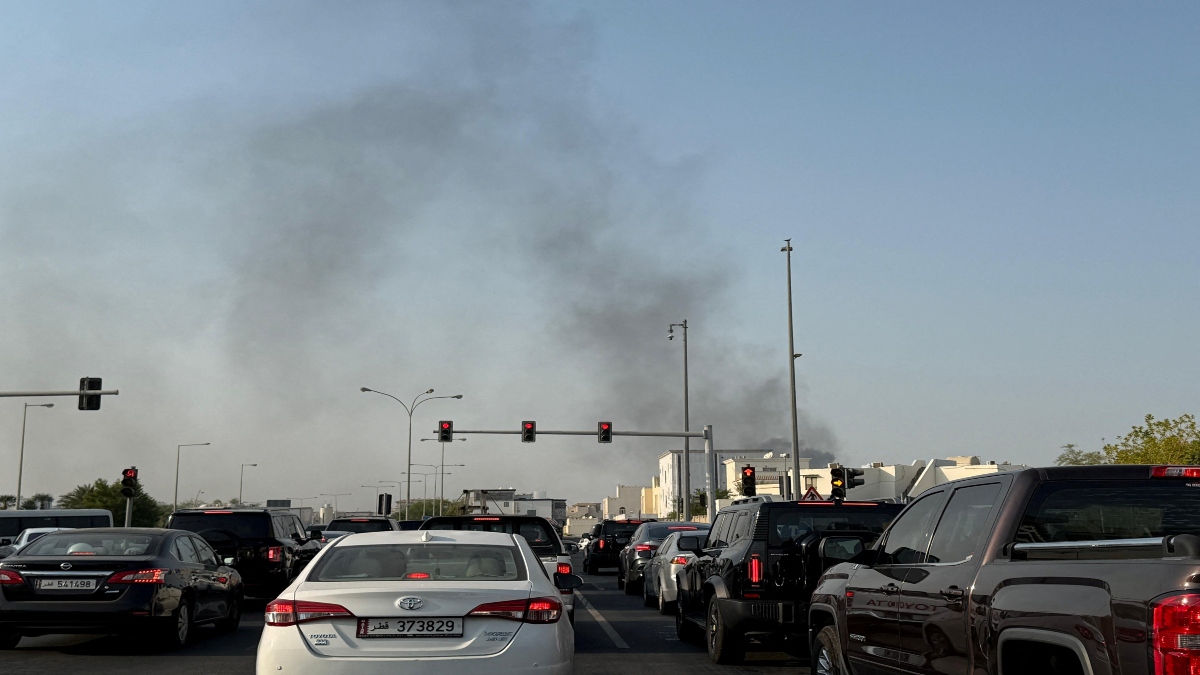 "Israel targets top Hamas leaders in Doha; Qatar, Iran condemn strike as violation of sovereignty")
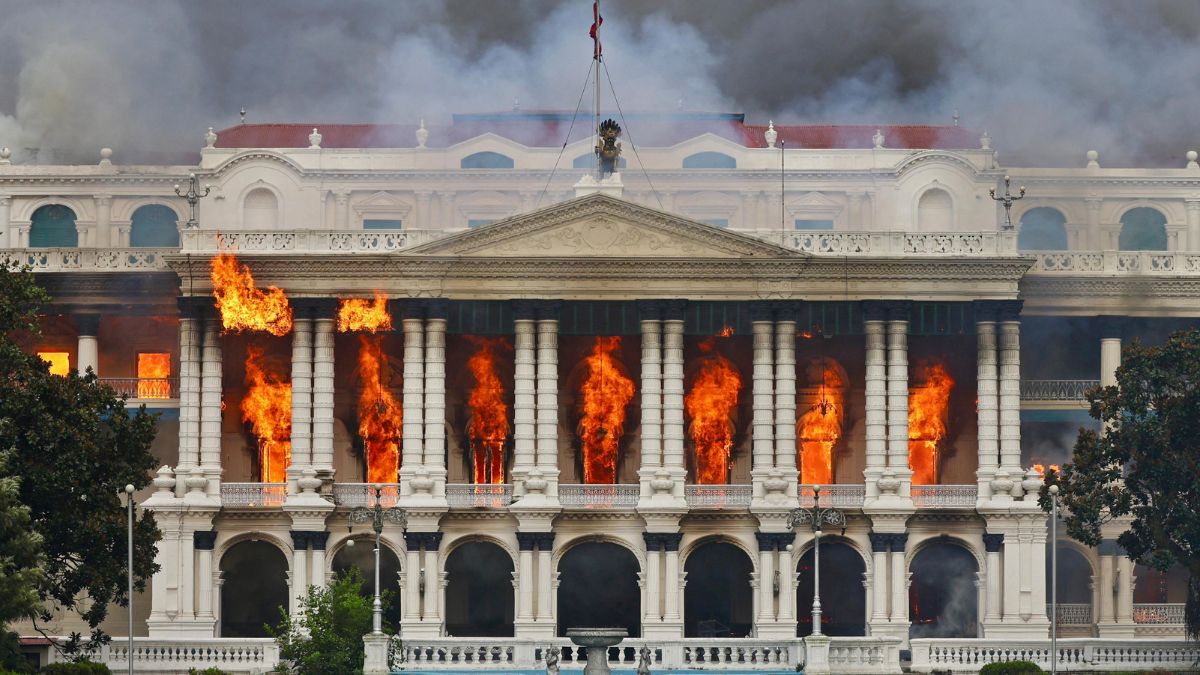 "Nepal: Oli to continue until new PM is sworn in, nation on edge as all branches of govt torched")
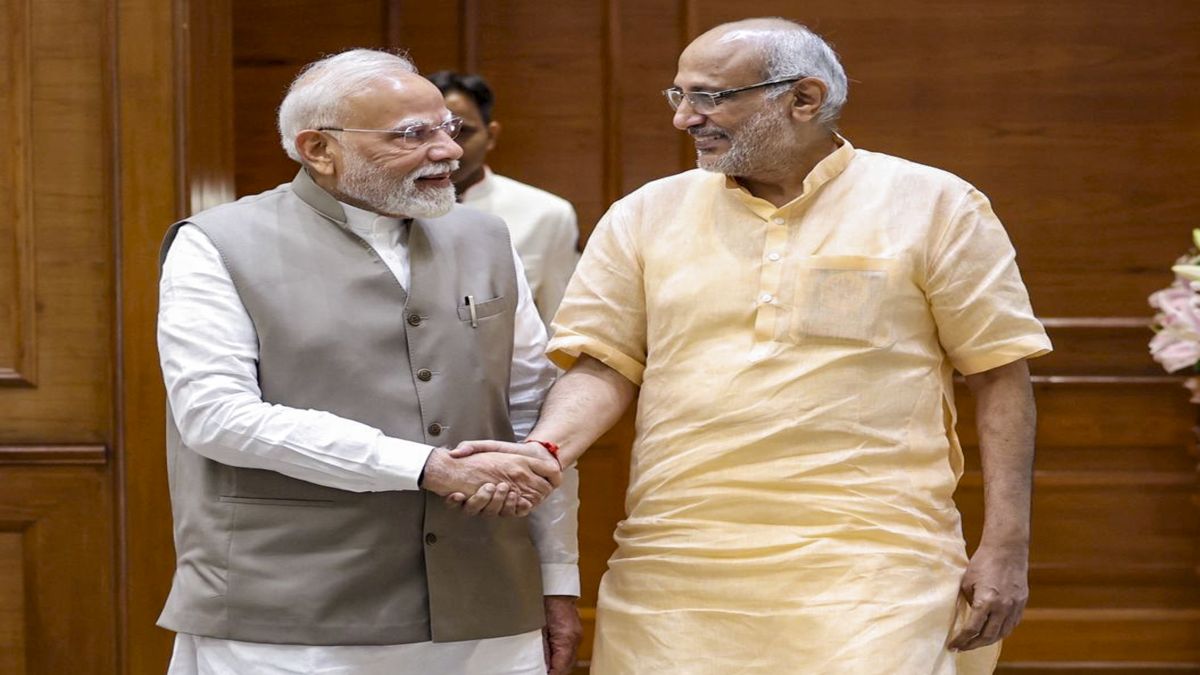 "Who is CP Radhakrishnan, India's next vice-president?")
 "Israel informed US ahead of strikes on Hamas leaders in Doha, says White House")



