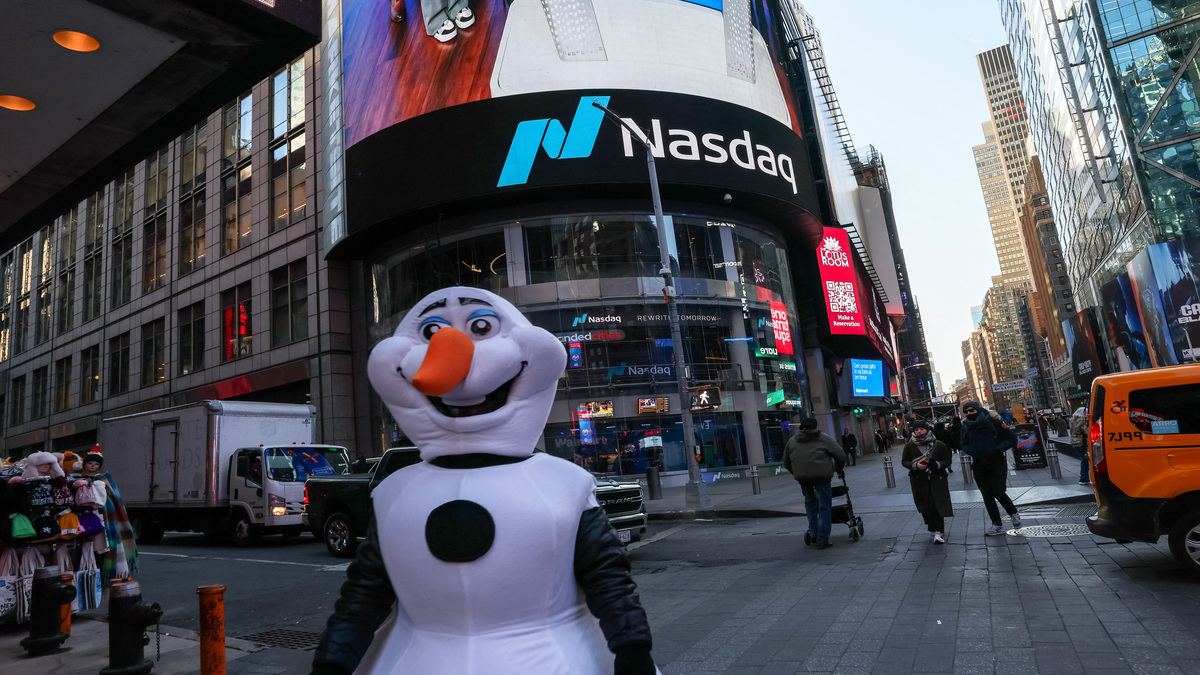
 "Markets rally on ‘less bad’ war signals, but underlying trade is still pricing disruption, not peace")
Global markets staged a sharp relief rally on Wednesday as tentative signals of de-escalation in the Iran conflict lifted investor sentiment, though analysts cautioned the move reflects a reset in positioning rather than any meaningful diplomatic breakthrough.
Equities across the US, Europe and Asia surged after remarks from US President Donald Trump suggesting military operations against Iran could wind down within weeks, alongside indications from Tehran that channels of communication remain open. The comments, while short on specifics, were enough to trigger a broad-based rebound in risk assets.
The S&P 500 rose nearly 3 per cent overnight, while futures extended gains in Asian trading. Europe’s STOXX Europe 600 climbed over 2 per cent in early deals, on track for its strongest session in a year. In Asia, South Korea’s Kospi surged as much as 9.1 per cent, while Japan’s Nikkei 225 advanced more than 5 per cent.
The rally snapped a multi-day losing streak for regional markets, with MSCI’s Asia-Pacific benchmark logging its biggest one-day gain since late 2022.
Yet beneath the surface, market signals remain far from aligned with any notion of peace.
Relief rally, not resolution
Market participants say expectations had fallen so sharply amid escalating tensions in West Asia that even marginal hints of de-escalation were enough to spark buying — a classic bear-market reflex where “hope” itself becomes a tradable asset.
Indeed, the divergence across asset classes is stark. While equities are pricing in stabilisation, other markets continue to reflect the risk of prolonged disruption — particularly around the strategically critical Strait of Hormuz.
Oil, shipping, insurance flag deeper risks
Crude prices extended their recent pullback, with Brent crude slipping below the $100-per-barrel mark. However, analysts warn that the decline is more a function of positioning and volatility than any structural easing of supply risks.
Shipping and insurance costs tied to Gulf transit routes remain elevated, reflecting persistent concerns over potential chokepoints and the risk of further escalation involving regional players.
Quick Reads
View AllReports that the UAE could seek a broader security mandate to intervene in the conflict underscore how fragile the situation remains, even as equity markets latch onto the prospect of an off-ramp.
Macro signals offer partial support
Adding to the positive momentum, strong economic data from Asia — particularly South Korea’s export surge driven by semiconductor demand — provided a fundamental tailwind to equity markets.
At the same time, safe-haven assets such as US Treasuries found support, with yields easing as investors reassessed the trajectory of monetary policy. Markets have begun to price in a slightly higher probability of rate cuts by the US Federal Reserve later this year, amid expectations that geopolitical uncertainty could weigh on growth.
The US dollar also softened, extending recent losses as risk appetite improved.
A fragile equilibrium
For now, the market narrative hinges on a delicate balance: optimism that the worst-case geopolitical scenario may be avoided, set against the reality that the conflict remains active and unresolved.
Analysts say the current rally is best understood as a recalibration from extreme pessimism rather than a shift to outright optimism.
With Donald Trump set to address the nation later in the day, investors are bracing for further signals. But unless rhetoric translates into concrete negotiations, the disconnect between asset classes may persist — leaving markets vulnerable to renewed volatility at the first sign of escalation.

 "Iran Israel War News Live: Not Mojtaba Khamenei, IRGC emerges as de facto authority in Iran amid war")
 "‘Without boots on the ground, Iran’s nuclear programme cannot be destroyed’: Israeli expert to Firstpost")
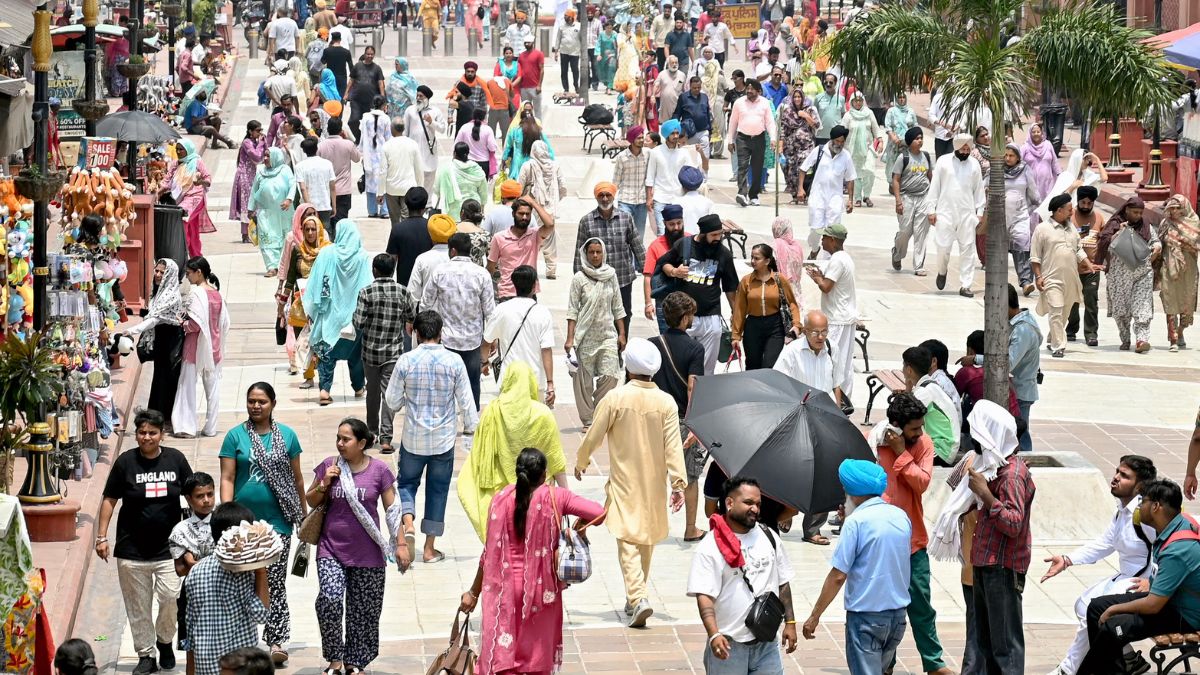 "Explained: What’s new as India carries out its first digital census?")
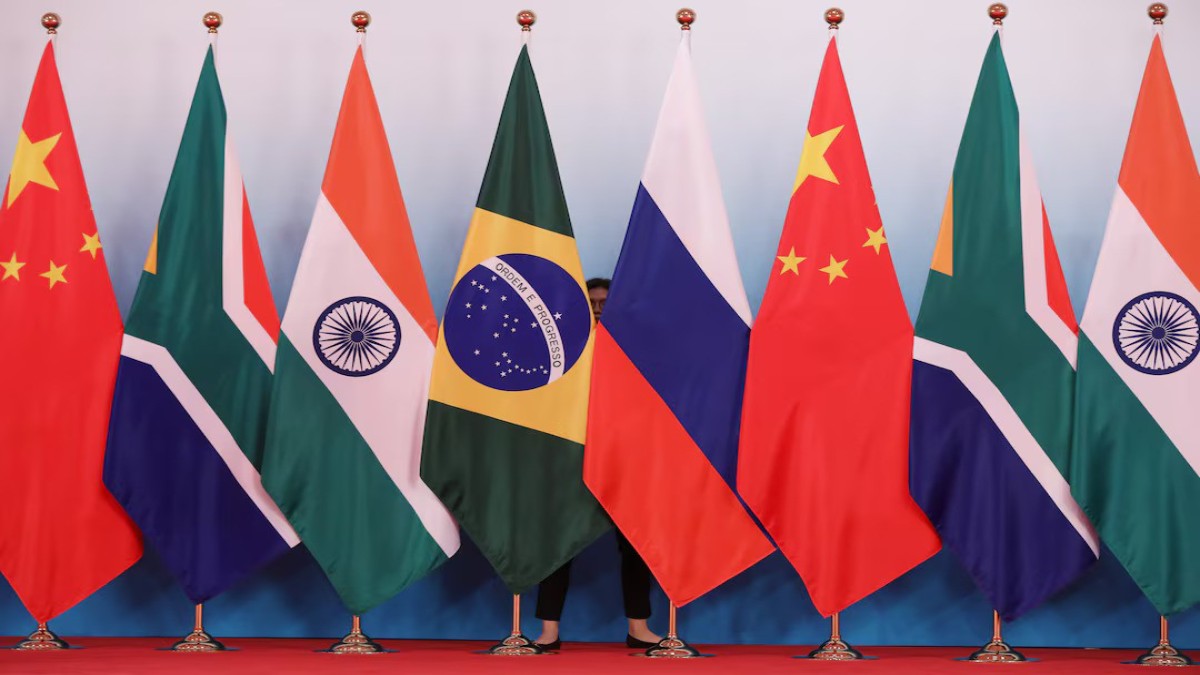 "New Delhi to host Brics FMs meet in May; Russia's Lavrov among key attendees")
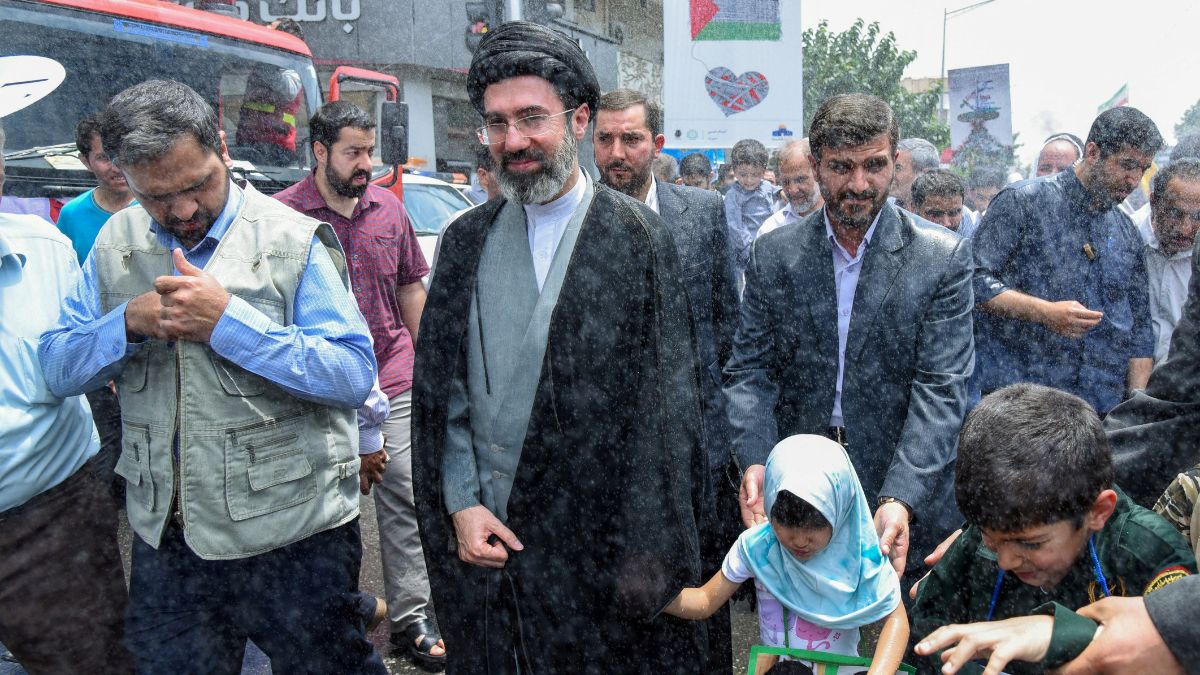 "Iran Israel War News Live: Not Mojtaba Khamenei, IRGC emerges as de facto authority in Iran amid war")
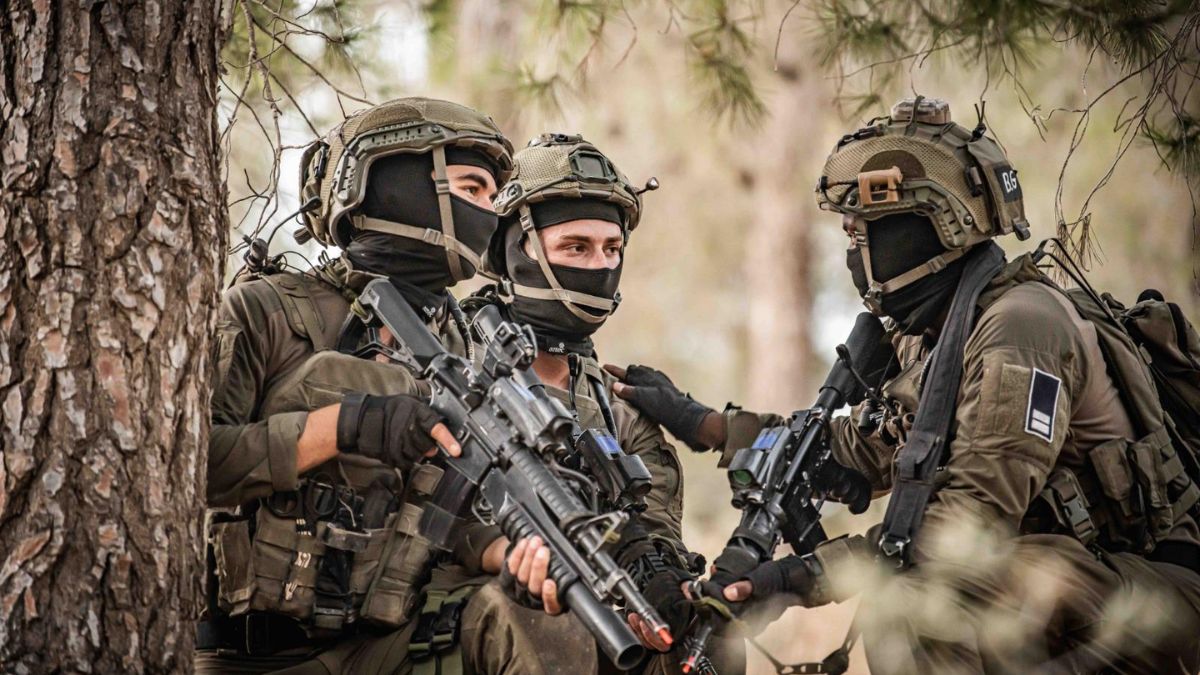 "‘Without boots on the ground, Iran’s nuclear programme cannot be destroyed’: Israeli expert to Firstpost")
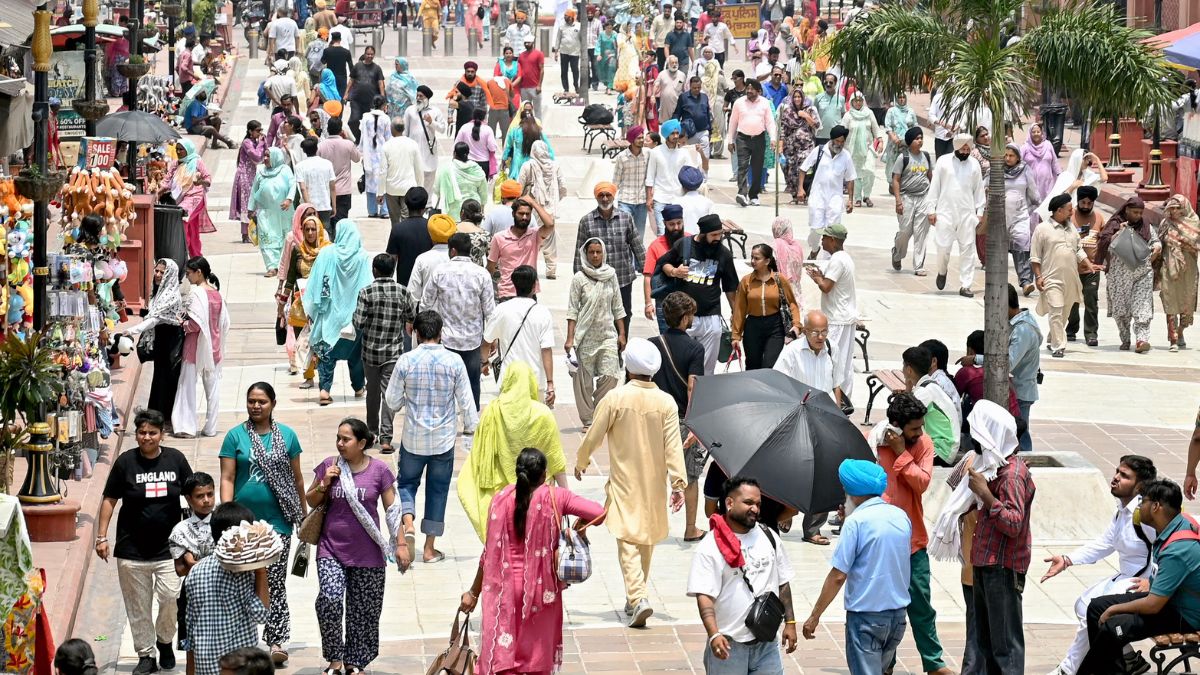 "Explained: What’s new as India carries out its first digital census?")
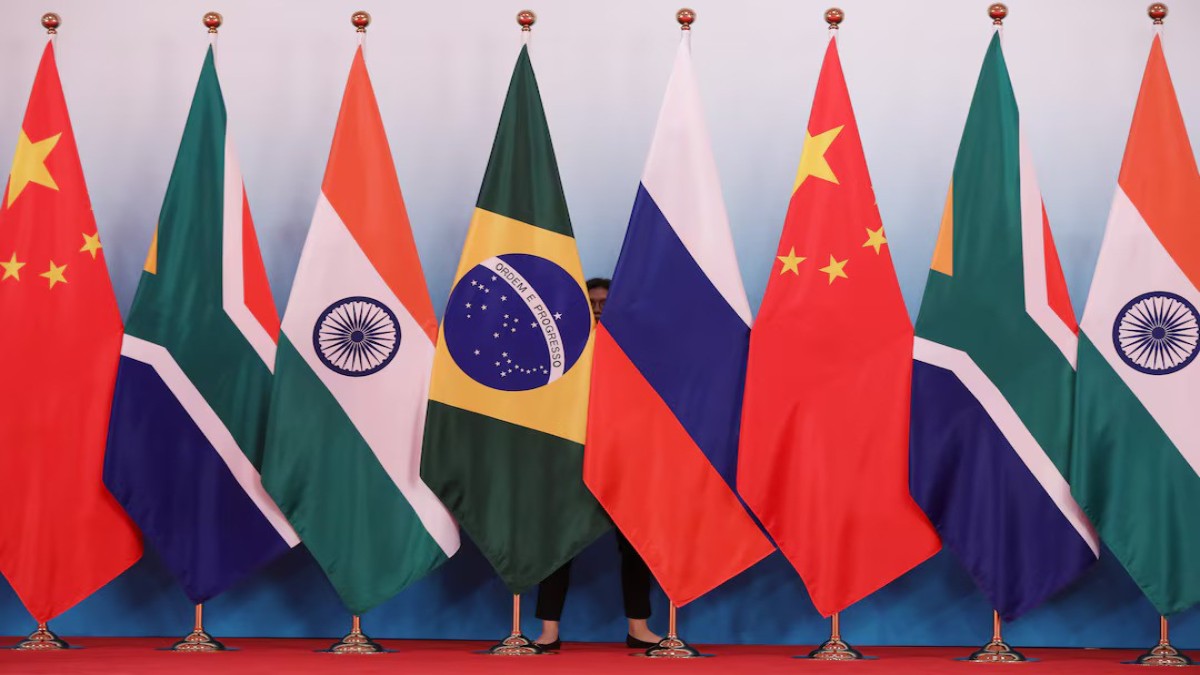 "New Delhi to host Brics FMs meet in May; Russia's Lavrov among key attendees")