

 "At Ola and Uber, times are a changin', striking drivers will just have to grin and adjust")
The strike by drivers of Ola and Uber in Bengaluru that began yesterday and the five-day strike that happened during the New Year in Hyderabad against the companies are a sign of things to come. Some Ola and Uber taxi drivers struck work because they want legally approved fares as fixed by Road Transport Operators, the incentives paid to them by the aggregators were lower and also because the incentives that could be earned with a few hours of driving had stretched to longer hours. Commuters were hassled by the disruption in services. However, both Ola and Uber were not worried about a few drivers who decided to strike work. “Only a small percentage of drivers struck work but there has been an impact on business. However, there were many drivers who chose to come online,” said a spokesperson with Uber. Ola, however, declined to comment. [caption id=“attachment_2984430” align=“alignleft” width=“380”]
 Representational image.[/caption] The key reasons for dissatisfaction among drivers of the taxi aggregators is that the supply of taxis has increased phenomenally in the last 2-3 years. In Bangalore, there were 53,000 registered taxis in 2013-14 which has increased to 113,000 registered taxis as on October 2016, according to a study by Valorise Consultants, market research services for transportation companies. Similarly, the numbers of taxis in Delhi has doubled in the last two years to 80,000. The number of trips, however, has not increased to the same ratio. “Owing to excess supply of drivers and slow growth in trips, the drivers need to put more time and effort to achieve this incentive,” said Jaspal Singh, Partner and co-founder, Valorise Consultants. Drivers have to work on an average 14-16 hours per day to complete required numbers of trips or minimum revenue collection. The incentive slab of each driver changes on a daily basis based on their past performance. Uber is rationalising the incentive structure of the drivers (see graph below). In October 2016, Uber shifted from per-trip model to earning model. However, in January 2017, they have completely changed their incentive model. The new structure is based on surge pricing and the company will use it to compensate drivers during different times of the day. As per an earlier report, Uber fare recovery ratio was just 41 percent and the company may incur a loss of $3 billion in 2016. Owing to reduction in incentives, the drivers’ income is falling sharply. The company will also deduct their commission and service tax and the effective incentive will be just 25 percent-45 percent. The taxi aggregators will in the future shift to a profit model by eliminating the incentives completely, said Singh. The country’s public transport is unable to cater to the growing number of people and at the best of times hasn’t been able to ferry the population across the country. The lacuna gave rise to taxi aggregators. [caption id=“attachment_3218286” align=“alignnone” width=“568”]
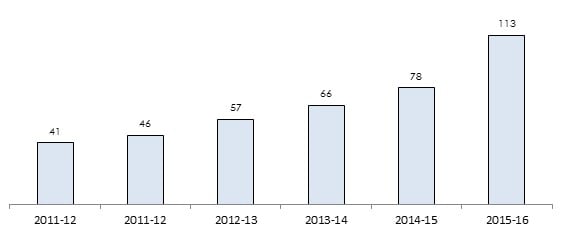 Number of registered taxis - Bangalore, 2011-2016 (Figures in ‘000)[/caption] A charge levelled against Uber and Ola by its drivers is that it preferred to give rides to those who had purchased cars through their leasing programmes. Sources at Uber denied that charge and said the company had no such preferences.
The taxi aggregators will in the future shift to a profit model by eliminating the incentives completely
Advertisement

End of Article


 "US ready to ‘impose costs’ on Russia if war in Ukraine drags on, says Hegseth")
 "US tells Hamas to stop violence against Gaza civilians and disarm 'without delay'")
 "China seizes 60,000 maps mislabelling Taiwan, omitting South China Sea islands")
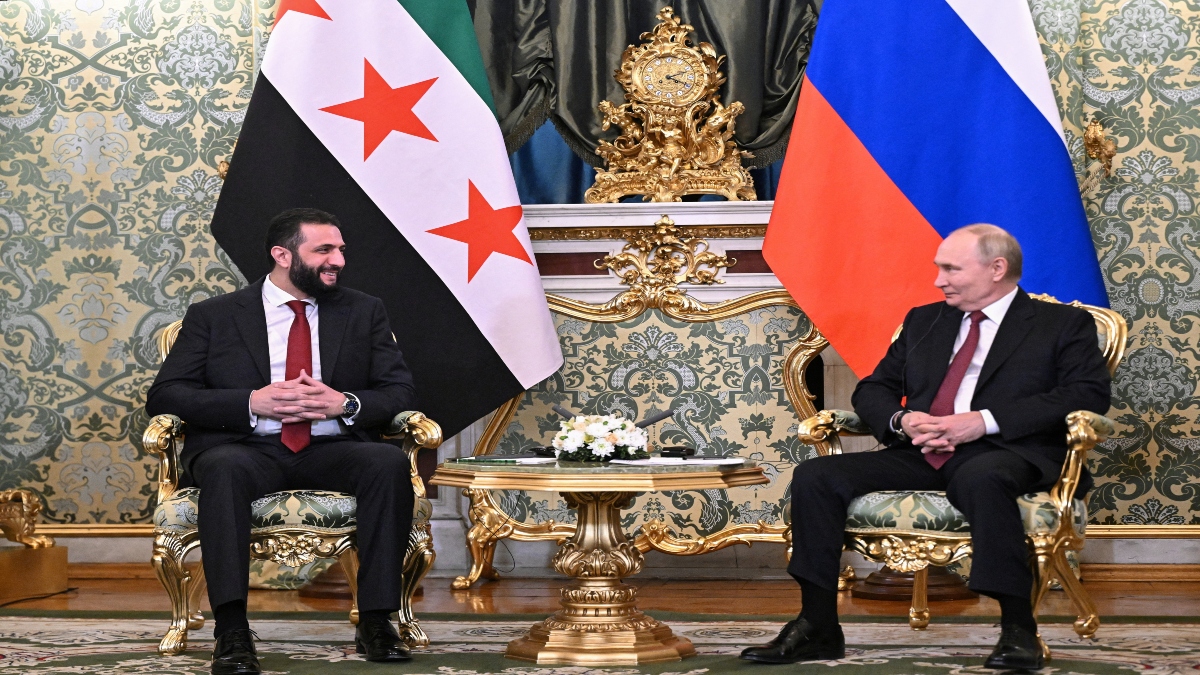 "Syria’s Sharaa pledges to honor Russia ties, seeks economic and military support in Kremlin visit")
 "US ready to ‘impose costs’ on Russia if war in Ukraine drags on, says Hegseth")
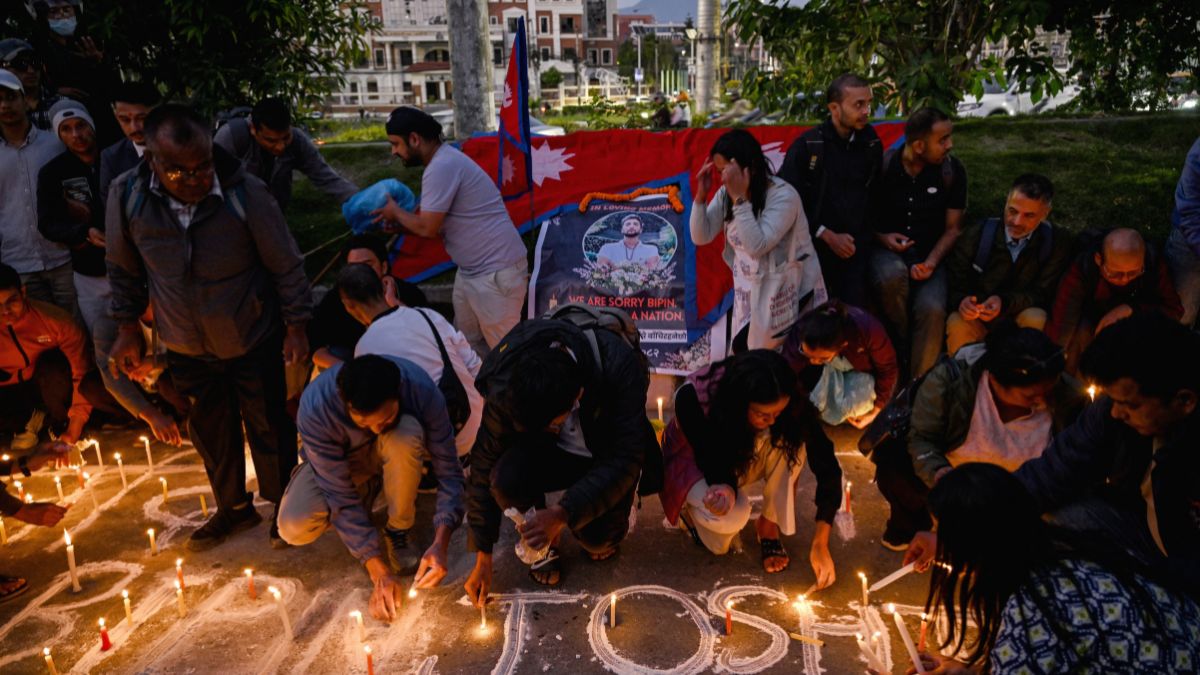 "US tells Hamas to stop violence against Gaza civilians and disarm 'without delay'")
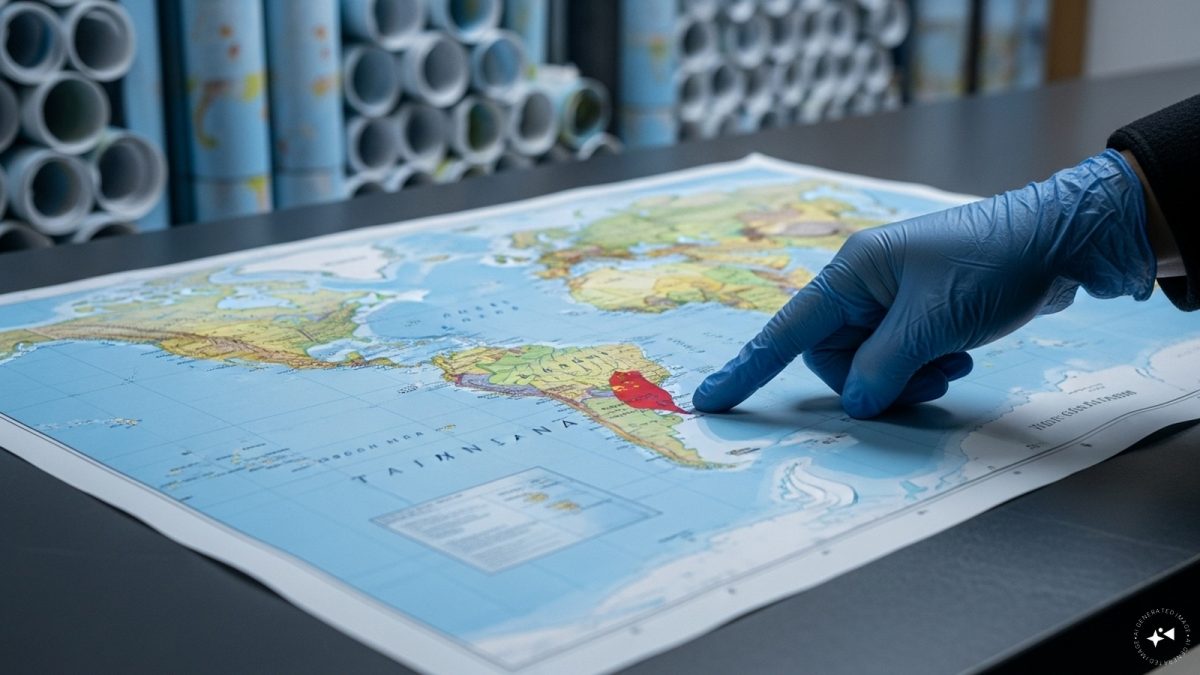 "China seizes 60,000 maps mislabelling Taiwan, omitting South China Sea islands")
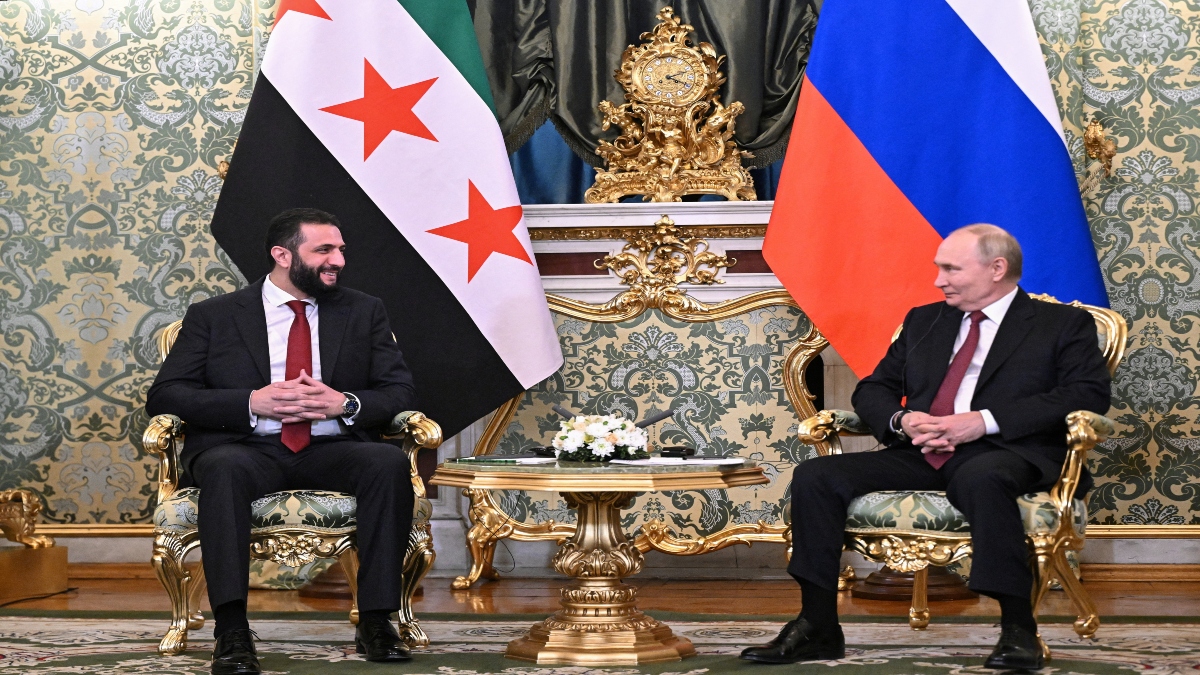 "Syria’s Sharaa pledges to honor Russia ties, seeks economic and military support in Kremlin visit")



](https://images.firstpost.com/wp-content/uploads/2016/08/Ola_Uber_ibnlive_3801.jpg)
](https://images.firstpost.com/wp-content/uploads/2017/01/Uber1.jpg)