

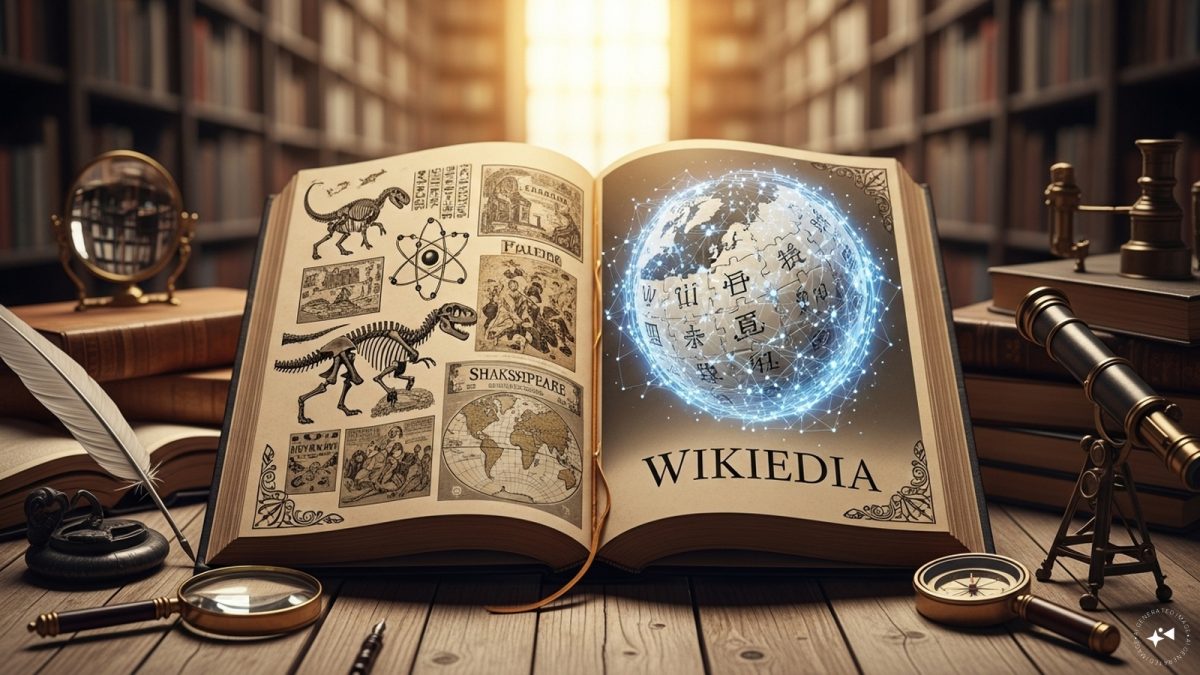
 "Wikipedia turns 25: A milestone in collaborative knowledge")
Wikipedia will turn 25 years old on January 15, 2026. During the earlier days, encyclopedias have gone from a punchline about the unreliability of online information to the factual foundation of the web. Marking a quarter-century since its launch as a revolutionary free encyclopedia.
Born from the vision of Jimmy Wales and Larry Sanger, it emerged as a side project to Nupedia, a more rigid expert-driven effort, adopting the Wiki model for open editing by anyone.
Now Wikipedia’s cofounder Jimmy Wales has written a new book, The Seven Rules of Trust: A Blueprint for Building Things That Last.
It describes a global decline in people’s trust in government media, and each other, instead of looking to Wikipedia and other organisations for lessons about how trust can be maintained or recovered.
When Wikipedia went live
Wikipedia went live on January 15, 2001, now dubbed “Wikipedia Day” initially as an English language site under wikipedia.com. The domain was registered just days earlier on January 12, with the first edit occurring shortly after.
The platform’s growth was meteoric. English Wikipedia hit 200,000 articles by January 2004 and surpassed 1 million in 2006.
Wales describes a global decline in people’s trust in government, media, and each other, instead looking to Wikipedia and other organizations for lessons about how trust can be maintained or recovered.
The platform’s growth was meteoric. The English Wikipedia hit about 200,000 articles by January 2004 and surpassed about 1 million in 2006.
Today, it boasts over 300 language editions of more than 60 million articles, with English alone exceeding 6.7 million.
The milestones included Wikiquote in 2003, Wikibooks and Wikisource soon after, and the Wikimedia Foundation’s founding in June 2003, Wikibooks and Wikisource soon after, and the Wikimedia Foundation founding in June 2003 to steward the ecosystem.

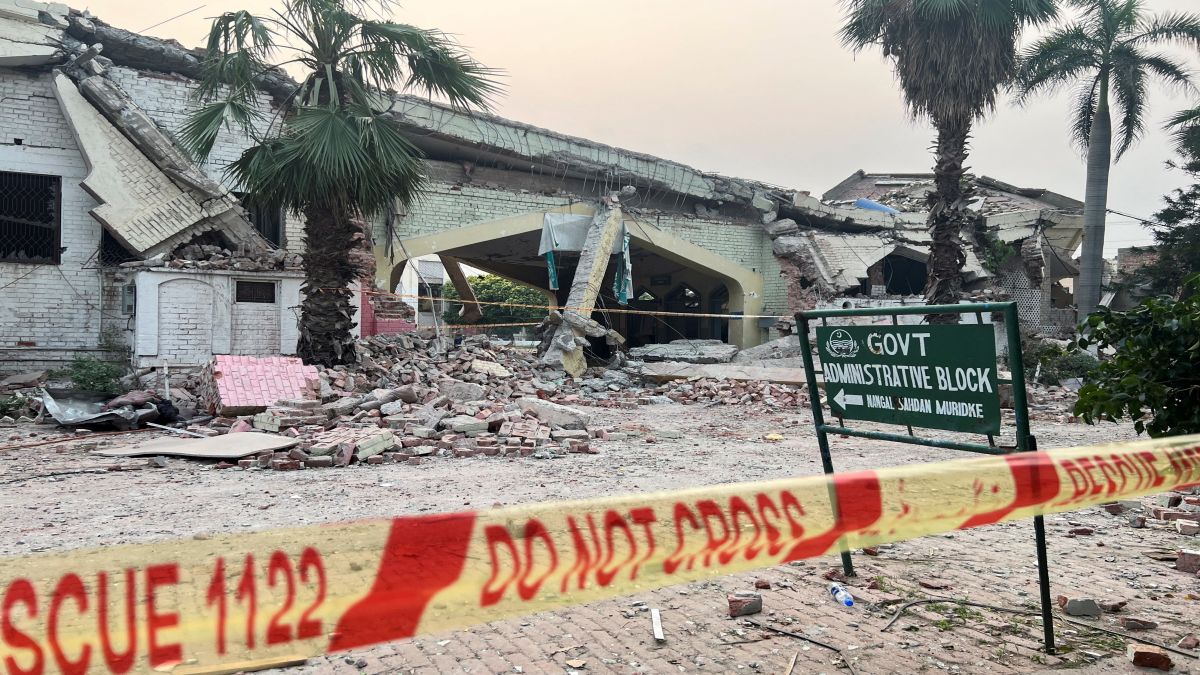 "Will 2026 see another India-Pakistan conflict?")
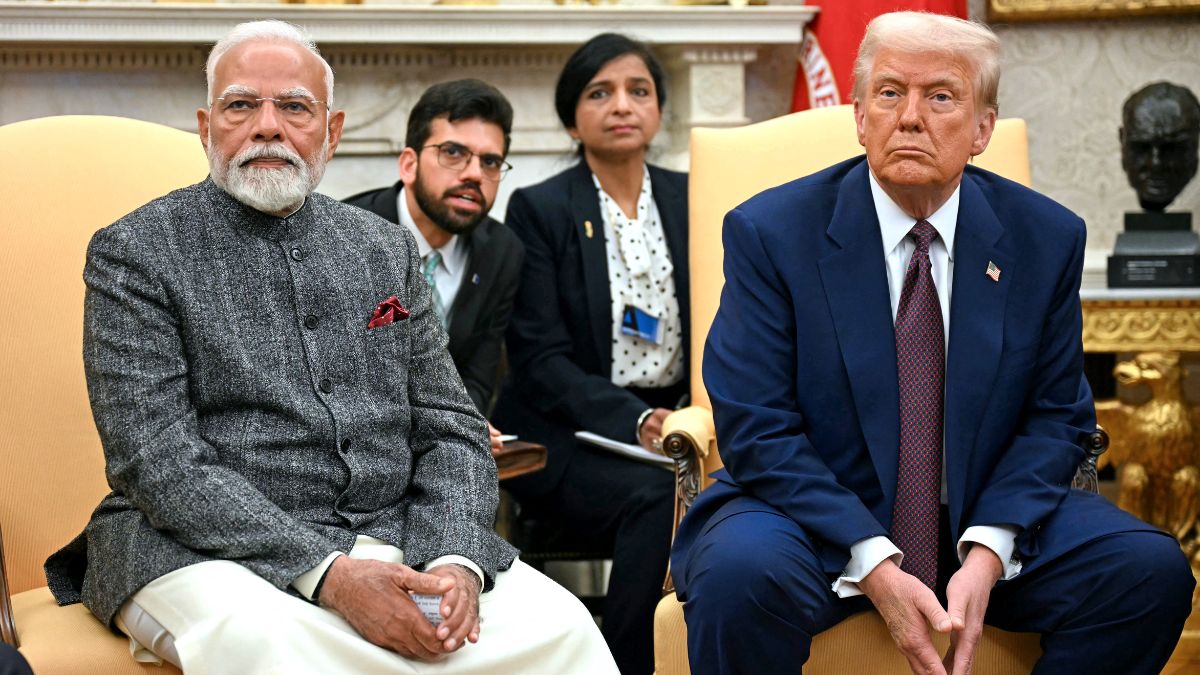 "India-US relations in Trump 2.0 — continuity, friction points, opportunities")
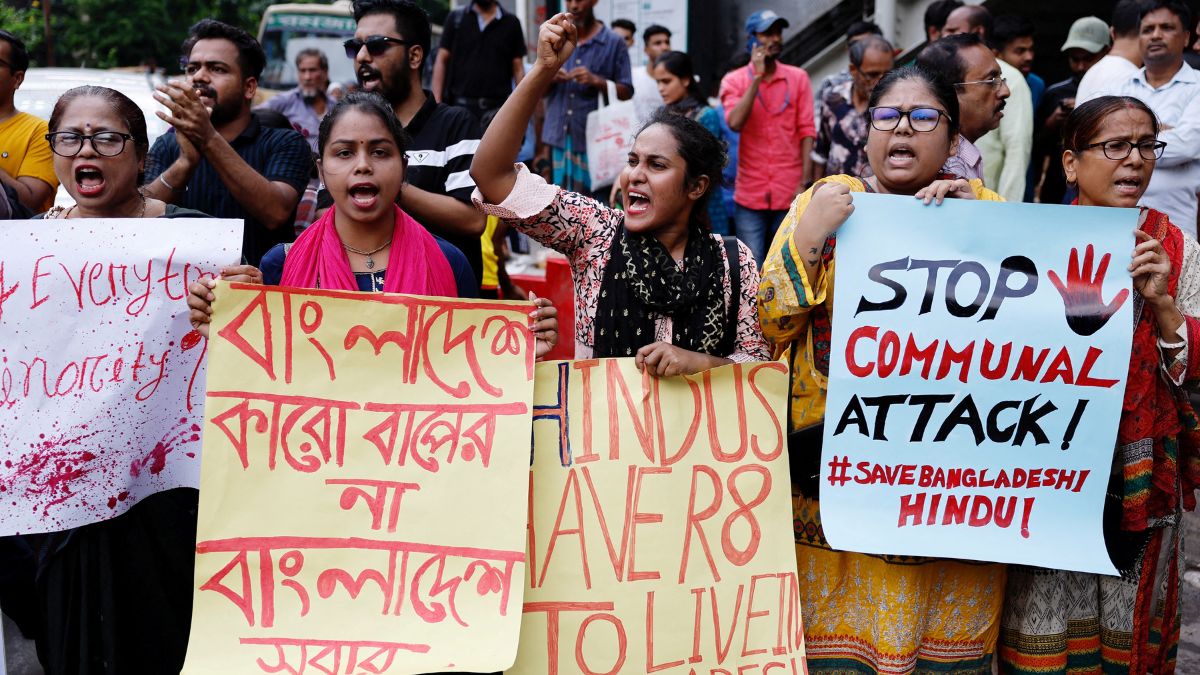 "Another Hindu killed in Bangladesh: How safe are minorities in the country?")
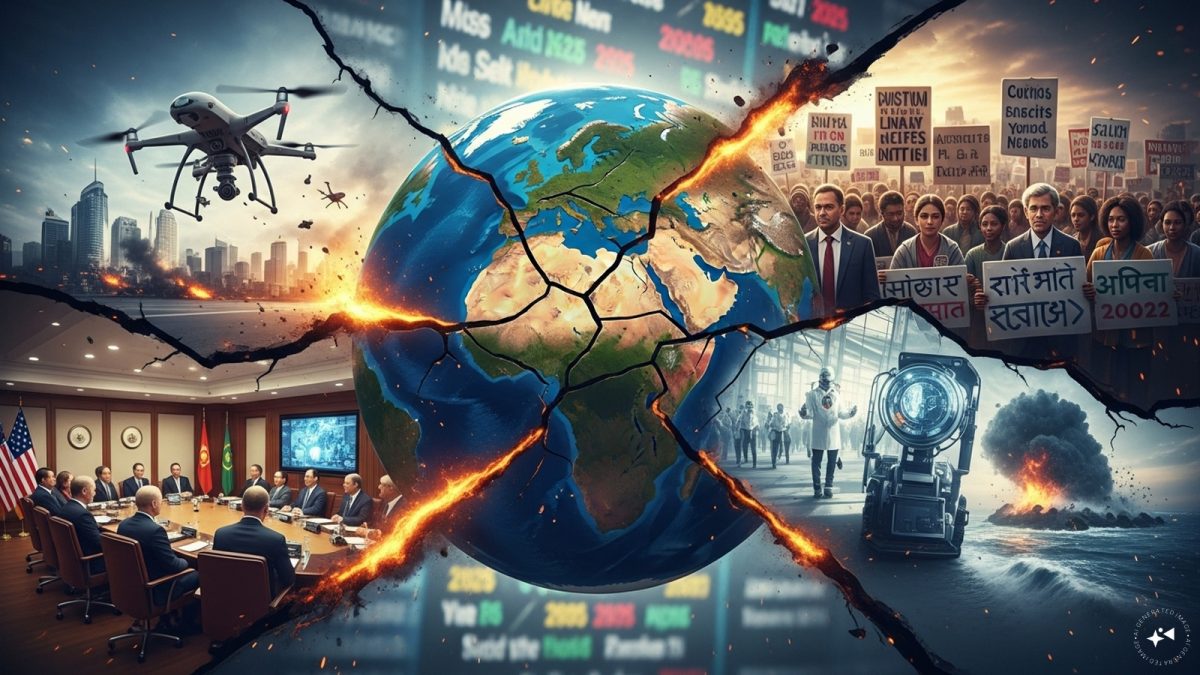 "2025 in review: The geopolitical earthquakes that reshaped the world")
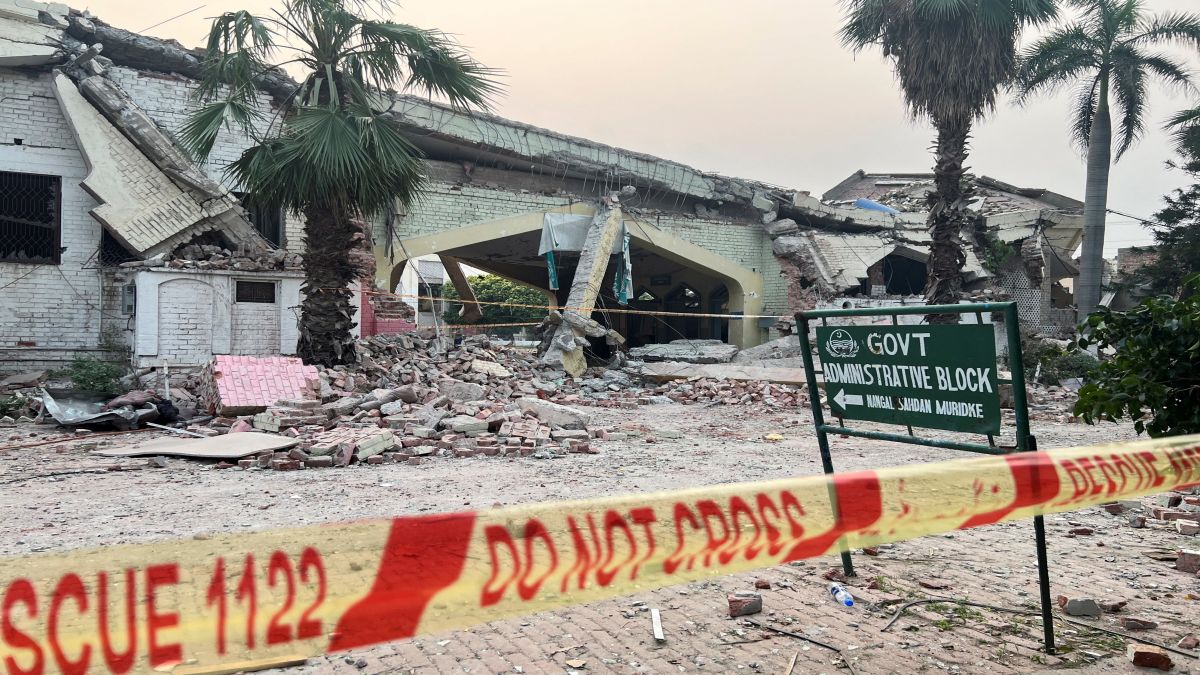 "Will 2026 see another India-Pakistan conflict?")
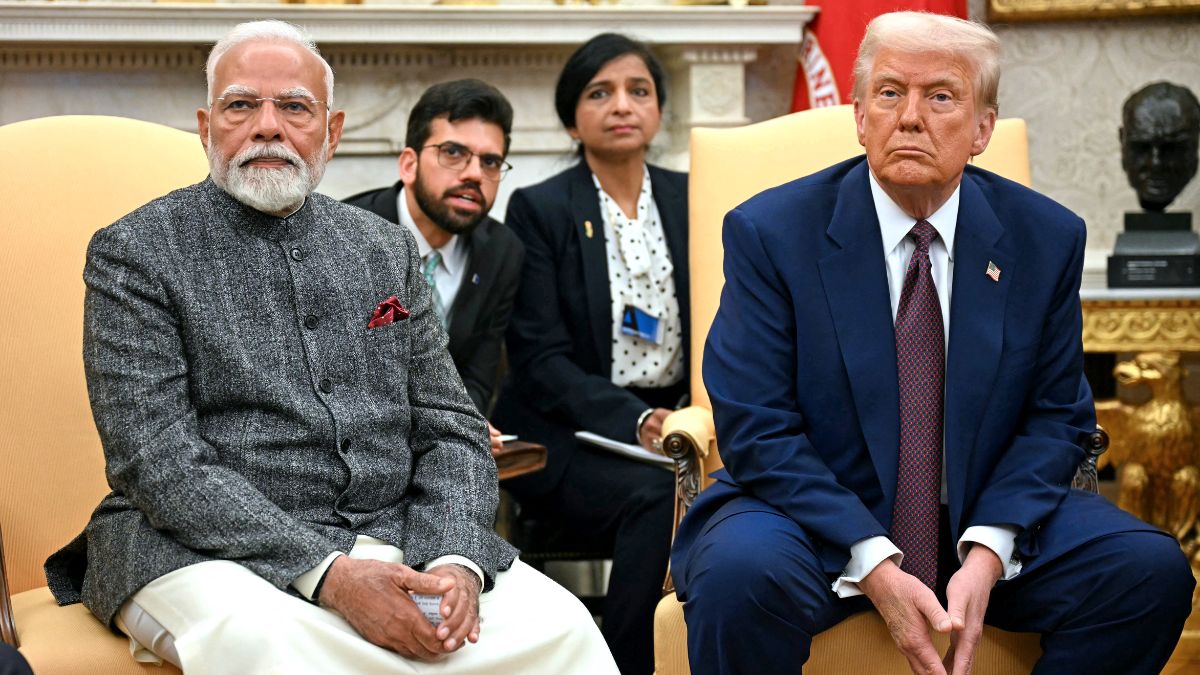 "India-US relations in Trump 2.0 — continuity, friction points, opportunities")
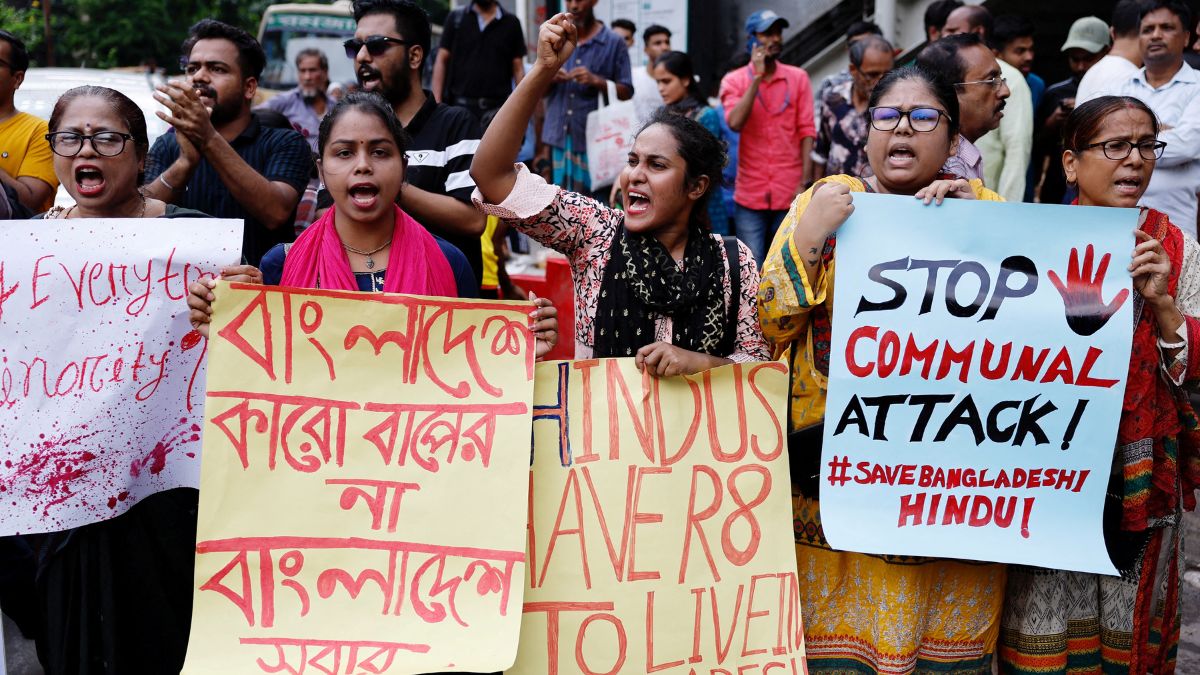 "Another Hindu killed in Bangladesh: How safe are minorities in the country?")
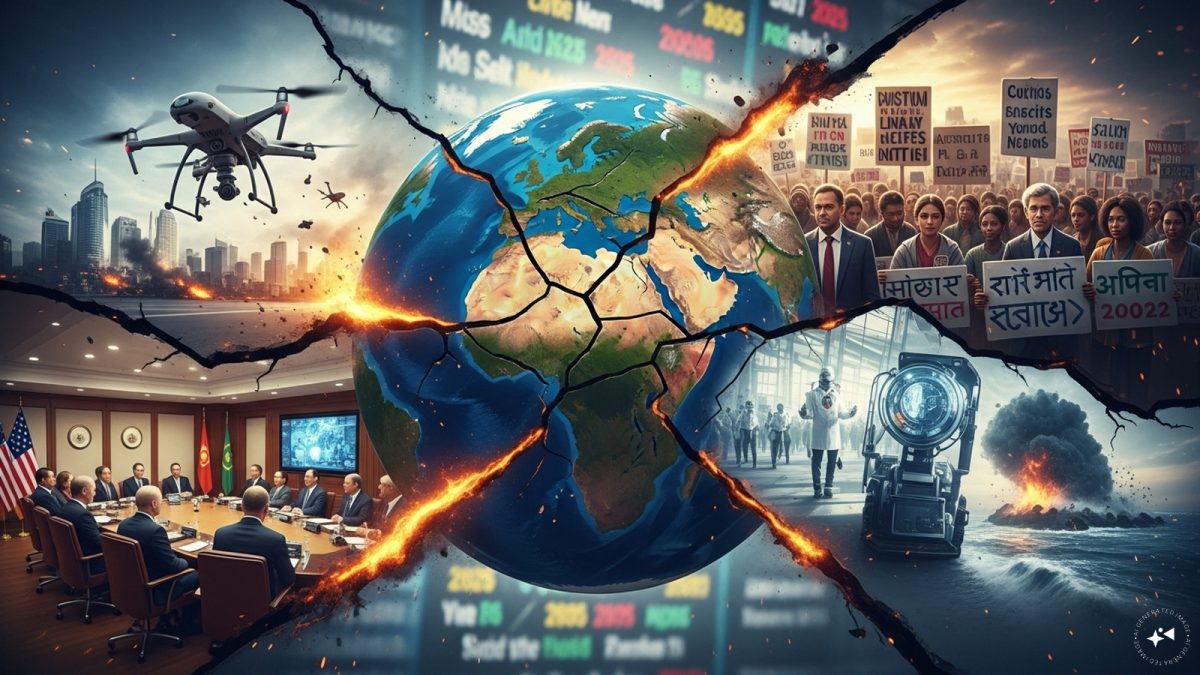 "2025 in review: The geopolitical earthquakes that reshaped the world")



