

 "The Gulf in nations: Yemen strikes lay bare simmering tensions between ‘brotherly’ Saudi Arabia and UAE")
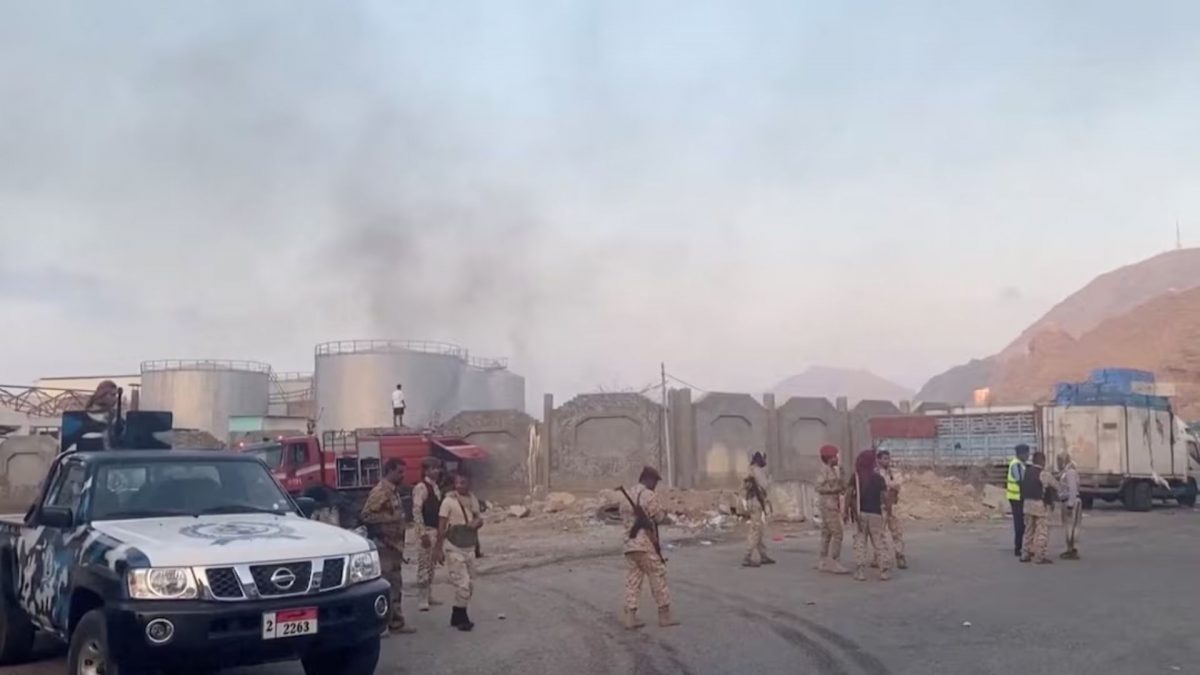
A recent Saudi‑led airstrike on the port city of Mukalla in Yemen has laid bare simmering distrust between two of the Gulf’s traditionally closest allies, Saudi Arabia and the United Arab Emirates (UAE).
What began as a military move has now spiralled into a political confrontation that shows deep disagreements over regional strategy and influence.
The strike, which hit southern Yemen’s Mukalla earlier this week, targeted what the Saudi coalition described as shipments tied to the UAE‑backed Southern Transitional Council (STC).
Shortly after, the UAE announced it would withdraw its remaining forces from Yemen, citing safety concerns, as per Reuters.
Riyadh’s action appears connected to broader tensions that have been brewing over months. Saudi Arabia has accused the UAE of backing the STC’s territorial gains in southern Yemen, particularly in the strategically important Hadramout province, where the STC now holds significant ground. These gains have put the separatist group close to Saudi Arabia’s border, raising alarm in Riyadh about shifting power dynamics in the civil conflict.
But Abu Dhabi has rejected any attempt to link it with actions that it believes undermine Saudi security. In response to the strike, the UAE’s foreign ministry said it “categorically rejects any attempt to implicate it” in actions that threaten its neighbour and insists its military presence has been focused on counter‑terrorism and de‑escalation.
Experts say the airstrike and subsequent fallout have brought long‑standing fault lines to the surface. Neil Quilliam, an associate fellow at think tank Chatham House, told Al-Monitor that “relations between the two states are never easy, but the friction does appear to be at its most intense for years.”
Quick Reads
View AllWider implications for the Gulf
The feud comes as both nations prepare for important diplomatic and economic discussions, including upcoming OPEC+ meetings on oil output. Disagreement between Riyadh and Abu Dhabi could complicate efforts to reach a unified stance, with potential ripple effects on global energy markets.
While experts think the rift isn’t likely to lead to a full‑blown diplomatic break like the 2017 Gulf crisis, it marks one of the most serious public displays of discord in years.


 "Did fireworks on champagne bottles trigger deadly blaze in Swiss ski resort bar?")
 "India-Bangladesh Ganga Water Sharing Treaty expiring in 2026: Will New Delhi renew pact? Talks kick off")
 "Mamdani pledges to usher in 'new era' for New York City in his first address as mayor")
 "China's 'war games' around Taiwan 'unnecessarily' raise tensions: US")
 "Did fireworks on champagne bottles trigger deadly blaze in Swiss ski resort bar?")
 "India-Bangladesh Ganga Water Sharing Treaty expiring in 2026: Will New Delhi renew pact? Talks kick off")
 "Mamdani pledges to usher in 'new era' for New York City in his first address as mayor")
 "China's 'war games' around Taiwan 'unnecessarily' raise tensions: US")



