

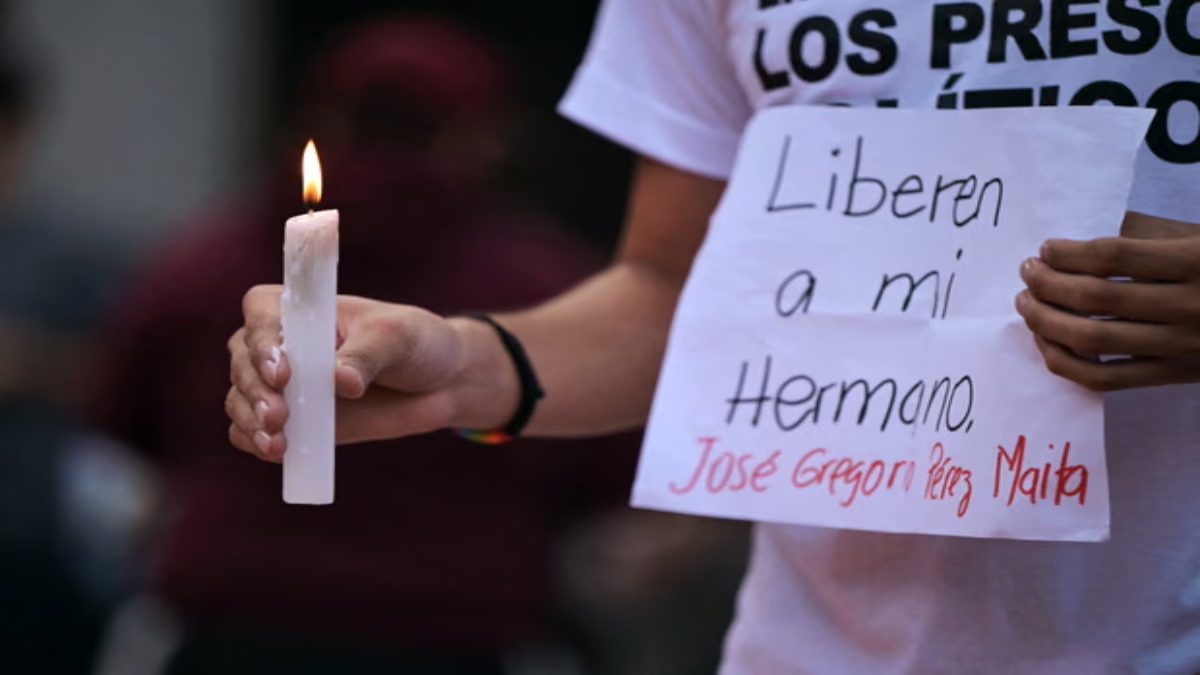
 "Venezuela frees 99 prisoners detained in 2024 election protests, NGOs demand release of 900 others")
As Venezuela continues to face international scrutiny, the Latin American nation said that it has conducted its largest prisoner release of 2025, claiming to have freed 99 people detained for taking part in the 2024 election protests. The polls that took place last year were widely seen as “stolen” by the country’s longtime President Nicolás Maduro.
However, civil society organisations within and outside the country are treating the latest announcement with caution and stressed that the release was insufficient, noting that at least 900 political prisoners remain in the country. The Maduro regime, on the other hand, refuses to acknowledge the existence of more such political prisoners.
In the early hours of Christmas, it said that 99 “citizens who were deprived of their liberty for their participation in acts of violence and incitement to hatred following the electoral process of 28 July 2024”. It is pertinent to note that the prisoner’s release came at a time when the South American nation is facing heavy scrutiny from the United States.
Venezuela frames the move as a’ peace offering'
The country framed the move as an expression of its alleged commitment to “peace” and its “unrestricted respect for human rights”, at a moment when the country is facing what it described as an “imperialist siege and multilateral aggression” by the US.
In recent weeks, the United States has intensified pressure on Venezuela with a “total blockade” of sanctioned oil tankers entering and leaving the country, the seizure of two vessels and the pursuit of a third, and airstrikes on boats that have killed 105 people in the Caribbean and the Pacific.
The prisoner release also followed a period of escalating internal repression, during which the opposition has been left with virtually no prominent figures either free or still in the country. For instance, Nobel Peace Prize-winning opposition leader María Corina Machado is temporarily in exile after travelling to Norway to receive the award.
In recent weeks alone, several political scientists, an activist and union leaders were arrested, while last week, 17-year-old Gabriel José Rodríguez Méndez became the first teenager convicted of “terrorism”, sentenced to 10 years in prison for taking part in post-election protests.
Quick Reads
View AllAs far as is known, no prominent opposition figures who had been detained, nor the 17-year-old Méndez, are among the 99 allegedly released, a group that does include at least three other teenagers. “The selective and discretionary nature of these releases confirms that deprivation of liberty has been used as an instrument of political persecution,” said the NGO Justicia, Encuentro y Perdón in a statement following the prisoners’ release.
The NGO acknowledged the “positive impact” of the measure on the lives of those freed, but said it was “clearly insufficient” given that hundreds of political prisoners remain, with estimates ranging from 900 to 1,000. Several other human rights organisations maintained a similar stance on the matter.

 "‘More to come’: US signals expanded strikes on ISIS in Nigeria as Abuja talks of ‘joint ongoing ops’")
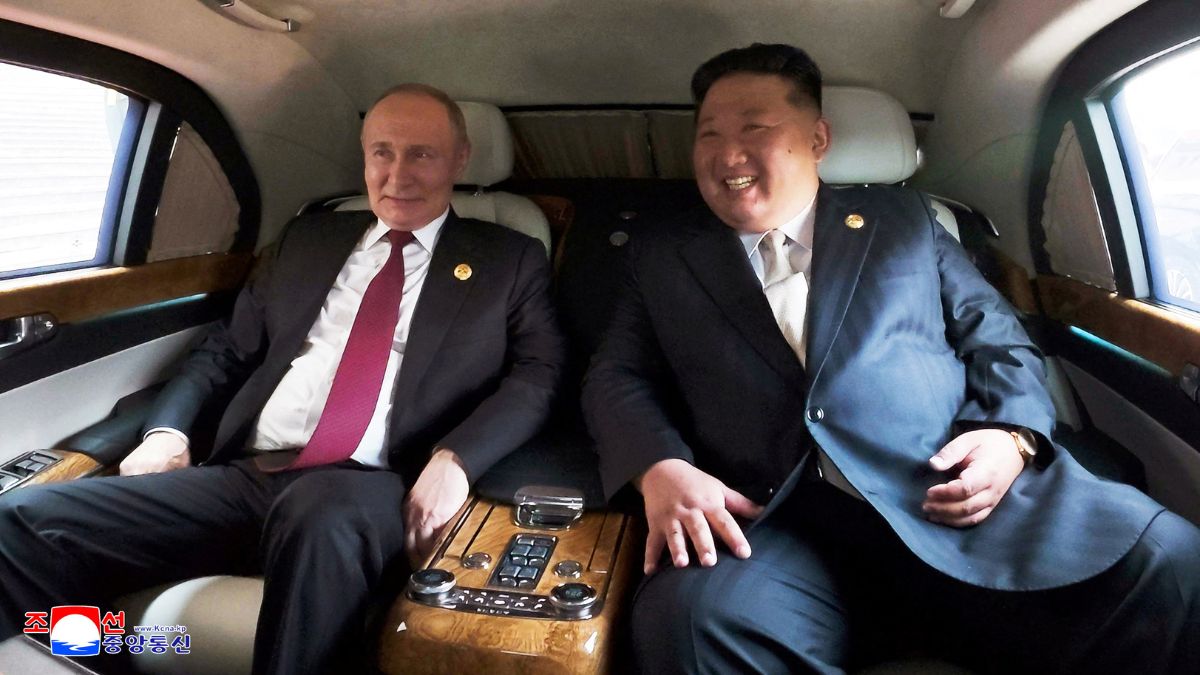 "North Korea's Kim stresses shared 'blood, life & death' in New Year message to Putin")
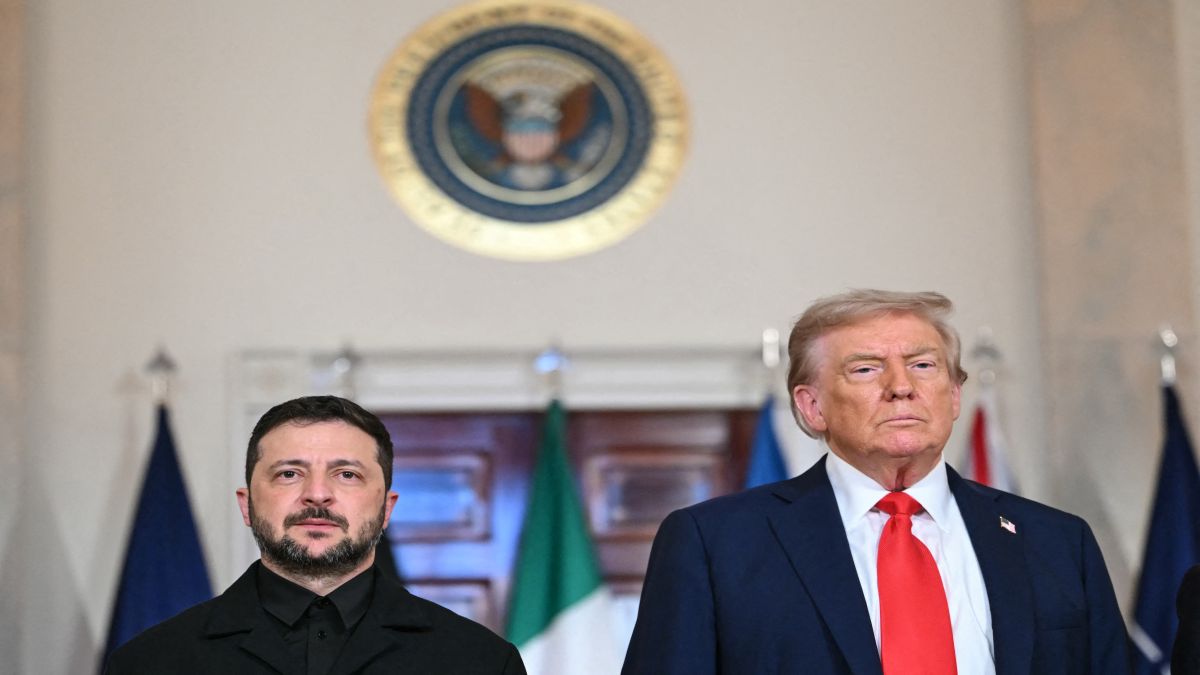
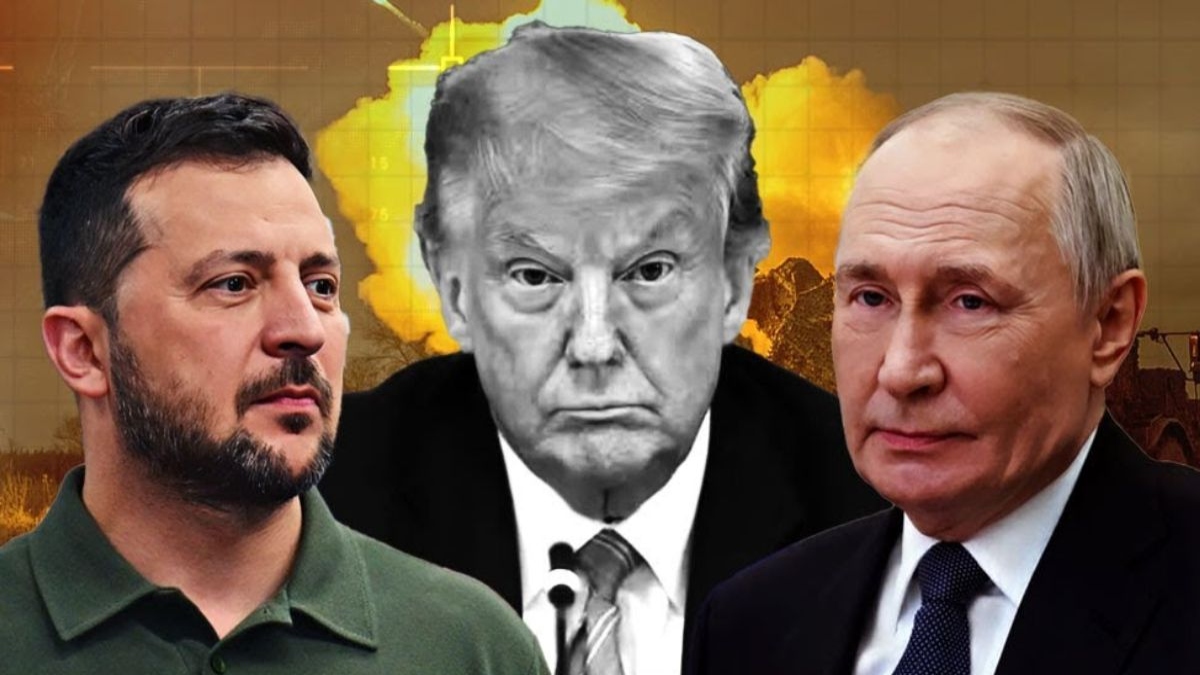 "Russia says Ukraine trying to 'torpedo' US-backed peace talks ahead of Trump-Zelenskyy Sunday meeting")
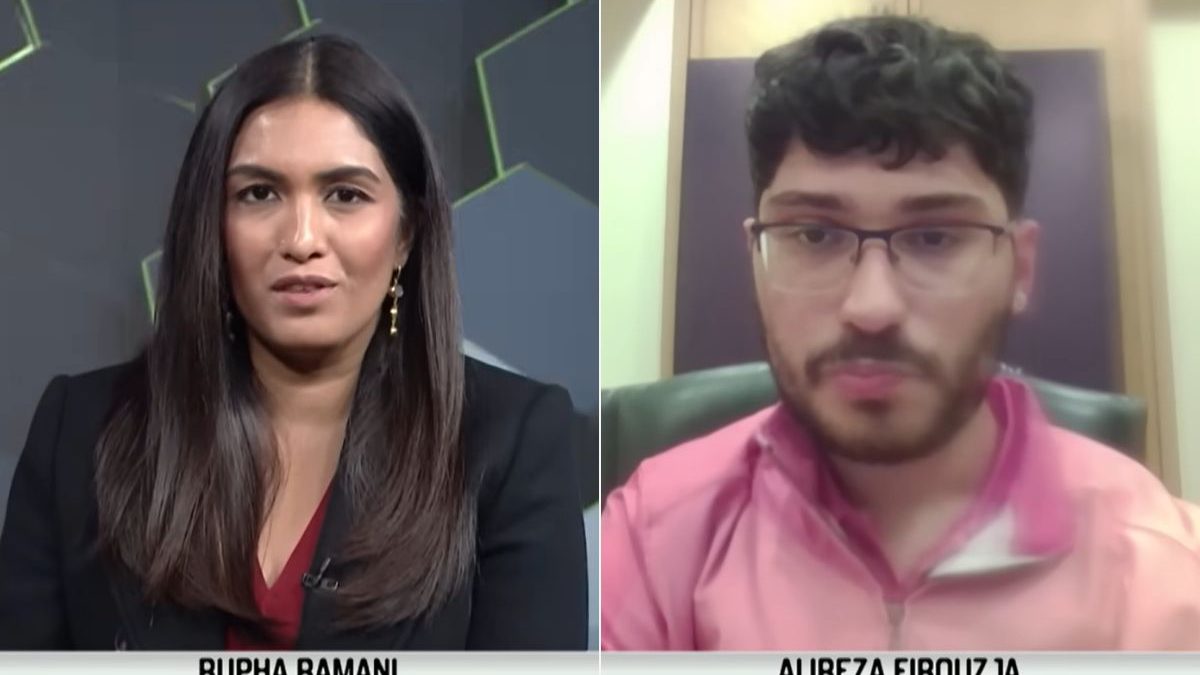 "Exclusive | 'India is the best country for chess right now’: Alireza Firouzja hails rise of Indian players, talks Carlsen & more")
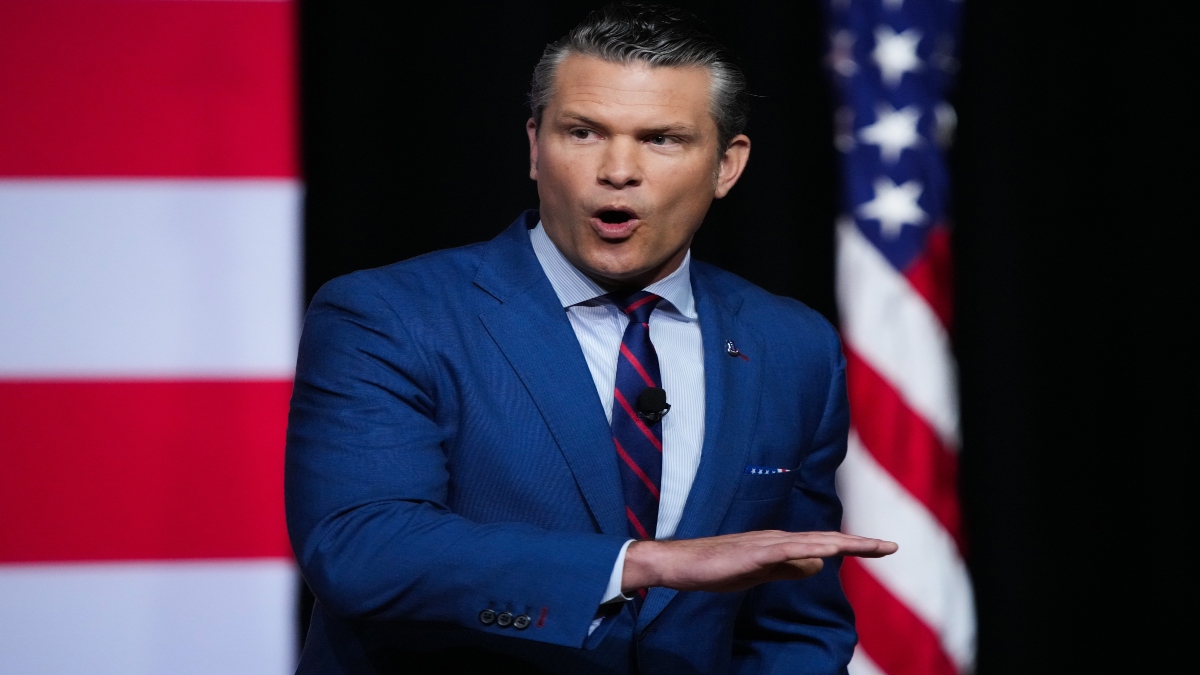 "‘More to come’: US signals expanded strikes on ISIS in Nigeria as Abuja talks of ‘joint ongoing ops’")
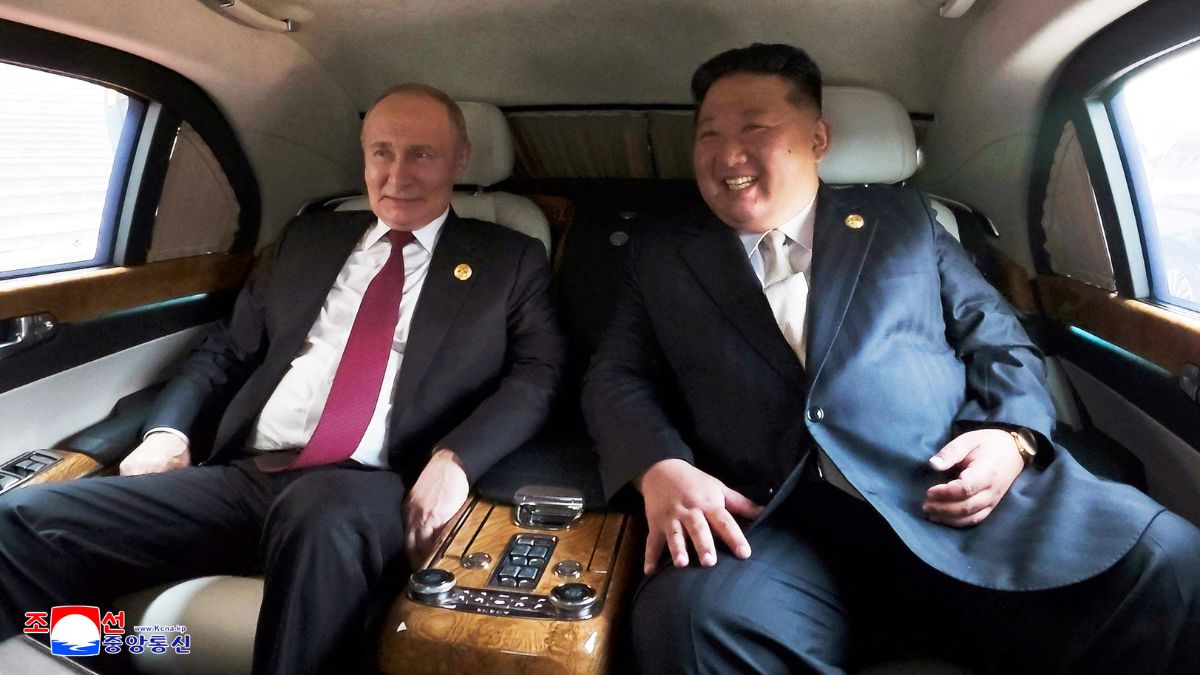 "North Korea's Kim stresses shared 'blood, life & death' in New Year message to Putin")
 "Russia says Ukraine trying to 'torpedo' US-backed peace talks ahead of Trump-Zelenskyy Sunday meeting")
 "Exclusive | 'India is the best country for chess right now’: Alireza Firouzja hails rise of Indian players, talks Carlsen & more")



