

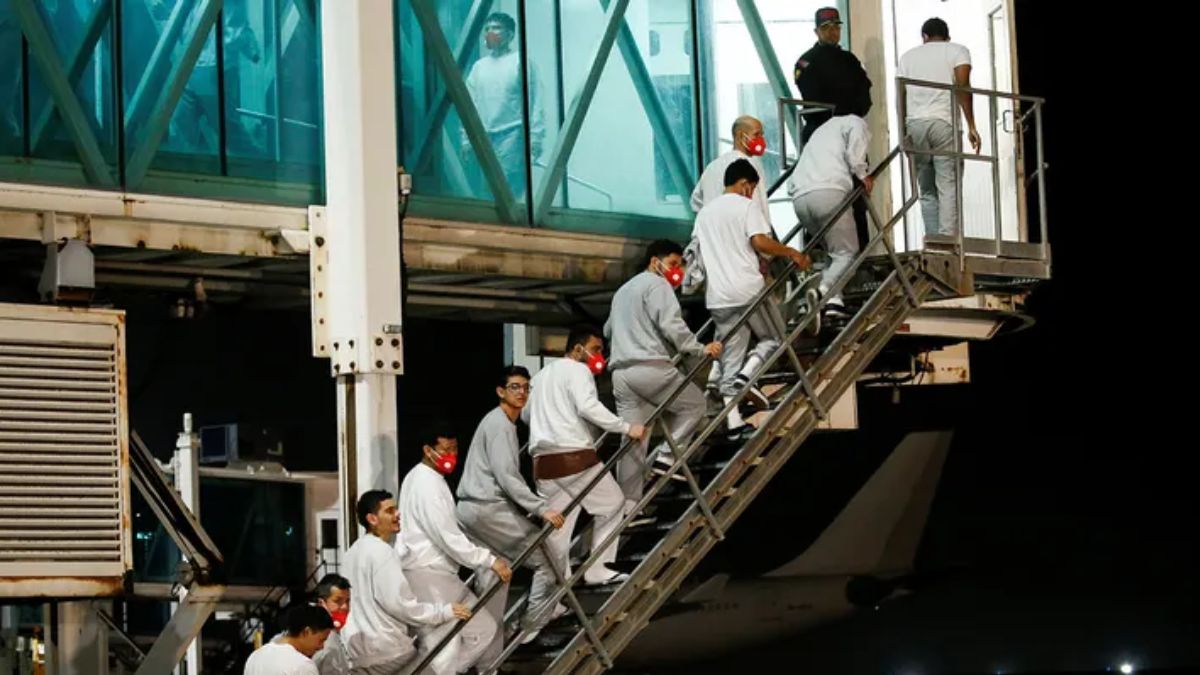
 "From the American dream to poverty: Christmas, unemployment and the long road back for Venezuelans deported from the US")
For thousands of Venezuelan migrants forced to abandon their US dreams, Christmas this year was not about reunion alone but about survival and the uncertainty of what comes next.
This was not the Christmas Mariela Gómez had imagined. A year ago, she was still chasing the promise of stability in the United States. Instead, the holiday found her back in northern Venezuela, unemployed, retracing a life she had left behind eight years earlier after Donald Trump returned to the White House and swiftly tightened America’s immigration gates.
Gómez dressed up for the occasion, cooked at home and bought her young son a scooter. She smiled for her in-laws and tried to create some sense of normalcy. But the weight of return, marked by joblessness and shrinking prospects was never far away.
“We had a modest dinner, not quite what we’d hoped for, but at least we had food on the table,” Gómez said. The family shared a lasagna-like dish instead of Venezuela’s traditional Christmas meal of hallacas, stuffed corn dough parcels that are both a festive staple and increasingly, a luxury. “Making hallacas here is expensive, and since we’re unemployed, we couldn’t afford them.”
Gómez, her two sons and her partner returned to Maracay on October 27 after crossing the US–Mexico border into Texas, where they were quickly detained amid a fresh immigration crackdown. They were deported to Mexico, forcing them into an arduous journey south to reach home.
Quick Reads
View AllTheir return took weeks. They crossed Central America by bus, but in Panama they ran out of money to continue by boat across the Caribbean to Colombia. Instead, they opted for a cheaper and far more dangerous route along the Pacific coast, riding atop sloshing gasoline tanks on a cargo vessel before transferring to a speedboat. They reached a remote jungle area in Colombia, where they waited nearly two weeks until relatives wired enough money for the final leg to the Venezuelan border.
Gómez is one among more than 7.7 million Venezuelans who have fled the country over the past decade, driven by economic collapse following falling oil prices, corruption and chronic mismanagement. Before attempting to reach the US, she lived for years in Colombia and Peru, like many migrants who move in stages as opportunities narrow.
Trump’s second term has closed off that final step for many. According to figures from Colombia, Panama and Costa Rica, more than 14,000 migrants — mostly Venezuelans — returned to South America by September after the US sharply restricted migration. At the same time, Venezuela resumed accepting deportation flights under pressure from Washington, reversing a long-standing policy.
Flights carrying deported migrants arrived regularly at the airport outside Caracas, operated either by a US government contractor or Venezuela’s state airline. More than 13,000 Venezuelans returned on these chartered flights this year alone.
For Gómez, returning also meant reuniting with her eldest daughter, now 20, whom she left behind when she first fled Venezuela. They spent the holiday talking and drinking beer together, aware the reunion might be brief. Her daughter plans to migrate to Brazil next month, following the same outward path so many Venezuelans continue to tread.
As the year draws to a close, Gómez hopes she can at least afford hallacas for New Year’s Eve — and, more pressingly, find a job. For now, her prayers are simple.
“I ask God for many things, first and foremost life and health,” she said. “So we can keep going and still enjoy our family.”
With inputs from agencies

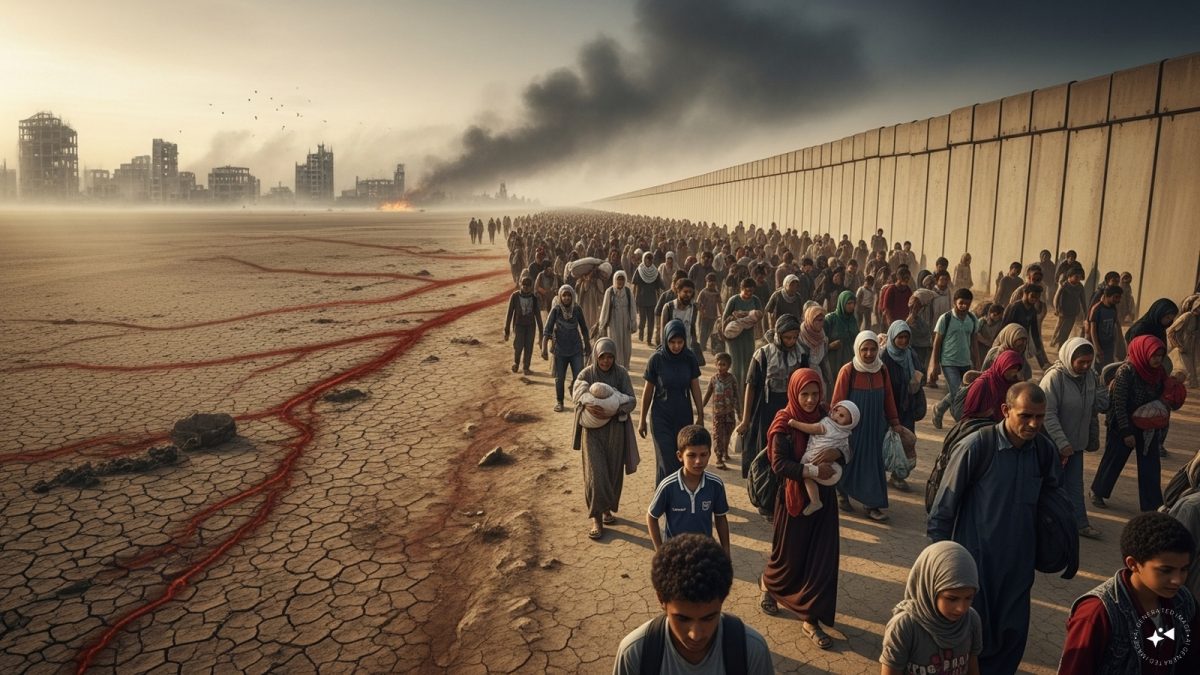 "A world on the move: 2025’s record displacement shakes borders and politics")
 "‘I have a plan’: Back in Bangladesh, Tarique Rahman casts self in Martin Luther King Jr’s mould")
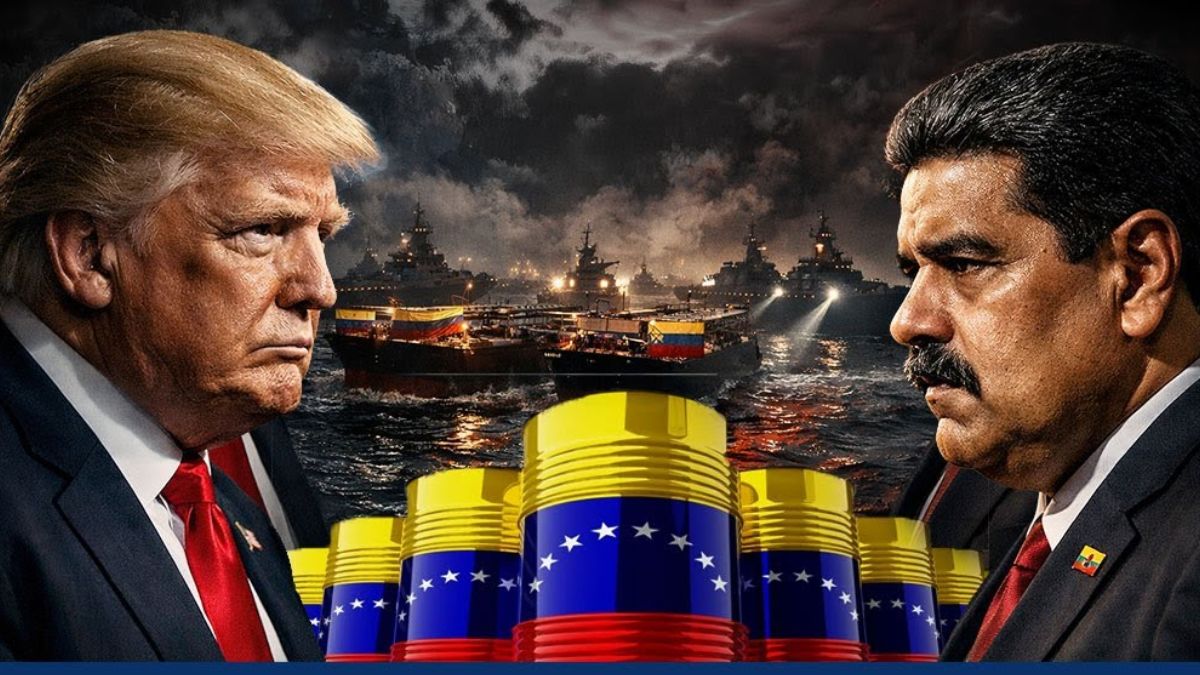 "Russia accuses US of ‘piracy’ in Caribbean over Venezuela blockade")
 "From inflation control to IPO boom: Six forces driving India’s economy in 2025")
 "A world on the move: 2025’s record displacement shakes borders and politics")
 "‘I have a plan’: Back in Bangladesh, Tarique Rahman casts self in Martin Luther King Jr’s mould")
 "Russia accuses US of ‘piracy’ in Caribbean over Venezuela blockade")
 "From inflation control to IPO boom: Six forces driving India’s economy in 2025")



