

 "US hurting India-China ties to have military hegemony: Beijing on Pentagon report")
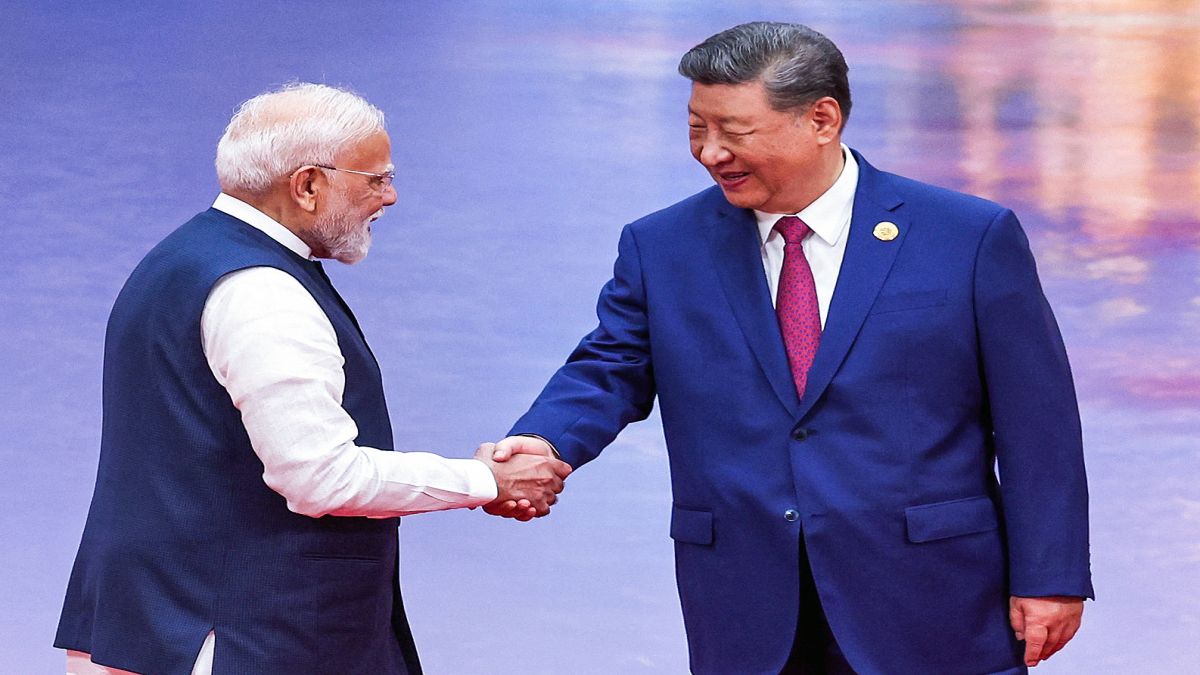
China, on Thursday, rebuked the Pentagon report, accusing the United States of distorting its defence policy. Foreign ministry spokesperson Lin Jian claimed that the report is attempting to thwart an improvement in China-India ties.
Lin’s remarks on the matter came while he was responding to a question at a press briefing on whether China might exploit a recent easing of tensions with India over disputed border areas to keep ties between the United States and India from deepening.
“China views its ties with India from a strategic and long-term perspective,” Lin said on Thursday, adding that the border issue was a matter between China and India and “we object to any country passing judgment about this issue”. In a report released on Tuesday, the US Pentagon said that China “probably seeks to capitalise on decreased tension … to stabilise bilateral relations and prevent the deepening of US-India ties”.
What does the Pentagon tell us about China’s ambition?
The report submitted to the US Congress flagged China’s claim over Arunachal Pradesh as part of Beijing’s stated “core interests”, placing the Indian state alongside Taiwan and major maritime disputes in China’s long-term national strategy.
It also raised concerns about the growing collaboration and partnership between Beijing and Islamabad. The report stated that China’s leadership has expanded the scope of its core interests to include Taiwan, sovereignty and maritime claims in the South China Sea, the Senkaku Islands, and Arunachal Pradesh.
It maintained that these objectives are central to achieving the “great rejuvenation of the Chinese nation” by 2049. The report noted that the Chinese officials have described the unification of China and contested territories - particularly Taiwan - as a “natural requirement” for national rejuvenation.
When it comes to India-China ties, the report pointed out that in October 2024, the Indian leadership announced an agreement with China to disengage from remaining standoff points along the Line of Actual Control (LAC), two days before a meeting between Prime Minister Narendra Modi and President Xi Jinping at the BRICS Summit.
Quick Reads
View AllPentagon maintained that China is seeking to leverage reduced LAC tensions to stabilise ties and prevent a deepening of US-India relations. However, it maintained that India is expected to remain cautious, with mutual distrust likely to constrain the relationship.
Report flags China-Pakistan ties
The Pentagon report also flagged the growing ties between China and Pakistan. It stated how Beijing continues to co-produce the JF-17 fighter aircraft with Pakistan and remains the only buyer of Chinese J-10 multirole combat aircraft. Apart from this, China has also supplied armed drones to Pakistan and several other nations and is a key naval supplier to Islamabad, reflected in Pakistan’s $3 billion purchase of eight Yuan-class submarines.
The Pentagon assessment also noted that China is likely considering Pakistan as a “potential location for future PLA military logistics facilities, as part of its broader overseas basing strategy beyond Djibouti.” The report also pointed to the China-Pakistan intelligence agreement signed in 2020, expanding cooperation on counterterrorism operations in Pakistan and Afghanistan.
However, the Pentagon claimed that the agreement particularly targets Uyghur groups in the region. According to the assessment, Beijing identifies three non-negotiable core interests: The continued control of the Chinese Communist Party (CCP), economic development, and the defence and expansion of territorial and sovereignty claims.
According to the assessment, Beijing identifies three non-negotiable core interests: The continued control of the Chinese Communist Party (CCP), economic development, and the defence and expansion of territorial and sovereignty claims.
With inputs from agencies.

 "US launches 'powerful and deadly strikes' against Islamic State in Nigeria: Donald Trump")
 "Yunus govt 'burning minorities to death' in Bangladesh: Sheikh Hasina")
 "Ukraine hits Russian oil and gas hubs with Storm Shadow missiles and long-range drones")
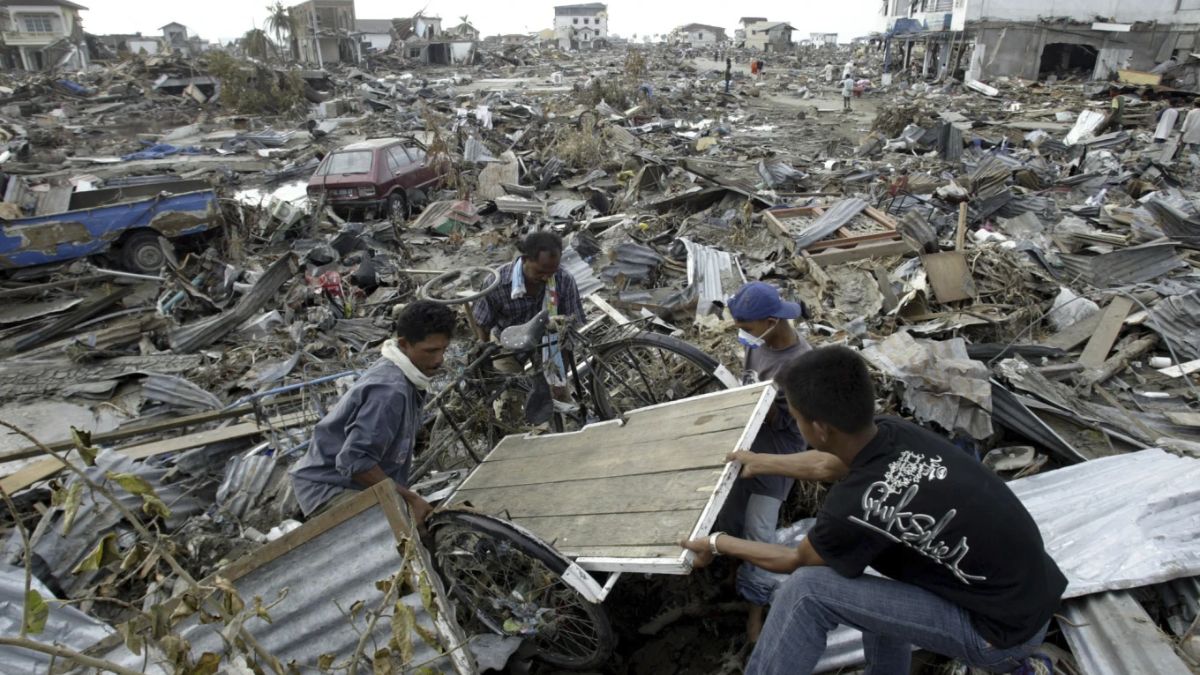 "History Today: How the Indian Ocean tsunami wiped out communities from the world map")
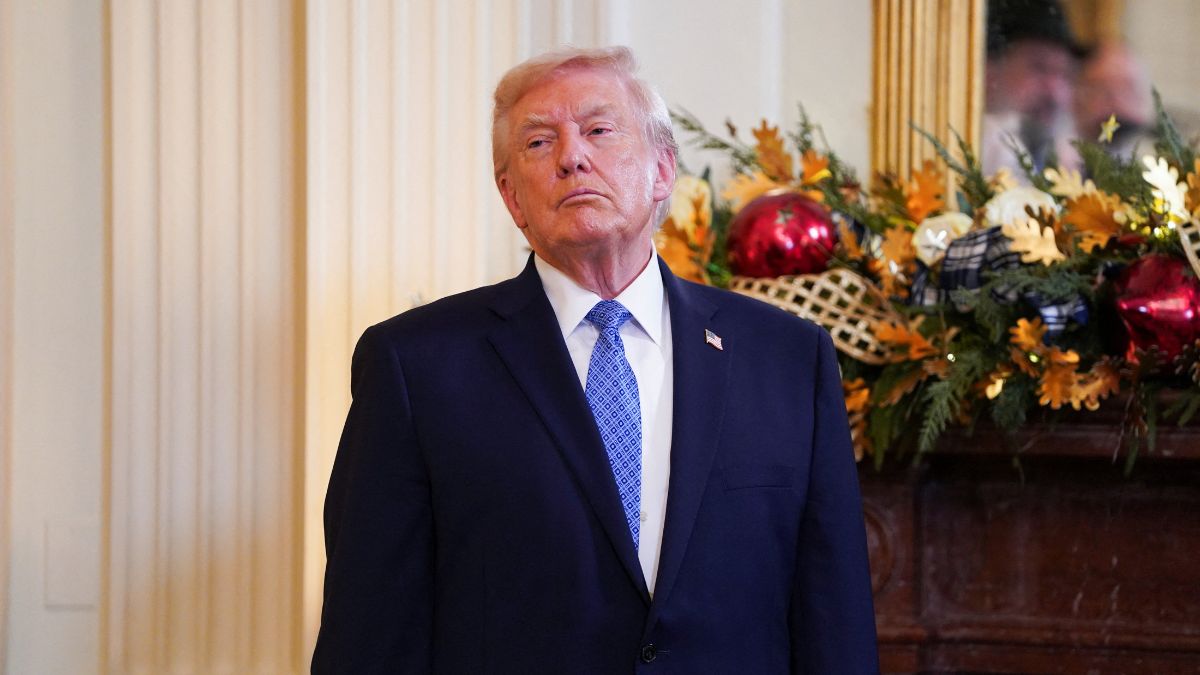 "US launches 'powerful and deadly strikes' against Islamic State in Nigeria: Donald Trump")
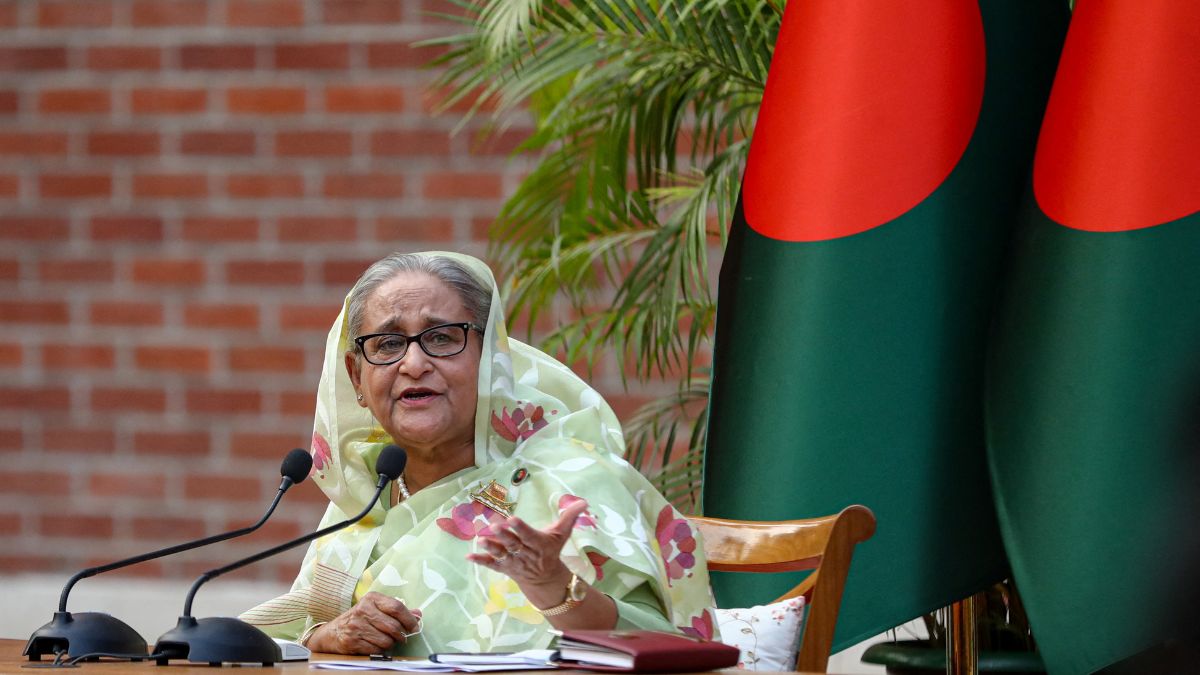 "Yunus govt 'burning minorities to death' in Bangladesh: Sheikh Hasina")
 "Ukraine hits Russian oil and gas hubs with Storm Shadow missiles and long-range drones")
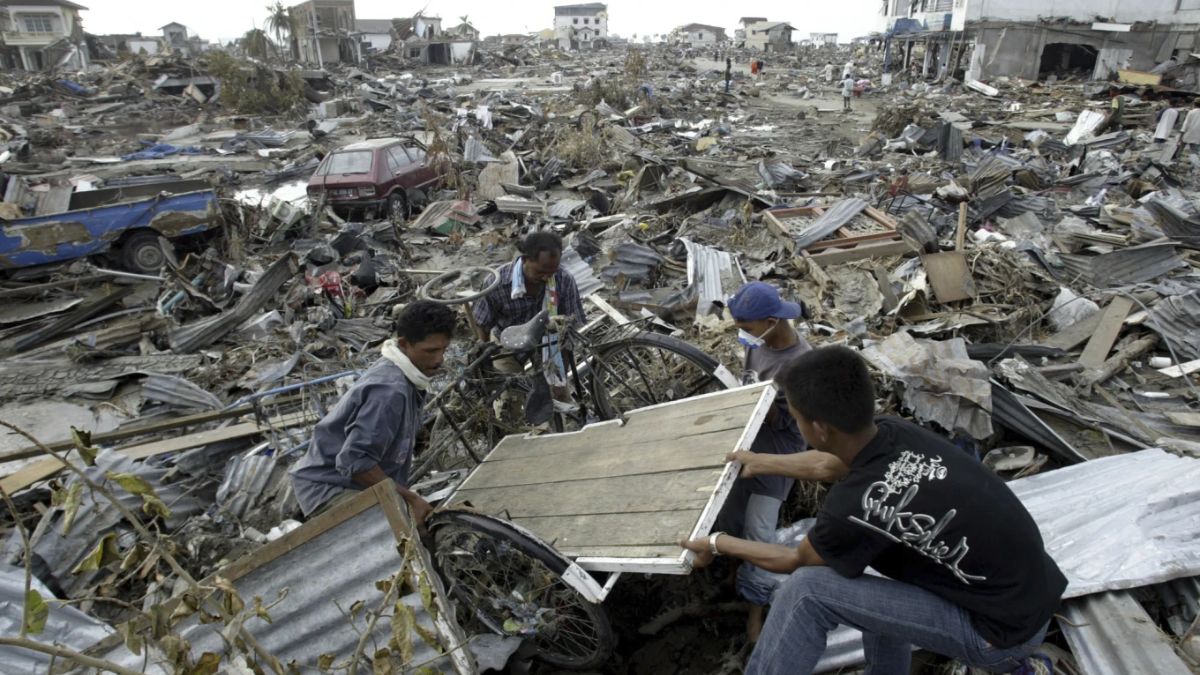 "History Today: How the Indian Ocean tsunami wiped out communities from the world map")



