 "UAE calls for multinational force to break Iran’s Hormuz chokehold: Report")
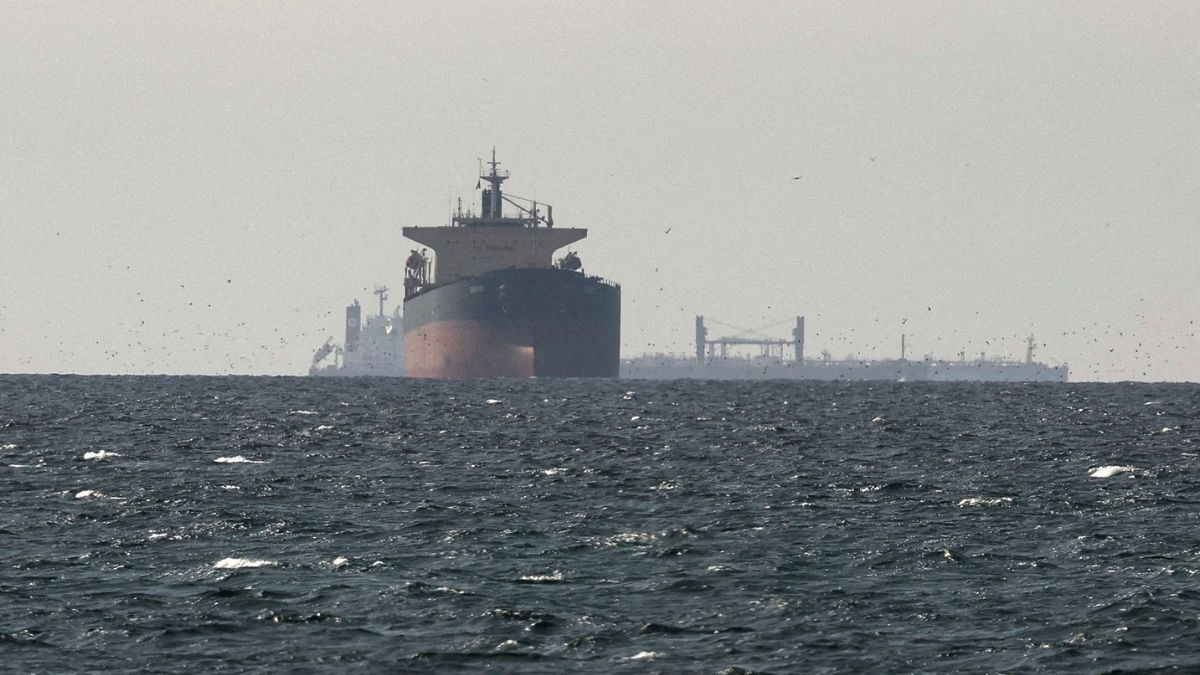
The United Arab Emirates (UAE) has reportedly called for a multinational force to break Iran’s chokehold on the Strait of Hormuz, according to Wall Street Journal.
The UAE’s traditionally neutral stance has shifted after Iran bombarded it more than any other country in the region —even Israel— in retaliation to American and Israeli attacks. After a lull, Iranian missile and drone attacks have picked up in recent days.
The Journal has reported that the UAE is preparing to help the United States and other allies to team up to forcefully open the Strait.
Even as Saudi Arabia has reportedly pressed the United States to keep attacking Iran until the regime buckles, the UAE would become the first Arab country to become a combatant in the ongoing war in the region. So far, Arab countries have acted in self-defence but have not pursued combat operations.
Follow our live coverage of the US-Israeli war on Iran here
The shift in UAE’s stance has come after Iranian attacks have dealt a major blow to the Gulf’s economy and UAE’s own prestige. For a long time, the UAE had taken pride in pitching its cosmopolitan cities like Dubai and Abu Dhabi as oasis of peace in an unstable neighbourhood but raining missiles and drones have shattered that perception. The war has also hurt the economy as it has choked exports, affected tourism, and led to shutdown of offices.
Overall, Iranian strikes will lead to the Gulf Cooperation Council (GCC) member-states slipping into recession this year with economic contraction of -.02 per cent, a sharp downward revision from the pre-war GDP growth projection of 4.4 per cent, according to Oxford Economics.
Quick Reads
View AllWith the Strait’s closure, Iran has cut off the world’s 20-25 per cent oil and gas supply, sending oil and prices skyrocketing. From the pre-war $72 a barrel, Brent crude price has surged to the high of $119 and continues to trade over $100.
UAE seeks UNSC’s mandate to muster force to reopen Hormuz
The UAE is counting on a United Nations Security Council (UNSC) resolution to authorise a multinational force to reopen the Strait, officials told Journal.
A UAE official said the government was reviewing how it could pitch in, including efforts to clear the waters of mines and providing other supportive roles.
The UAE has said the United States should occupy islands in the Strait, including the Iran-held Abu Musa island that the UAE claims, Arab officials said.
While no widespread operation has been launched, senior US officials have previously suggested that limited military operations to reopen the Strait have already begun. Last month, Joint Chiefs of Staff Chairman General Dan Caine said that A-10 Warthogs are “engaged across the southern flank, targeting fast-attack watercraft in the Strait of Hormuz” and Apache gunships have also “joined the fight on the southern flank”.
The UAE has US-supplied F-16 warplanes and armed drones. It also has a small navy. Importantly, the UAE has a deep-water port at Jebel Ali and a location near the entrance to the Strait of Hormuz that could become a useful staging grounds the multinational force to escort ships through the Strait or launch attacks to retake Iran-controlled or Iran-claimed islands in the region.
Officials from a Gulf country told Journal that the UAE’s new position marks a “fundamental shift in its strategic outlook”.
The change in posturing appears to be rooted in the fact that the UAE was actively mediating between the United States and Iran at the war began. Moreover, the UAE was also central for Iranian elites to park their money and assets overseas. And, yet, Iran struck the UAE more than any other country in their region.
But there is a possibility of the effort backfiring as well as a great retaliation at a time of American retreat from the world stage could be damaging.
“They could step into this war only to face a more aggressive Iran, continue to absorb hits to critical infrastructure and potentially investor confidence, and then struggle to rebuild ties with their neighbor, particularly if Trump elects to declare victory before reopening the strait or crippling Iran’s missile and drone capabilities,” Elizabeth Dent, a fellow at the Washington Institute for Near East Policy, told Journal.

 "Iran Israel War News Live: Israel carries out 'wide-scale wave of strikes' on Tehran, military said")
 "End of Nato? Why are European allies refusing to back Trump’s Iran war?")
 "New Delhi to host Brics FMs meet in May; Russia's Lavrov among key attendees")
 "Iran confirms ‘direct’ messages with Trump aide Steve Witkoff, but says no negotiations underway")
 "Iran Israel War News Live: Israel carries out 'wide-scale wave of strikes' on Tehran, military said")
 "End of Nato? Why are European allies refusing to back Trump’s Iran war?")
 "New Delhi to host Brics FMs meet in May; Russia's Lavrov among key attendees")
 "Iran confirms ‘direct’ messages with Trump aide Steve Witkoff, but says no negotiations underway")