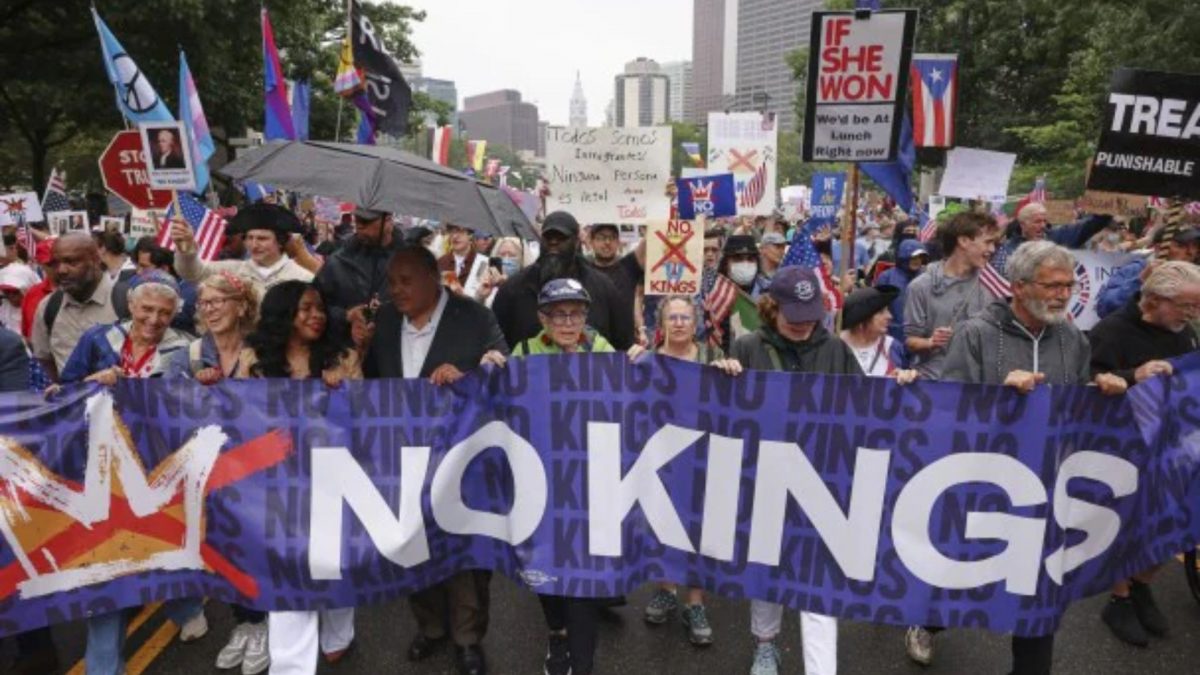
 "Thousands join ‘No Kings’ rallies across US and Europe to protest Trump")
Thousands of people took to the streets across the United States and parts of Europe for ‘No Kings’ protest rallies opposing the war in Iran and the policies of US President Donald Trump. The demonstrations come amid rising global concerns over the conflict, which has unsettled the Middle East, driven up energy prices and fuelled fears of slower growth and higher inflation.
Large protests against Trump took place across major US cities, marking the third wave of “No Kings” rallies.pic.twitter.com/wV3fsNeOeB
— Clash Report (@clashreport) March 28, 2026
The state of Minnesota emerged as a focal point, where thousands gathered in large numbers to protest Trump’s aggressive immigration enforcement measures.
Organisers said previous rounds of the ‘No Kings’ rallies drew over 5 million people in June and 7 million in October, with expectations of up to 9 million participants this time, though final figures remain unclear, according to the Associated Press. The protests have been driven by a range of issues, including immigration crackdowns, rollback of transgender rights and the escalating Iran conflict.
At the flagship event in St. Paul, popular musician Bruce Springsteen headlined the gathering, praising public resistance and performing a song inspired by recent fatal shootings involving federal agents. He also criticised the incidents, while highlighting public pushback against US Immigration and Customs Enforcement (ICE).
Quick Reads
View AllHundreds of people marched through the streets of Philadelphia on Saturday in one of several "No Kings" protests worldwide against the Trump administration.
— CBS News (@CBSNews) March 28, 2026
Organizers say more than 3,100 events were registered in all 50 states, with more than 9 million people expected to… pic.twitter.com/pX5MTzK7d0
Across the US, turnout remained significant. Around 40,000 people marched in San Diego, while hundreds rallied in Washington, DC near the Lincoln Memorial and National Mall. In New York City, civil liberties advocates accused the administration of trying to deter dissent. In Los Angeles, police used tear gas near a federal detention centre and made arrests after some protesters refused to disperse.
Protests also spread internationally, with demonstrations reported in over a dozen countries. In Rome, thousands marched and criticised Prime Minister Giorgia Meloni, while also opposing US and Israeli strikes on Iran. In London, demonstrators carried anti-racism and anti-far-right slogans, while in Paris, several hundred people—many of them American expatriates—joined labour unions and rights groups in protest.
The White House dismissed the demonstrations, with spokesperson Abigail Jackson calling them the work of “leftist funding networks” with limited public support. Republican leaders also criticised the rallies, describing them as platforms for extreme views.

 "US-Israel-Iran War Live Updates: PM Modi flags impact of regional war, thanks Gulf nations for supporting Indians abroad")
 "Mediation window opens? Iran backs Pakistan channel for US talks, insists on end to attacks first, says report")
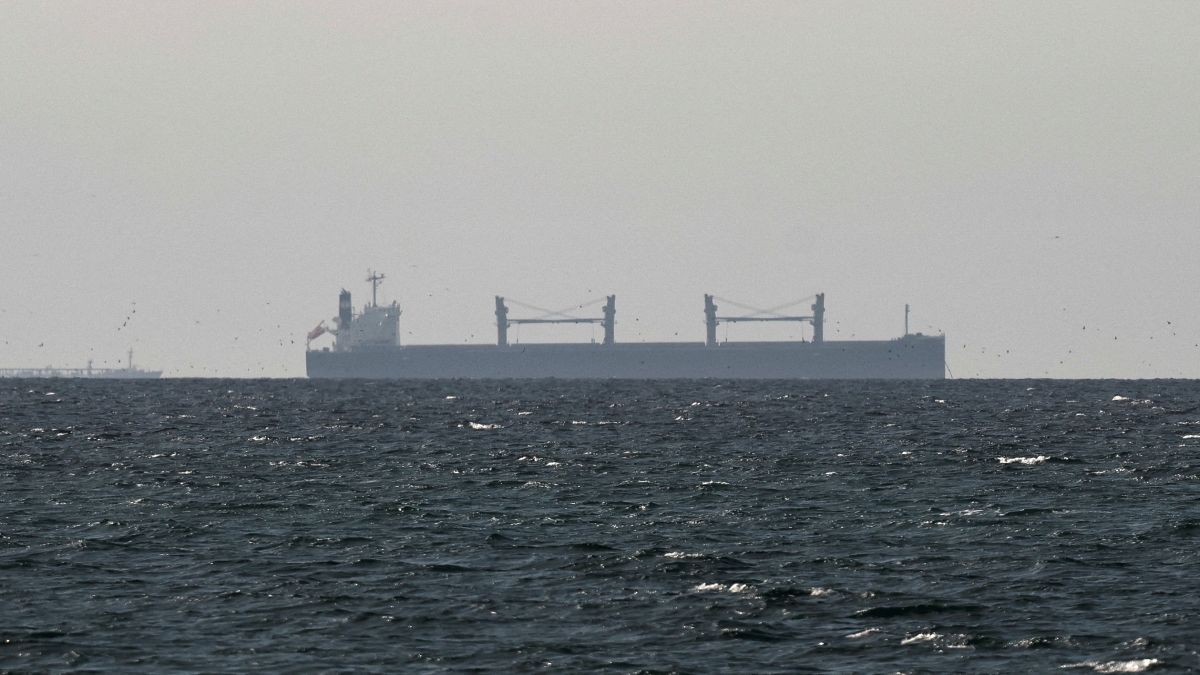 "Saudi Arabia activates full 7mn bpd pipeline capacity to keep oil moving amid Strait of Hormuz woes")
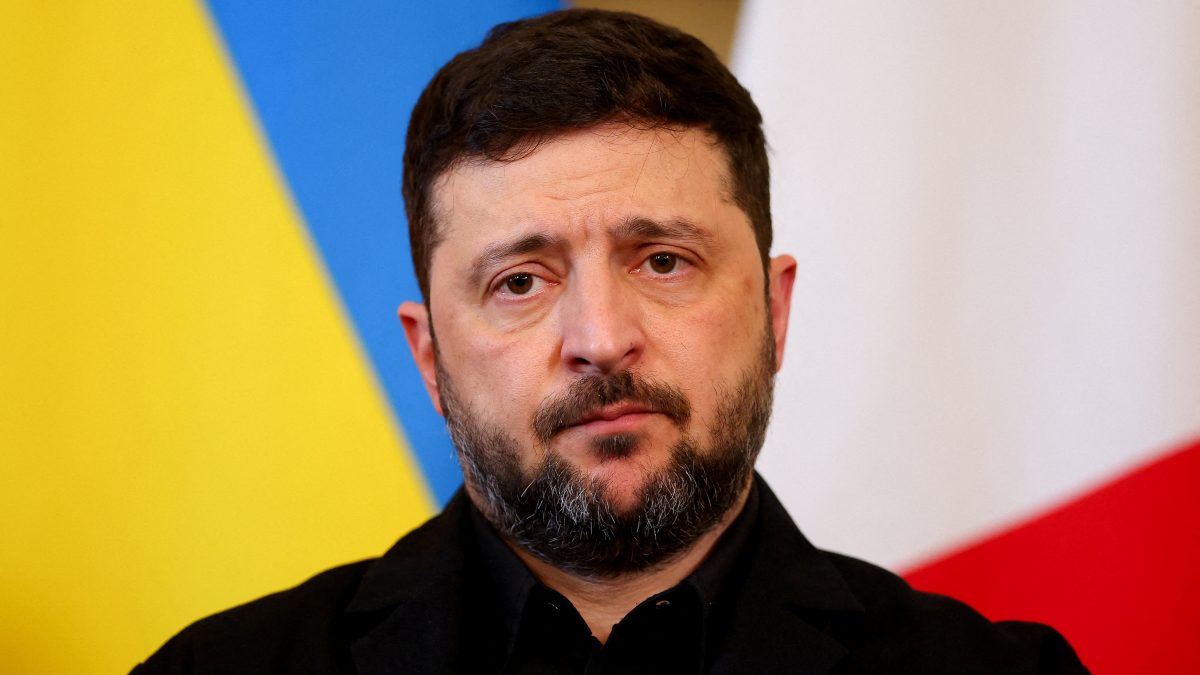 "Did Russian satellites map US bases before Iran strikes? Zelensky says ‘100% intel sharing'")
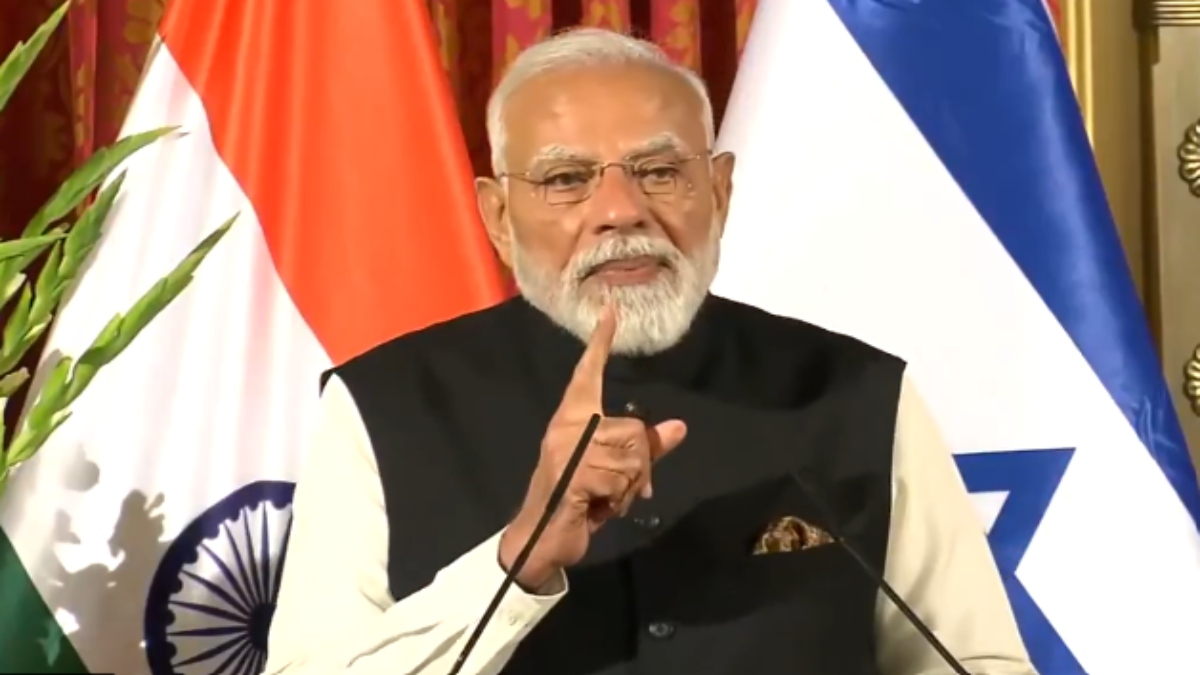 "US-Israel-Iran War Live Updates: PM Modi flags impact of regional war, thanks Gulf nations for supporting Indians abroad")
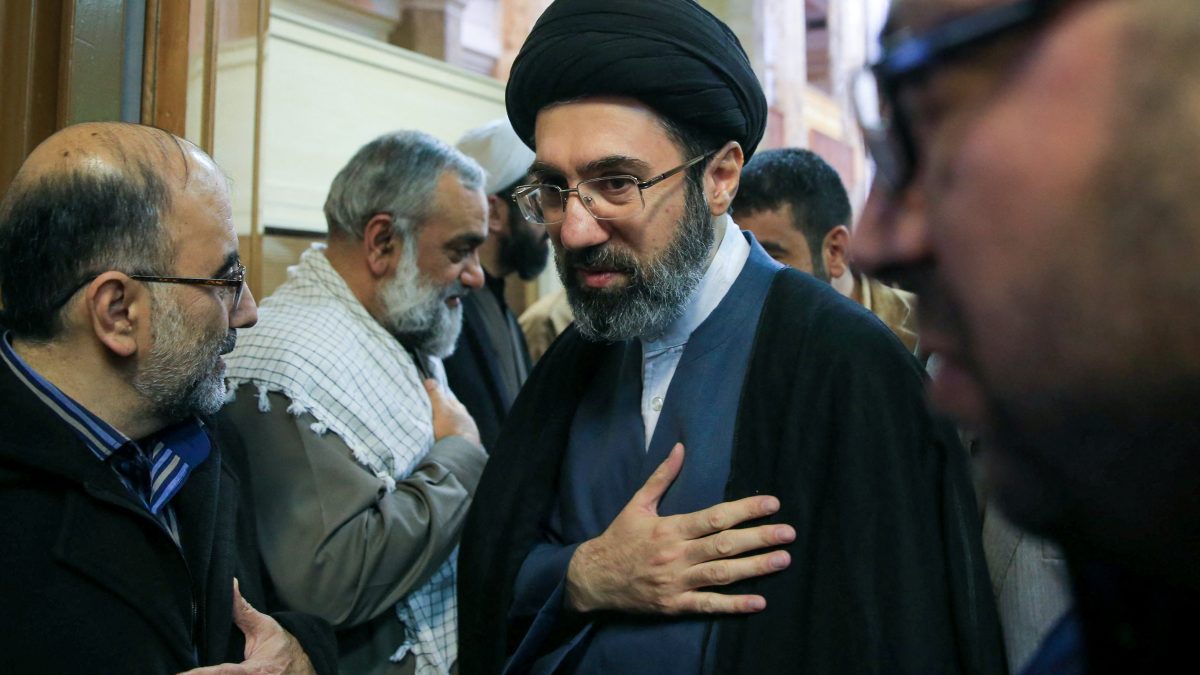 "Mediation window opens? Iran backs Pakistan channel for US talks, insists on end to attacks first, says report")
 "Saudi Arabia activates full 7mn bpd pipeline capacity to keep oil moving amid Strait of Hormuz woes")
 "Did Russian satellites map US bases before Iran strikes? Zelensky says ‘100% intel sharing'")