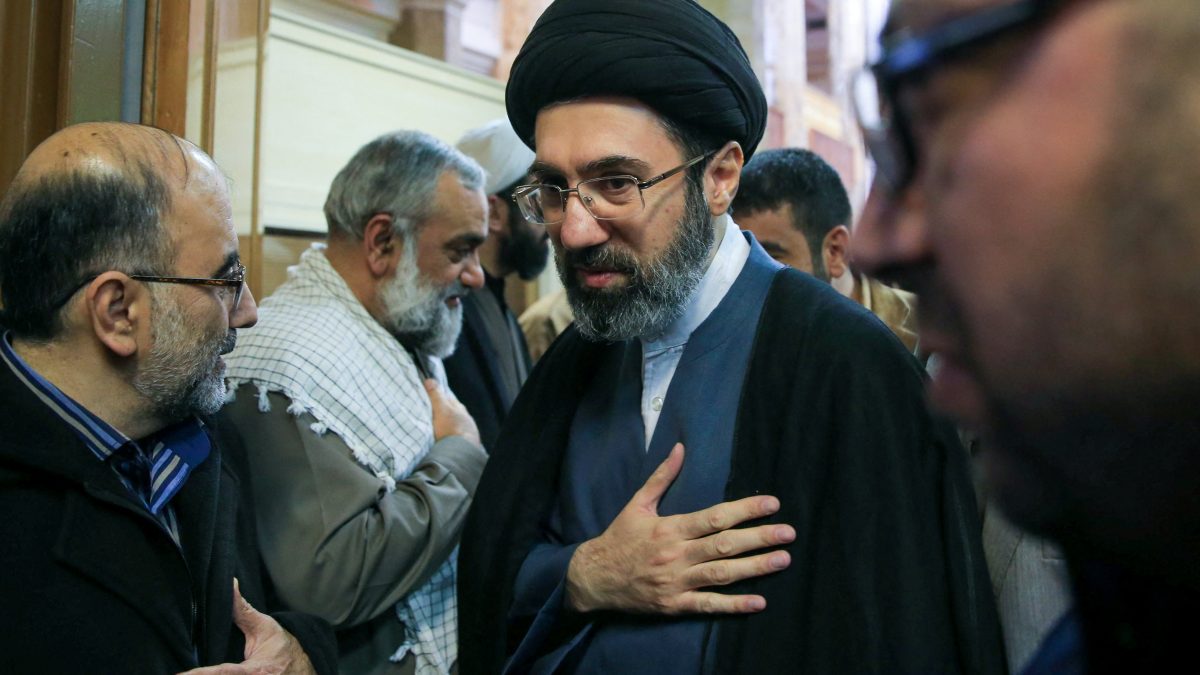
 "Mediation window opens? Iran backs Pakistan channel for US talks, insists on end to attacks first, says report")
In a potential diplomatic opening amid rising regional tensions, Iran has conveyed conditional willingness to engage in mediation with the United States through Pakistan, according to top diplomatic sources cited by CNN-News18.
The proposed talks, likely to be taken up in Pakistan, are being viewed as a big step that could eventually lead to a temporary ceasefire or at least a pause in ongoing hostilities.
Sources said Tehran has agreed in principle to consider mediation, but only if certain key conditions are met. These include an immediate halt to attacks on Iran and credible assurances that no further strikes will be carried out.
Follow our live coverage on the Iran war here.
Tehran demands security guarantees before talks
According to diplomatic sources, Iran has laid out five core conditions for entering any mediation process with Washington.
At the top of the list is a complete and immediate cessation of attacks, along with firm guarantees from both the United States and Israel that future military action will be avoided.
Iran has also called for concrete commitments from Pakistan, Saudi Arabia, Egypt and Turkey, seeking assurances that these countries will actively ensure Washington addresses Tehran’s concerns during the mediation process.
The four nations are expected to examine Iran’s conditions in detail during upcoming discussions in Islamabad and work towards building a structured roadmap for negotiations.
If these countries are able to secure assurances from the United States, sources suggest that a temporary ceasefire or pause in attacks could be announced, creating space for Iran to formally participate in the mediation framework.
Quick Reads
View AllPakistan emerges as key channel for diplomatic outreach
Pakistan has stepped up its diplomatic efforts to bridge communication between Tehran and Washington, according to AFP.
Prime Minister Shehbaz Sharif recently held a detailed phone conversation with Iranian President Masoud Pezeshkian, during which he assured full support for initiatives aimed at reducing tensions and securing guarantees.
In parallel, Foreign Minister Ishaq Dar spoke with his Iranian counterpart Abbas Araghchi to discuss the agenda for the upcoming quadrilateral meeting in Islamabad.
AFP reported that Sharif described his exchange with Pezeshkian as extensive, focusing on Pakistan’s coordination with the United States and regional players to encourage dialogue.
Iranian officials, in turn, acknowledged Islamabad’s efforts and welcomed attempts to bring down tensions.
As reported by Reuters, foreign ministers from Pakistan, Saudi Arabia, Turkey and Egypt will meet on March 29-30 to discuss ways to reduce tensions and chart a path toward negotiations.
Turkish Foreign Minister Hakan Fidan indicated that the talks will assess the direction of the conflict and explore practical steps to prevent further escalation.
These countries are considered well-positioned to mediate, given their geopolitical influence and exposure to disruptions in key energy and trade routes, particularly through the Strait of Hormuz.
Diplomatic sources also noted that Iran has already responded to a US proposal via Islamabad, even as Tehran continues to publicly deny direct talks with Washington.
Top diplomatic sources, cited by CNN-News18, suggest that if credible guarantees addressing Iran’s concerns are secured, a breakthrough could be on the horizon.
The window for possible progress is currently seen between March 31 and April 7.

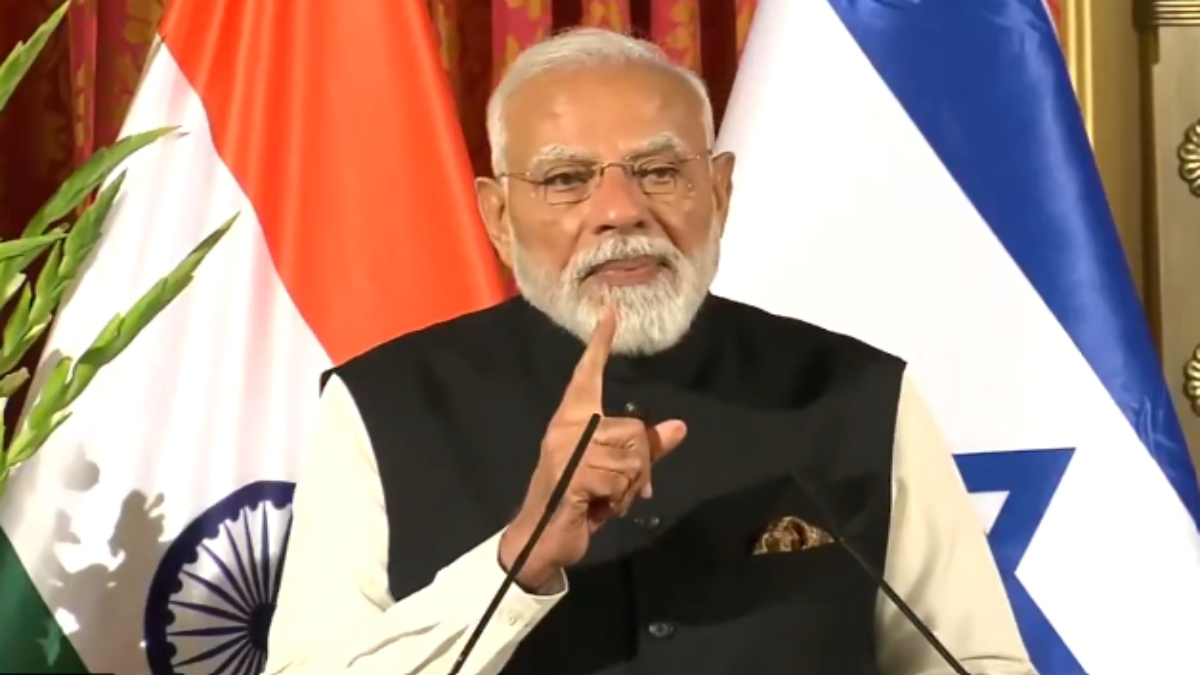 "US-Israel-Iran War Live Updates: PM Modi flags impact of regional war, thanks Gulf nations for supporting Indians abroad")
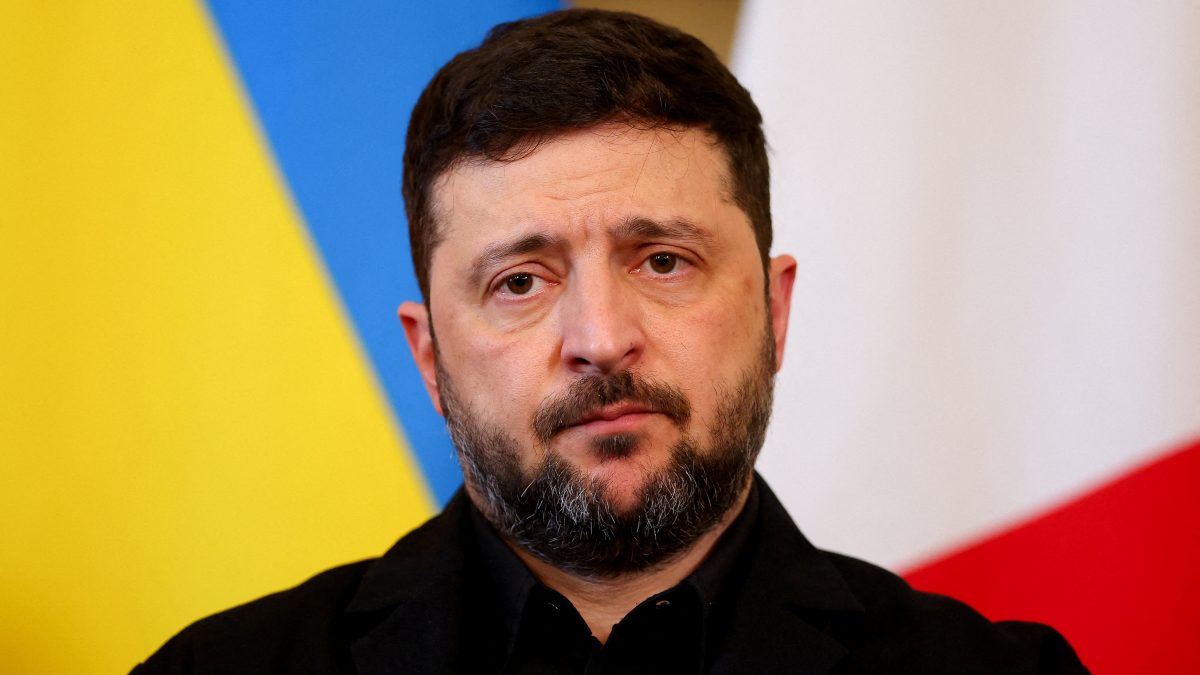 "Did Russian satellites map US bases before Iran strikes? Zelensky says ‘100% intel sharing'")
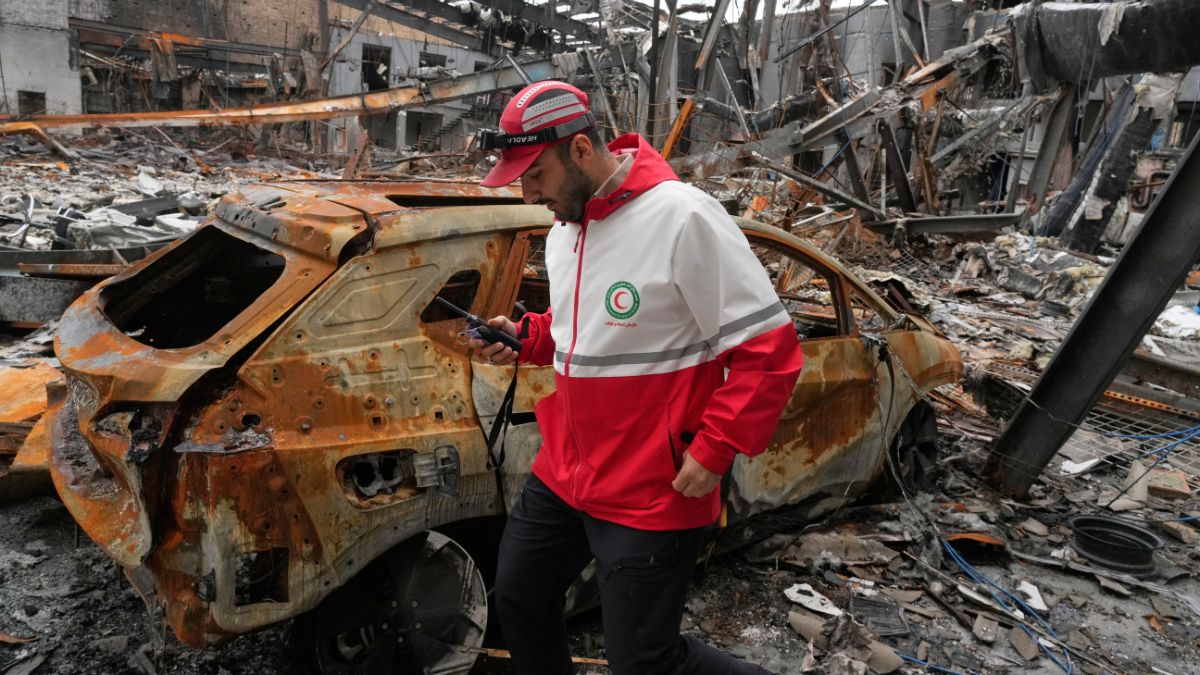 "A month of Iran war: What’s the human toll? How much does the conflict cost?")
 "Pentagon weighs weeks-long Iran ground ops as US assault ship with 3,500 troops enters West Asia")
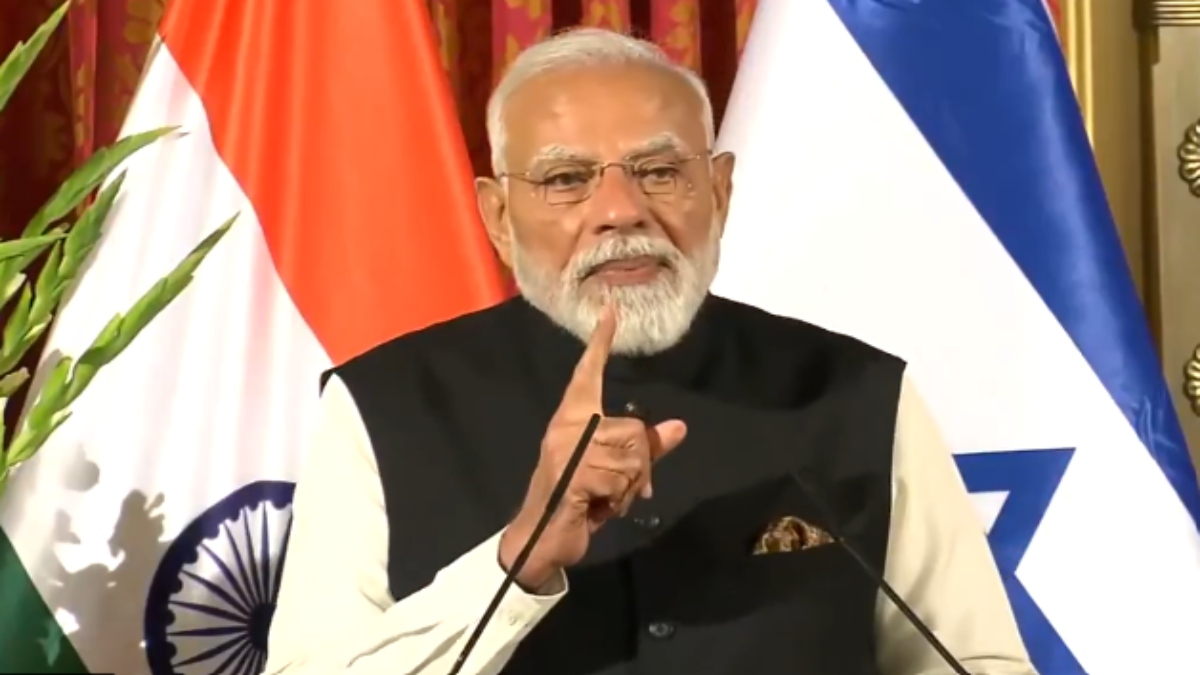 "US-Israel-Iran War Live Updates: PM Modi flags impact of regional war, thanks Gulf nations for supporting Indians abroad")
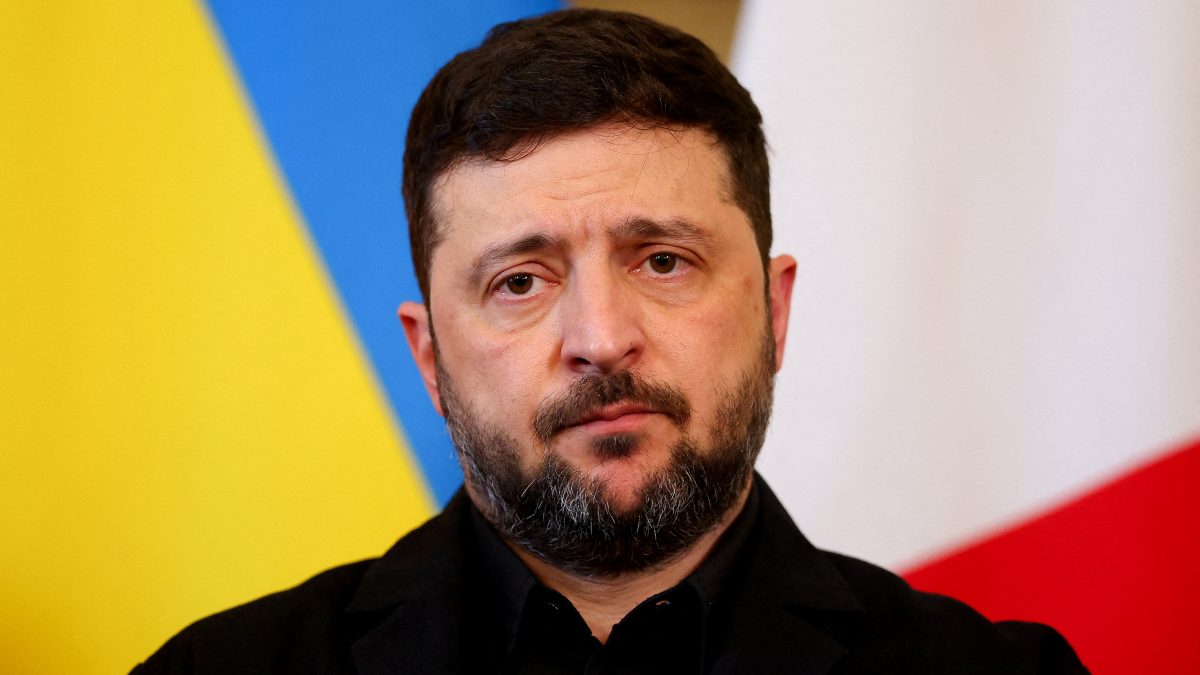 "Did Russian satellites map US bases before Iran strikes? Zelensky says ‘100% intel sharing'")
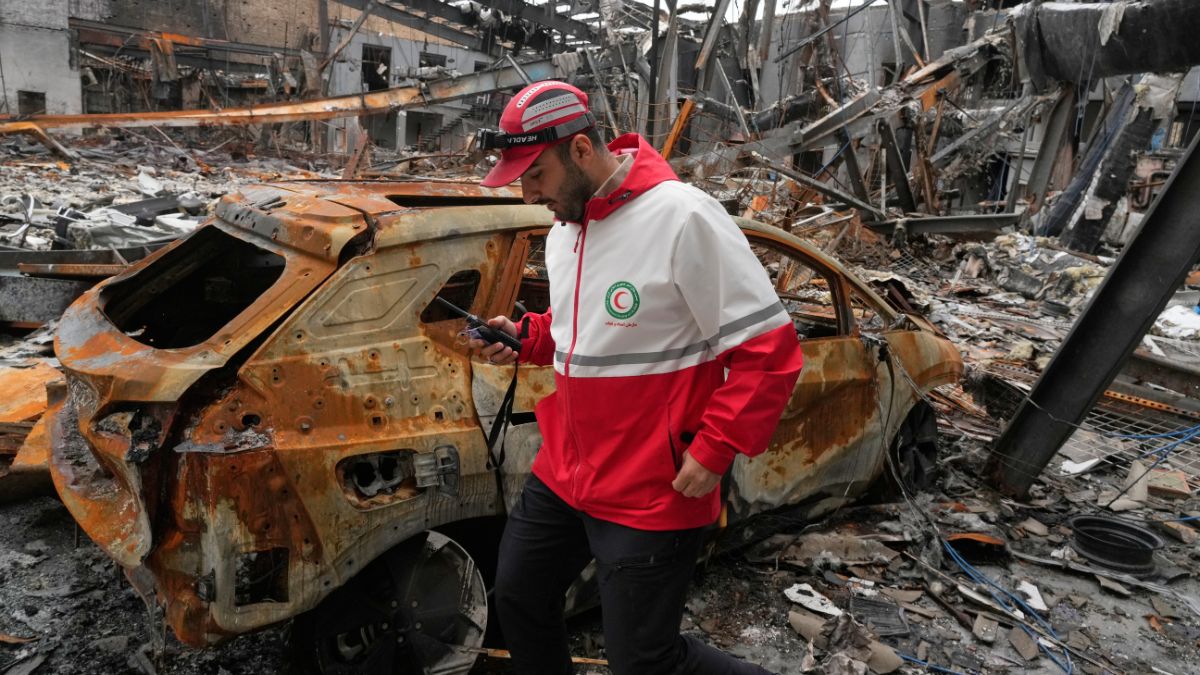 "A month of Iran war: What’s the human toll? How much does the conflict cost?")
 "Pentagon weighs weeks-long Iran ground ops as US assault ship with 3,500 troops enters West Asia")