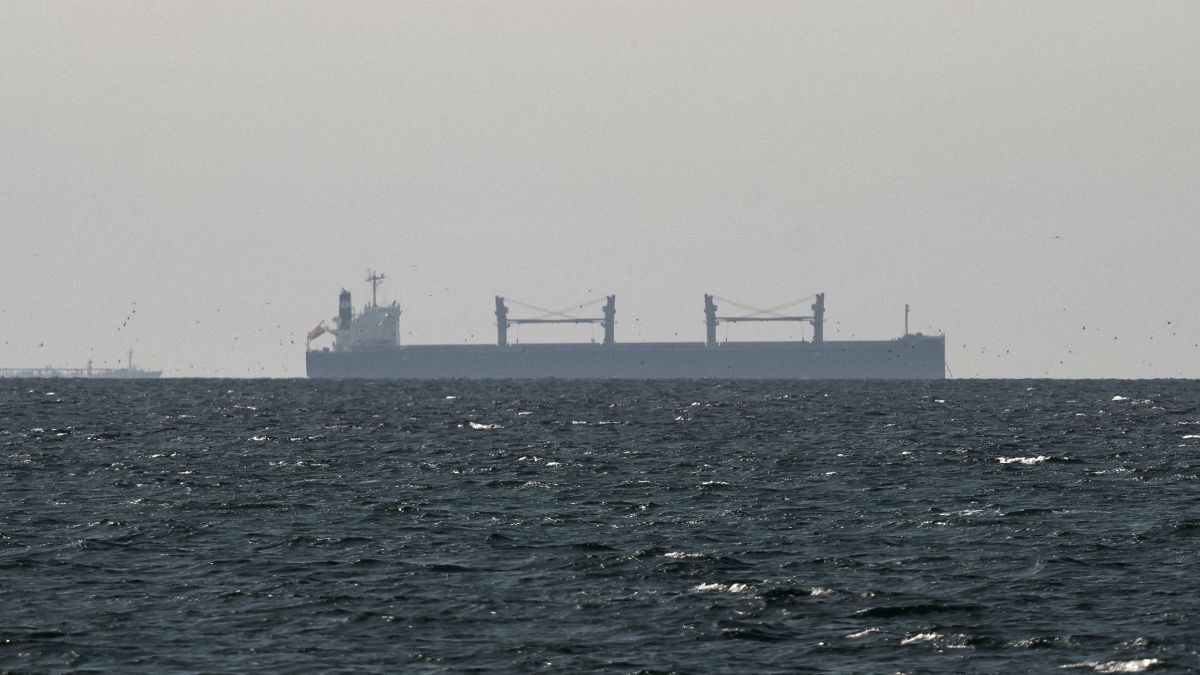
 "Saudi Arabia activates full 7mn bpd pipeline capacity to keep oil moving amid Strait of Hormuz woes")
Saudi Arabia has pushed its East-West crude pipeline to full capacity of around 7 million barrels per day, creating a critical alternative route for oil exports as disruptions choke the Strait of Hormuz.
The pipeline—stretching roughly 1,200 kilometres from the kingdom’s eastern oil fields to the Red Sea port of Yanbu—is now acting as a vital release valve for global energy markets grappling with one of the most severe supply shocks in decades, reported Bloomberg.
With the Strait of Hormuz effectively constrained due to ongoing conflict, Riyadh has accelerated efforts to reroute crude flows away from the Gulf, ensuring supplies continue to reach international buyers.
A strategic bypass comes into play
The East-West pipeline, originally built in the 1980s to bypass regional conflict risks, has taken centre stage in the current crisis.
By diverting oil to the Red Sea, Saudi Arabia can avoid the narrow Hormuz chokepoint, which typically handles a significant share of global crude flows.
Recent data shows shipments via Yanbu have surged sharply, with exports rising to several million barrels per day in March as the kingdom ramps up utilisation of the pipeline.
At full tilt, the system can move about 7 million barrels daily—though not all of it is available for export, as a portion is used for domestic refining.
Quick Reads
View AllAlso watch | India Turns to Russia as Hormuz Crisis Shakes Global Energy | Vantage on Firstpost
Relief for markets, but limits remain
While the pipeline offers crucial relief, it is far from a complete substitute for Hormuz.
The strait typically carries roughly a fifth of the world’s oil supply, far exceeding the capacity of existing bypass infrastructure.
Even with maximum utilisation, analysts say Saudi Arabia and other Gulf producers can only partially offset the disruption, leaving global markets exposed to supply shocks and price volatility.
Compounding the challenge are logistical constraints at Yanbu, where loading capacity and security risks could limit how much crude can ultimately be shipped out.
The rapid ramp-up tells how energy producers are scrambling to adapt to a new geopolitical reality.
Saudi Arabia’s move is part of a broader regional shift, with other Gulf nations also exploring alternative routes to keep exports flowing.

 "US-Israel-Iran War Live Updates: PM Modi flags impact of regional war, thanks Gulf nations for supporting Indians abroad")
 "Mediation window opens? Iran backs Pakistan channel for US talks, insists on end to attacks first, says report")
 "Did Russian satellites map US bases before Iran strikes? Zelensky says ‘100% intel sharing'")
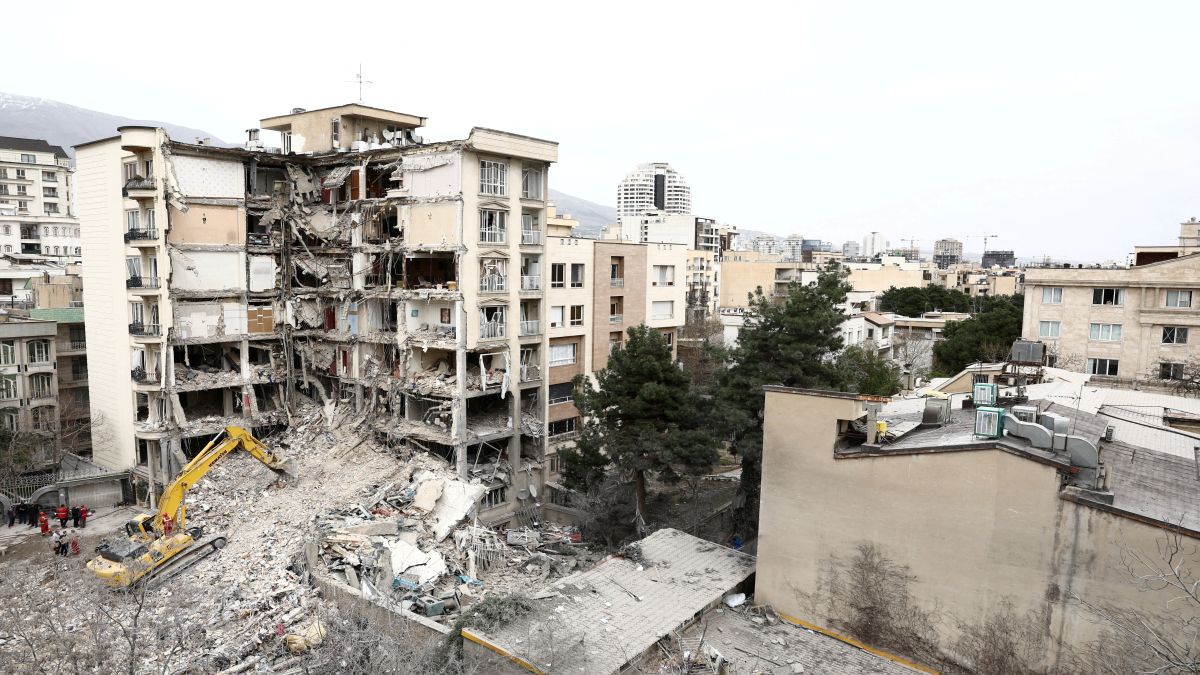 "Iran accuses US, Israel of targeting universities, threatens to do the same across West Asia")
 "US-Israel-Iran War Live Updates: PM Modi flags impact of regional war, thanks Gulf nations for supporting Indians abroad")
 "Mediation window opens? Iran backs Pakistan channel for US talks, insists on end to attacks first, says report")
 "Did Russian satellites map US bases before Iran strikes? Zelensky says ‘100% intel sharing'")
 "Iran accuses US, Israel of targeting universities, threatens to do the same across West Asia")