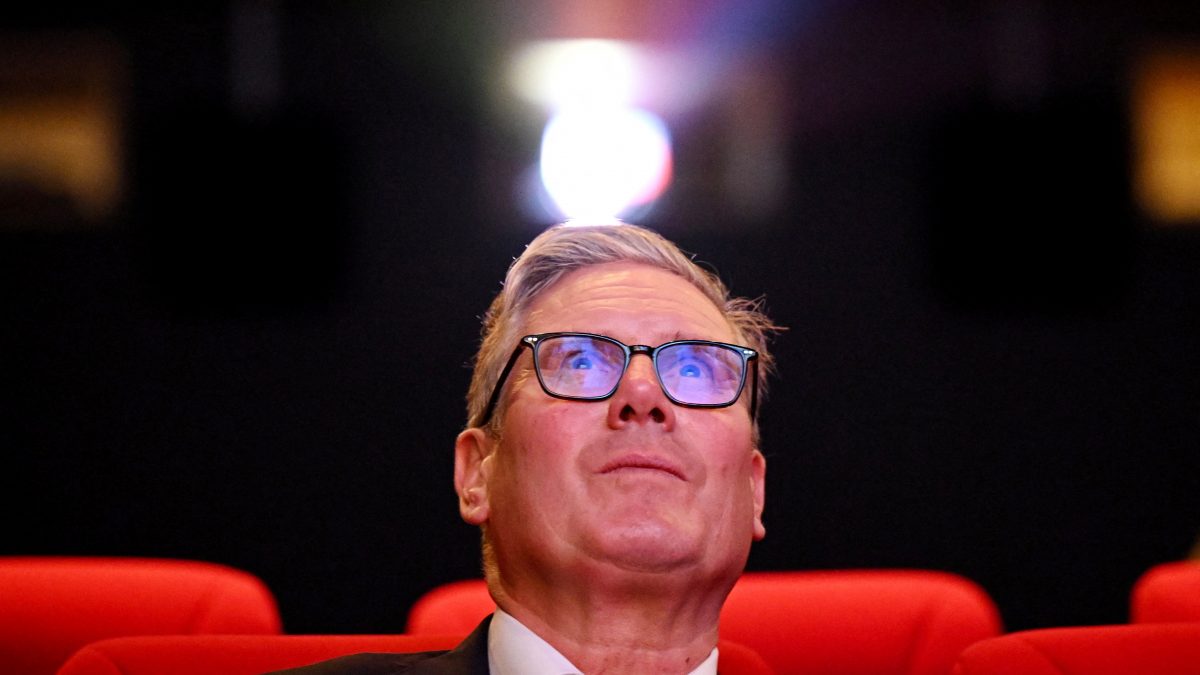
 "Starmer, ministers in huddle with officials as UK rethinks joining EU defence fund")
Britain’s government is reopening a sensitive but urgent strategic debate about its place in European defence, as Prime Minister Sir Keir Starmer, senior ministers and top officials meet to assess whether the UK should revive talks on joining the EU’s multibillion-euro defence financing initiative.
At the centre of these deliberations is the Security Action for Europe (SAFE) fund, an EU-backed mechanism aimed at strengthening collective defence capabilities by financing joint military procurement and industrial projects across the bloc. Designed to reduce fragmentation in Europe’s defence market and accelerate rearmament, SAFE has become a key pillar of the EU’s push for greater strategic autonomy.
The UK had previously explored access to the scheme, but talks broke down in late 2025 after disagreements over financial contributions, governance rules and, most controversially, the proposed entry price. Those unresolved differences effectively shut British defence firms out of a funding pool that could shape Europe’s military supply chains for years to come.
Starmer signals strategic shift
During an overseas visit this week, Starmer struck a notably pragmatic tone on defence cooperation, acknowledging that Europe, including Britain, faces mounting security pressures that demand closer coordination. He told reporters that Europe must “do more on security and defence,” a line he has repeated in meetings with allied leaders.
“I’ve made the argument and that should require us to look at schemes like SAFE and others to see whether there is a way in which we can work more closely together,” he said.
The comments mark one of the clearest indications yet that the new government is willing to reconsider mechanisms previously viewed as politically toxic in the post-Brexit landscape. Officials say the prime minister is keen to frame the discussion around capability, industrial resilience and shared security threats rather than institutional alignment with Brussels.
Quick Reads
View AllThis shift comes as London and Brussels prepare for a fresh round of talks on trade and cooperation. The upcoming EU-UK Partnership Council meeting is expected to include exploratory discussions on defence collaboration, alongside efforts to smooth trade frictions that have persisted since Britain left the EU.
Strategic, economic and political context
Starmer’s remarks have triggered debate across Westminster. Supporters argue that deeper defence cooperation with Europe is a pragmatic response to rising global instability, the war in Ukraine and uncertainty over long-term US security guarantees under Nato. They also point to the potential economic upside for UK defence manufacturers, which could gain access to large, long-term European contracts.
Critics, however, warn that re-engaging with EU defence structures risks blurring the red lines drawn after Brexit, particularly if participation comes with financial or regulatory obligations seen as too close to EU oversight.
Under the original SAFE framework, the fund would provide loans for joint military programmes from a pool estimated at €140bn ($165.81bn), making it one of the largest defence financing initiatives ever assembled in Europe. France’s earlier insistence on a high entry fee for non-EU participants, along with concerns over decision-making rights, proved a major stumbling block in previous talks.
Any renewed push to join would therefore require careful negotiation in Brussels, and delicate political management at home. While Starmer has ruled out re-joining the customs union or single market, his openness on defence cooperation suggests a calibrated effort to reset post-Brexit ties where UK and EU interests most clearly overlap.

 "Andrew sent daughters' pic to Epstein and other bombshells from 3 million pages of files")
 "Pakistan Boycott India Match at T20 World Cup LIVE Updates: BCCI, ICC react as PCB refuses to play on Feb 15")
 "BNP knocks on Bangladesh EC's door, alleges abnormal voter migration ahead of polls")
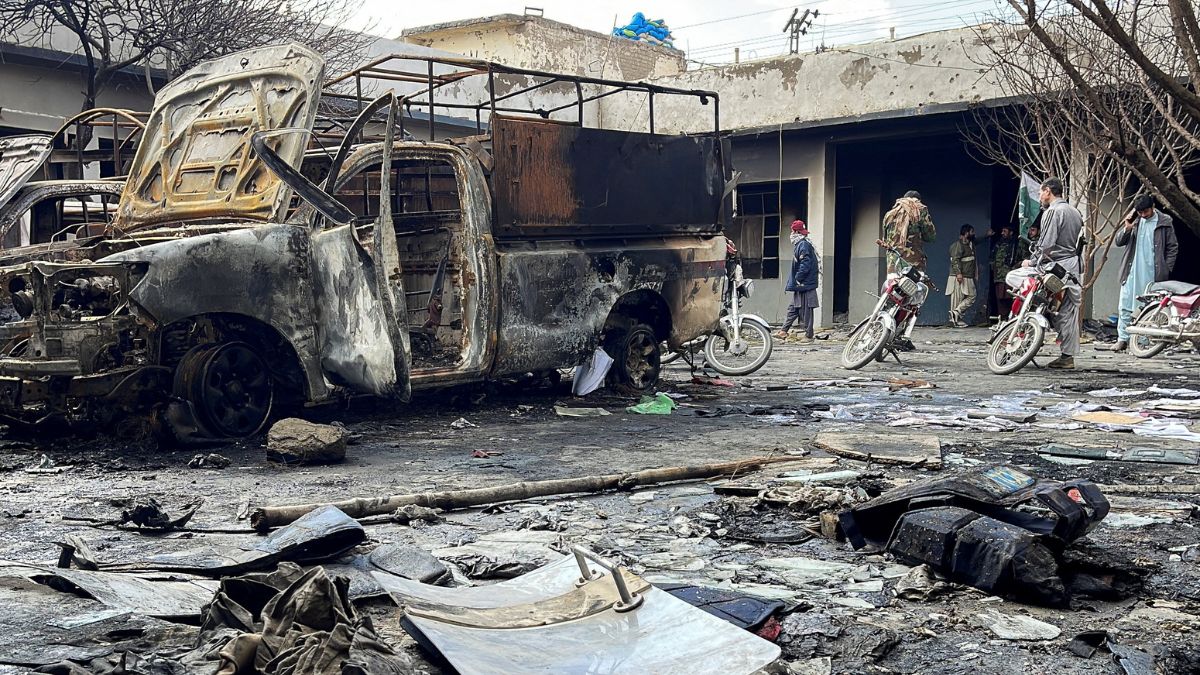 "What’s driving the deadly separatist violence in Pakistan’s Balochistan?")
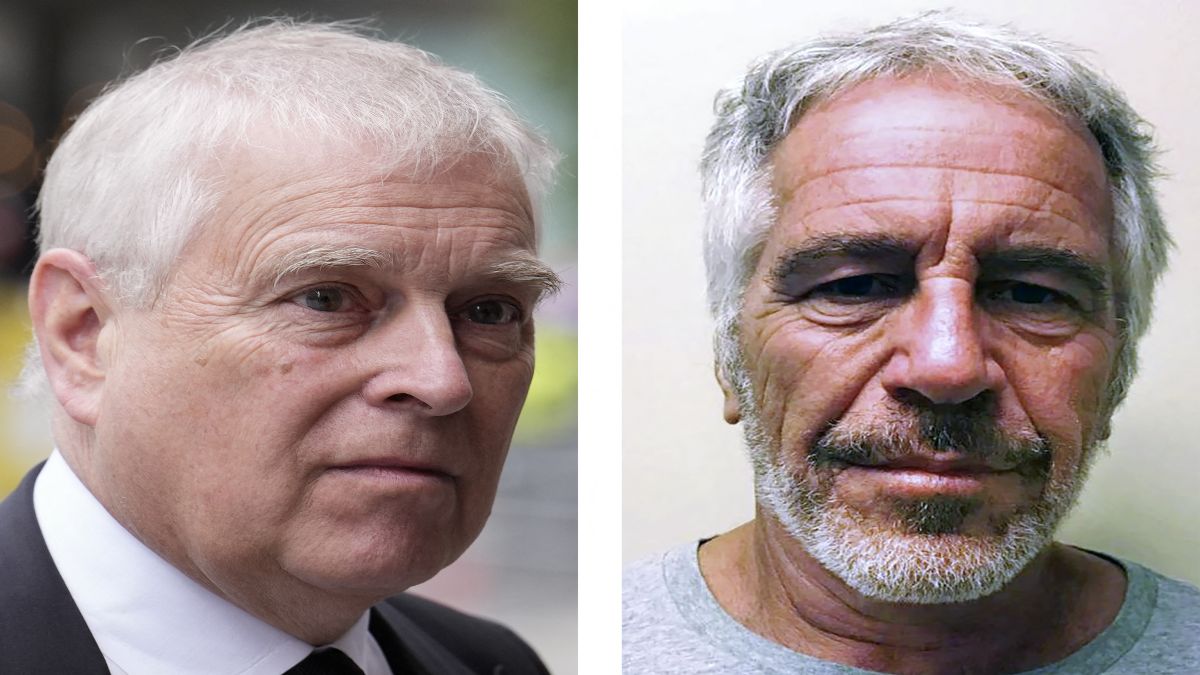 "Andrew sent daughters' pic to Epstein and other bombshells from 3 million pages of files")
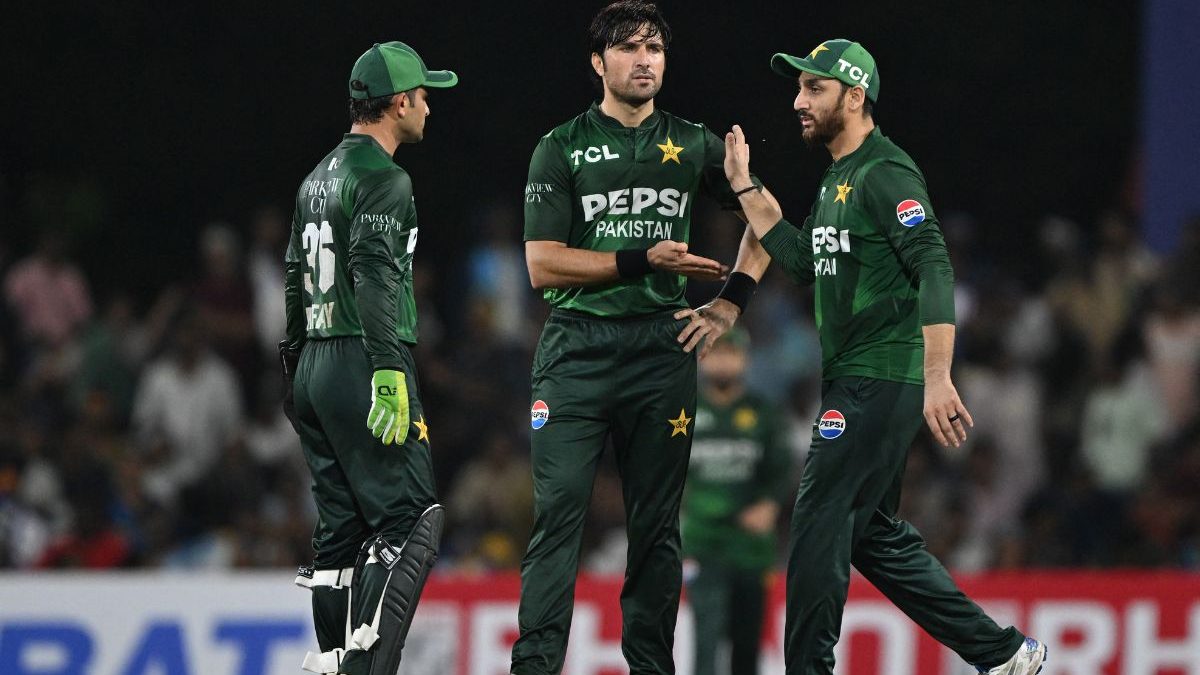 "Pakistan Boycott India Match at T20 World Cup LIVE Updates: BCCI, ICC react as PCB refuses to play on Feb 15")
 "BNP knocks on Bangladesh EC's door, alleges abnormal voter migration ahead of polls")
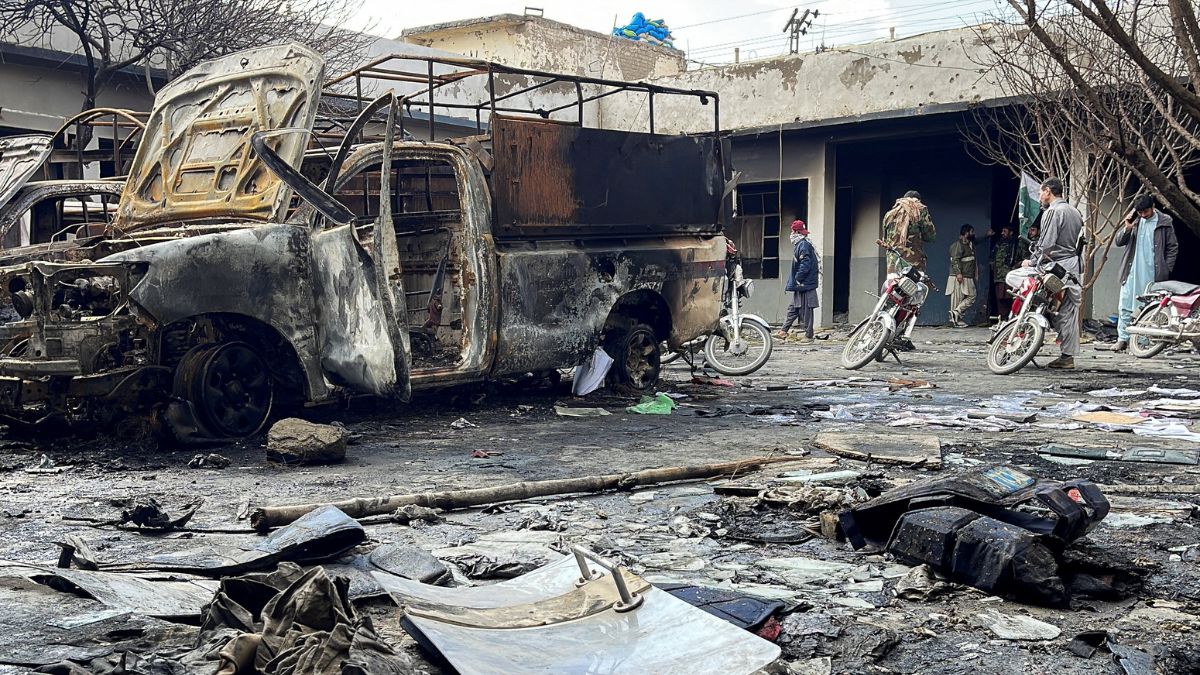 "What’s driving the deadly separatist violence in Pakistan’s Balochistan?")