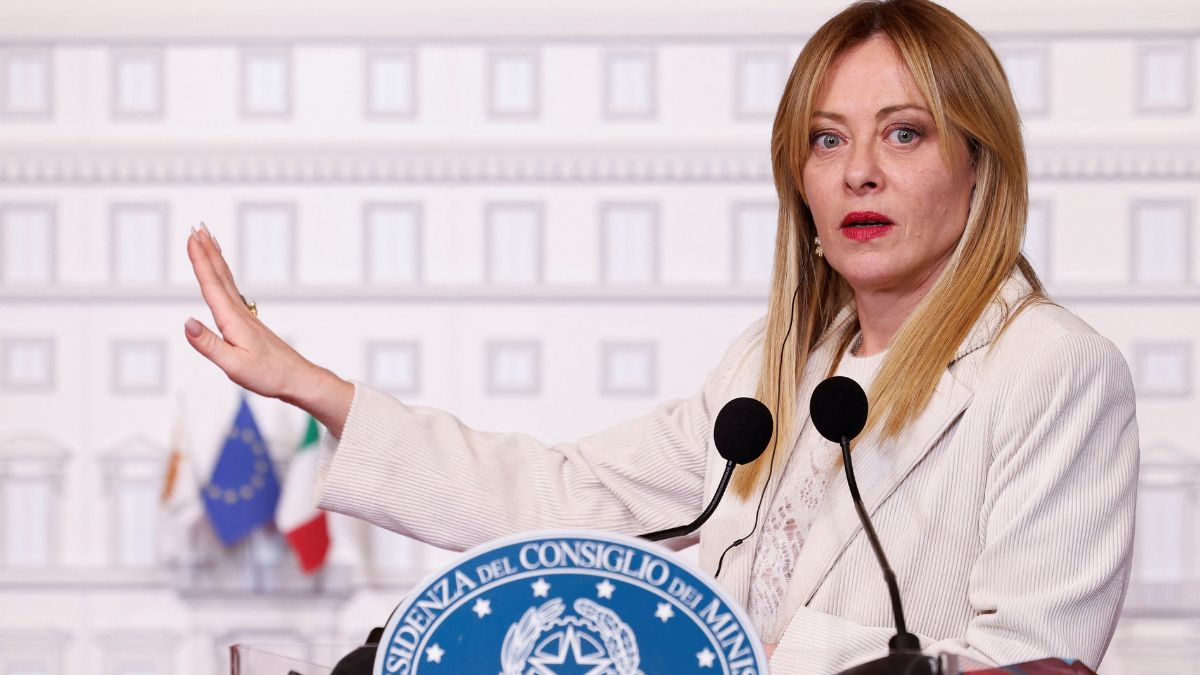
 "Meloni in Gulf: Italy PM lands in Saudi Arabia on first regional visit amid Iran war, EU watches on")
While the Iran war continues to rock West Asia, Italian Prime Minister Giorgia Meloni flew to Saudi Arabia on Friday, commencing her surprise Gulf tour. The visit by the Italian premier would aim to boost “national energy security”, a government source revealed to Reuters.
Meloni began her unannounced trip in the Red Sea port city of Jeddah, the source revealed, adding that she was the first leader from the European Union and the Nato to visit the region since the war began on February 28.
The sources said that the far-right prime minister would meet officials from Saudi Arabia, as well as from Qatar and the United Arab Emirates, though it was not immediately clear if she would also visit those two countries. It is pertient to note that all three nations have been targeted by Iranian drone and missile strikes in retaliation for the US-Israeli bombardment of Iran.
“The aim is to strengthen relations with these countries and repeat Italy’s support against Iranian attacks,” the source told Reuters. “The mission is also aimed at strengthening national energy security,” the source said, adding that the Gulf was a “crucial source of oil and gas for Italy”.
Europe will be watching closely
It is important to note that Italy is highly dependent on energy imports and has been eyeing rising energy prices with growing concern. The Italian government has already cut fuel excise taxes until May 1 in a bid to contain petrol price rises.
On March 25, Meloni visited Algeria, which already provides around 30 per cent of Italy’s natural gas, in the hope of increasing gas imports. She is also one of the European leaders who is closest to US President Donald Trump and has often sought to bridge the European and US positions.
However, just like other European nations, Meloni has maintained that Italy does not want to join in the war effort despite Trump’s encouragement. “I continue to believe that, geopolitically, Europe does not have much to gain from a widening gap with the United States,” she was quoted by Italian media as saying on Friday.
Quick Reads
View All“But our job is above all to defend our national interests, and when we disagree, we have to say so. And this time we do not agree,” she said. Meanwhile, Trump has urged countries affected by Iran’s blockade of the Strait of Hormuz to intervene to free up the vital waterway. It is pertinent to note that the shipping route accounted for around a quarter of the global seaborne oil trade and 20 per cent of liquefied natural gas supplies before the war.

 "Iran Israel War Live News: US-Israeli strikes hit Iran’s Bushehr nuclear plant, kill one, says report")
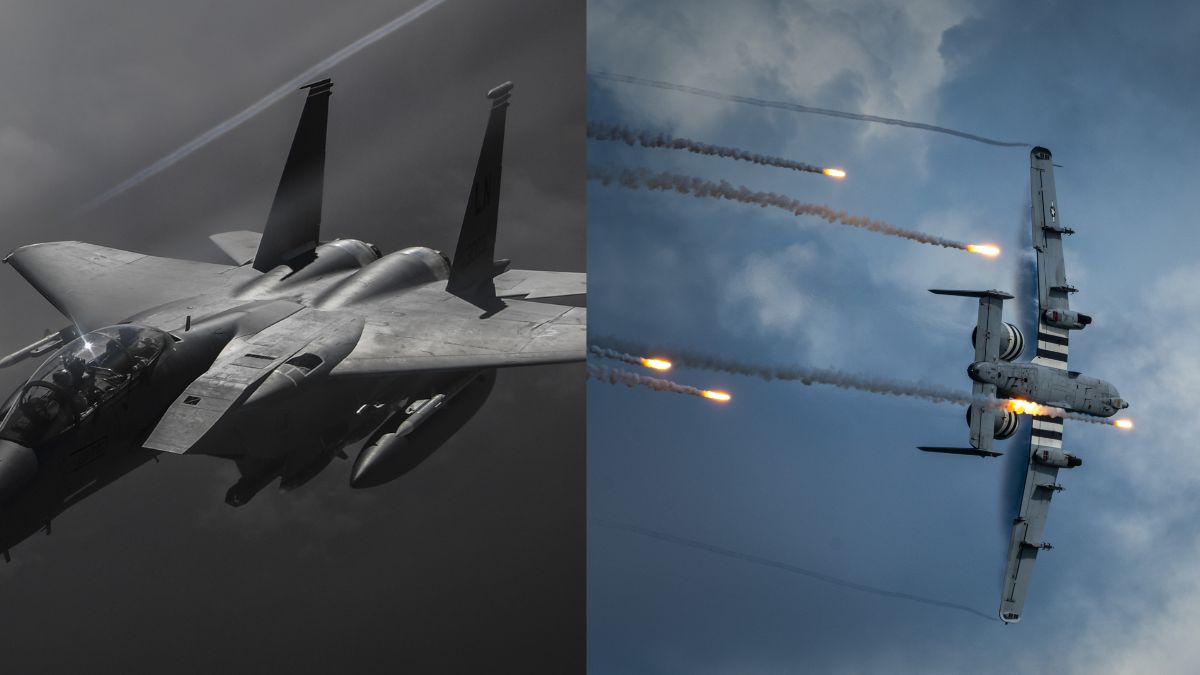 "F-15E, A-10 Thunderbolt, Black Hawk: The US jets and choppers hit by Iran")
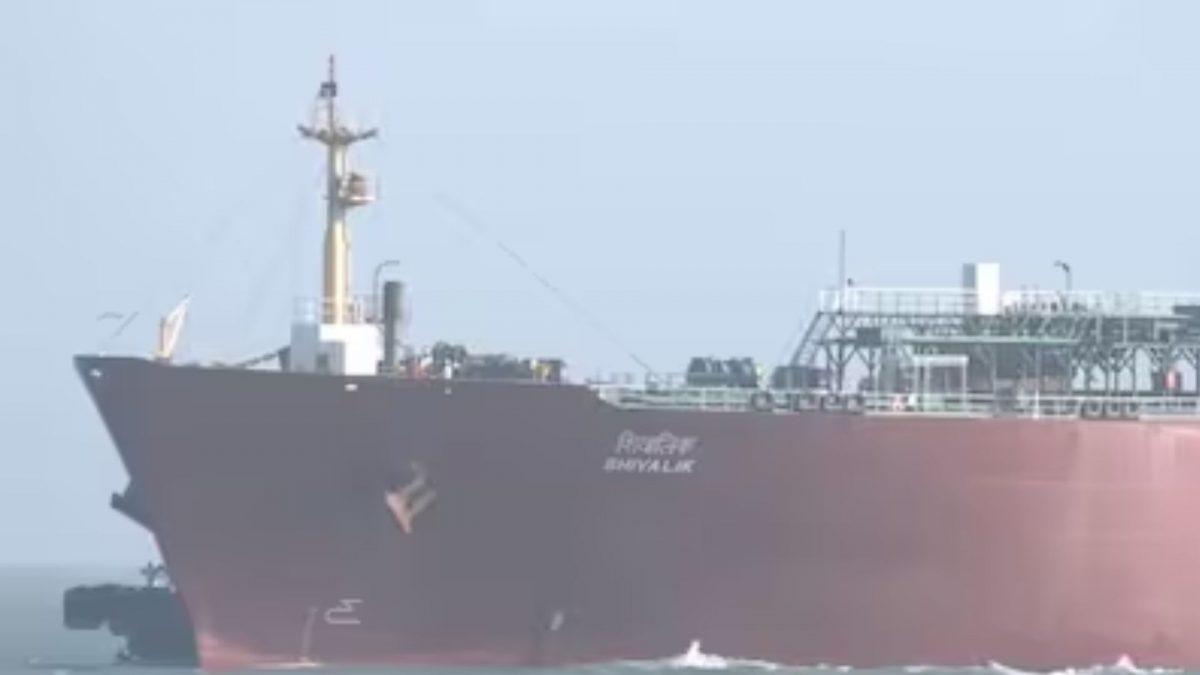 "Seventh India-flagged LPG tanker crosses Strait of Hormuz")
 "Who is Rini Sampath? Tamil Nadu-born becomes first South Asian to run for mayor in Washington DC")
 "Iran Israel War Live News: US-Israeli strikes hit Iran’s Bushehr nuclear plant, kill one, says report")
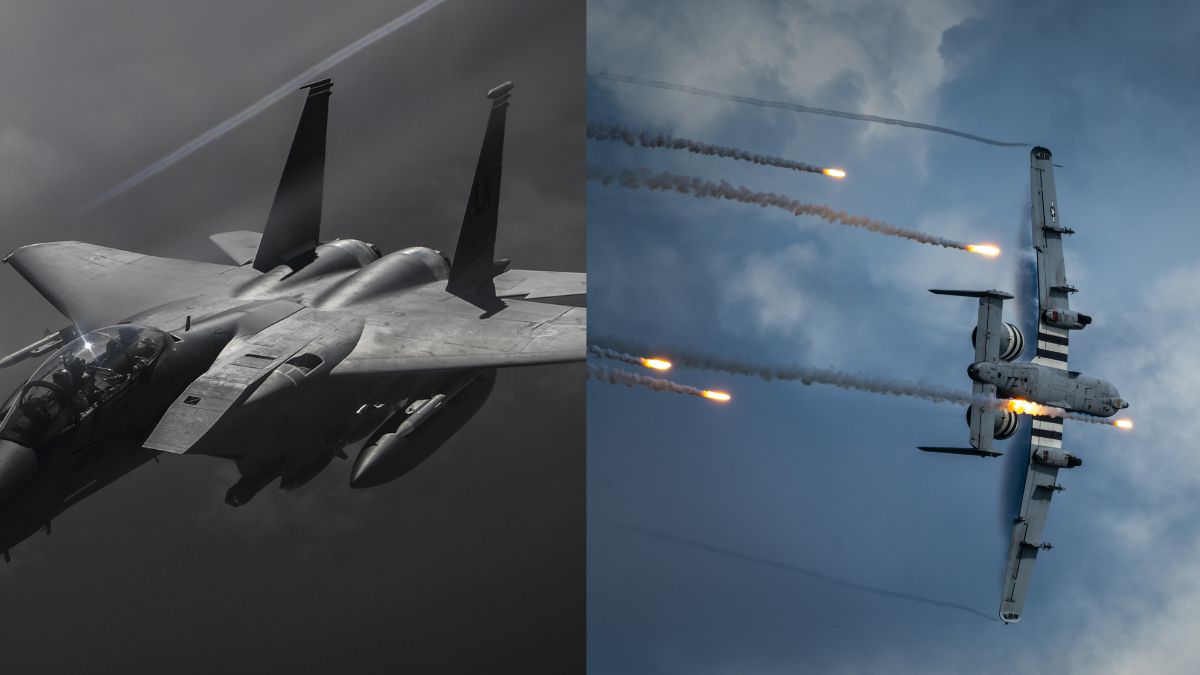 "F-15E, A-10 Thunderbolt, Black Hawk: The US jets and choppers hit by Iran")
 "Seventh India-flagged LPG tanker crosses Strait of Hormuz")
 "Who is Rini Sampath? Tamil Nadu-born becomes first South Asian to run for mayor in Washington DC")