 "Russia intensifies VPN curbs as usage grows; Telegram’s Durov warns of disruptions")
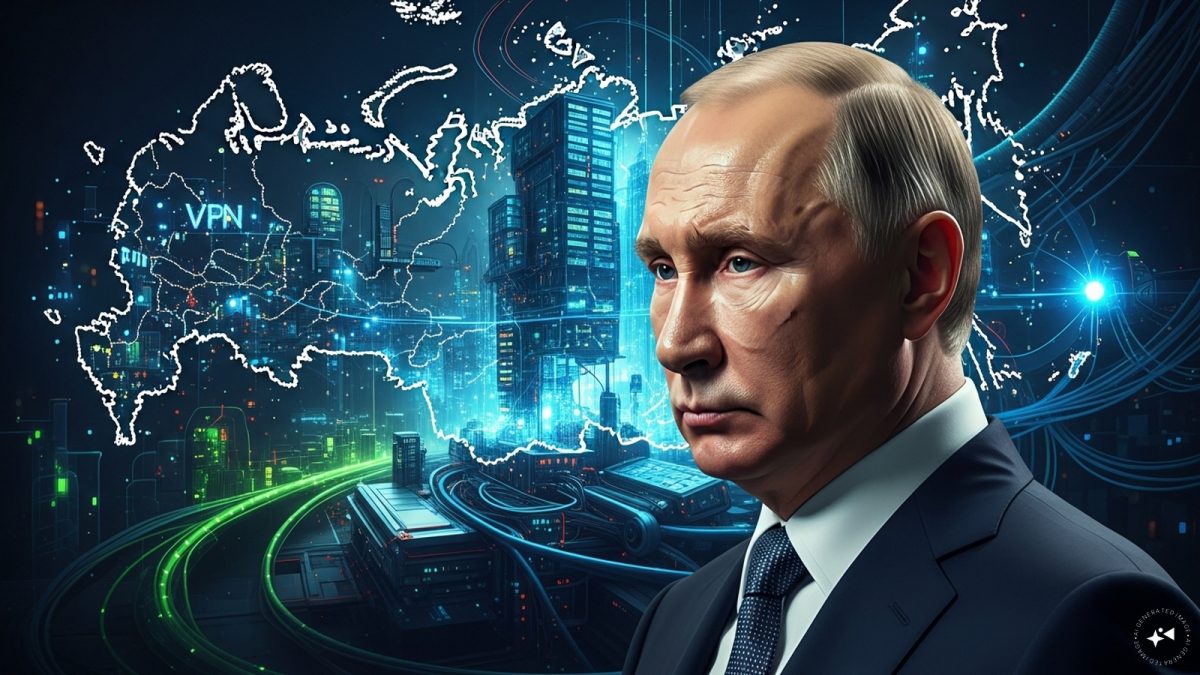
Russian authorities have stepped up their efforts to curb the use of virtual private networks (VPNs) in the country, expanding restrictions on services that allow users to bypass the state controls. This comes even as people’s reliance on VPNs continues to grow.
According to a report in The Moscow Times, regulators have blocked hundreds of VPN services, banned their advertisement and pushed app stores to remove them. The government also targeted access indirectly by restricting payment options for foreign platforms.
These measures are aligned with the broader internet controls, including mobile internet shutdowns across multiple regions and the use of a state-approved “white list” of accessible websites during disruptions.
Despite the tightening grip, the report says, officials have stopped short of a full ban, as it would be difficult to enforce without severely disrupting Russia’s economic and technological systems.
Disruptions expose risks
The intensifying restrictions have also begun to produce unintended consequences.
According to a Reuters report, Telegram founder Pavel Durov said attempts to block VPNs triggered problems in Russia’s domestic payment systems, causing disruptions that forced some services to revert to manual operations.
Reports indicated that metro systems allowed passengers through without payment, while some businesses asked customers to use cash after digital payment systems failed.
“Their blocking attempts just triggered a massive banking failure,” Durov said on Telegram. “Welcome back to the Digital Resistance, my Russian brothers and sisters. The entire nation is now mobilised to bypass these absurd restrictions.”
Quick Reads
View AllTelegram under pressure
The push against VPNs is closely tied to repeated efforts to rein in Telegram, one of Russia’s most widely used digital platforms.
With tens of millions of users, Telegram functions as far more than a messaging app. It serves as a key news source, a communication channel for officials and a tool for businesses, activists and even military coordination linked to the war in Ukraine.
Independent media outlets, state agencies and bloggers all maintain large Telegram channels, while opposition figures use the platform to reach audiences inside Russia.
Its central role in Russia’s digital ecosystem has made it difficult to replace, meaning any disruption can have far-reaching effects.
Usage surges despite curbs
The crackdown comes even as VPN use becomes increasingly embedded in daily life of Russians.
With major platforms such as Facebook, Instagram, YouTube and X blocked since 2022, and mounting pressure on messaging apps, millions of Russians now rely on VPNs for everything from accessing news to conducting business.
Estimates suggest tens of millions of users have turned to VPNs, with surveys indicating that nearly half the population has used one at least once.
For some, VPNs are no longer occasional tools but always-on utilities.
While the government continues to tighten enforcement through technical, financial and legal means, experts say a complete shutdown of VPN access remains unlikely.


 "Iran Israel War Live News: Iran shifts universities to online classes as Israeli strikes intensify")
 "F-15E, A-10 Thunderbolt, Black Hawk: The US jets and choppers hit by Iran")
 "Seventh India-flagged LPG tanker crosses Strait of Hormuz")
 "Who is Rini Sampath? Tamil Nadu-born becomes first South Asian to run for mayor in Washington DC")
 "Iran Israel War Live News: Iran shifts universities to online classes as Israeli strikes intensify")
 "F-15E, A-10 Thunderbolt, Black Hawk: The US jets and choppers hit by Iran")
 "Seventh India-flagged LPG tanker crosses Strait of Hormuz")
 "Who is Rini Sampath? Tamil Nadu-born becomes first South Asian to run for mayor in Washington DC")