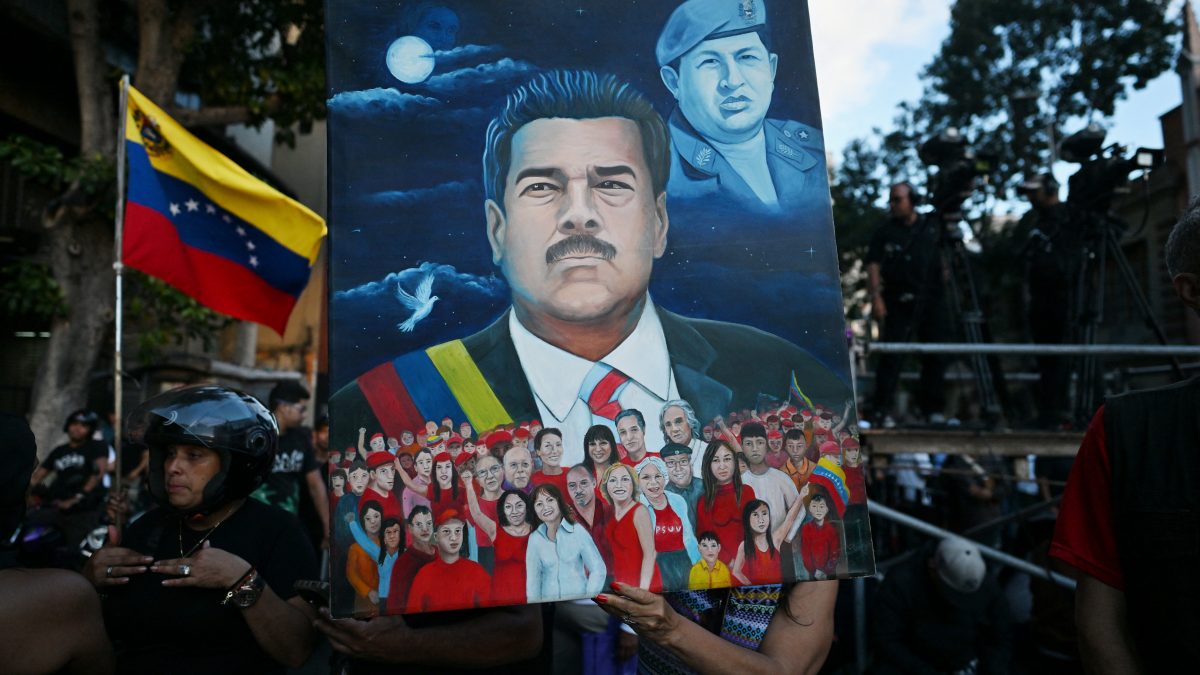
 "Was Maduro 'kidnapped' or 'captured' by the US? Depends, and it matters")
In the early hours of January 3, the world woke up to a geopolitical earthquake. The United States military had conducted “Operation Absolute Resolve," a high-stakes raid in Caracas that ended with Venezuelan President Nicolás Maduro and his wife, Cilia Flores, in US custody.
As the dust settles over the Manhattan federal court where Maduro recently pleaded “not guilty,” a linguistic battle has broken out.
Was he “captured,” “abducted,” or “kidnapped”? The choice of words isn’t just about semantics. It’s about whether you believe the US is enforcing justice or engaging in “international vandalism."
Maduro: ‘I am a kidnapped president’
Inside a New York courtroom on January 5, a defiant Maduro made his stance clear.
Image: Associated Press
Wearing a blue jail uniform, he told the judge through an interpreter: “I am here kidnapped. I am still the president of my country." His defence team has doubled down on this narrative.
Attorney Todd Pollack raised “serious questions about the legality of this military abduction,” arguing that snatching a sitting head of state from his own home is a violation of every known international treaty. To Maduro, he isn’t a criminal defendant; he is a “prisoner of war” taken by an imperial power.
Trump: ‘A brilliant operation’
Across the Atlantic, President Donald Trump is basking in what he is portraying as a major victory. Posting on Truth Social shortly after the raid, Trump wrote: “The United States of America has successfully carried out a large-scale strike against Venezuela and its leader, President Nicolas Maduro, who has been, along with his wife, captured and flown out of the Country.”
Quick Reads
View AllWhen reporters later asked Trump about Venezuelan Vice President Delcy Rodríguez calling the act a “kidnapping,” Trump remained unfazed.
“It’s all right,” he replied with a shrug. “It’s not a bad term.”
For the White House, this wasn’t a crime. It was a “surgical” law enforcement action to bring a “wanted drug lord” to justice.
Media’s linguistic minefield
As politicians trade barbs, newsrooms around the world are grappling with language, with the choice of verb becoming shorthand for an outlet’s editorial stance.
In the US, networks including CNN have largely settled on “captured” or “seized,” sometimes opting for the more visceral “snatching” to describe the Delta Force raid.
The BBC, by contrast, has reportedly advised journalists to avoid “kidnapped” in favour of neutral terms such as “captured” or “taken into custody,” aligning with the official US legal position.
Outside the US orbit, the tone is sharper, with France’s Le Monde and Al Jazeera frequently using “abduction,” a word that implies a lack of legal legitimacy.
Why the labels matter
If Maduro was “captured,” he is a fugitive finally caught. If he was “kidnapped,” the US is a kidnapper.
Under international law, heads of state typically enjoy immunity. By using the word “captured,” the US justifies the move via a 2020 narco-terrorism indictment.
By saying “kidnapped,” Maduro’s allies, and several UN members, argue that the US has set a “dangerous precedent” where any leader can be grabbed if a more powerful nation decides they are a criminal.

 "US-Venezuela Tensions Live Updates: Maduro's next hearing date set for March 17")
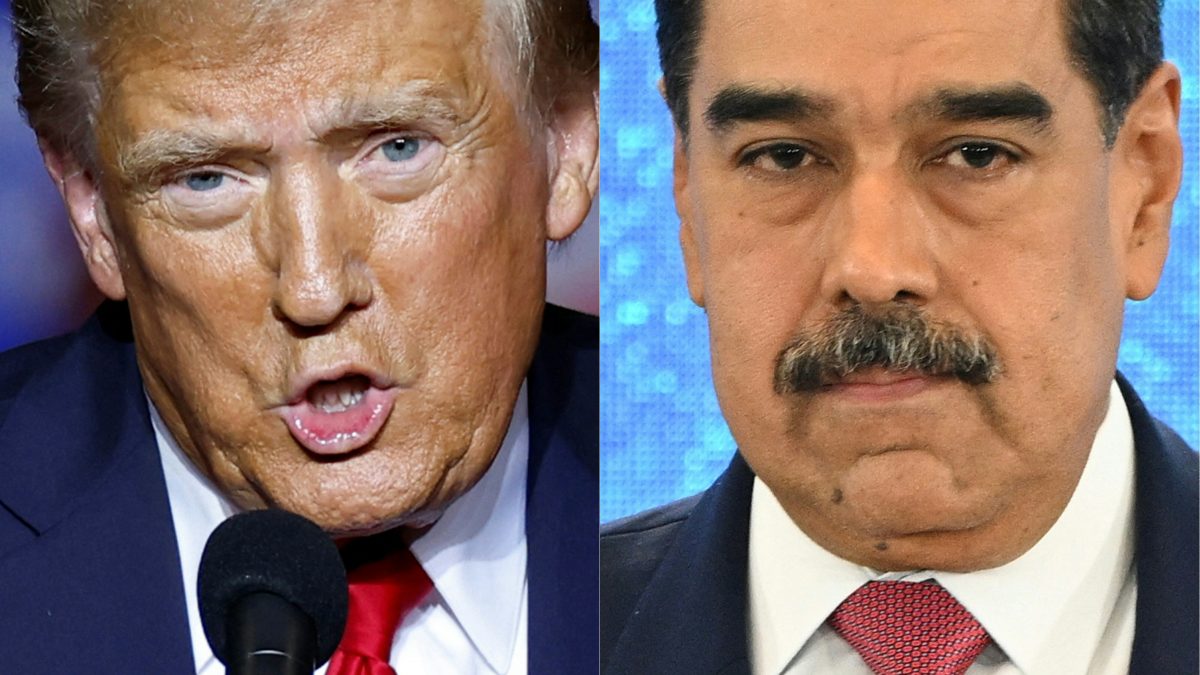 "Anything but 'war': The words America uses to sanitise its Venezuela-like operations")
 "Can Iran’s $7 monthly payment to citizens help end protests over economic crisis?")
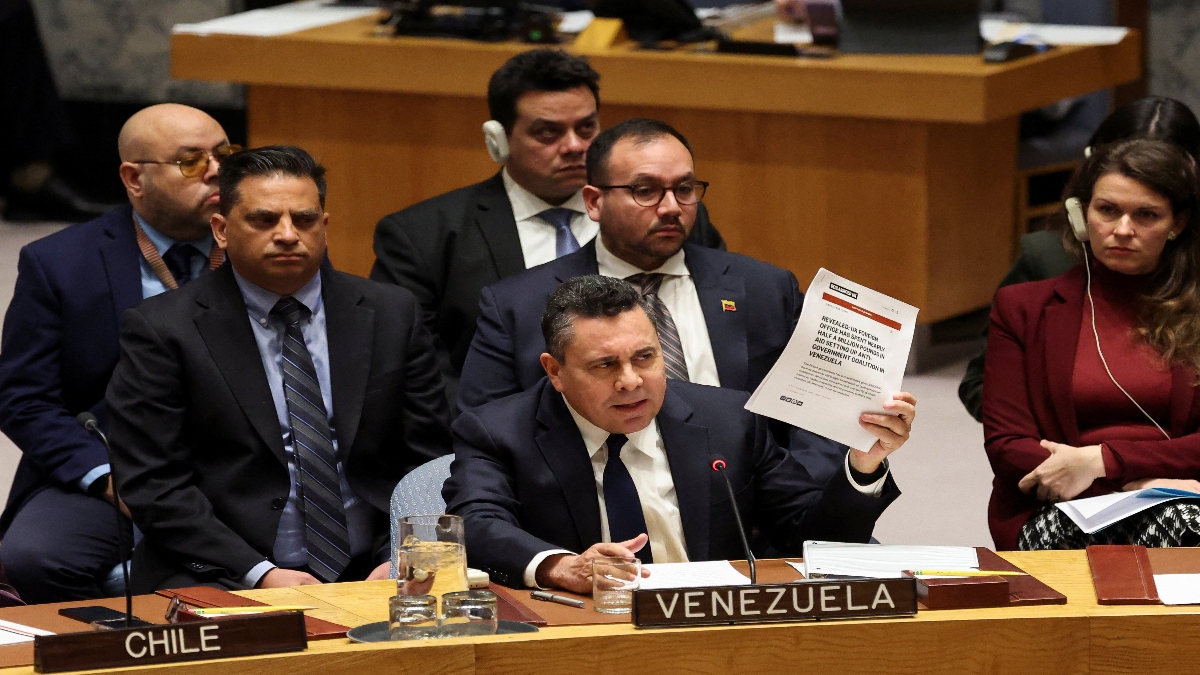 "‘States must not use force’: UN says US raid in Venezuela violated international law")
 "US-Venezuela Tensions Live Updates: Maduro's next hearing date set for March 17")
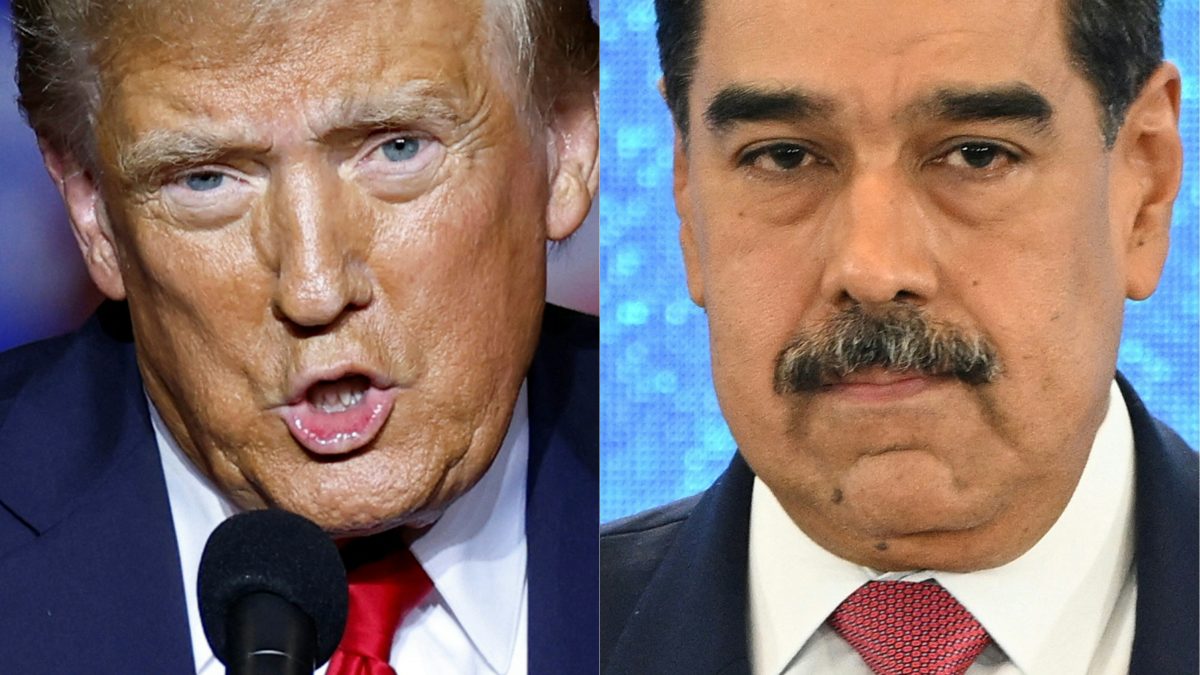 "Anything but 'war': The words America uses to sanitise its Venezuela-like operations")
 "Can Iran’s $7 monthly payment to citizens help end protests over economic crisis?")
 "‘States must not use force’: UN says US raid in Venezuela violated international law")