

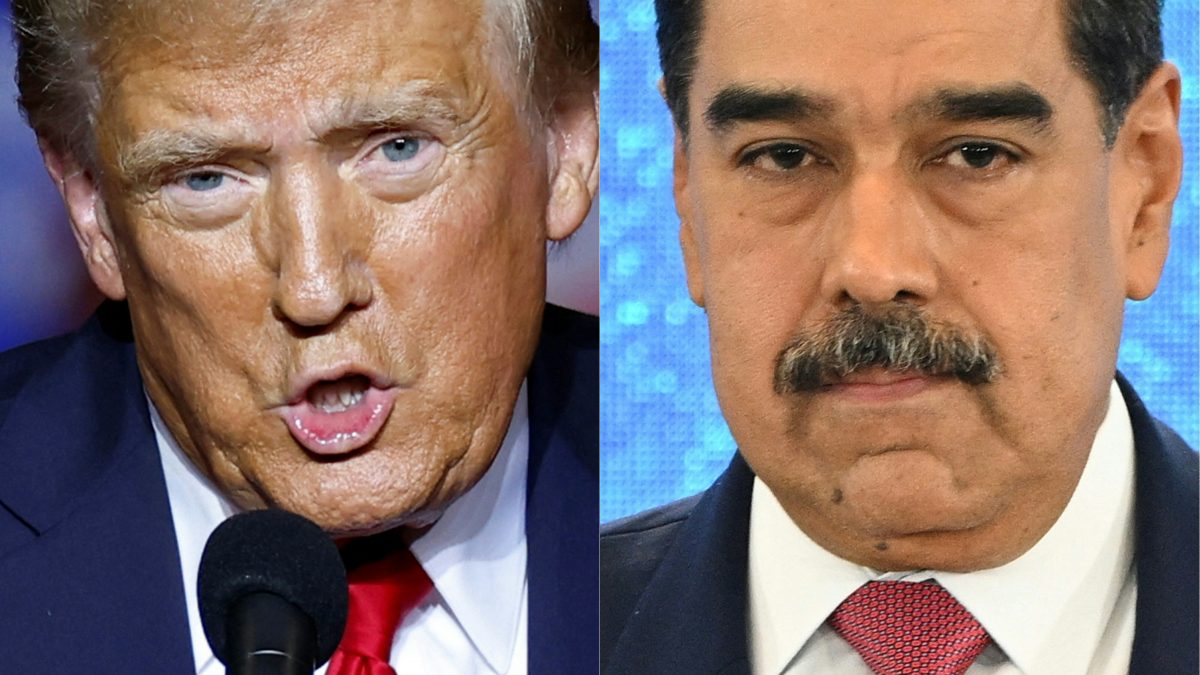
 "Anything but 'war': The words America uses to sanitise its Venezuela-like operations")
When Speaker of the House Mike Johnson remarked that the US is “not at war” in Venezuela, he was participating in a decades-old tradition of linguistic sanitisation.
By rebranding combat as “missions” or “actions,” the American executive branch often bypasses the constitutional gravity and public scrutiny that comes with a formal declaration of war.
This history of creative labelling is foundational to modern diplomacy.
During the Korean War, President Harry Truman insisted the conflict was a “United Nations Police Action,” a phrase designed to sidestep domestic legal requirements. Similarly, early involvement in Vietnam was framed as a “military assistance advisory mission,” suggesting the US was merely a helpful bystander rather than a primary combatant.
Also read | What is Nicolas Maduro charged with? What happens next in the case?
History, on repeat
As the nature of warfare evolved, the vocabulary became even more clinical.
In 1983, Ronald Reagan characterised the invasion of Grenada as a “rescue operation” to protect American medical students, centering the narrative on safety rather than regime change. Six years later, the invasion of Panama was branded “Operation Just Cause,” a title that turned a military assault into a moral crusade to “restore democracy.” By the time the Obama administration engaged in Libya, the “W-word” was replaced entirely by the phrase “kinetic military action,” implying energy and movement without the visceral connotations of battle.
Today, this linguistic gymnastics continues with the framing of operations in Venezuela.
While traditional warfare involves recognized enemies and front lines, current rhetoric—often echoed by figures like Donald Trump—leans toward the term “law-enforcement operation.” By categorising the capture of a foreign leader as a matter of “law enforcement” or a “counter-narcotics mission,” the US positions itself not as an invading force, but as a global sheriff executing a warrant.

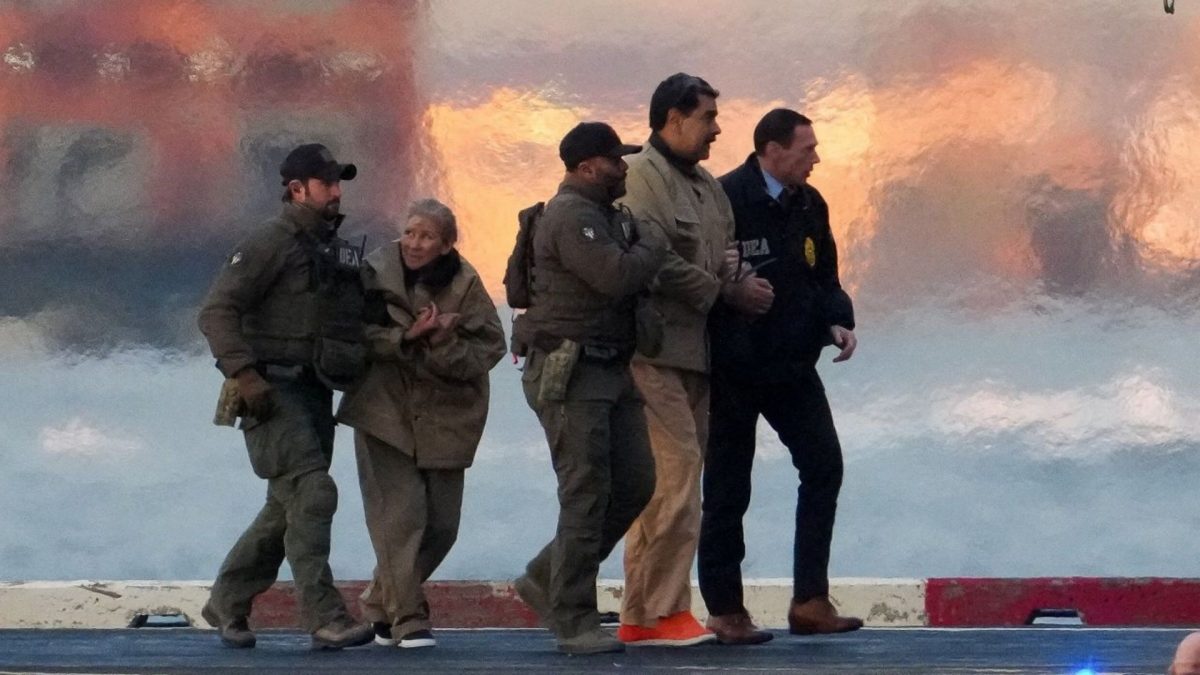 "US-Venezuela Tensions Live Updates: Maduro pleads not guilty, says ‘I was kidnapped’ in court")
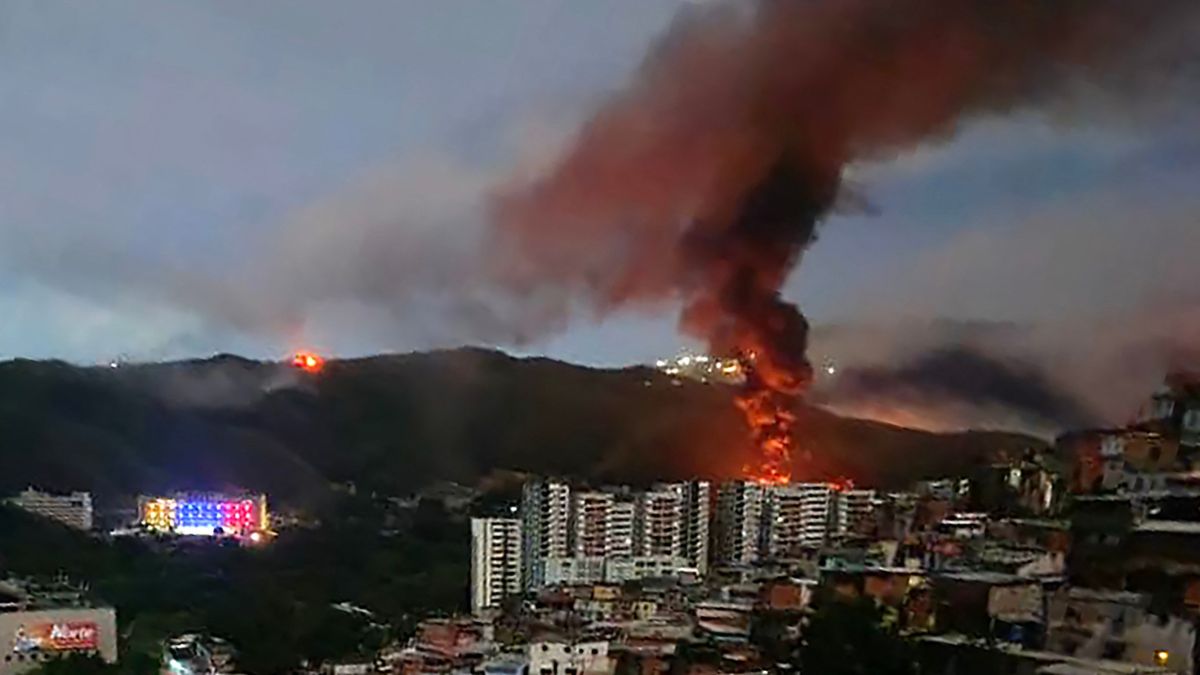 "Gunfire in Caracas: A coup attempt or forces firing at drones? Bolivian Army of Venezuela in spotlight")
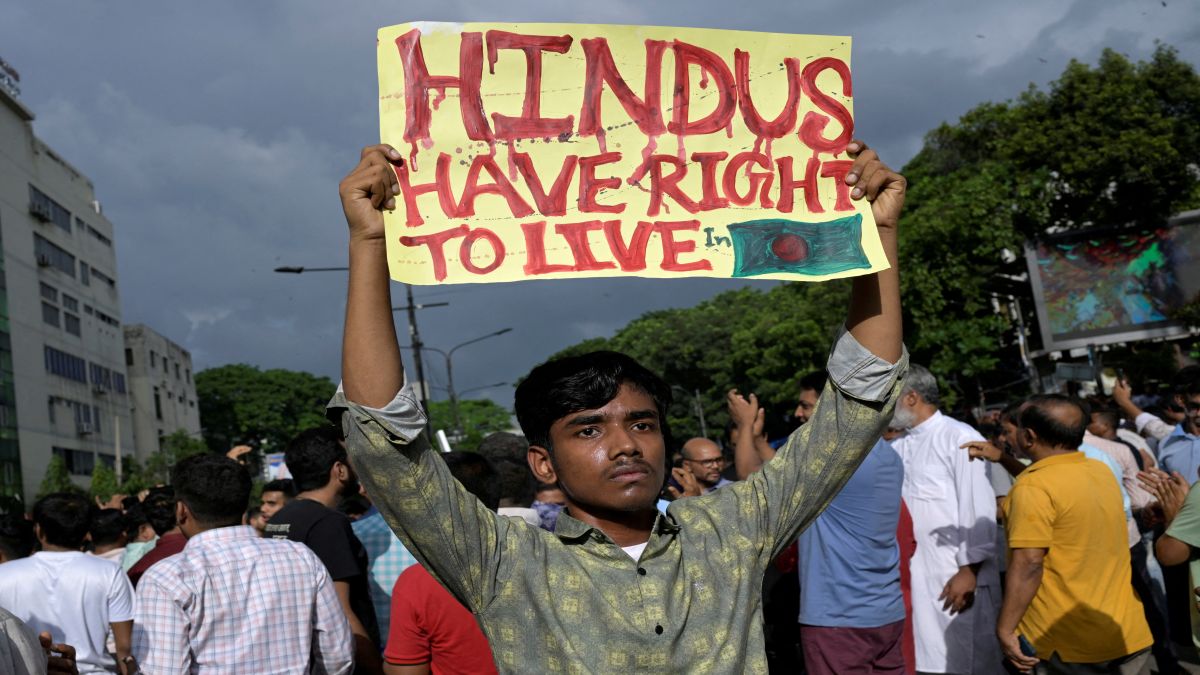 "Murder, rape and arson… Why Hindus fear for their lives in Bangladesh")
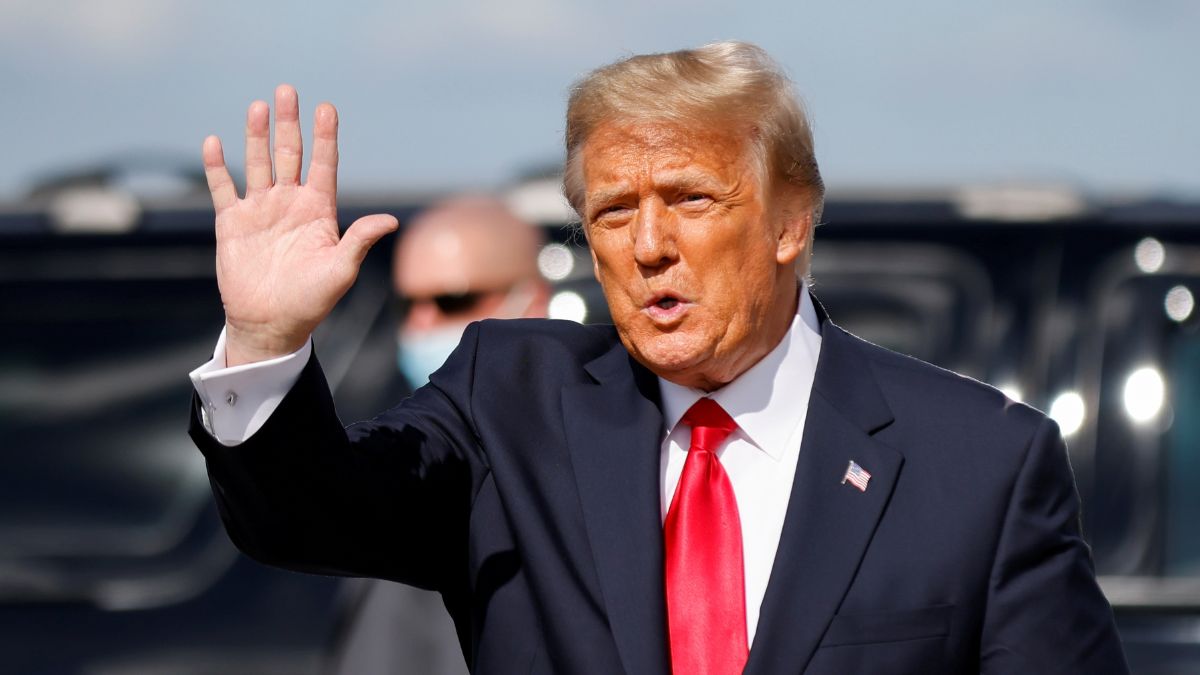 "Weeks before Maduro raid, Trump told oil companies to ‘get ready’ for Venezuela: Report")
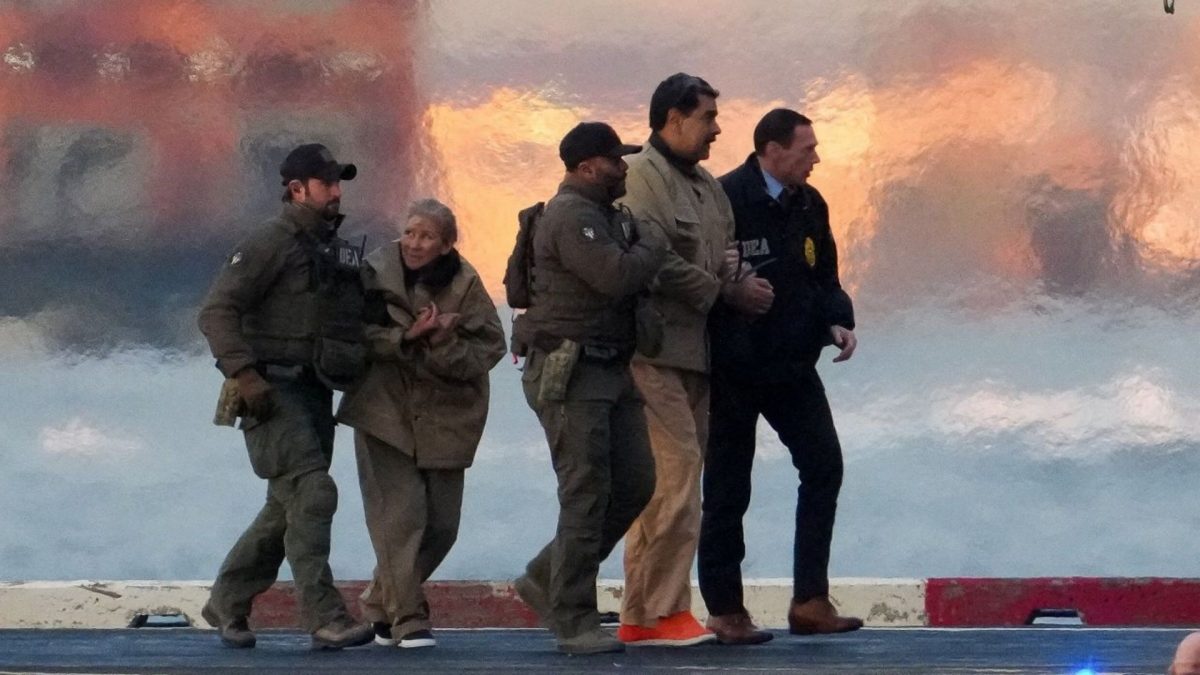 "US-Venezuela Tensions Live Updates: Maduro pleads not guilty, says ‘I was kidnapped’ in court")
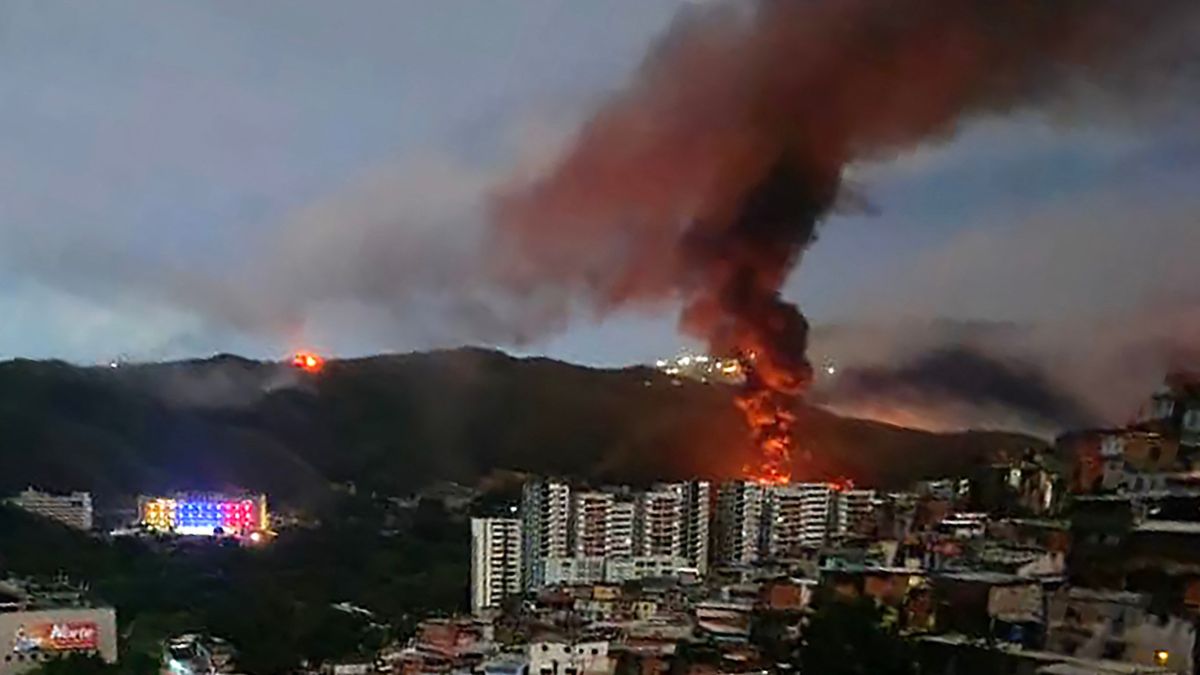 "Gunfire in Caracas: A coup attempt or forces firing at drones? Bolivian Army of Venezuela in spotlight")
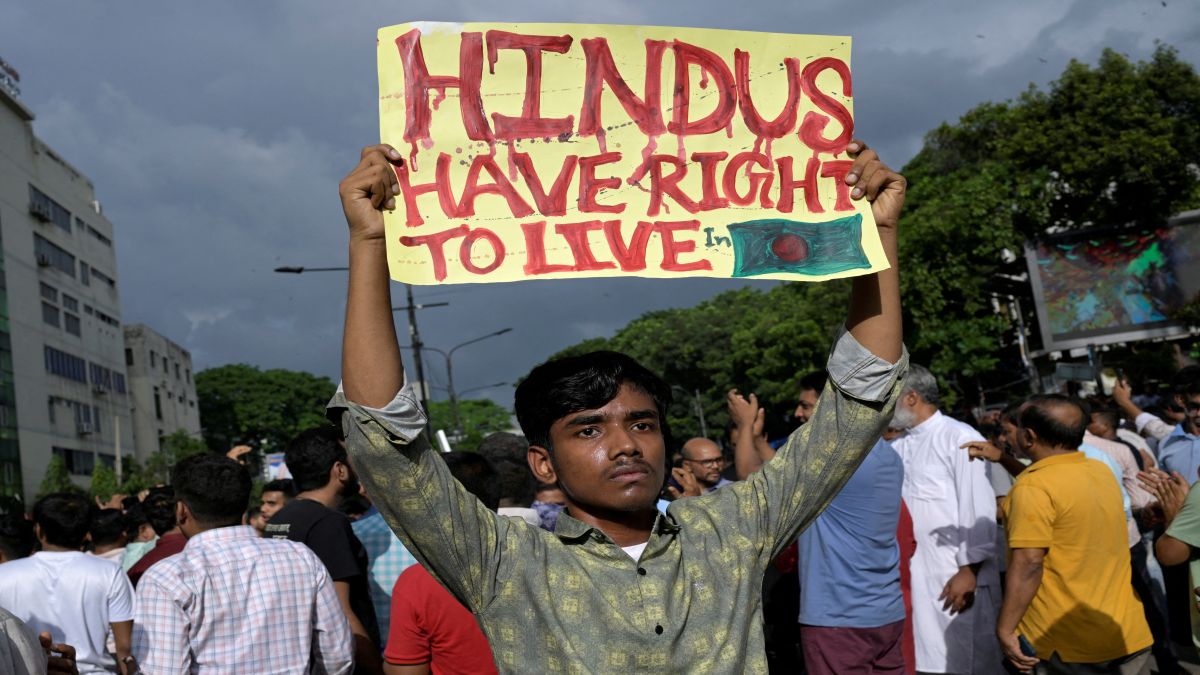 "Murder, rape and arson… Why Hindus fear for their lives in Bangladesh")
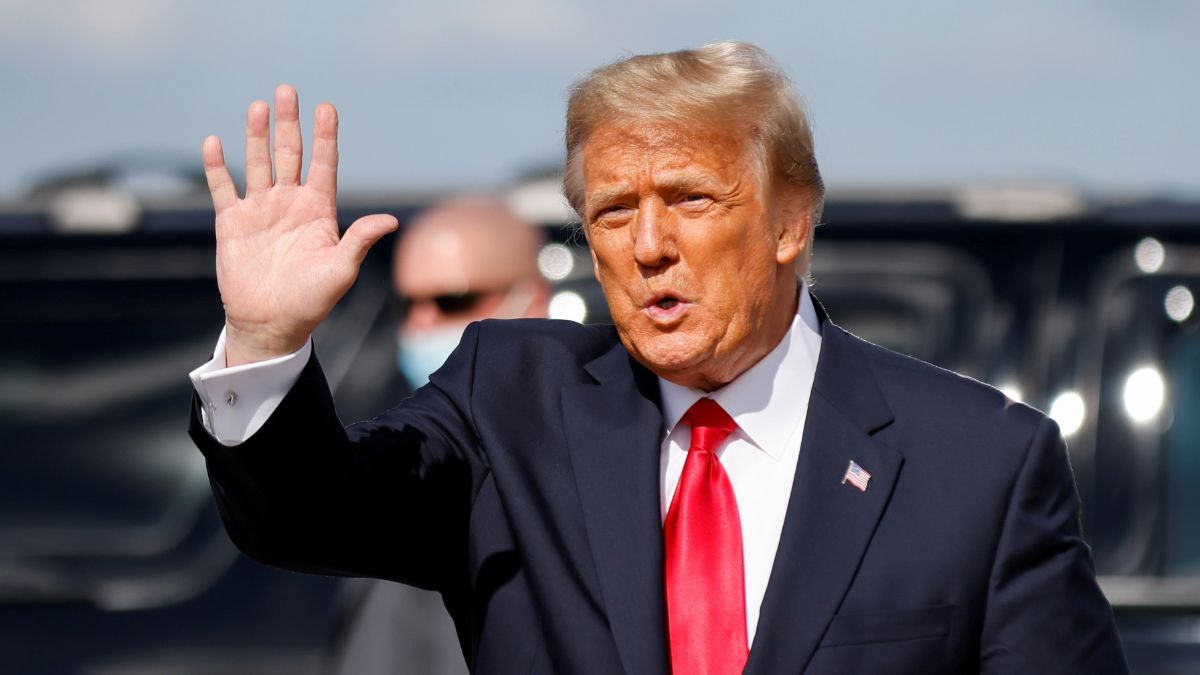 "Weeks before Maduro raid, Trump told oil companies to ‘get ready’ for Venezuela: Report")



