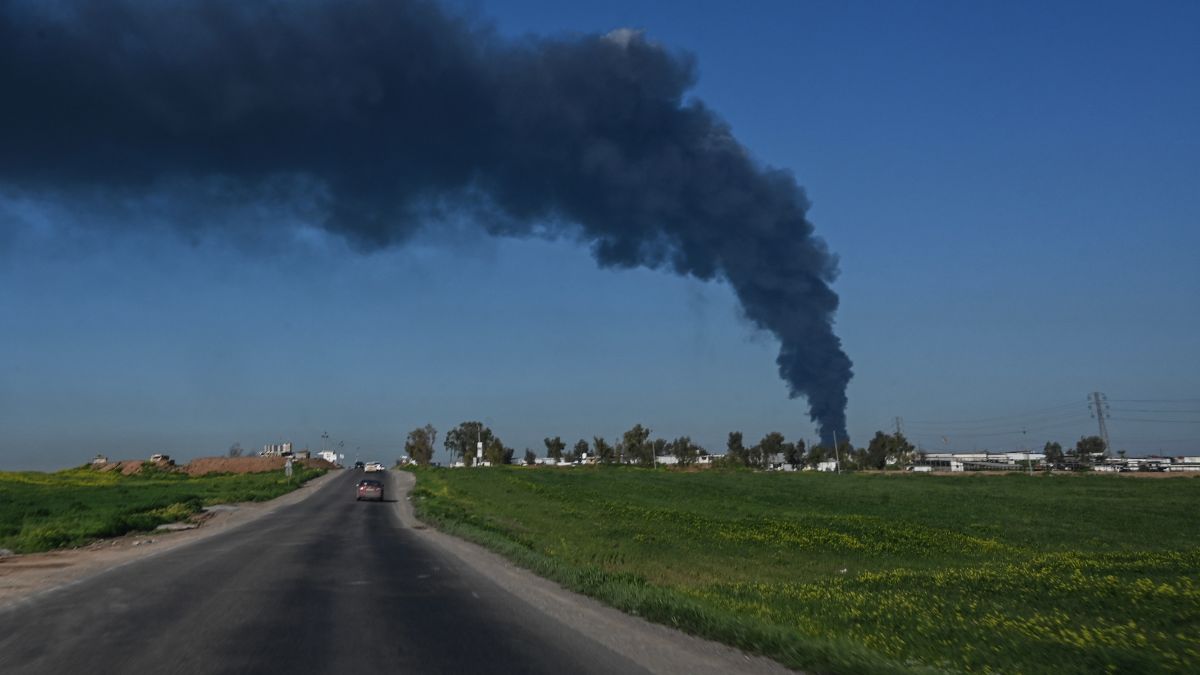
 "Indian national injured after intercepted drone attack in UAE industrial zone")
An Indian national was injured following a drone interception in an industrial zone of the northern emirate of Umm Al Quwain in the UAE on Wednesday, authorities said.
“The incident led to the injury of one Indian national,” the statement shared on the official news agency WAM said.
According to an official statement, the incident occurred near a facility in the Umm Al Thuoob Industrial Area when debris from the destroyed drone fell to the ground. The falling shrapnel caused injuries to the individual in a rare instance of civilian harm linked to aerial interception in the UAE.
Officials emphasised that the drone was successfully neutralised before it could reach its intended target, underscoring the effectiveness of the country’s air defence systems. However, the incident highlights the residual risks posed by interceptions, particularly in populated or industrial areas where falling debris can still pose danger.
Regional tensions cast a wider shadow
The incident comes against the backdrop of heightened tensions in the West Asia, where ongoing conflict dynamics have increased the threat of aerial attacks, including drones and missiles. While the UAE has largely remained secure due to robust defence infrastructure, the episode signals how regional instability can have spill over effects beyond active conflict zones.
Even isolated events such as this carry broader implications for safety and investor sentiment, particularly in a region that serves as a critical hub for global trade, logistics and expatriate workers.
At the same time, financial markets appeared to respond positively to signs of potential de-escalation. Global equities rallied sharply, with major European indices climbing around two percent and Asian markets posting even stronger gains earlier in the day.
Markets rally on hopes of conflict easing
Investor optimism was buoyed by remarks from US President Donald Trump who indicated that military operations involving Iran could conclude within weeks. He suggested that the United States may wind down its involvement “very soon,” possibly within two to three weeks.
The prospect of a shorter conflict timeline helped ease concerns over prolonged disruption to oil supplies and trade routes, leading to a decline in crude prices and a rebound in risk assets.
Quick Reads
View AllDespite the market relief, the incident in Umm Al Quwain serves as a reminder that on-the-ground risks persist even as geopolitical narratives shift. For expatriate communities, including millions of Indians living and working across the Gulf, such developments highlight the unpredictable nature of regional security dynamics.

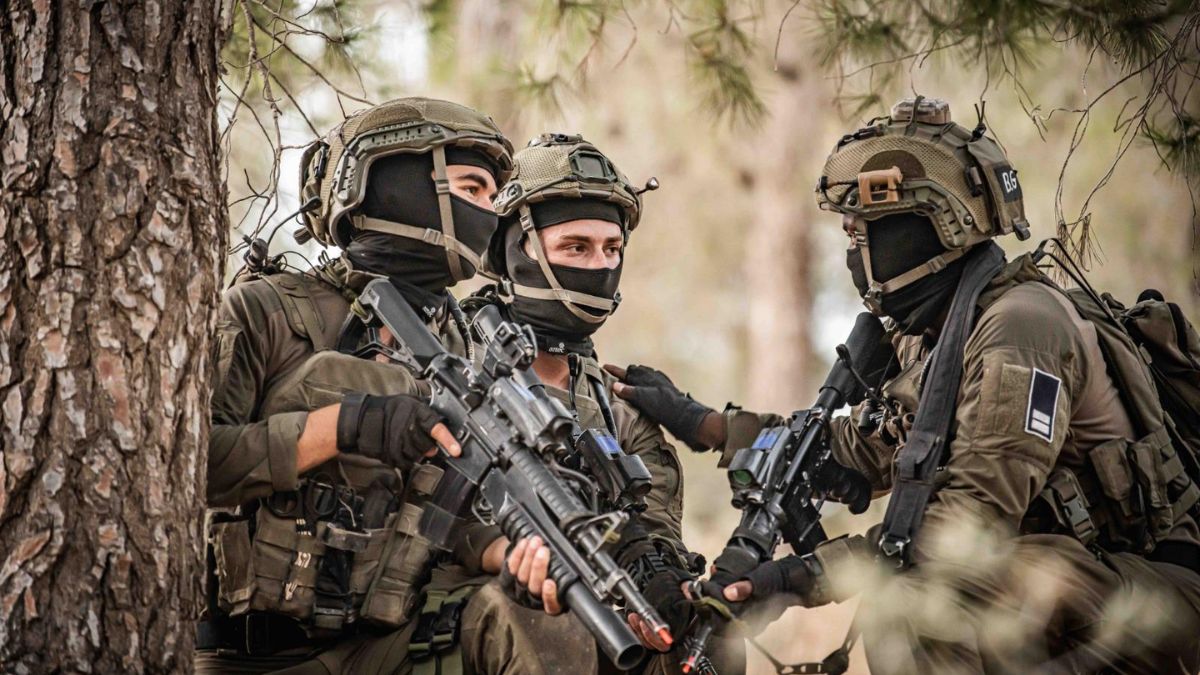 "Iran Israel War News Live: Israel kills Hezbollah’s Southern Front commander Hajj Yusuf Ismail Hashem")
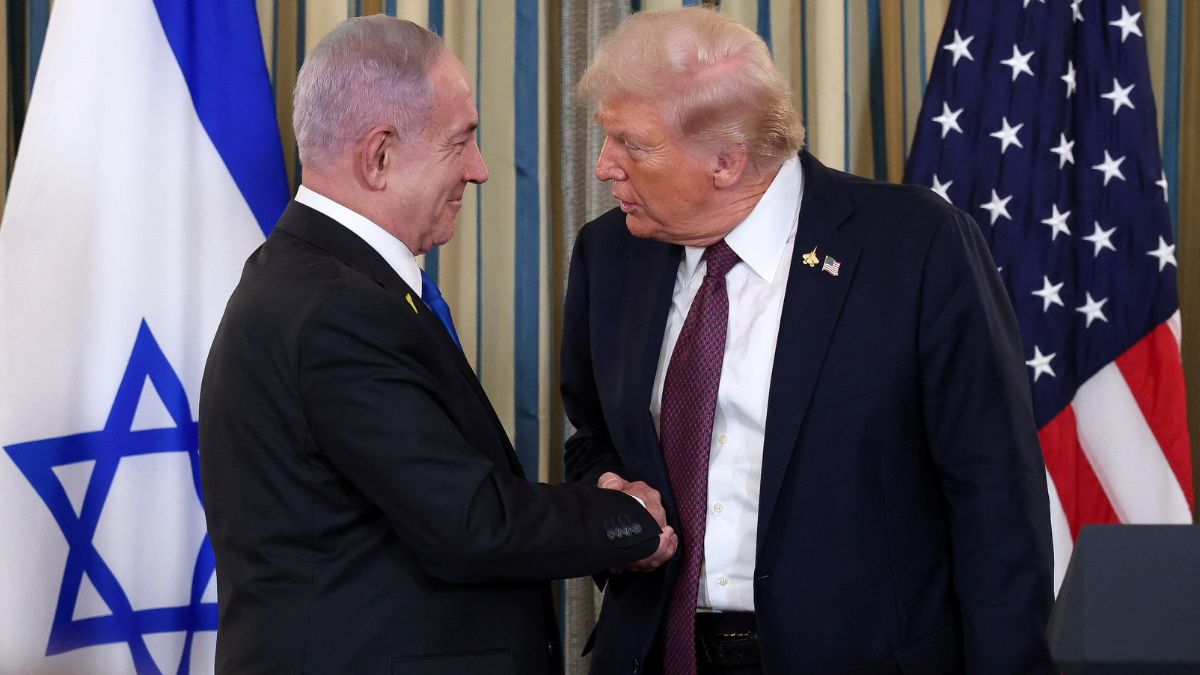 "Nuclear raids vs Kharg spectacle: As Trump eyes to exit war, US and Israel stand divided on Iran goal")
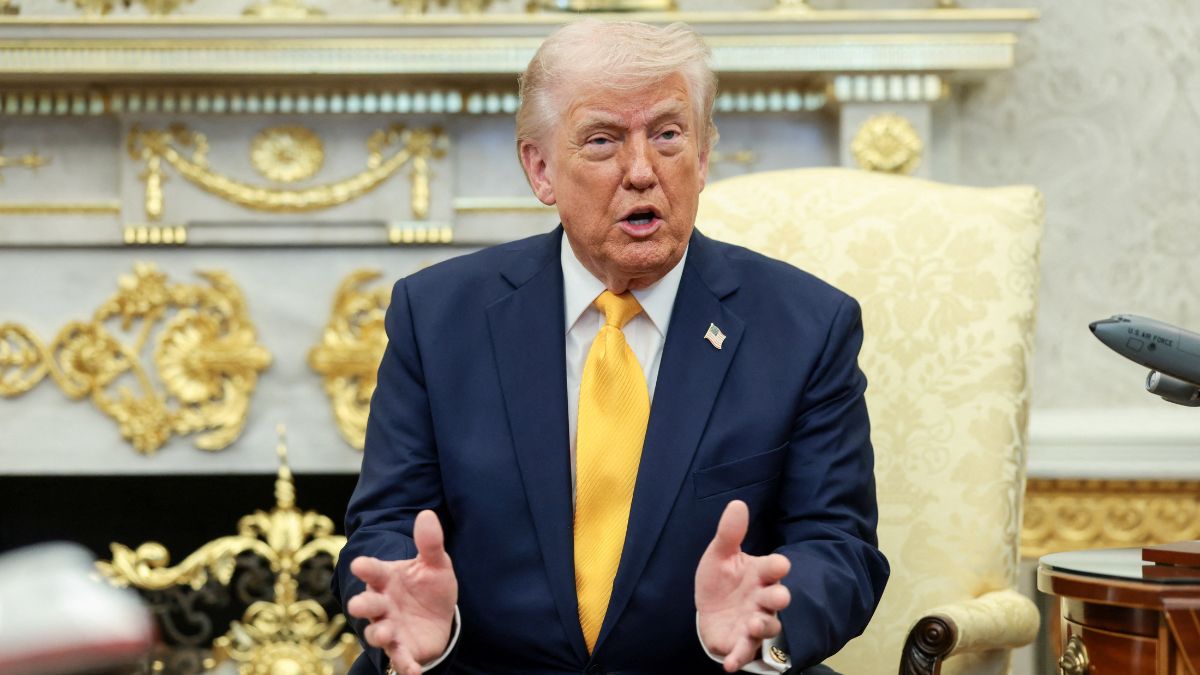 "What's the real endgame? How Trump’s Iran war goals keep changing")
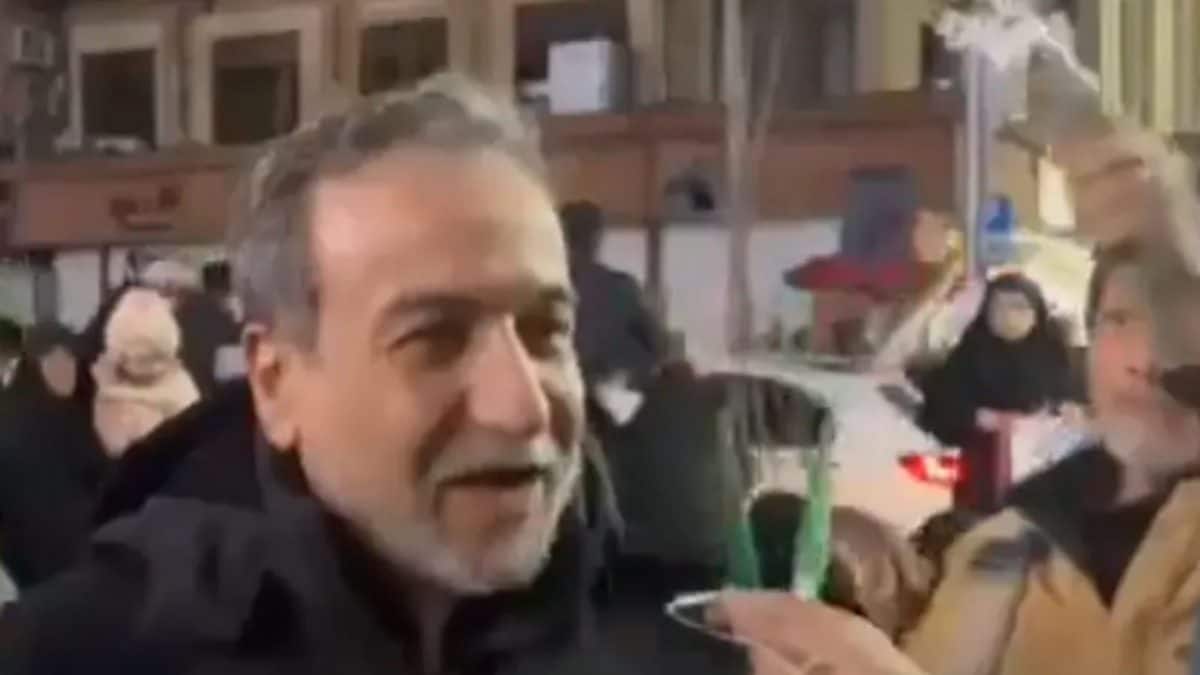
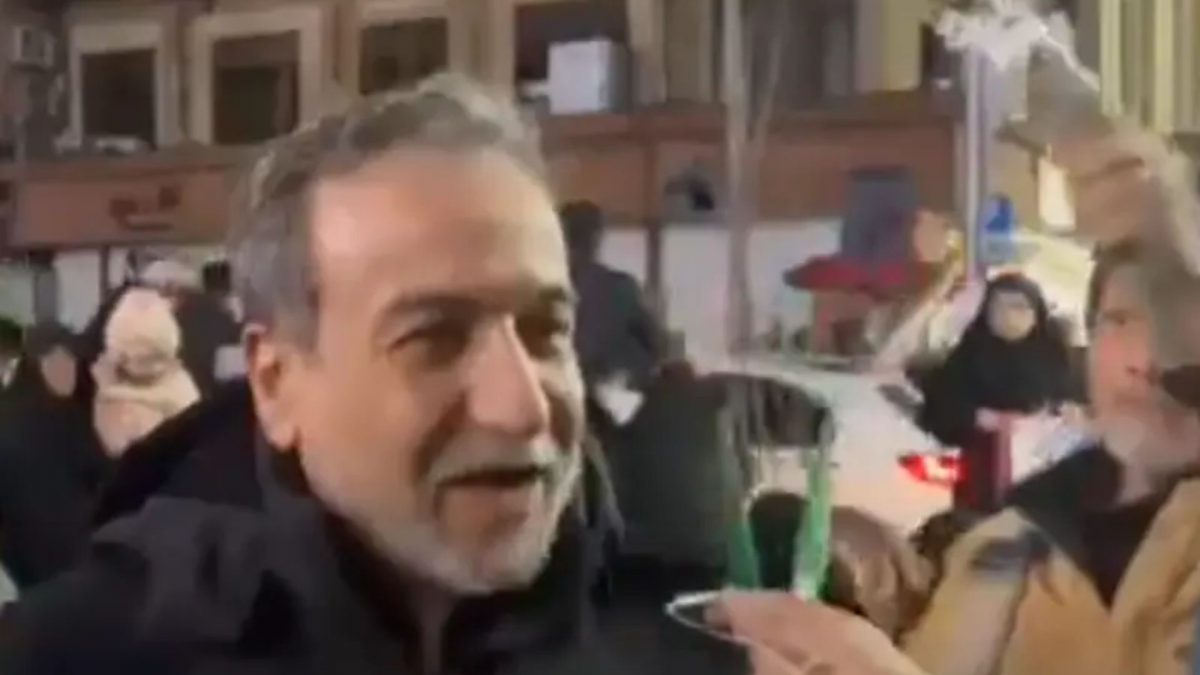 "Watch: Iranian Prez Pezeshkian, FM Araghchi make rare public appearance, mingle with crowds amid killings of key officials")
 "Iran Israel War News Live: Israel kills Hezbollah’s Southern Front commander Hajj Yusuf Ismail Hashem")
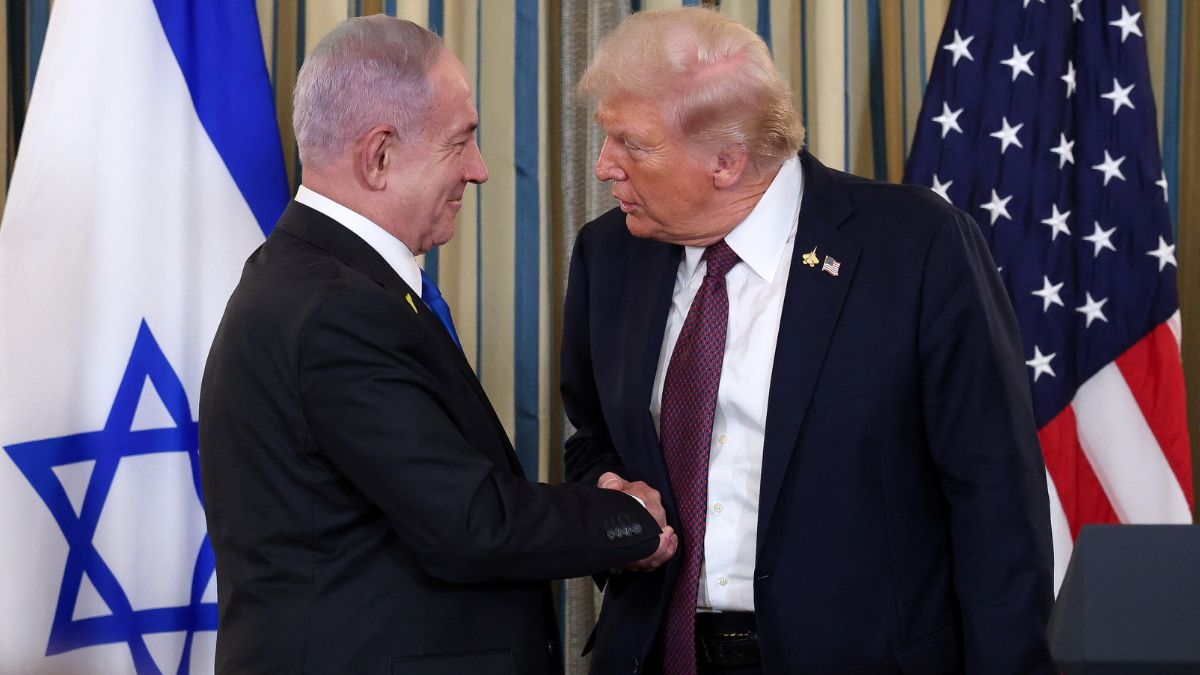 "Nuclear raids vs Kharg spectacle: As Trump eyes to exit war, US and Israel stand divided on Iran goal")
 "What's the real endgame? How Trump’s Iran war goals keep changing")
 "Watch: Iranian Prez Pezeshkian, FM Araghchi make rare public appearance, mingle with crowds amid killings of key officials")