 "‘Greater North America’: Hegseth draws Trump’s new world map with a dig at Global South")
US War Secretary Pete Hegseth on Sunday outlined a new geopolitical vision dubbed the “Greater North America” strategy, framing it as a major shift in regional security under Donald Trump.
Speaking at the US Southern Command headquarters in Doral, Hegseth said the administration’s strategic scope extends “from Greenland to the Gulf of America to the Panama Canal”, redefining the entire northern hemisphere as part of an “immediate security perimeter”.
He argued that all sovereign nations and territories north of the equator—from Greenland to Ecuador and Alaska to Guyana—should be viewed as part of a shared strategic zone rather than the Global South. “It is an immediate security perimeter in this great neighbourhood that we all live in,” he said during a conference of Western Hemisphere defence leaders.
Hegseth emphasised that geography is central to the doctrine, citing natural barriers such as the Amazon rainforest and the Andes mountains as dividing lines between northern and southern strategic responsibilities. He said countries north of these barriers, bordered by the North Atlantic or North Pacific, fall within a common security framework.
Under this approach, the United States plans to expand its military posture and presence across the northern hemisphere in coordination with regional partners. “In the north, the United States must enhance posture and presence… to defend our shared immediate security perimeter,” he said.
At the same time, Hegseth signalled a shift in expectations for countries south of the equator, calling for greater “burden sharing” in securing the South Atlantic and South Pacific, as well as critical infrastructure and resources.
“In the south… we will strengthen partnerships through increased burden sharing,” he said, adding that regional partners would be expected to take a larger role in safeguarding their own security interests.
Quick Reads
View AllDrawing a historical parallel, Hegseth invoked a revival of the “Quarter Sphere Defence” approach used during World War II, suggesting the US could adopt a similar framework again in response to evolving global threats.

 "Iran War Live Updates: Iran executes two over alleged links to US-Israeli-backed opposition group")
 "Why have Yemen’s Houthis entered the West Asia war now?")
 "Two victories, one war: US and Iran think they can win — is this the biggest obstacle to a peace deal?")
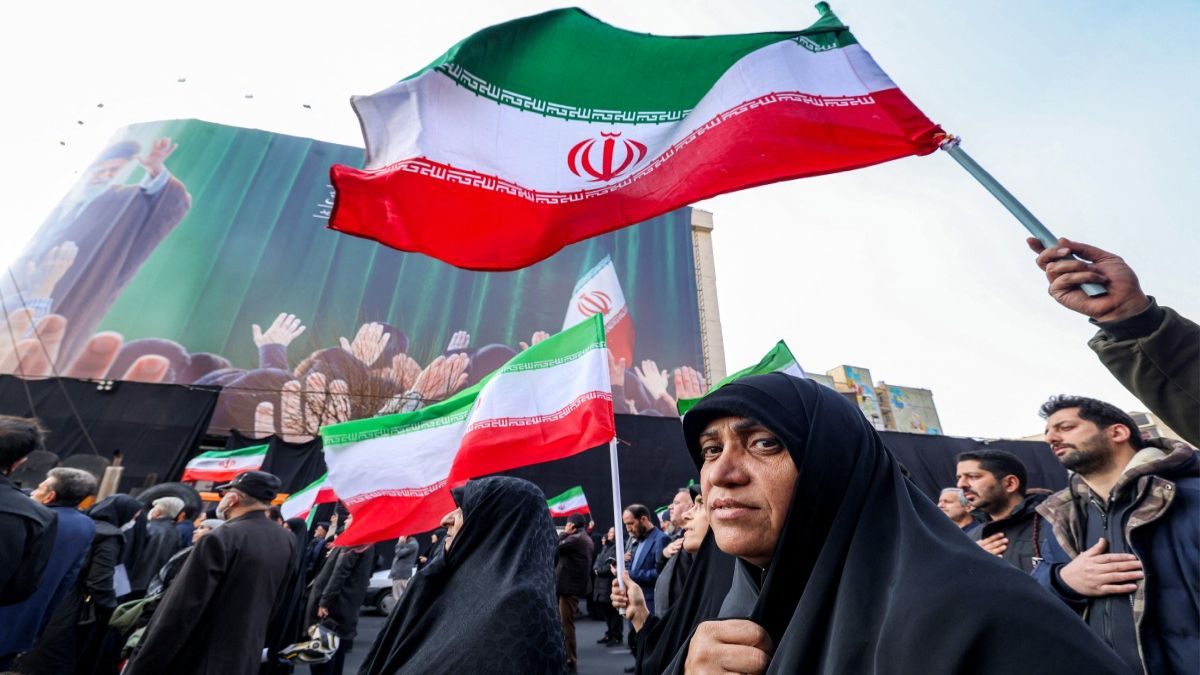 "Marines arrive, Houthis join, aluminum plants hit: Iran war is widening faster than diplomacy can contain it")
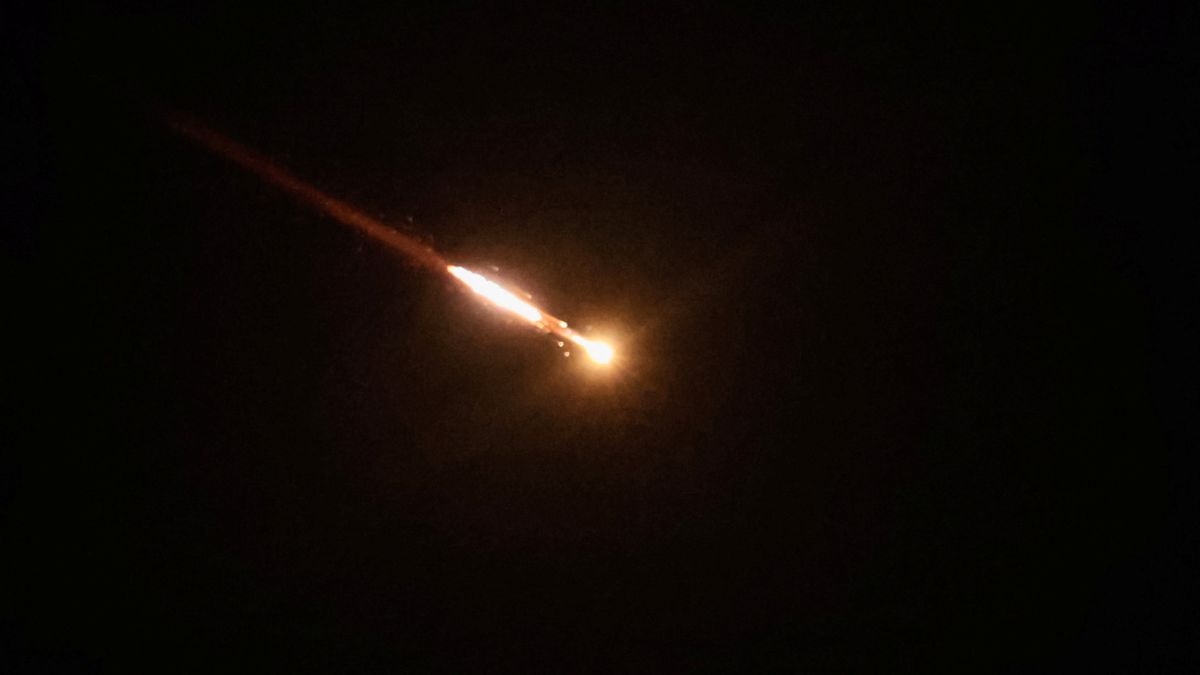 "Iran War Live Updates: Iran executes two over alleged links to US-Israeli-backed opposition group")
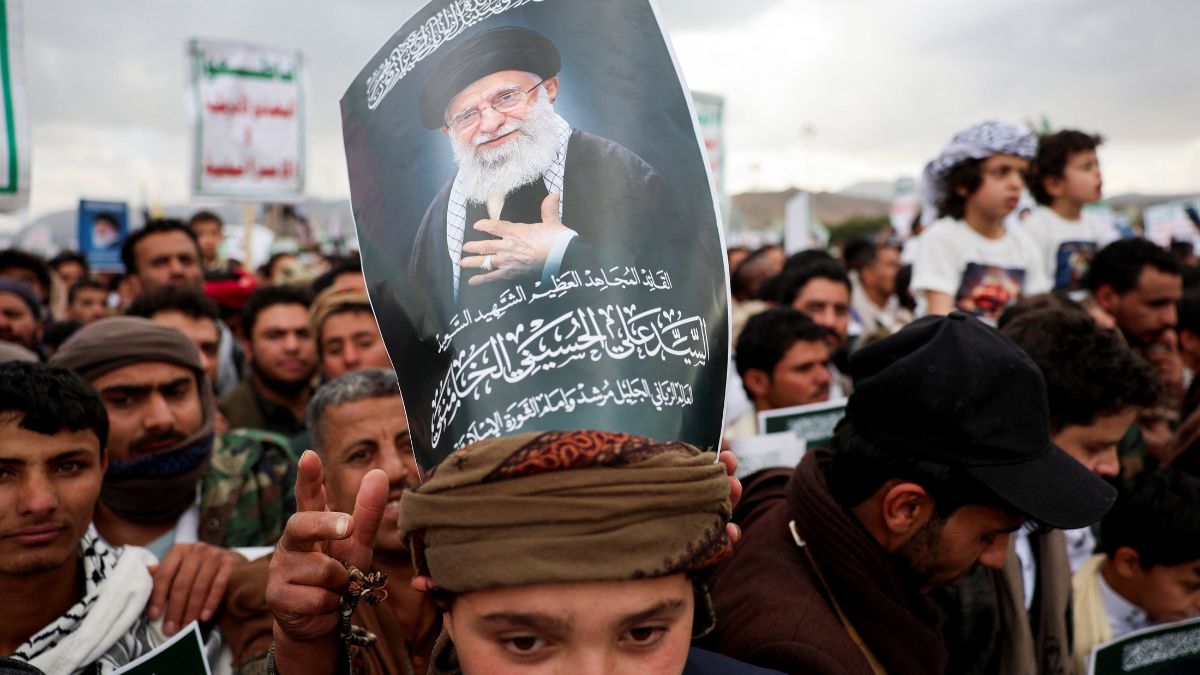 "Why have Yemen’s Houthis entered the West Asia war now?")
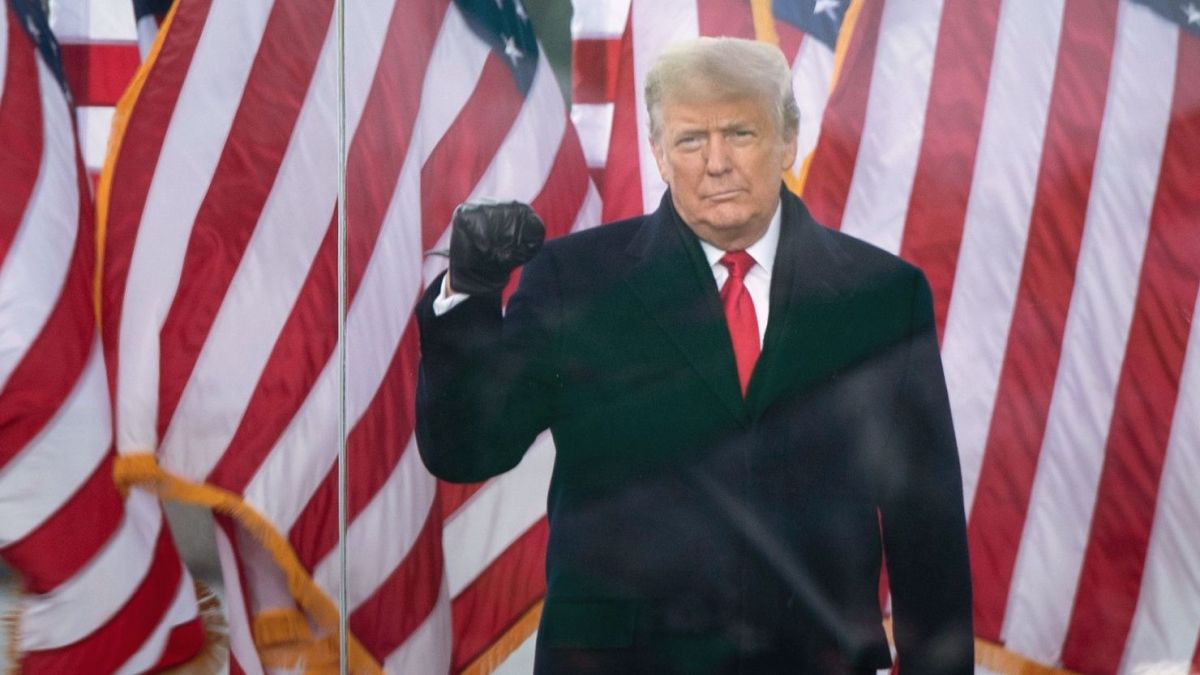 "Two victories, one war: US and Iran think they can win — is this the biggest obstacle to a peace deal?")
 "Marines arrive, Houthis join, aluminum plants hit: Iran war is widening faster than diplomacy can contain it")