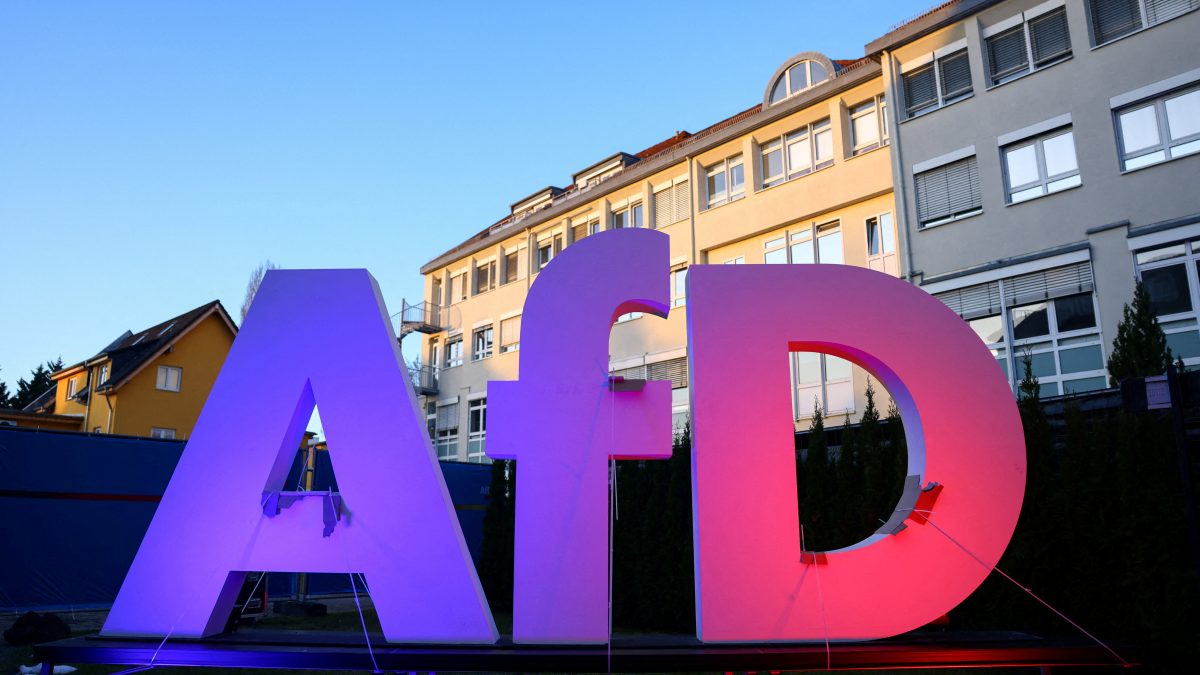
 "Germany’s far-right AfD pushes return to Russian energy as rising fuel prices boost support")
Germany’s far-right Alternative for Germany (AfD) has renewed its call for a return to Russian energy supplies, capitalising on rising fuel prices and economic concerns after strong gains in recent state elections.
Petrol prices in Germany have surged by over 15 percent since the US and Israel’s war on Iran began, becoming a key campaign issue in industrial regions such as Baden-Württemberg. AfD leaders argued that high energy costs—significantly above those in the US and China—are hurting the economy and voters.
AfD consolidates position as second-largest party
The AfD secured around 20 percent of the vote in both Baden-Württemberg and Rhineland-Palatinate, marking some of its best-ever performances in western Germany and reinforcing its position as the country’s second-largest political force.
Push to revive Russian energy ties
AfD leaders have called for resuming imports of Russian oil and gas, arguing it is essential for energy security and affordable electricity. Before the Russia-Ukraine war, Russia supplied more than a third of Germany’s crude oil and over half of its natural gas.
Following Moscow’s invasion of Ukraine and the shutdown of the Nord Stream pipeline, Germany shifted to alternative suppliers such as Norway, the Netherlands, and Belgium, effectively ending direct reliance on Russian energy.
Economic strain fuels political shift
Germany’s economy, built for decades on cheap Russian energy under leaders like Gerhard Schroeder and Angela Merkel, has struggled with higher costs, contributing to a prolonged downturn and job losses in key industries.
Analysts say the AfD’s messaging resonates because it directly addresses everyday economic pressures rather than broader geopolitical concerns.
Criticism over pro-Russia stance
Mainstream parties have criticised the AfD’s position, warning that restoring energy ties with Moscow could undermine European security and weaken efforts to isolate Russia. Critics have also accused the party of promoting narratives favourable to Moscow—claims the AfD denies.
Growing support amid broader debate
Despite being politically isolated, the AfD has expanded its base, particularly among younger and working-class voters. The debate over reconnecting with Russia is also gaining traction within sections of mainstream politics, especially in eastern Germany, where sentiment against cutting ties with Moscow remains stronger.
With more state elections approaching, energy policy and economic recovery are likely to remain central to Germany’s political discourse.

 "Iran War Live Updates: Chinese ships cross Strait of Hormuz on second attempt amid tensions")
 "Inside Isfahan, the city home to Iran’s nuclear facilities, hit by US bunker busters")
 "Trump has hinted 12 times that Iran war will end. So, why hasn’t it?")
 "Masood Azhar’s brother Tahir Anwar dies in Pakistan under mysterious circumstances, says report")
 "Iran War Live Updates: Chinese ships cross Strait of Hormuz on second attempt amid tensions")
 "Inside Isfahan, the city home to Iran’s nuclear facilities, hit by US bunker busters")
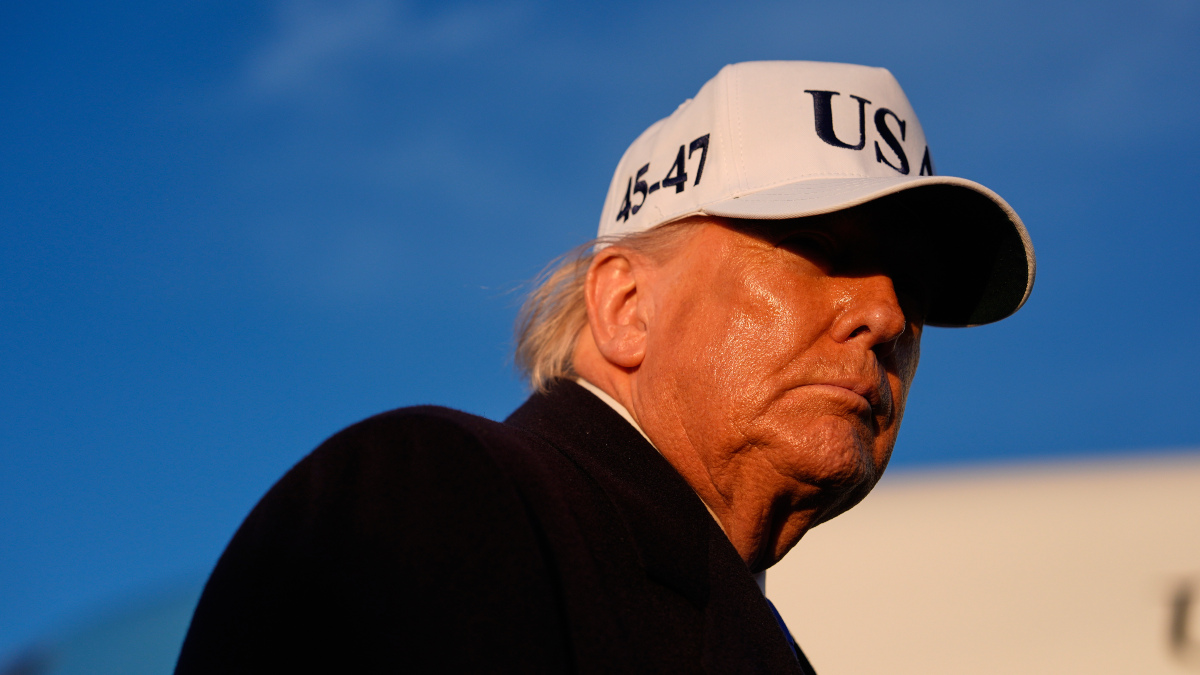 "Trump has hinted 12 times that Iran war will end. So, why hasn’t it?")
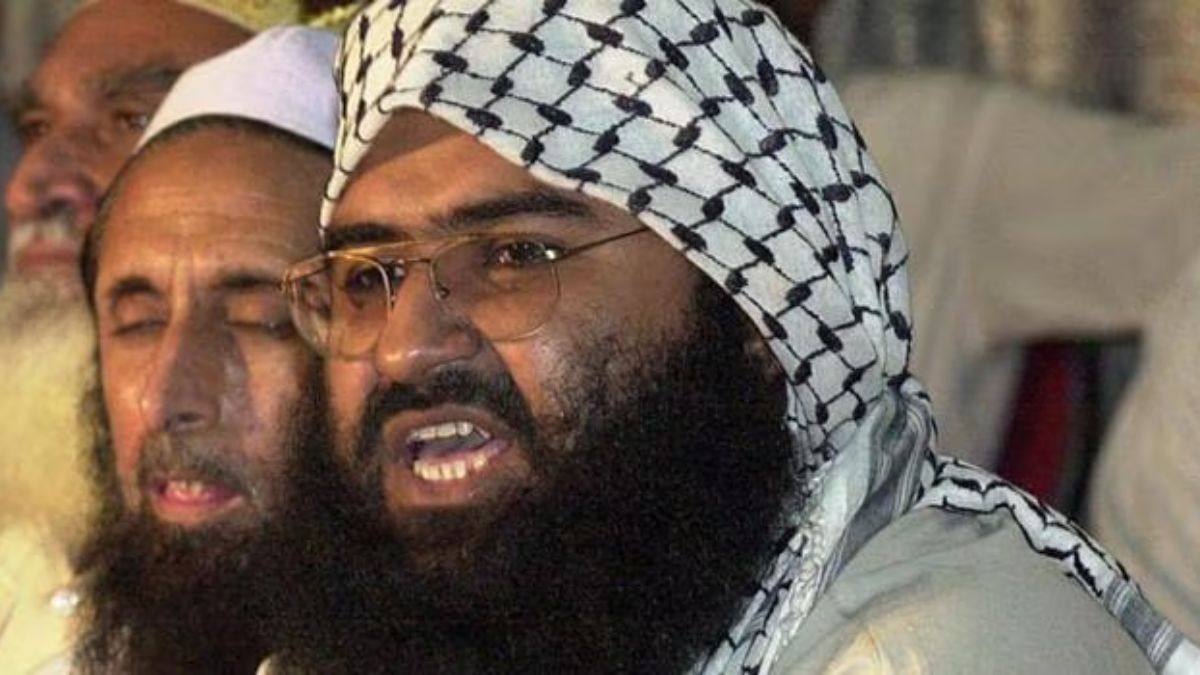 "Masood Azhar’s brother Tahir Anwar dies in Pakistan under mysterious circumstances, says report")